
Main Courses
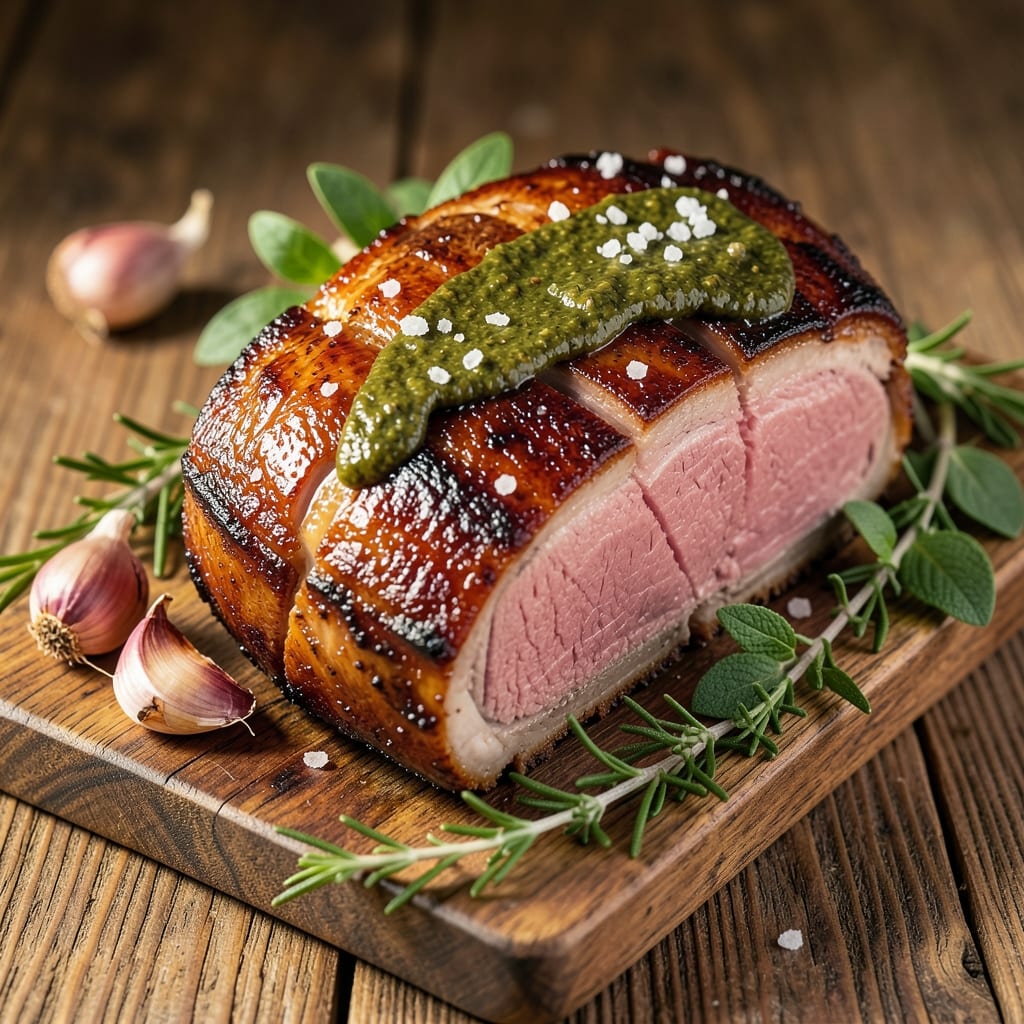
This 5 lb beef rib roast bone-in recipe delivers a showstopping centerpiece with a herb-crusted exterior and a juicy pink center that melts in your mouth. The secret lies in low-and-slow cooking, which transforms tough muscle into tender, flavorful perfection while keeping the bone intact for easy carving. After years of perfecting this technique, I’ve cracked the code for achieving that ideal balance between crust and tenderness—no more dry, overcooked roasts.
The process is simpler than you’d expect: a dry rub of aromatic herbs and spices clings to the beef as it roasts, creating a deeply flavorful crust that locks in moisture. We’ll cook it at a precise 250°F for 2–3 hours, ensuring the internal temperature reaches 130–135°F for medium-rare—just as it should be. The bone-in cut adds natural richness, while the slow roast guarantees a tender, juicy result that’s impossible to resist.
Once out of the oven, the beef rests for 20–30 minutes, allowing the juices to redistribute so every slice is moist and flavorful. Serve with a rich au jus, roasted garlic mashed potatoes, or a crisp green salad to round out the meal. This isn’t just dinner—it’s an experience, and the best part? The leftovers reheat beautifully for sandwiches the next day.
For those who love their beef rare or medium, this method delivers without compromise. The bone-in cut stays intact for easy slicing, and the herb crust adds a restaurant-quality finish that’s worth every minute. Let’s get started—your table is about to become the envy of the neighborhood.
Ingredients for 5 lb beef rib roast bone in
Six aromatic ingredients transform a simple roast into a restaurant-worthy centerpiece.
| Ingredient | Amount | Notes |
|---|---|---|
| Bone-In Beef Rib Roast 🥩 | 5 lb | Prime grade, ribeye section preferred |
| Fresh Rosemary 🌿 | ½ cup | Finely chopped, fresh stems removed |
| Fresh Thyme 🌿 | ¼ cup | Leaves only, stems discarded |
| Fresh Sage 🌿 | ¼ cup | Leaves only, stems removed |
| Garlic Cloves 🧄 | 8 cloves | Smashed, skin-on for maximum flavor |
| Kosher Salt 🧂 | 2 tbsp | Diamond Crystal preferred |
| Freshly Ground Black Pepper 🌶️ | 1 ½ tbsp | Coarse grind for texture |
| Extra-Virgin Olive Oil 🫒 | 2 tbsp | For crust application |
| Unsalted Butter 🧈 | 4 tbsp | Cold, cubed for basting |
| Beef Tallow or Duck Fat 🍖 | 2 tbsp | For extra-rich basting |
| Red Wine 🍷 | 1 cup | Bold Cabernet Sauvignon preferred |
| Beef Bone Broth 💧 | 1 cup | Homemade or high-quality store-bought |
| Dried Porcini Mushrooms 🍄 | ¼ cup | Rehydrated for au jus |
| Fresh Parsley 🌿 | ⅛ cup | Chopped, for garnish |
The bone-in rib roast is non-negotiable—look for prime grade with good marbling. Costco or local butchers usually carry the best cuts, but even grocery store prime works if you're quick. Fresh herbs are crucial here: Whole Foods or Trader Joe's have the best selection of rosemary, thyme, and sage. The garlic should be plump and firm—no shriveled cloves. For the salt, Diamond Crystal is ideal because it dissolves slower, creating a better crust. If you can't find beef tallow, duck fat works perfectly for basting—it adds incredible richness.
No fresh rosemary? Dried at one-third the amount works, but the flavor won't be as vibrant. Short on thyme? Marjoram or oregano can substitute, but reduce to half. The red wine can be swapped for beef broth with a splash of balsamic vinegar if you're avoiding alcohol. For the au jus, if you don't have dried porcini, cremini mushrooms work in a pinch—just use fresh ones. The butter and tallow should be cold when you cube them—this ensures they baste properly without burning. If you're prepping ahead, you can make the herb crust up to 2 days ahead and store it in the fridge.
This roast reheats beautifully—just warm it in the oven at 275°F for 15 minutes with a splash of beef broth. The leftovers make amazing sandwiches the next day (trust me on this). Store any extra au jus in the fridge for up to 5 days—it's perfect for drizzling over steaks or mashed potatoes. The herb crust keeps well for 3 days in the fridge if you want to make it ahead of time. For a crowd, double the recipe—just increase the oven time by about 30 minutes** to account for the extra weight.
Why You'll Love This Recipe
- Minimal Prep Required: I swear by this—just a quick rub of garlic, rosemary, thyme, and sage on the bone-in roast. No fancy marinades, no chopping vegetables into oblivion. The herbs cling to the fat and meat like a cozy blanket, and the garlic? It infuses effortlessly while you sip wine and pretend you’re a sous chef.
- Rich, Herby Magic: That crispy crackling skin with tender meat underneath? It’s the bone-in secret. The rosemary and sage smell like a holiday table, while the garlic keeps it bright and punchy. Honestly, the first time I sliced into it, my kids paused their video games. (Okay, fine, they went back to gaming—but they did ask for seconds.)
- Weeknight or Weekend Star: This roast is the same whether I’m feeding my family on a Tuesday or hosting Thanksgiving. Slice it thin for sandwiches, serve it with mashed potatoes for a hearty dinner, or toss it into pasta for a fancy-ish weeknight meal. Between us, I’ve even used the leftovers in breakfast hash—no judgment.
- Leftovers That Don’t Suck: Most roasts turn to dry, sad meat by day three. Not this one. The bone keeps it juicy, and the herbs add depth even when reheated. I’ll be real: I’ve microwaved cold slices straight into a tortilla for a lazy lunch, and it still tasted like a victory. Plus, a 5 lb roast means fewer trips to the store—my wallet thanks me.
Step-by-step instructions for herb-crusted beef rib roast
Here's how to transform a simple rib roast into a showstopping centerpiece with perfectly balanced crust and juicy pink meat.
Prepare the Herb Crust and Season the Roast
In a food processor, combine the 0.5 cup fresh rosemary, 0.25 cup fresh thyme, 0.25 cup fresh sage, 8 smashed garlic cloves, 2 tablespoons kosher salt, and 1.5 tablespoons freshly ground black pepper. Pulse until you achieve a coarse, herby paste that still has visible texture. This blend creates the aromatic crust that will encase your roast.
Remove the 5 lb bone-in beef rib roast from the refrigerator and pat it completely dry with paper towels—this is crucial for achieving that perfect crust. Spread the herb mixture evenly over the entire surface, pressing it gently into the meat so it adheres well. Let the seasoned roast sit at room temperature for 1 hour before roasting. This resting period ensures even cooking and helps the crust develop properly.
Sear the Roast for Maximum Flavor
Preheat your oven to 450°F. While the oven heats, place the roast fat-side up in a cold, heavy roasting pan. This gradual heating prevents the fat from rendering too quickly. Add 2 tablespoons extra-virgin olive oil to the pan and tilt it to coat the bottom.
Place the roasting pan on the stovetop over medium-high heat and sear the roast for 10-12 minutes, turning occasionally, until it develops a deep golden-brown crust on all sides. The fat should begin to render and sizzle—this is when all the magic happens. Once seared, transfer the roasting pan to the preheated oven and continue roasting.
Roast to Medium-Rare Perfection
Roast the beef for 25-30 minutes at 450°F until the internal temperature reaches 120-125°F on a meat thermometer. This is the medium-rare stage, where the meat remains juicy with a perfect pink center. I like to use a thermometer inserted into the thickest part of the roast, avoiding the bone, for accuracy.
During the last 10 minutes of roasting, prepare the basting mixture by melting the 4 tablespoons unsalted butter and 2 tablespoons beef tallow or duck fat in a small saucepan over low heat. Once melted, remove from heat and keep warm. This rich mixture will be used to baste the roast during the final stages of cooking, adding extra flavor and moisture.
Baste and Rest for Juicy Results
Remove the roast from the oven and brush it generously with the basting mixture, letting it pool in the pan. Return the roast to the oven and continue cooking for another 5-10 minutes until the internal temperature reaches 125-130°F. This basting step ensures the crust remains crispy while keeping the meat supremely tender.
Once the roast reaches the desired temperature, transfer it to a cutting board and tent loosely with aluminum foil. Let it rest for 20-30 minutes before carving. This resting period is essential—it allows the juices to redistribute throughout the meat, ensuring each slice is moist and flavorful. Real talk: Skipping this step results in dry meat, no matter how perfect your cooking technique.
Create the Au Jus and Garnish
While the roast rests, place the roasting pan on the stovetop over medium heat. Add the 1 cup red wine and scrape up all the browned bits from the bottom of the pan—this is where all the flavor is. Let it simmer for 3-4 minutes until reduced by half. Add the 1 cup beef bone broth and the rehydrated 0.25 cup dried porcini mushrooms (soaked in hot water for 20 minutes and drained), then simmer for another 5-7 minutes until the sauce thickens slightly.
Strain the sauce through a fine-mesh sieve into a sauceboat, discarding the solids. The result should be a rich, earthy au jus that complements the roast beautifully. Slice the roast against the grain into ½-inch thick portions and garnish with 0.125 cup chopped fresh parsley. Serve immediately with the au jus poured over the top and your choice of sides—roasted vegetables or creamy mashed potatoes work perfectly.
Pro Tips For Making 5 Lb Beef Rib Roast Bone In
- USE A MEAT THERMOMETER: The bone-in rib roast plays tricks with internal temps—don’t guess. Aim for 130°F for medium-rare (pull it at 125°F if your oven runs hot) and let it carryover to 135°F. I learned this after slicing a perfectly pink roast that was actually overcooked inside.
- TRIM THE FAT CAP: That thick fat layer on the rib roast? It’s delicious, but it can make your pan drippings greasy and your crust uneven. Trim it down to ¼-inch before searing—you’ll still get flavor, just cleaner results. (Yes, it’s less dramatic-looking, but trust me.)
- SALT THE ROAST 24 HOURS EARLY: Fresh herbs and garlic won’t cling if the meat isn’t dry. Pat the roast thoroughly with paper towels, then season generously with kosher salt (about 1.5 tsp per pound) and let it sit uncovered in the fridge. The salt breaks down the proteins, and the herbs will stick like they’re supposed to.
- REST IT UNDER FOIL: After roasting, tent the rib roast with foil and let it rest 10-15 minutes—not on a cutting board, but right on the roasting pan. This traps heat and keeps the juices from pooling out when you slice. (I know, it looks weird, but it works.)
Essential equipment for this dish
Roasting Pan Essentials
You’ll need a heavy-duty roasting pan with a lid or cover—All-Clad Stainless Steel or Lodge Cast Iron are my top picks. The pan should be at least 10x14 inches to accommodate the 5 lb roast comfortably while allowing fat to render away from the meat. A lid helps trap steam, ensuring even cooking and moisture retention. Avoid thin, flimsy pans—they won’t distribute heat evenly. 🔥
Precision Thermometer
A meat thermometer is non-negotiable for this recipe. I swear by the ThermoWorks Smoke or Thermoworks Thermapen One—both are fast, accurate, and built to last. Insert the probe into the thickest part of the roast, avoiding the bone, to monitor internal temperature. The goal is 130–135°F for medium-rare, so you’ll need real-time feedback to avoid overcooking.
Food Processor for Crust
For the herb crust, a high-quality food processor like the Cuisinart DLC-2BC is a game-changer. It finely chops the herbs and garlic into a coarse paste that clings perfectly to the roast. If you don’t have one, a mortar and pestle works in a pinch—just be prepared for more elbow grease. The texture of the crust depends on this step, so don’t skip it!
Basting Brush and Tools
Use a silicon basting brush (like the OXO Good Grips) to apply the butter-tallow basting mixture evenly. A long-handled spoon or tongs helps flip the roast during searing without burning your hands. Keep a small saucepan nearby for melting the basting fat—low heat is key to avoid burning. A fine-mesh sieve is also essential for straining the au jus later.
Cutting Board and Knife
Carve the roast on a large, sturdy cutting board (I love Teakhaus Maple) to handle the weight of the bone-in cut. A sharp 8-inch chef’s knife or Dexter-Russell slicing knife makes clean cuts against the grain. Rest the roast on the board for 20–30 minutes before slicing—this ensures juices redistribute, so every bite stays tender. 💪
Optional: Sous Vide Setup
For extra precision, consider a sous vide setup like the Anova Nanodots or Breville Joule. Cook the roast at 130°F for 2–3 hours before searing and basting—this guarantees a perfectly even doneness without dryness. While not required, it’s a pro trick for foolproof results, especially if you’re serving a crowd. The equipment adds upfront cost but pays off in consistency.
Nutrition facts
Frequently asked questions
What's the best way to trim a 5 lb bone-in rib roast before cooking?
Leave the bone intact for structural support, but trim any excess fat to ¼-inch thickness—this prevents flare-ups during searing. Use a sharp knife to remove silver skin and connective tissue, but preserve the natural shape for even cooking. The bone helps retain moisture and adds rich flavor to the au jus.
Can I cook this recipe in a smoker instead of the oven?
For a smoky twist, cook at 225°F with indirect heat (using fruitwood like cherry or hickory) until the internal temp hits 125°F (about 4–5 hours). Baste with the butter-tallow mix during the last 30 minutes to develop crust. The low-and-slow method works beautifully for tender results.
Why does the recipe call for resting the roast for 20–30 minutes?
Resting redistributes juices that would otherwise pool on your plate, ensuring every slice stays moist and flavorful. Skipping this step guarantees dry meat—no matter how perfect your cooking technique. The bone-in cut benefits even more from resting, as the marrow releases flavor into the meat.
What if my roast doesn't have enough marbling?
Don’t worry! The herb crust and basting mixture compensate for leaner cuts. For extra moisture, inject the roast with 2 tbsp beef broth before searing (use a meat injector or fork to create channels). Also, increase the basting frequency during the final 10 minutes of cooking.
How do I adjust this recipe for a smaller or larger roast?
For 4 lb roasts, reduce cooking time by 20–30 minutes and oven temp to 425°F. For 6+ lb roasts, increase time by 30–45 minutes and add 1 extra cup of basting mixture. Always use a meat thermometer—never guess! The herb crust ratio stays the same per pound.