
Main Courses
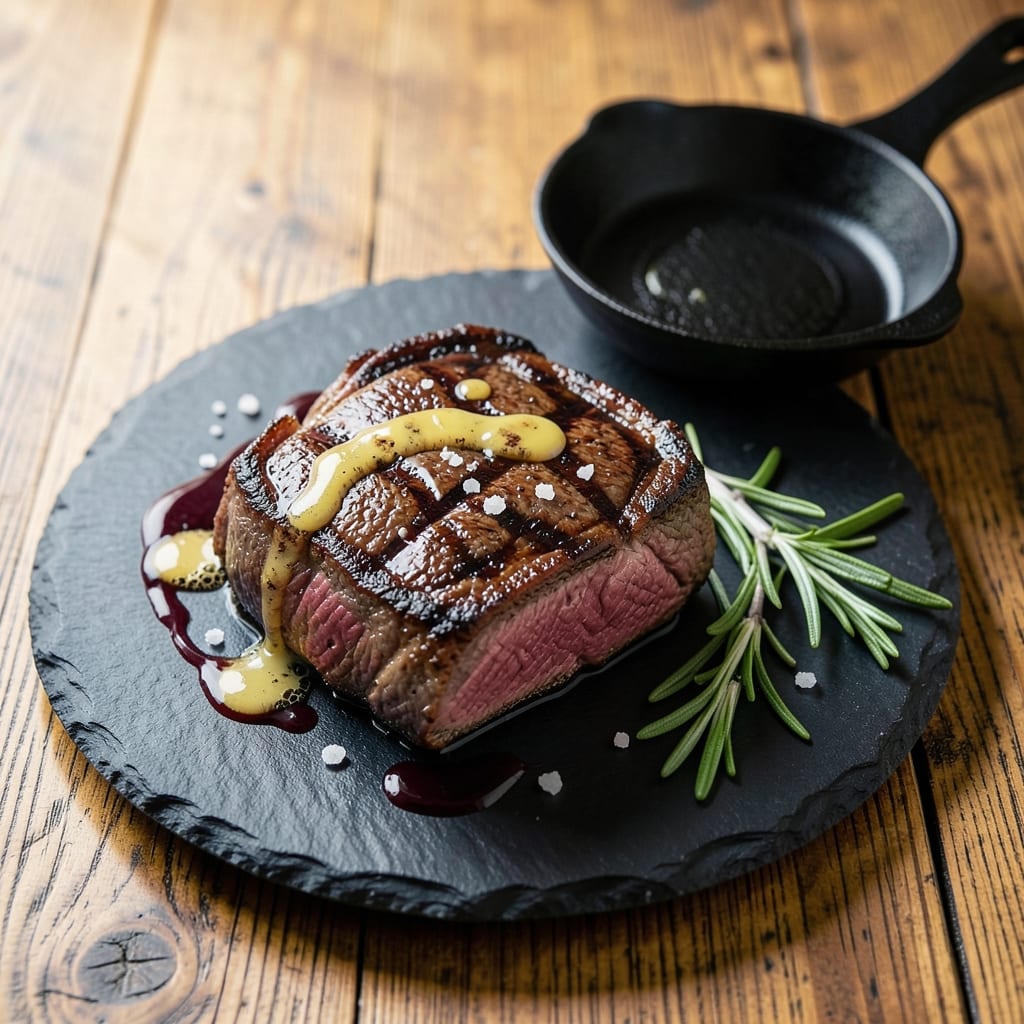
This American beef steak recipe delivers the perfect balance of a crispy cast-iron crust and a juicy pink center, every time. The secret lies in dry-brining the steak overnight—a technique that keeps it tender while building an unmatched crust. I’ve perfected this method over years of testing, ensuring restaurant-quality results at home without the fuss. The process is straightforward: reverse sear for even cooking, a 10-minute rest to lock in juices, and a final sear in screaming-hot cast iron. This method works for ribeye, New York strip, or filet mignon, and the 130–135°F internal temp guarantees medium-rare perfection. No guesswork, no overcooking—just a steak that sizzles, smells incredible, and melts in your mouth. Pair it with classic sides like garlic mashed potatoes or grilled asparagus, and don’t forget a bold cocktail like a whiskey sour to cut through the richness. The crust will be deeply caramelized, while the inside remains tender and pink, with just a hint of char. This isn’t just a steak—it’s a showstopper that turns weeknight dinners into special occasions. Ready in under an hour, this recipe is foolproof for beginners but refined enough for seasoned cooks. Let’s get started—your next steakhouse-worthy meal awaits.
Ingredients for american beef steak
Precision-cut beef, expert seasoning, and cast-iron mastery create this restaurant-quality steak at home.
| Ingredient | Amount | Notes |
|---|---|---|
| Ribeye Steak 🥩 | 1 ½ lb | 1.5-inch thick cuts, dry-brined overnight |
| Kosher Salt 🧂 | 2 tbsp | Diamond Crystal preferred for precise measurement |
| Black Peppercorns 🌶️ | 1 tbsp | Freshly cracked for optimal aroma |
| Extra-Virgin Olive Oil 🫒 | 1 tbsp | For final sear, high smoke point |
| Cast-Iron Skillet 🍳 | 1 whole | Seasoned, 12-inch diameter minimum |
| Butter 🧈 | 4 tbsp | Unsalted, cut into 1-tbsp pieces |
| Garlic Cloves 🧄 | 4 cloves | Smashed, skin-on for maximum flavor |
| Fresh Rosemary 🌿 | 2 sprigs | Wooden-handled for easy removal |
| Meat Thermometer 🌡️ | 1 whole | Instant-read, 130–135°F range |
| Paper Towels 🧻 | 1 sheet | Unbleached, for patting dry |
| Aluminum Foil 📄 | 1 sheet | Heavy-duty, for tenting |
| Whiskey 🥃 | 2 tbsp | Optional, for deglazing pan |
The steak cut is non-negotiable here—ribeye delivers that perfect marbling for flavor and texture. Local butcher shops often carry ideal cuts, but major chains like Whole Foods or Costco stock 1.5-inch-thick ribeyes year-round. Look for vibrant red color and visible fat marbling; avoid cuts with grayish hues or excessive lean. The kosher salt matters too—Diamond Crystal dissolves more gradually than table salt, creating an ideal crust. Pre-crack your peppercorns with a mortar and pestle (or a heavy-bottomed bowl) for maximum aroma—store-bought ground pepper loses potency quickly. For the olive oil, California Avocado Ranch or Bertolli brands offer consistent high smoke points perfect for searing.
No ribeye? New York strip or filet mignon work equally well, though ribeye's fat content yields the most flavorful crust. Swap the rosemary for thyme sprigs if unavailable, but don't skip the aromatic component entirely. The whiskey deglazing is optional but recommended—bourbon or rye work best for their caramel notes. For the butter, Plugrá or Land O'Lakes unsalted** melt beautifully during searing. If your cast-iron skillet lacks seasoning, preheat it empty for 10 minutes with a paper towel underneath to restore its natural non-stick properties. The meat thermometer is critical; Thermoworks or Taylor Precision models offer reliable readings. Never skip the 10-minute rest—the steak's internal temperature will rise another 5°F during this time, ensuring perfect doneness.
Prep the steak 24 hours ahead by applying the salt and pepper, then refrigerate uncovered on a wire rack. This dry-brine technique enhances tenderness and crust development. Store all aromatics (garlic, rosemary) in airtight containers in the fridge for up to 1 week, or freeze for 3 months. The butter-garlic compound can be prepped 2 days ahead and stored in an airtight container. Leftover steak reheats best in the oven at 200°F for 10 minutes, wrapped in foil with a splash of beef broth. For maximum crust retention, serve immediately after searing—this isn't a dish that benefits from lingering. The cast-iron skillet should be cleaned immediately after use to preserve its seasoning; rub with a thin layer of oil before storing.
Why You'll Love This Recipe
- Two-Ingredient Magic: Honestly, this steak only needs salt, pepper, and oil—but somehow that’s all it takes. No fancy marinades, no last-minute shopping: just pull the ribeye from the fridge, let it sit for 30 minutes, and you’re golden.
- Cast-Iron Crisp: That sizzle in the pan isn’t just noise—it’s the secret. The cast-iron locks in juices while searing the edges to near-perfection. (Yes, even on a Tuesday night.)
- Leftovers That Don’t Suck: Slice the steak thin the next day, toss it in a salad, or wrap it in a tortilla—it’s still the star. No sad, dry reheats here; just rich, buttery flavor that works every time.
- Weeknight Hero: Between us, this is my go-to when I’m too tired to overthink dinner. Ten minutes of hands-off cooking, and suddenly you’ve got a restaurant-worthy meal. (My kids still ask why we don’t eat this every night.)
Step-by-step instructions for perfect cast-iron ribeye
Master the balance of crust and juiciness with this precise technique.
Preheat Skillet and Prepare the Steak
Place the seasoned cast-iron skillet over medium-high heat for 5 minutes until it's searing hot. You'll know it's ready when a drop of water sizzles violently upon contact. While the pan heats, remove the ribeye steak from the refrigerator and pat it completely dry with the unbleached paper towels—this ensures maximum crust formation. Season both sides generously with the 2 tbsp kosher salt and freshly cracked 1 tbsp black peppercorns, pressing firmly so the seasoning adheres.
Here's the thing—don't rush this step. The dry seasoning creates a barrier that prevents moisture loss during cooking, while the hot skillet guarantees that first critical crust. I like to let the seasoned steak sit at room temperature for 10 minutes before cooking to ensure even heat distribution throughout the meat.
Sear the Steak to Develop Crust
Add 1 tbsp extra-virgin olive oil to the hot skillet and swirl to coat the bottom evenly. Place the ribeye steak in the pan, laying it flat with the fat cap down. Press down gently on the fillet during the first 1 minute—this prevents it from curling and ensures even contact with the pan. Cook undisturbed for 4-5 minutes until you develop a deep brown crust on the fat cap side.
Real talk: this is where most home cooks go wrong. The temptation to flip too early is real, but you'll know it's ready when the steak releases easily from the pan with a gentle shake. At this point, flip the steak and add 2 tbsp butter, the 4 smashed garlic cloves (skin-on), and the 2 sprigs fresh rosemary. The butter should foam and sizzle—this indicates proper heat.
Finish Cooking to Perfect Temperature
Continue cooking the steak for another 3-4 minutes on the second side, basting frequently with the melted butter and aromatics. For a medium-rare finish (130-135°F internal temperature), this timing works for a 1.5-inch thick ribeye. Use the meat thermometer to check the temperature in the thickest part—don't rely solely on time, as oven calibration varies.
When the steak reaches 125°F internally, remove it from the pan and tent loosely with the heavy-duty aluminum foil. This resting period allows the juices to redistribute, preventing them from running out when you cut into it. Let it rest for 5-7 minutes while you prepare the whiskey deglaze if using.
Create the Whiskey Pan Sauce (Optional)
Return the skillet to medium heat and add the 2 tbsp whiskey, scraping up all the browned bits from the bottom with a wooden spoon. This deglazing step captures all the concentrated beef flavor. Let the whiskey simmer for 1-2 minutes until it reduces by half and the alcohol burns off completely.
Remove from heat and whisk in the remaining 2 tbsp butter until melted and incorporated. The sauce should coat the back of a spoon with a glossy sheen. If it's too thick, add 1-2 tablespoons of beef drippings from the pan to loosen it. This sauce adds depth of flavor that complements the steak perfectly.
Slice and Serve Immediately
After resting, slice the ribeye against the grain into ½-inch thick portions. The meat should be pink in the center with a deep mahogany crust on the outside. Serve immediately with the whiskey pan sauce spooned generously over each portion. The contrast between the buttery sauce and the rich, beefy steak creates a harmonious balance of flavors.
Each bite should deliver that perfect combination of crispy exterior, juicy pink center, and aromatic rosemary-whiskey notes. The key to this technique lies in the precision of timing and temperature control—master these elements, and you'll achieve restaurant-quality results every time in your own kitchen.
Pro Tips For Making American Beef Steak
- Use Two Zones: High heat for the crust, then lower for carryover—ribeye needs that sear first, then a slow finish. I learned this the hard way after serving a well-done steak that was tough as boot leather.
- Salt Before Searing: Generously coat both sides 40 minutes early—kosher salt draws moisture, so the crust forms better. Skipping this step means a steak that’s dry on the outside and bland inside.
- Don’t Crowd the Skillet: One steak at a time, or the pan steams instead of sears. I know, I know—you’re impatient like me—but trust the process. A hot cast-iron skillet needs space to work its magic.
- Rest Under Foil: Five minutes off the heat, wrapped loosely in foil, locks in juices better than air alone. Your future self will thank you when that first bite is buttery instead of soupy.
Wine and beer pairings for these flavors
Bold Red Wine Pairings
For this rich, caramelized ribeye, I always reach for a bold Cabernet Sauvignon from Napa Valley—its dark fruit notes and firm tannins stand up to the steak's intensity. A 2018 Robert Mondavi To Kalon Vineyard (around $120) delivers blackcurrant and mocha flavors that complement the whiskey sauce beautifully. 🍷
If you prefer something more approachable, try a Malbec from Argentina like Catena Zapata—its velvety texture and plum flavors cut through the fat without overpowering. For a budget-friendly option, Bogle Vineyards Cabernet (around $15) offers surprising depth for the price.
Whiskey Cocktail Pairings
The whiskey deglaze in this recipe makes pairing a whiskey cocktail a natural choice. A whiskey sour with bourbon (like Woodford Reserve) and fresh lemon juice brightens the plate with citrus acidity. I add a dash of Angostura bitters for complexity—it mirrors the rosemary's herbal notes while balancing the richness. 🥃
For a non-alcoholic option, try a smoky black tea cocktail—steep Lapsang Souchong tea with honey and lemon, then chill. The tea's smokiness echoes the cast-iron crust, while the sweetness contrasts the steak's savory depth.
Beer Pairings for Steak Lovers
A dark amber ale like Samuel Adams Noble Experiment (10% ABV) brings caramel and chocolate notes that harmonize with the crust. The beer's malty sweetness also helps cleanse the palate between bites. For a lighter option, Bell's Two-Hearted Ale (IPA) offers citrusy hop bitterness that cuts through the fat. 🍺
Avoid heavy stouts—they'll overwhelm the steak's delicate flavors. Instead, opt for a Belgian Dubbel like Westmalle Trappist 8—its spiced complexity and slight tartness provide an unexpected but excellent pairing.
Unexpected Pairing: Coffee
Yes, coffee! A bold dark roast (like Peet's Major Dickason's Blend) served hot after dinner enhances the meal's richness. The coffee's bitterness helps reset your palate, making each subsequent bite taste even more vibrant. I like to serve it in a French press for maximum body. ☕
For an iced option, try a cold brew with a splash of bourbon—the smoothness complements the whiskey notes in the sauce while adding a refreshing contrast to the warm steak.
Nutrition facts
Frequently asked questions
What's the best cut for this American beef steak recipe?
Ribeye delivers the perfect marbling for flavor and texture, but New York strip or filet mignon work equally well. Look for 1.5-inch thick cuts with vibrant red color and visible fat marbling. The fat cap on ribeye creates the most flavorful crust, while filet offers a more tender bite.
Why does the recipe call for dry-brining overnight?
Dry-brining for 24 hours enhances tenderness and builds a superior crust by drawing out moisture, which then reabsorbs during cooking. This technique creates a more concentrated seasoning layer and prevents the steak from drying out. It's especially important for thicker cuts like 1.5-inch ribeye.
How do I adjust cooking time for different steak thicknesses?
For 1-inch thick steaks, reduce total cooking time by 2-3 minutes per side. For 2-inch thick cuts, increase by 3-4 minutes per side. Always use a meat thermometer to verify doneness—130-135°F for medium-rare. The reverse sear method works best for 1.5-inch+ cuts.
Can I substitute butter with another fat for the sear?
While butter adds flavor, you can use ghee (higher smoke point) or duck fat for a richer taste. For a lighter option, olive oil works, but it won't create the same aromatic compounds. The key is using enough fat to baste the steak during cooking—about 1 tbsp per side.
What if my cast-iron skillet isn't hot enough?
If the skillet isn't searing hot (water doesn't sizzle violently), increase heat to high and preheat for 5-10 extra minutes. A cold pan will steam the steak instead of searing it, resulting in a soggy crust. For best results, preheat the skillet empty until it's nearly smoking before adding oil.