
Main Courses
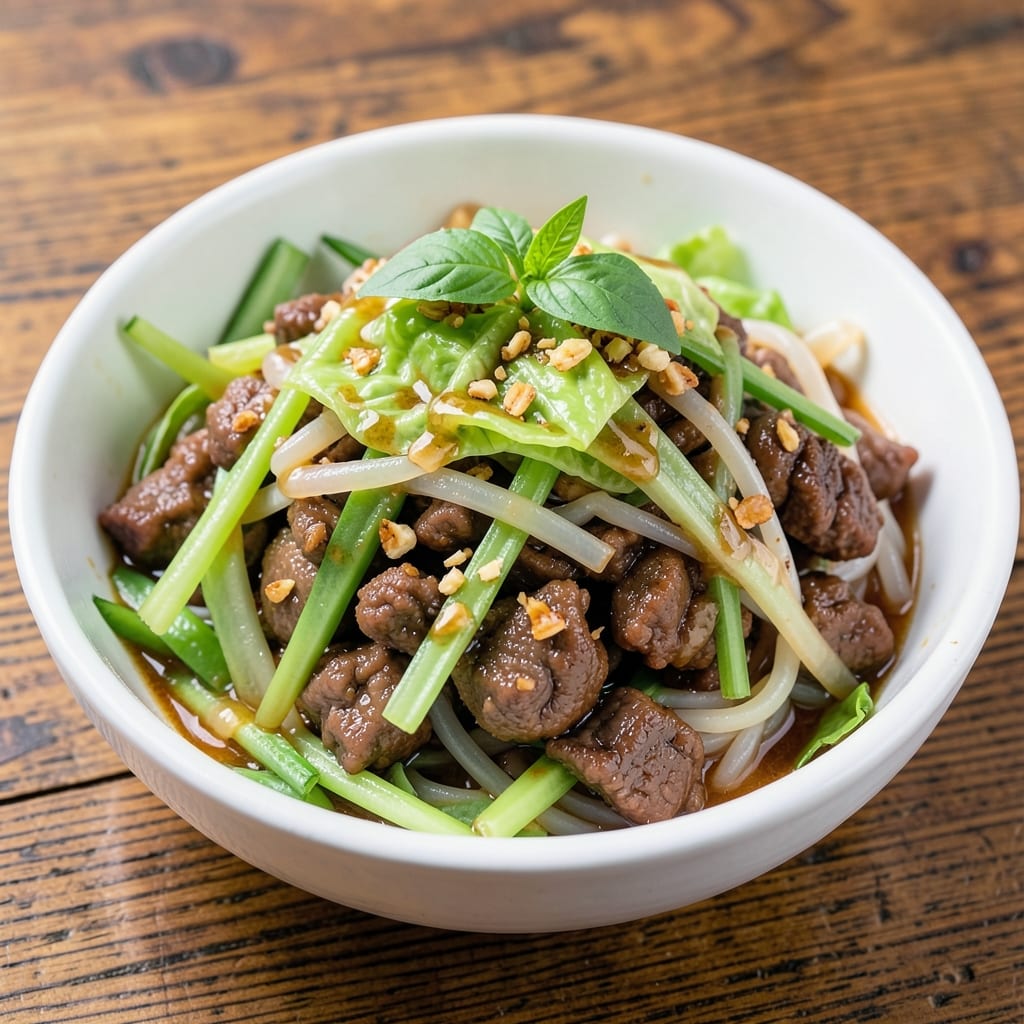
This Asian cabbage and ground beef recipe delivers restaurant-quality flavor with a perfect balance of savory, umami, and subtle sweetness—all in under 30 minutes. The secret lies in high-heat wok searing to develop deep caramelized notes while keeping the cabbage crisp-tender. I developed this after years of adapting traditional stir-fry techniques to home kitchens, ensuring every bite delivers that satisfying crunch and rich, aromatic sauce. The foundation starts with a simple marinade of soy sauce, garlic, and ginger that transforms ordinary ground beef into tender, flavorful morsels. Cabbage is cut into thin strips to maintain its satisfying crunch while absorbing the savory sauce. A touch of sesame oil adds nutty depth, while a splash of rice vinegar brightens the dish without overpowering the meaty flavors. What you'll end up with is a vibrant stir-fry where perfectly seared beef meets crisp cabbage in a glossy, slightly sticky sauce. The texture contrast—tender beef, crisp vegetables, and chewy noodles—makes each bite exciting. This dish works beautifully as a standalone meal or alongside steamed rice for soaking up every last drop of flavor. The best part? This recipe adapts effortlessly to modern tastes while staying true to its Asian roots. Whether you prefer a Korean-inspired gochujang kick or a classic Chinese soy-ginger profile, the technique remains the same—just adjust the seasonings to your preference. Let's get cooking!
Ingredients for asian cabbage and ground beef
Wok-seared beef meets crisp cabbage in this vibrant stir-fry with chewy noodles and sticky sauce.
| Ingredient | Amount | Notes |
|---|---|---|
| Ground Beef (80/20) 🥩 | 1 lb | Lean-to-fat ratio for juiciness |
| Green Cabbage 🥬 | ½ head | Thinly sliced, core removed |
| Rice Vinegar 🍶 | ¼ cup | White or seasoned variety |
| Soy Sauce 🥢 | ⅓ cup | Low-sodium preferred |
| Garlic Cloves 🧄 | 6 cloves | Minced, fresh preferred |
| Fresh Ginger 🌿 | 1 tbsp | Grated, peeled |
| Sesame Oil 🫒 | 1 tbsp | Toasted for aroma |
| Brown Sugar 🍯 | 1 tbsp | Light or dark variety |
| Vegetable Oil 🫒 | 2 tbsp | High smoke point |
| Egg Noodles 🍜 | 8 oz | Fresh or dried |
| Green Onions 🧅 | ¼ cup | Sliced, for garnish |
| Sesame Seeds 🌾 | 1 tbsp | Toasted lightly |
| Salt 🧂 | ½ tsp | Kosher or sea salt |
| Black Pepper 🌶️ | ¼ tsp | Freshly ground |
The beef is where the magic happens—80/20 fat ratio keeps it juicy while searing. Costco or Trader Joe's usually have pre-ground beef in the right ratio, but check the label. For cabbage, green is best—it stays crisp longer than red. Look for heads with firm leaves and no yellowing. The garlic and ginger should smell bright and fresh; no musty aromas. I always grab extra ginger because it keeps for weeks in the freezer once peeled and grated.
No sesame oil? Avocado oil at half the amount works in a pinch, but you'll miss that nutty aroma. Short on brown sugar? Honey or maple syrup does the trick, though it'll taste slightly different. The noodles can be any kind—udon or ramen add extra richness. If you're feeling adventurous, swap the cabbage for Napa cabbage or bok choy for a different texture. The rice vinegar adds brightness—substitute apple cider vinegar if that's what you have, but it'll be tangier.
The beef and cabbage can be prepped ahead—store separately in the fridge for up to 2 days. The sauce keeps for 5 days in the fridge, so make extra. I always double the noodles because they're great cold the next day. For freezing, portion the sauce separately from the noodles—3 months max. Reheat the sauce gently before tossing with noodles to keep everything crisp.
Why You'll Love This Recipe
- One-Pan Magic: I swear by this recipe when I’m too tired to scrub pots—just brown the beef, toss in the shredded cabbage, and let the garlic and soy sauce work their savory magic. No extra dishes, no fuss.
- Umami Bomb: That 80/20 ground beef? Rich and juicy, seared just enough to lock in flavor while the cabbage softens into something tender yet still holds its bite. Honestly, the rice vinegar finish takes it from good to ridiculously good—bright, tangy, and addictive.
- Lunchbox Hero: Between us, this is my go-to for meal prep—packs perfectly in containers, stays fresh for days, and even gets better the next day. Toss it over rice, wrap it in lettuce, or eat it straight from the fridge. (Yes, even on a Tuesday night.)
- Budget Win: A single head of cabbage and a pound of beef stretch across multiple meals, and the pantry staples (soy sauce, vinegar) won’t break the bank. I’ll be real: it’s the kind of dish that makes grocery day feel like a victory.
Step-by-step instructions for wok-seared Asian cabbage and beef
Here's how to build this vibrant stir-fry with perfect texture and bold flavors.
Prep All Ingredients for Maximum Flavor
Start by cutting the 0.5 head green cabbage in half lengthwise, removing the core, and slicing it thinly into matchsticks. I like to keep the leaves intact for better texture. While you work, mince the 6 cloves garlic cloves and grate the 1 tbsp fresh ginger—these aromatics will form the foundation of your sauce.
Toast the 1 tbsp sesame seeds in a dry skillet over medium heat for 1-2 minutes until fragrant and golden. This adds nutty depth to the dish. Slice the 0.25 cup green onions and set aside for garnish. The reason we prep everything first is to work efficiently—once the beef hits the wok, timing becomes critical.
Cook the Ground Beef Until Perfectly Browned
Heat 2 tablespoons vegetable oil in a wok or large skillet over high heat until shimmering. Add the 1 lb ground beef (80/20) and break it apart with a spatula. Cook undisturbed for 2-3 minutes until the beef loses its raw color and starts to brown—this creates that delicious maillard reaction we want.
Once the beef is mostly browned, stir in the minced garlic cloves and grated ginger, cooking for 30 seconds until fragrant. The high heat ensures these aromatics infuse quickly without burning. Remove the beef to a plate and set aside—we'll bring it back later for maximum flavor in the sauce.
Build the Sauce with Wok-Hei Technique
In the same wok, add 1 tablespoon sesame oil and swirl to coat. Pour in 0.33 cup soy sauce and 0.25 cup rice vinegar, scraping up any browned bits from the bottom. Add 1 tablespoon brown sugar and let it simmer for 1 minute until slightly reduced and syrupy.
Return the beef to the wok and toss everything together for 1 minute until fully coated. Here's where the magic happens—the residual heat from the wok creates that signature "wok-hei" or "breath of the wok" flavor. If the sauce looks too thick, add 1-2 tablespoons hot water to loosen it to your desired consistency.
Stir-Fry the Cabbage to Crisp-Tender Perfection
Add the sliced green cabbage to the wok and stir-fry over high heat for 3-4 minutes until the edges begin to soften but still maintain a satisfying crunch. The cabbage should be bright green and just tender enough to eat—overcooking will turn it mushy. Season with 0.5 teaspoon salt and 0.25 teaspoon black pepper.
Taste the cabbage mixture and adjust seasoning if needed. I usually add a splash more soy sauce or rice vinegar at this stage to balance the flavors. The cabbage should be vibrant, slightly sweet from the brown sugar, and packed with umami from the beef and soy sauce.
Finish with Noodles and Garnish
Cook the 8 oz egg noodles according to package instructions until al dente, then drain and rinse briefly under cold water to stop the cooking. Add the noodles to the wok with the cabbage and beef mixture, tossing everything together for 1-2 minutes until the noodles absorb the sauce and become glossy.
Garnish with the toasted sesame seeds and sliced green onions just before serving. The contrast of textures—crisp cabbage, tender noodles, and perfectly browned beef—makes this dish truly special. Serve immediately while everything is hot and the flavors are at their peak!
Pro Tips For Making Asian Cabbage And Ground Beef
- CRANK THE HEAT FIRST: Cook the ground beef over high heat until it’s deep brown—not just cooked through. I used to walk away too soon, and the sauce ended up tasting flat. Push it to medium-high until the edges crisp, then pull it off the pan. That’s where the flavor lives.
- SHRED THE CABBAGE SMALL: Cut the cabbage into thin matchsticks (about ¼-inch wide) and separate the leaves. Thick strips stay crunchy and undercooked, while smaller pieces soften evenly and soak up the sauce. Skip the food processor—your hands work faster for this.
- WAIT FOR THE GARLIC: Don’t rush the garlic. Sauté it in the beef fat until it’s golden, not just fragrant—about 30 seconds past when you think it’s done. Burnt garlic turns bitter, and you’ll taste it in every bite. If it smells smoky, pull it out immediately.
- DILUTE THE SOY SAUCE: Mix soy sauce with a splash of water (about 1 part water to 2 parts soy) before adding it to the pan. This prevents the sauce from seizing up and turning gluey. I learned this after a batch turned into a thick, unappetizing paste—now it stays silky.
Perfect pairings for these flavors
Rice Pairings
Steamed jasmine rice is my go-to pairing—its delicate floral notes complement the dish's savory-sweet balance beautifully. Cook 1.5 cups of rice for 4 servings, using a 1:1.25 rice-to-water ratio. For extra flavor, add a pinch of salt to the water or a splash of rice vinegar at the end. The rice soaks up the sauce perfectly, making every bite satisfying. 🍚
Noodle Alternatives
Swap egg noodles for udon or ramen to add richness and chewiness. Cook 8 oz of fresh udon according to package instructions, then rinse briefly to stop cooking. The wider noodles hold up better to the sauce and add a heartier texture. For a gluten-free option, use rice noodles—just reduce cooking time by 2 minutes to avoid mushiness.
Side Dish Ideas
A simple cucumber salad adds refreshing crunch to balance the hearty stir-fry. Toss 1 cup sliced cucumber with 1 tbsp rice vinegar, ½ tsp salt, and 1 tsp sesame oil. For extra protein, serve with edamame—steam 1 cup shelled edamame for 3 minutes, then sprinkle with ½ tsp sea salt and 1 tsp toasted sesame seeds.
Beverage Pairings
A crisp green tea like Sencha or Jasmine Pearl tea cleanses the palate between bites. For a non-tea option, try a light lager such as Asahi Super Dry—its subtle maltiness won’t overpower the dish. If you prefer wine, a dry Riesling with its citrus notes offers a refreshing contrast to the umami-rich stir-fry.
Garnish Upgrades
Elevate your dish with fried shallots for added crunch. Pulse 2 tbsp shallots in a food processor, then pan-fry in 2 tbsp oil over medium heat for 2-3 minutes until golden. Sprinkle over the stir-fry just before serving. For a spicy kick, add ½ tsp gochujang mixed with 1 tsp honey as a drizzle.
Make-Ahead Sides
Prep sides in advance to streamline your cooking. Cook a batch of steamed rice and store in an airtight container for up to 3 days. For the cucumber salad, chop and store all ingredients separately in the fridge—mix just before serving to keep it crisp. The noodles can be pre-cooked and refrigerated for 2 days**, reheated with a splash of water before tossing with the stir-fry. ✨
Nutrition facts
Frequently asked questions
Can I substitute regular ground beef for lean ground beef?
The recipe calls for 80/20 ground beef because the fat content creates juicier, more flavorful bites. If you must use lean (90/10), cook it over medium heat instead of high to prevent drying out. Add 1 teaspoon soy sauce extra to compensate for the lack of fat. For best results, consider using ground pork—it stays moist and absorbs flavors beautifully.
How do I prevent the cabbage from getting mushy?
Cabbage turns mushy when overcooked. To keep it crisp-tender, slice it thinly (about 1/8-inch strips) and stir-fry over high heat for only 3-4 minutes. Start adding it to the wok 1 minute before the dish is done so it cooks just enough to soften the edges. If using pre-shredded bagged cabbage, rinse it first to remove excess moisture.
Can I make this dish ahead of time?
Prep the beef and cabbage mixture up to 1 day ahead—store separately in airtight containers. Reheat gently in a skillet with 1 tablespoon oil over medium heat for 3-4 minutes. The noodles should be cooked fresh to maintain texture. For the sauce, make it up to 3 days ahead and reheat separately before tossing with noodles. The flavors actually improve overnight!
What if I don't have a wok?
A large skillet or cast-iron pan works perfectly! The key is high heat and quick cooking. If your pan isn't wide enough, cook the beef in batches—remove it to a plate between additions to avoid steaming. For extra wok-hei flavor, add 1 teaspoon cornstarch to the sauce at the end to create a glossy finish.
How can I make this spicier?
Add 1 teaspoon gochujang (Korean chili paste) or ½ teaspoon red pepper flakes to the sauce. For heat control, mix the gochujang with 1 teaspoon honey first to balance the spice. If you prefer fresh heat, stir in 1 minced Thai chili with the garlic and ginger. Always taste before serving—you can adjust to preference!