
Soups & Stews
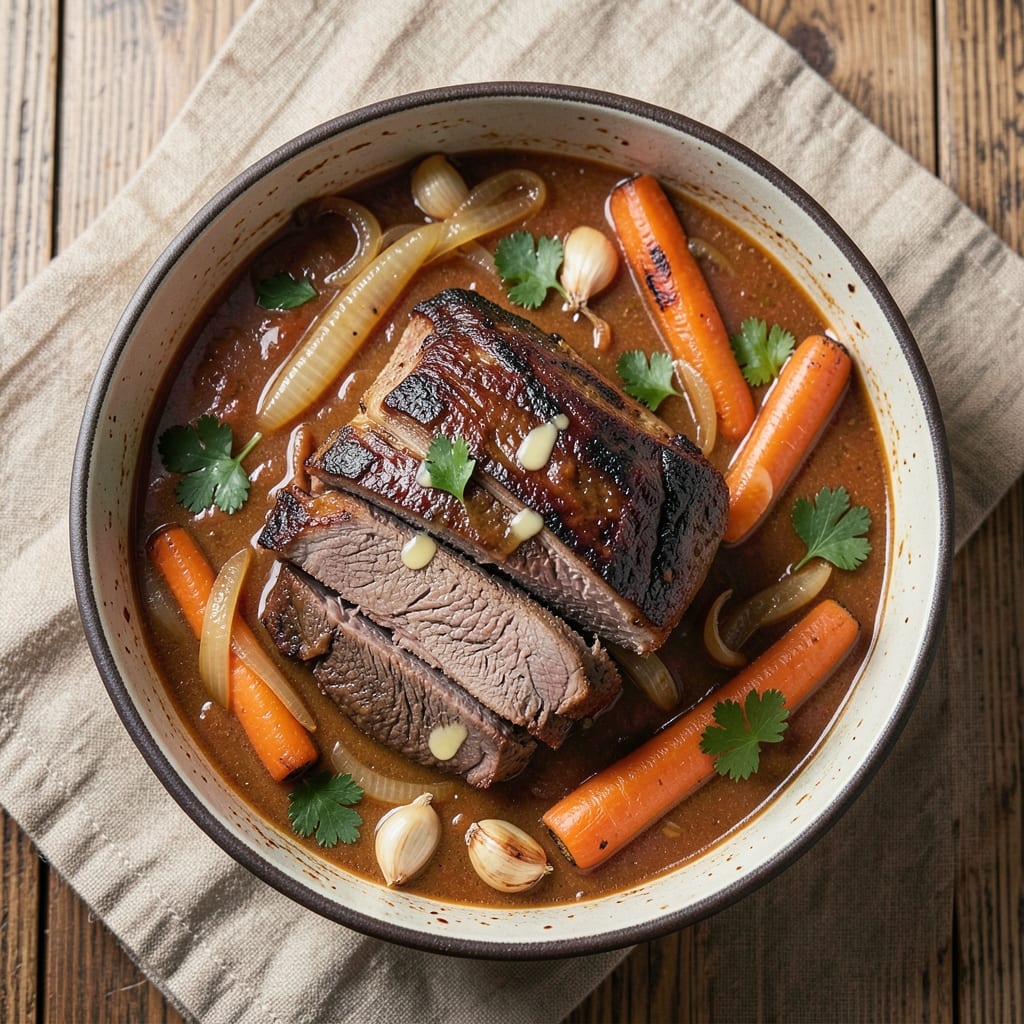
This American beef stew recipe delivers the deep, caramelized richness that makes slow-cooked meals unforgettable. The secret lies in browning the beef and onions until perfectly golden—this step builds the foundation for layers of flavor that develop over hours of simmering. I’ve perfected this technique to create a stew so tender and aromatic, it transforms tough cuts into melt-in-your-mouth perfection.
What sets this recipe apart is the balance of textures and flavors: tender beef, caramelized onions, and a thick gravy that clings to every bite. The slow simmer allows the beef to break down naturally, while the onions develop a deep, sweet complexity that ties everything together. It’s the kind of dish that tastes even better the next day, making it ideal for meal prep or feeding a crowd.
By the time you serve this stew, you’ll have a hearty, restaurant-quality meal that pairs beautifully with crusty bread or roasted vegetables. The aroma alone will have everyone gathered at the table, eager for the first bite. This isn’t just comfort food—it’s a celebration of slow cooking done right.
The beauty of this recipe is its versatility. Use it as a standalone main dish or serve it alongside mashed potatoes or a simple green salad. The rich, savory flavors make it perfect for chilly evenings or special gatherings. Let’s get started on creating a stew that’s worth the wait.
Ingredients for american beef stew
The foundation of this rich stew starts with perfectly caramelized onions and tender beef, simmered slowly for deep flavor development.
| Ingredient | Amount | Notes |
|---|---|---|
| Chuck Roast 🥩 | 3 lb | Well-marbled for tenderness |
| Yellow Onions 🧅 | 3 whole | Thinly sliced for caramelization |
| Carrots 🥕 | 4 whole | Medium size, peeled and sliced |
| Garlic Cloves 🧄 | 6 cloves | Minced for aromatic depth |
| Beef Broth 💧 | 4 cups | Low-sodium preferred |
| Tomato Paste 🍅 | ½ cup | For rich, concentrated flavor |
| Red Wine 🍷 | 1 cup | Bold dry variety like Cabernet |
| All-Purpose Flour 🌾 | 2 tbsp | For thickening gravy |
| Dried Thyme 🌿 | 1 tsp | Or 1 tbsp fresh thyme |
| Bay Leaves 🌿 | 2 whole | Removed before serving |
| Black Peppercorns 🌶️ | 1 tsp | Freshly cracked for heat |
| Kosher Salt 🧂 | 1 ½ tsp | Adjust to taste |
| Olive Oil 🫒 | 2 tbsp | For searing beef |
| Fresh Parsley 🌿 | ¼ cup | Chopped for garnish |
The chuck roast is non-negotiable here—its marbling ensures melt-in-your-mouth tenderness. Look for cuts with visible fat streaks, which render during cooking for extra richness. Costco or Walmart typically carry well-priced chuck roasts in the meat case, but if you're at a specialty butcher, ask for a cut with good marbling. For the onions, yellow onions work best—they caramelize beautifully, developing a deep sweetness that's essential for this recipe. Avoid red onions, which can turn bitter when cooked too long. Buy them in bulk at Trader Joe's or your local grocery store's produce section, where they're usually sold loose for better freshness.
No red wine? Substitute with beef broth and a splash of balsamic vinegar—it adds that same tangy depth. Fresh thyme is ideal, but dried thyme works at one-third the amount (so 1 tsp dried = 3 tbsp fresh). For tomato paste, squeeze tubes from Trader Joe's are perfect—they're easy to use and last months in the pantry. If you're short on carrots, substitute with parsnips for a slightly sweeter flavor. The beef broth should be low-sodium; if yours isn't, reduce the added salt later. For extra richness, deglaze the pan with a splash of Worcestershire sauce after browning the beef—it adds umami depth without altering the recipe's core flavors.
This stew tastes even better the next day as flavors meld. Store in an airtight container in the fridge for up to 5 days or freeze for 3 months. For meal prep, portion into individual containers—each serving reheats beautifully with a splash of water or broth. The caramelized onions can be prepped ahead and stored separately in the fridge for 3 days, saving time on cooking day. If you make a big batch, double the bay leaves—they add subtle earthiness that disappears when removed, leaving only flavor behind.
Why You'll Love This Recipe
- One-Pot Magic: I swear by this recipe because it’s all in one pot—no fussing with multiple dishes. Just brown that chuck roast, toss in onions, carrots, and garlic, then let the broth do the work. Honestly, my counter stays cleaner than my kitchen ever has.
- Deep, Savory Richness: That chuck roast? It melts into tender perfection, while the beef broth builds layers of flavor you can’t get anywhere else. The carrots turn sweet, the onions caramelize just enough, and the garlic? Oh, it’s the secret weapon—every bite is warm, hearty, and impossible to resist.
- Leftovers That Beg for More: This stew actually improves the next day—yes, really. The flavors meld overnight, and I always find myself reheating it twice because it’s that good. (Yes, even on a Tuesday night.) It’s my go-to for busy weeks when I’d rather not cook.
- Budget That Feeds: A single chuck roast stretches to feed four, sometimes six, and costs way less than takeout. Between us, this is the kind of meal that makes grocery budgets breathe easy—plus, the carrots and onions last forever in the fridge. Not the prettiest, but the taste makes up for it.
Step-by-step instructions for American beef stew
This method delivers deep, rich flavor through careful layering and slow simmering.
Sear the Chuck Roast for Maximum Flavor
Pat the 3 lb chuck roast dry with paper towels and season generously with 1.5 tsp kosher salt and 1 tsp freshly cracked black peppercorns. Heat 2 tbsp olive oil in a large Dutch oven over medium-high heat until shimmering.
Place the roast in the pot and sear for 4-5 minutes per side until deeply browned. This step creates the Maillard reaction, which forms complex flavors that will dissolve into the stew. If the oil starts smoking excessively, reduce heat slightly to prevent burning. Once browned, remove the roast and set it aside on a plate.
Caramelize Onions and Vegetables
In the same Dutch oven, add 3 whole thinly sliced yellow onions and cook over medium heat for 10-12 minutes, stirring occasionally, until golden brown and sweet. This caramelization adds depth to the stew.
Push the onions to one side of the pot and add 2 tbsp olive oil if needed. Add 4 whole sliced carrots and cook for 5 minutes until they begin to soften. Stir in 6 cloves minced garlic and cook for 30 seconds until fragrant. Remove the vegetables and set aside with the roast.
Build the Stew Base
Return the Dutch oven to medium heat and add 0.5 cup tomato paste, stirring to coat the bottom. Cook for 2 minutes until it darkens slightly. Deglaze the pot with 1 cup red wine, scraping up all the browned bits from the bottom. This step captures all the flavor you've built so far.
Sprinkle 2 tbsp all-purpose flour over the wine mixture and stir to combine. Cook for 1 minute to toast the flour slightly, which will help thicken the stew later. Pour in 4 cups beef broth and add 1 tsp dried thyme and 2 whole bay leaves. Return the roast and vegetables to the pot.
Simmer Until Tender
Bring the stew to a gentle boil, then reduce heat to low and cover partially. Simmer for 2.5-3 hours, turning the roast occasionally, until the meat is fork-tender and easily pulls apart. The stew should have reduced slightly, creating a rich, flavorful sauce.
Here's the thing—don't rush this step. The longer the meat cooks, the more tender it becomes. I check for doneness by inserting a fork into the thickest part of the roast. If it slides in easily and the meat pulls apart with minimal resistance, it's ready. If not, return it to the pot and continue simmering.
Finish and Serve
Remove the roast from the stew and transfer it to a cutting board. Discard the bay leaves and skim any excess fat from the surface of the stew. Stir in 0.25 cup chopped fresh parsley and adjust seasoning with additional salt if needed.
Slice the roast into ½-inch thick pieces and return it to the stew. Let the stew sit off the heat for 5 minutes to allow the flavors to meld. Serve immediately with crusty bread or over mashed potatoes. The stew should be rich, hearty, and full of deep, caramelized flavors that make every bite satisfying.
Pro Tips For Making American Beef Stew
- Brown the Chuck Deeply: Chuck roast needs a crust to hold up in hours of cooking—don’t just sear it lightly. Cut the meat into 1.5-inch chunks, then brown them in batches over medium-high heat until the edges are dark golden and the fat renders away. I used to rush this, and the stew turned out mushy later. That crust? Game-changer.
- Cut Onions Thinly: Slice yellow onions into ⅛-inch rounds instead of chunks—they’ll soften faster and blend into the stew without leaving big, chewy bits. A mandoline makes this easy, but a sharp knife works too. Thick slices? They’ll turn to mush before the meat’s tender. Trust me, no one wants onion surprises in their bite.
- Deglaze Aggressively: After browning the meat, don’t just splash in broth—scrape up those browned bits with a wooden spoon. They’re packed with flavor, and skipping this step means losing half the depth of taste. A splash of red wine or even a little tomato paste here can help loosen them up if needed.
- Simmer Low and Covered: Once everything’s in the pot, bring it to a boil, then immediately reduce to a gentle simmer, cover, and walk away. The lid keeps moisture in, and low heat prevents the broth from turning gluey. I’ve seen stews curdle or separate when left to babysit on high—let the meat work for you. Check after 2 hours, then adjust heat as needed.
Make-ahead tips for american beef stew
Prep Ahead Essentials
Start by prepping the onions—they’re the flavor foundation. Thinly slice 3 yellow onions and store them in an airtight container in the fridge for up to 3 days. I like to do this the night before so they’re ready to caramelize first thing in the morning. The onions will soften slightly but won’t lose their texture. 🧅
Slow Cooker Adaptation
For hands-off cooking, brown the beef and onions as directed, then transfer everything to a 6-quart slow cooker. Add the remaining ingredients and cook on low for 8-10 hours or high for 5-6 hours. The beauty of this method is that you can prep everything in the morning and come home to a ready-to-serve meal. Just stir in fresh parsley before serving.
Freezer-Friendly Strategy
Make a double batch and freeze half for later. Portion the stew into quart-sized freezer bags, leaving 1 inch headspace for expansion. Label with the date—it’ll keep for 3 months. To reheat, thaw overnight in the fridge, then warm on the stovetop over medium-low heat for 10-15 minutes, stirring occasionally. Add a splash of water or broth if it looks too thick.
Make-Ahead Sides
Prep sides the day before to create a full meal assembly. Cook crusty bread or mashed potatoes ahead and reheat in the oven at 350°F for 10-15 minutes. For a fresh touch, store roasted carrots or green beans separately in the fridge and reheat alongside the stew. The contrast of warm, hearty stew with crisp sides is what makes this meal feel special.
Flavor Boosting Trick
Before serving, toast 1 tbsp all-purpose flour in a dry pan for 1 minute until golden. Sprinkle it over the stew and stir—this adds a subtle crunch and thickens the sauce slightly. I also like to add a pinch of smoked paprika for depth. The extra step takes 2 minutes but makes a noticeable difference in texture and flavor. 💫
Portioning for Meal Prep
Divide the stew into individual quart-sized containers for easy grab-and-go meals. Each serving reheats beautifully—just add 2 tbsp water or beef broth per container and microwave on high for 2-3 minutes, stirring halfway. The broth helps restore the stew’s richness. Label containers with the reheating instructions so even busy weeknights become effortless. ⏰
Nutrition facts
Frequently asked questions
Can I use a different cut of beef instead of chuck roast?
While chuck roast is ideal for its marbling and tenderness, you can substitute with brisket or short ribs—just increase cooking time by 30-60 minutes. Avoid lean cuts like sirloin, as they won't become as tender during simmering. For best results, choose a cut with visible fat for flavor and moisture.
How do I know when the beef is fully tender?
The beef is done when it easily pulls apart with a fork and reaches an internal temperature of 203°F. Insert a fork into the thickest part—if it slides in effortlessly and the meat shreds, it's perfect. Pro tip: If it's still tough after 3 hours, add ½ cup warm water or broth and simmer uncovered for another 30 minutes.
What's the best way to thicken the stew if it's too thin?
Mix 1 tbsp cornstarch with 2 tbsp cold water to create a slurry, then stir it into the simmering stew. Cook for 5 minutes until thickened. For a richer texture, try 1 tbsp tomato paste** or a splash of red wine—both add depth without altering the flavor profile.
Can I make this stew in an Instant Pot?
Follow the same searing steps, then add all ingredients and cook on high pressure for 45 minutes, followed by a 10-minute natural release. For extra tenderness, add ½ cup extra broth and cook for 15 minutes longer. The pressure cooker cuts time but delivers the same melt-in-your-mouth results.
Why does my stew taste bland?
Bland flavor usually means insufficient browning or seasoning. Always sear the beef until deeply browned—this builds flavor. Taste as you go and adjust with salt, pepper, or a splash of red wine. For depth, add 1 tsp Worcestershire sauce or ½ tsp smoked paprika during the last 30 minutes of cooking.