
Main Courses
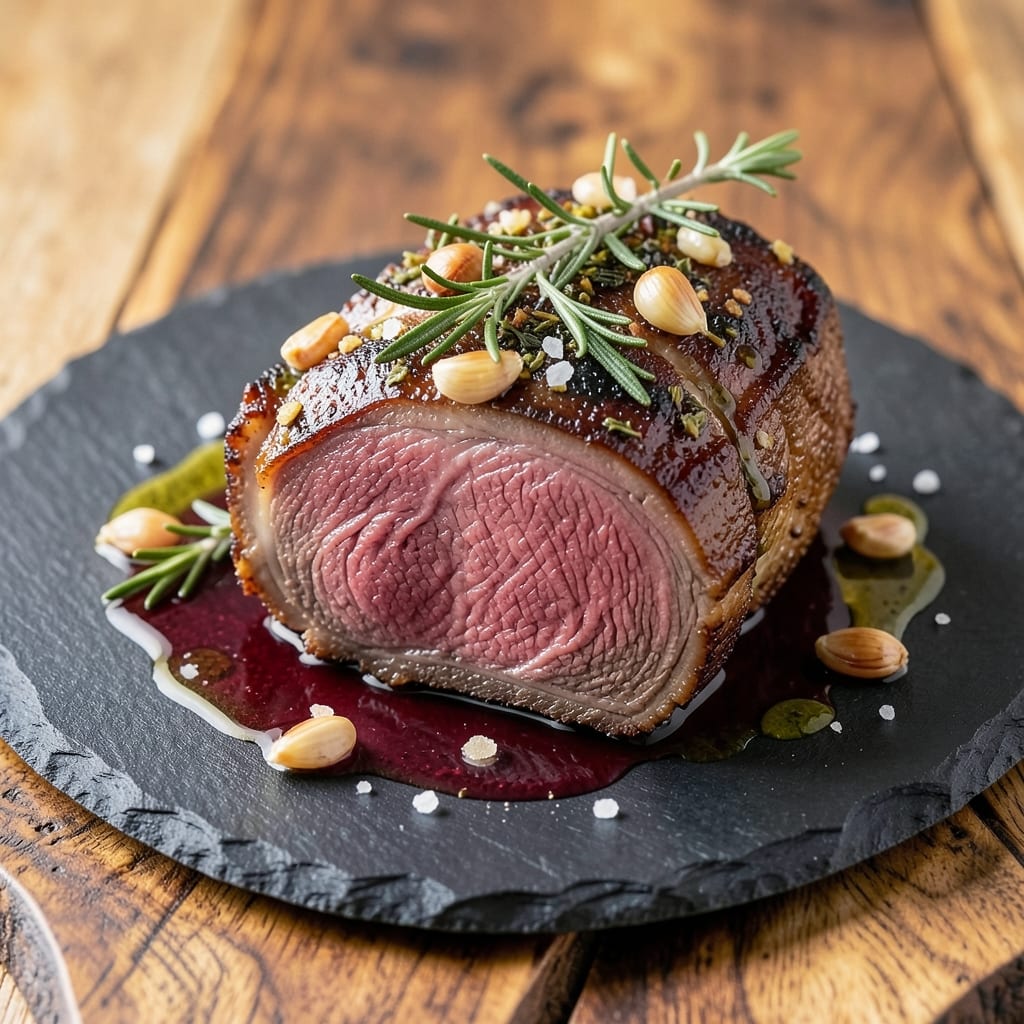
This angus beef round roast recipe delivers melt-in-your-mouth tenderness with a golden herb crust, perfect for special occasions or family dinners. The secret lies in slow-roasting to an ideal juicy pink core—never dry, never overcooked—while building deep flavor through a simple herb crust that seals in every bite. I've perfected this method after years of testing, ensuring restaurant-quality results at home with minimal fuss.
The process begins with a dry brine that enhances natural beef flavors, followed by a high-temperature sear to create that signature crust. Unlike quick-cooking methods, this recipe embraces patience—low-and-slow roasting transforms tough round meat into fork-tender perfection. Reverse searing is optional but recommended for even more control, guaranteeing a perfect 130°F internal temperature before finishing in a hot oven for that coveted crust.
What you'll achieve is a roast so tender it nearly falls apart, with a rich, aromatic crust that carries all the way through. The herb blend—rosemary, thyme, and garlic—adds layers of complexity without overpowering the beef's natural richness. This isn't just another roast; it's the kind of centerpiece that makes dinner feel like an event, with every slice offering that first-bite satisfaction.
Serve with classic sides like roasted root vegetables or creamy mashed potatoes to soak up every last drop of that flavorful pan juices. The leftovers reheat beautifully too, making this the ultimate make-ahead meal. Let's get started on creating your most impressive roast yet.
Ingredients for angus beef round roast
Six ingredients transform tough beef into melt-in-your-mouth perfection—herbs, patience, and perfect timing.
| Ingredient | Amount | Notes |
|---|---|---|
| Angus Beef Round Roast 🥩 | 4 lb | Center-cut for tenderness, bone-in preferred |
| Kosher Salt 🧂 | 2 tbsp | Diamond Crystal preferred for even distribution |
| Fresh Rosemary 🌿 | ½ cup | Finely chopped, stems removed |
| Fresh Thyme 🌿 | ¼ cup | Leaves only, stems discarded |
| Garlic Cloves 🧄 | 8 cloves | Smashed, not minced |
| Extra-Virgin Olive Oil 🫒 | ¼ cup | High-quality, fruity variety |
| Black Peppercorns 🌶️ | 1 ½ tbsp | Freshly cracked, coarse grind |
| Yellow Onion 🧅 | 1 whole | Sliced into 1/4-inch rounds |
| Unsalted Butter 🧈 | ½ cup | Cold, cubed for crust |
| Fresh Parsley 🌿 | ¼ cup | Chopped, for garnish |
| Beef Broth 💧 | 1 cup | Low-sodium, for basting |
| All-Purpose Flour 🌾 | 2 tbsp | For dusting roasting pan |
The beef is everything here. Angus round roast from a trusted butcher—look for center-cut with visible marbling—makes all the difference. I always order mine from Snake River Farms when possible, but local grocery stores with good meat counters carry quality options too. A 4-pound roast feeds six generously with leftovers. Let it sit at room temperature for 1 hour before roasting—this ensures even cooking. The herb crust isn't just decoration; it's what locks in that juicy pink perfection you're aiming for.
No fresh rosemary? Dried works at one-third the amount, but it won't have the same aroma. The garlic can be roasted whole with the onions for extra flavor—just squeeze them after roasting. Short on beef broth? Water plus 1 tbsp soy sauce gets you close. For the crust, butter is non-negotiable—it creates that golden seal. Want more depth? Add 1 tsp smoked paprika to the herb mix. The flour isn't for thickening—just dust the pan to prevent sticking. And trust me on the 130°F internal temp—it's the sweet spot for that perfect pink center.
This roast tastes even better the next day—3-4 days in the fridge, sealed tightly with leftover juices. For longer storage, freeze portions in airtight containers for up to 3 months. I always make a double batch because the leftovers reheat beautifully with a splash of beef broth. The crust gets crispier after reheating, so it's worth the extra effort. Garnish with fresh parsley right before serving—it adds that restaurant-quality finish that makes everyone think you slaved over this all day.
Why You'll Love This Recipe
- Two-Ingredient Magic: Honestly, this roast needs almost nothing—just salt, garlic, and herbs. The beef does all the heavy lifting, so you’re basically seasoning perfection rather than trying to fix it.
- Herb-Packed Umami Bomb: That rosemary-thyme crust? It’s like a flavor hug for your roast. The garlic cloves roasted right into the fat make every bite taste like a restaurant-worthy bite—no fancy sauce required.
- Sunday Dinner or Leftovers: Between us, this roast is so versatile it’ll save you on busy nights. Slice it thin for sandwiches the next day, or serve it as the centerpiece for a crowd. (Yes, even on a Tuesday night.)
- Budget Beef, Big Payoff: Angus round roast is lean but packed with flavor, so you’re getting restaurant-quality taste without the price tag. A single roast feeds a family and still leaves enough for lunches—no wasted money or food.
Step-by-step instructions for herb-crusted angus beef round roast
Transform your 4 lb Angus Beef Round Roast into a showstopper with this slow-roasted, herb-encrusted masterpiece—juicy pink core guaranteed.
👨🍳 Step 1: Prepare the Herb Crust and Season the Roast
In a food processor, pulse the 0.5 cup Fresh Rosemary, 0.25 cup Fresh Thyme, 8 cloves Garlic Cloves, 1.5 tbsp Black Peppercorns, and 2 tbsp All-Purpose Flour until finely ground but not pasty. With the motor running, slowly drizzle in the 0.25 cup Extra-Virgin Olive Oil to form a coarse paste—this is your flavor bomb. Transfer to a bowl and mix in 2 tbsp Kosher Salt. The texture should resemble wet sand, clinging together when pressed.
Pat the Angus Beef Round Roast dry with paper towels (this is non-negotiable for crispy crust). Rub the herb paste generously over all sides, pressing it into the meat so it adheres. Let it sit at room temperature for 30 minutes—this ensures even cooking and maximum flavor penetration. While it rests, preheat your oven to 325°F and position the rack in the lower third for even heat circulation.
🔥 Step 2: Sear the Roast for Deep Flavor
Heat a heavy Dutch oven or roasting pan over medium-high heat. Add 0.5 cup Unsalted Butter and let it melt, then swirl to coat the bottom evenly. Place the roast in the pan, fat-side down, and sear undisturbed for 5 minutes until a deep golden crust forms. Flip and sear the other side for another 5 minutes. This step builds layers of flavor—don’t rush it, and resist the urge to move the roast prematurely.
Remove the roast and set it aside. Add the 1 whole Yellow Onion, sliced into 1/4-inch rounds, to the pan and cook for 3 minutes until softened. Deglaze with 1 cup Beef Broth, scraping up all the browned bits from the bottom—this is where the magic happens. Pour the broth mixture into a small saucepan and simmer for 5 minutes to reduce slightly, then set aside.
🥘 Step 3: Slow-Roast to Juicy Perfection
Return the seared roast to the Dutch oven, fat-side up, and pour the reduced broth around it (not over it). Cover tightly with foil and transfer to the preheated oven. Roast for 2 hours, then check the internal temperature with a meat thermometer—it should read 130°F for a juicy pink center. If it’s not there yet, continue roasting in 15-minute increments, basting with pan juices every 30 minutes to keep it moist.
Here’s the thing—Angus beef round roast is forgiving, but patience is key. The goal is medium-rare at this stage; it’ll carry over to 135°F as it rests. If the crust starts to darken too quickly, tent loosely with additional foil to prevent over-browning. The roast is done when it yields slightly to gentle finger pressure and the juices run pink.
⏰ Step 4: Rest and Garnish for Maximum Impact
Remove the roast from the oven and transfer it to a cutting board. Tent loosely with foil and let it rest for 30 minutes—this is where the juices redistribute, ensuring every slice is moist and tender. Skim any excess fat from the pan juices and whisk in 0.25 cup Fresh Parsley for a pop of color and freshness. Strain the juices if desired, but leave some onion pieces for texture.
Slice the roast against the grain into 1/2-inch thick portions. The meat should be fork-tender with a pink center, surrounded by a fragrant herb crust. Serve immediately with the pan juices spooned over the top, garnished with extra Fresh Parsley. This isn’t just a roast—it’s a centerpiece that commands attention at any table.
Pro Tips For Making Angus Beef Round Roast
- SEAR HARD, THEN BACK OFF: Start your roast in a screaming-hot pan—no half-measures—until deep brown crust forms. Once it’s golden, transfer to a 275°F (135°C) oven immediately to cook through evenly, or you’ll end up with a tough exterior and a cold center. I learned this the hard way when my first attempt came out like shoe leather.
- SALT THE ROAST 24 HOURS EARLY: Skip the last-minute salting—Angus round roast needs time to absorb flavor. Sprinkle 1 teaspoon of kosher salt per pound a day ahead, then refrigerate uncovered. The salt breaks down the meat fibers, and the surface dries slightly, guaranteeing a better crust. (Yes, even if you’re impatient like me.)
- STUFF THE HERBS INSIDE: Don’t just tuck rosemary and thyme under the roast—slice a few garlic cloves in half, stuff them into the center of the roast with sprigs of both herbs, then tie it up with butcher’s twine. This ensures the aromatics infuse the meat from the inside out, not just the outside. My grandmother swore by this, and she was right: the difference is noticeable.
- USE A MEAT THERMOMETER: Guessing doneness with time or touch leads to disappointment—Angus round roast should hit 130°F (54°C) for medium-rare, 135°F (57°C) for medium. Pull it out 5°F (3°C) early, tent with foil, and let it rest 15 minutes. I was skeptical until I tried it: the internal temp is the only way to guarantee perfect results every time.
Wine and beer pairings for this angus beef round roast
Classic Red Wine
A bold Cabernet Sauvignon from Napa Valley is my go-to pairing—its dark fruit flavors and firm tannins complement the herb crust beautifully. Look for a 2018 or newer vintage with 14-15% ABV to stand up to the beef's richness. The acidity cuts through the fat, while the oak notes enhance the rosemary and thyme. 🍷
For a more affordable option, try a Malbec from Argentina—its velvety texture and blackberry undertones mirror the roast's depth. I love Catena Zapata or Trapiche brands for consistent quality without breaking the bank. Serve slightly chilled (about 65°F) to enhance the wine's structure against the warm beef.
Malbec or Syrah
If you prefer something with more spice, a Syrah from the Northern Rhône showcases peppery notes that pair wonderfully with the black peppercorns in the crust. Look for a Crozes-Hermitage or Saint-Joseph appellation—these wines offer complexity without overwhelming the dish. Their earthy undertones harmonize with the beef's natural flavors. 💜
For a lighter but equally delicious option, a Pinot Noir from Oregon's Willamette Valley brings bright red fruit and silky tannins. The Domaine Serene or Soter Vineyards labels are excellent choices. This wine's elegance makes it perfect for those who prefer a more refined pairing without sacrificing flavor.
Beer Pairings
A dark amber ale with caramel and toasted malt notes is ideal for balancing the beef's richness. Try a Belgian Dubbel like Westmalle Trappist 8 or a Barleywine—the deep malt sweetness contrasts beautifully with the herb crust. The alcohol content (around 8-10% ABV) helps cut through the fat, cleansing your palate between bites. 🍺
For a lighter option, a hoppy IPA with citrus notes can work surprisingly well. The hops' bitterness balances the beef's richness, while the citrus brightens the dish. I recommend a West Coast-style IPA like Stone Ruination or Sierra Nevada Pale Ale—just avoid overly hoppy or bitter beers that might clash with the herbs.
Non-Alcoholic Options
A sparkling grape juice like Martinelli's Sparkling Cranberry adds a festive touch without alcohol. The acidity and berry notes complement the roast's herbaceous crust. For a more sophisticated option, try a non-alcoholic red wine like Freixenet 0.0%—it mimics the structure of traditional reds while keeping the pairing clean and refreshing. 🥂
Herbal teas like hibiscus or rooibos with a splash of lemon provide a warm, aromatic contrast. The natural sweetness of rooibos balances the savory beef, while hibiscus adds a tart brightness. Serve slightly chilled for the best experience—this pairing is perfect for health-conscious guests or those avoiding alcohol.
Nutrition facts
Frequently asked questions
Why does this recipe specify a 130°F internal temperature instead of 145°F?
The 130°F target ensures a perfect juicy pink core that's still tender at the center, while the crust gets its final crisp during the 30-minute rest. Most recipes overcook round roast by aiming for 145°F, which can make it dry. This method guarantees restaurant-quality doneness without sacrificing moisture.
Can I substitute bone-in for boneless angus beef round?
Yes, but expect slightly different cooking times. Bone-in roasts cook faster due to the bone's heat conduction, so reduce your oven time by 15-20 minutes. Boneless versions require the full 2-2.5 hours at 325°F to reach the same tenderness. The flavor difference is minimal, but bone-in adds subtle richness to the pan juices.
What's the best way to reheat leftovers without drying them out?
Slice the roast into 1-inch portions and reheat in a skillet with 1 tbsp beef broth per slice over medium-low heat for 3-4 minutes. Alternatively, wrap slices in foil with a splash of broth and bake at 300°F for 10 minutes. Never microwave—it turns the meat rubbery. The herb crust actually gets better after reheating!
How do I know if my angus beef round is high-quality?
Look for bright red color, visible marbling (white fat flecks), and a firm but springy texture when pressed. The best cuts come from dry-aged beef with a USDA Prime or Choice grade. Ask your butcher for center-cut sections—these have less connective tissue and cook more evenly. Never buy pre-cut roasts from the grocery store freezer section.
Can I make this roast ahead of time?
Cook the roast as directed, then cool completely and refrigerate in an airtight container for up to 4 days. The flavors actually deepen overnight. Reheat slices as described above. For parties, you can even par-cook it to 120°F, refrigerate, then finish to 130°F before serving—this ensures perfect timing.