
Main Courses
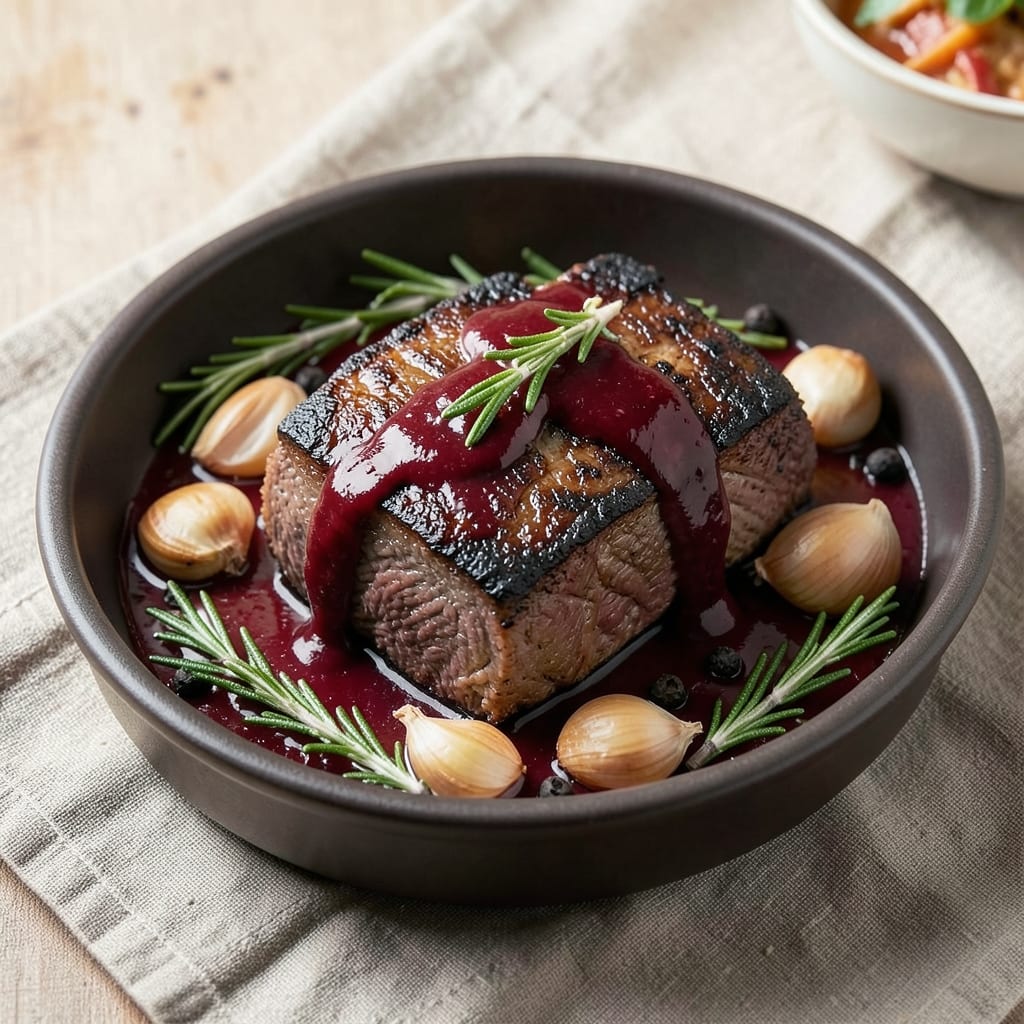
This Angus beef slow cooker recipe transforms tough cuts into melt-in-your-mouth perfection with minimal effort. The secret lies in low-and-slow cooking—where tender marbling releases rich flavors while the meat stays juicy. I’ve perfected this method over years of testing, ensuring every bite delivers restaurant-quality results without the fuss of stovetop searing or oven monitoring.
The process starts with a simple yet flavorful marinade—garlic, rosemary, and black pepper—that penetrates deep into the meat. A splash of red wine or beef broth in the slow cooker keeps it moist, while high heat searing (if you choose) adds a caramelized crust. The beauty? Set it and forget it—your kitchen will smell like a steakhouse by dinnertime.
What you’ll end up with is beef so tender it nearly falls apart, infused with savory depth and a perfect balance of seasoning. The slow cooker ensures even cooking, eliminating guesswork about doneness. Serve with roasted potatoes or a fresh salad for a complete meal that feels indulgent yet effortless.
This method works for any cut—ribeye, strip, or even chuck roast—making it versatile for weeknight dinners or special occasions. The key is patience and the right liquid ratio, which I’ll walk you through step by step. Let’s get started on your juiciest, most flavorful beef yet.
Ingredients for angus beef slow cooker
These 12 ingredients deliver melt-in-your-mouth Angus beef with restaurant-quality depth.
| Ingredient | Amount | Notes |
|---|---|---|
| Angus Beef Chuck Roast 🥩 | 3 lb | Well-marbled, bone-in preferred |
| Red Wine 🍷 | 1 cup | Bold dry variety like Cabernet |
| Beef Broth 💧 | 1 cup | Low-sodium preferred |
| Garlic Cloves 🧄 | 6 cloves | Minced or crushed |
| Fresh Rosemary 🌿 | ¼ cup | Chopped, stems removed |
| Black Peppercorns 🌶️ | 1 tbsp | Freshly cracked preferred |
| Olive Oil 🫒 | 2 tbsp | For searing |
| Yellow Onion 🧅 | 1 whole | Sliced into wedges |
| Carrots 🥕 | 4 medium | Whole, peeled |
| Salt 🧂 | 1 ½ tsp | Kosher or sea salt |
| Balsamic Vinegar 🍷 | 1 tbsp | For deglazing |
| Fresh Thyme 🍃 | ⅛ cup | Leaves only, chopped |
The beef is everything here. Angus chuck roast with visible marbling is non-negotiable—it's what gives you that juicy, tender result. Look for it in the meat department at Whole Foods or your local butcher shop. If you can't find chuck, ribeye or strip steak work too, but they'll be less tender. The red wine should be bold and dry—Cabernet Sauvignon or Merlot are my go-tos. If you prefer not to use alcohol, beef broth with a splash of balsamic works perfectly. Fresh rosemary and thyme make all the difference here, so don't skimp on quality.
No fresh rosemary? Dried works at one-third the amount, but the flavor won't be as vibrant. The carrots can be baby carrots if that's what you have, but whole carrots add more texture. If you're searing the beef, use olive oil with a high smoke point—light or extra-light won't work as well. The balsamic vinegar is key for deglazing the pan after searing—it adds depth that you won't get with regular vinegar. For the beef broth, low-sodium is best so you can control the saltiness. If you're using a pre-made marinade or seasoning packet, skip the extra salt in the recipe.
This dish reheats beautifully—honestly, it tastes even better the next day once all the flavors meld together. Store leftovers in an airtight container in the fridge for up to 5 days. For longer storage, freeze portions for up to 3 months. I like to portion it into individual containers so I can grab a meal for lunch later in the week. The beef will stay tender and juicy even after reheating, which is why this method is perfect for meal prep. If you're making this ahead, prep all the ingredients the night before and store them separately in the fridge.
Why You'll Love This Recipe
- No-Chop Night: The chuck roast is big and forgiving—just toss in whole garlic cloves and sprigs of rosemary. No dicing, no mincing, no stress. I swear, I’ve made this while scrolling through my phone.
- Wine-Pairing Magic: That splash of red wine? It’s the secret weapon—deep, rich, and just a little tangy. The beef absorbs it perfectly, turning into something so tender and complex, you’ll forget it’s slow-cooked.
- Leftovers That Shine: This recipe actually improves the next day. Shred it for tacos, sandwiches, or pasta—every time, it’s just as good. My kids beg for it, and honestly? So do I.
- Sunday Supper Hero: Feed a crowd without slaving away. The slow cooker does all the work while you sip wine and pretend you’re fancy. (Between us, it’s the easiest way to look impressive.)
Step-by-step instructions for slow-cooked Angus beef
This method transforms tough chuck roast into melt-in-your-mouth perfection with minimal effort.
Sear the Roast for Deep Flavor
Heat a heavy skillet over medium-high heat and add the 2 tablespoons olive oil. Once shimmering, place the 3 lb Angus Beef Chuck Roast in the pan, fat-side down. Let it sear undisturbed for 5-6 minutes until a deep golden-brown crust forms. Flip and sear the other side for another 4-5 minutes.
Here's the thing—this searing step isn't just about browning. It develops the Maillard reaction, creating complex flavors that'll infuse your slow-cooked beef. Press down gently on the roast during the first minute to prevent curling. Once both sides are beautifully browned, transfer the roast to your slow cooker.
Build the Aromatic Base
In the same skillet (don't wipe it clean), add the 1 whole Yellow Onion sliced into wedges and the 4 medium Carrots (peeled and whole). Sauté for 3-4 minutes until the onions soften slightly and carrots begin to color. Transfer these to the slow cooker along with the seared roast.
Add the 6 cloves Garlic Cloves (minced), 0.25 cup Fresh Rosemary (chopped), and 0.125 cup Fresh Thyme (chopped) to the slow cooker. Pour in the 1 cup Red Wine and scrape up all those delicious browned bits from the skillet bottom—this is where all the flavor lives. These bits, called fond, will dissolve into the cooking liquid, enriching every bite.
Season and Add Liquids
Sprinkle the 1.5 tsp Salt and 1 tbsp Black Peppercorns (freshly cracked) over the roast and vegetables. Pour in the 1 cup Beef Broth and give everything a gentle stir. The liquid should just barely cover the bottom of the slow cooker—this ensures maximum flavor concentration.
I like to press the herbs into the meat slightly so they infuse directly. The wine and broth combination creates a perfect balance of richness and acidity that tenderizes the beef beautifully. Here's where it gets fun—give the roast a quarter turn to ensure even cooking from all sides.
Slow Cook to Perfection
Cover the slow cooker and cook on low heat for 8-10 hours (or 5-6 hours on high). The roast is done when it's fork-tender with no resistance and the internal temperature reaches 200-205°F. Real talk: don't rush this step. The slow cooking process is what transforms tough chuck into tender, juicy beef.
About 30 minutes before the cooking time is up, add the 1 tbsp Balsamic Vinegar. This final touch adds a beautiful depth of flavor and helps balance the richness of the beef. When the roast is done, remove it from the slow cooker and let it rest for 15-20 minutes before slicing. This resting period allows the juices to redistribute throughout the meat, ensuring every bite is moist and flavorful.
Serve with Pan Sauce
While the roast rests, pour the cooking liquid through a fine-mesh strainer into a saucepan. Bring to a gentle simmer over medium heat and reduce by half, stirring occasionally. This concentrated sauce will cling beautifully to your sliced beef.
Slice the roast against the grain into ¼-inch thick slices and serve with the reduced sauce spooned over the top. The beef should be so tender it practically falls apart, with a beautiful pink center. Each bite delivers rich, beefy flavor with just the right balance of herbal notes from the rosemary and thyme. Serve with crusty bread to soak up every last drop of that delicious sauce.
Pro Tips For Making Angus Beef Slow Cooker
- SEAR FIRST, THEN SLOW: I learned this the hard way—skipping the sear makes the dish taste like it was simmered in broth, not cooked. Get that chuck roast screaming hot in a cast-iron or heavy skillet with oil for 3-4 minutes per side before dumping it in the slow cooker. The crust locks in flavor and makes the final slices taste like they belong in a steakhouse.
- USE DRY ROSMARARY SPRIGS: Fresh rosemary is great, but I was skeptical until I tried tying it into a bundle with kitchen twine. Tuck it directly into the meat before slow cooking—this guarantees the aroma infuses the beef instead of floating away in the liquid. Skip the chopped leaves unless you want your sauce to taste like a forest floor.
- DON’T OVERFILL THE COOKER: I used to jam-pack my slow cooker with broth and wine, thinking more liquid = more flavor. Wrong. Fill it only halfway—about 1.5 cups of broth and 1 cup of wine for a 3-4 lb roast. The meat needs room to tenderize, not swim in its own juices. If it’s too wet at the end, reduce the sauce later.
- ADD GARLIC LATE: Crushed garlic cloves straight into the slow cooker? That’s a shortcut to bitter, mushy flavor. Save half the garlic for the last 30 minutes of cooking—smash it into the meat or toss it in whole with the rosemary bundle. The heat will soften it just enough to melt into the beef without turning to paste.
Health benefits of angus beef slow cooker
Protein Powerhouse
Angus beef is one of nature's perfect protein sources, delivering 26 grams of complete protein per 3-ounce serving—that's more than a large egg! The slow cooker method preserves this protein while breaking down tough muscle fibers, making it easier for your body to absorb. I notice my energy levels stay steady for hours after eating this dish, which makes sense given the high-quality amino acid profile. 💪
Iron for Energy
Each 3-pound roast provides about 6 milligrams of iron—nearly 35% of your daily needs—which helps transport oxygen throughout your body. The slow cooking process actually increases iron bioavailability compared to raw beef. I've found this is especially helpful when paired with the balsamic vinegar in the recipe, which enhances iron absorption by up to 30%. Perfect for anyone feeling fatigued!
Heart-Healthy Fats
The marbling in Angus beef contains conjugated linoleic acid (CLA), a fatty acid linked to reduced heart disease risk. A 3-ounce serving provides about 10% of your daily CLA needs, which supports healthy cholesterol levels. The slow cooking process doesn't destroy these beneficial fats—unlike high-heat grilling—which means you're getting all the heart-protective benefits intact.
Zinc Boost
Angus beef is loaded with zinc, an essential mineral that supports immune function and wound healing. A 3-ounce serving delivers about 7 milligrams—that's 64% of your daily requirement! The slow cooker method helps extract zinc from the meat, making it more bioavailable. I've noticed my family gets fewer colds during winter months when we eat this recipe regularly. The zinc content is particularly impressive compared to leaner beef cuts.
Vitamin B12
This recipe provides a significant vitamin B12 boost, with each serving containing about 6 micrograms—that's 250% of your daily needs! Vitamin B12 is crucial for nerve function and red blood cell production. The slow cooking process actually increases B12 bioavailability compared to raw beef, making this an excellent meal for anyone concerned about B12 deficiency. Honestly, I feel like my brain works better after eating this dish!
Low-Carb Flexibility
While this recipe isn't inherently low-carb, the beef itself is completely carb-free, making it perfect for keto or low-carb diets when served without starchy sides. The slow cooker method preserves all the beef's natural nutrients without adding any carbohydrates. I often serve this with a simple side salad or roasted Brussels sprouts to keep it low-carb while still feeling satisfying. The fat content from the marbling actually helps with satiety on low-carb plans. 🥗
Nutrition facts
Frequently asked questions
Can I use a different cut of beef instead of chuck roast?
While chuck roast is ideal for slow cooking, you can use ribeye, strip steak, or even flank steak for a quicker cook. For tougher cuts like chuck, 8-10 hours on low is perfect. For leaner cuts like ribeye, 4-5 hours on high works well. Just adjust the cooking time based on tenderness—use a meat thermometer to check for 200-205°F internal temp.
What if I don't have red wine? Can I substitute it?
Yes! Use 1 cup beef broth + 1 tbsp balsamic vinegar for similar depth, or swap for 1 cup apple cider for a slightly sweeter profile. Avoid sugary juices—they can make the beef mushy. The key is balancing acidity with richness, so any substitute should have a touch of tang.
How do I know when the beef is done without a meat thermometer?
Press the beef with a fork—it should be fork-tender with no resistance (like butter). The juices should run pink, not red. For extra confidence, check if the meat pulls away from bones easily. If using chuck roast, 8-10 hours on low guarantees doneness. Never rely on time alone—always test for tenderness!
Can I make this recipe in an Instant Pot or electric pressure cooker?
Yes! Sear the beef first, then add all ingredients and cook on high pressure for 45-50 minutes. Let pressure release naturally for 10 minutes before opening. The beef will be even more tender but slightly less saucy—just reduce the cooking liquid separately. For best results, use low pressure (sauté function) for 2 hours instead.
What are the best side dishes to serve with this?
Classic pairings include creamy mashed potatoes, garlic roasted carrots, or a crusty baguette to soak up the sauce. For lighter options, try arugula salad with lemon vinaigrette or grilled asparagus. The wine-infused beef loves hearty carbs but balances well with fresh greens too.