
Main Courses
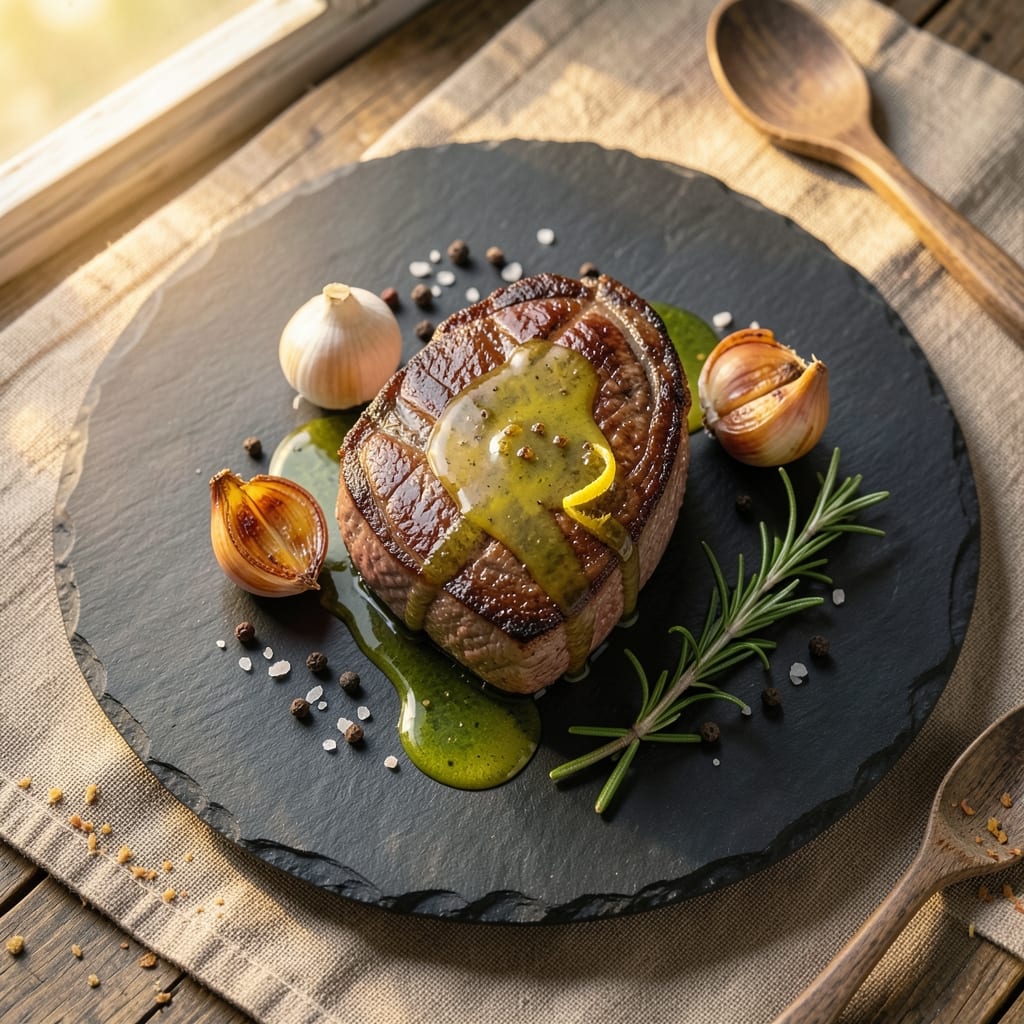
This Angus beef tenderloin steak recipe delivers melt-in-your-mouth tenderness with a golden, buttery crust—perfect for special occasions or weekend indulgences. The secret lies in precise seasoning and cooking techniques that preserve the steak's natural richness while creating a luxurious exterior. After years of perfecting this method, I can confidently say this is the closest you'll get to steakhouse quality at home.
What sets this recipe apart is the focus on achieving that perfect pink center—juicy, tender, and never dry. A simple yet effective seasoning blend of coarse salt and freshly cracked black pepper enhances the beef's natural flavors without overpowering them. The key technique involves searing the steak in a screaming-hot cast-iron skillet before finishing it in the oven for even cooking.
The result is a steak that's tender enough to cut with a fork yet firm enough to hold its shape, all while maintaining that coveted pink center. The buttery crust adds a luxurious texture that makes every bite feel like a restaurant experience. This method ensures consistent results, so you can impress guests or treat yourself without second-guessing.
Pair with roasted garlic mashed potatoes and a simple arugula salad for a complete meal that's both elegant and satisfying. The recipe includes all the details you need for success, from proper resting times to ideal internal temperatures. Let's get started on creating this showstopping centerpiece.
Ingredients for angus beef tenderloin steak
Premium cuts and precise techniques transform simple ingredients into steakhouse-worthy luxury.
| Ingredient | Amount | Notes |
|---|---|---|
| Angus Beef Tenderloin 🥩 | 2 lb | Center-cut, 1.5-inch thick slices |
| Unsalted Butter 🧈 | ¾ cup | Cold, cut into 1-inch cubes |
| Coarse Kosher Salt 🧂 | 1 ½ tbsp | Diamond Crystal preferred |
| Freshly Ground Black Pepper 🌶️ | 1 ½ tsp | Cracked from whole peppercorns |
| Garlic Cloves 🧄 | 4 cloves | Minced, for crust enhancement |
| Extra-Virgin Olive Oil 🫒 | 2 tbsp | High smoke point preferred |
| Fresh Thyme Leaves 🌿 | ¼ cup | Chopped, for aromatic depth |
| All-Purpose Flour 🌾 | ½ cup | For dusting, light coating |
| Vegetable Oil 🫒 | ¼ cup | For skillet preheating |
| Fresh Rosemary 🌿 | 2 sprigs | For garnish, whole leaves |
| Fresh Parsley 🌿 | ¼ cup | Chopped, for garnish |
The Angus beef tenderloin is non-negotiable for this recipe—look for center-cut sections with visible marbling at premium butchers like D'Artagnan or high-end grocery departments. Whole Foods and Costco carry excellent quality, but avoid pre-cut portions that may have lost moisture. The steak should feel firm yet slightly springy to the touch, with a vibrant cherry-red hue—never grayish or dull. For optimal results, order it the day before to allow the meat to relax slightly, enhancing tenderness. The 1.5-inch thickness ensures perfect doneness throughout without overcooking the exterior.
Substitutions require careful consideration to maintain texture and flavor integrity. No Angus? Ribeye or strip steak work as second choices, but increase cooking time by 1-2 minutes per side due to denser muscle fibers. The butter crust is critical—vegetable shortening can replace butter in a pinch, though it lacks richness. For the garlic, garlic powder at half the amount suffices, but fresh minced delivers superior aroma. Fresh herbs can be swapped for dried equivalents at one-third the quantity, though thyme is harder to replicate. The olive oil should have a peppery finish—avoid mild varieties that won't contribute to the crust's complexity. If flour isn't available, a light dusting of cornstarch creates a similar sear.
Proper storage ensures peak performance. Angus beef tenderloin should be kept vacuum-sealed or butcher-paper wrapped in the coldest part of your fridge (35-38°F) for up to 5 days. For longer storage, freeze in portions for up to 6 months—thaw overnight in the fridge before cooking. Fresh herbs should be wrapped in damp paper towels and stored in resealable bags for 3-4 days. The butter cubes remain stable at room temperature for 1 week when stored in an airtight container. Prep the steak 1 hour ahead—pat it dry and season generously, then refrigerate uncovered for 30 minutes to develop a flavorful crust before cooking. Leftovers, if any, reheat gently in a skillet over medium-low heat for 2-3 minutes per side to preserve moisture.
Why You'll Love This Recipe
- Two-Ingredient Magic: I swear by this—just butter and salt, but good butter and real salt. That’s all it takes to turn a simple sear into something restaurant-worthy. Honestly, the secret’s in letting the tenderloin rest after cooking, so the juices don’t run wild when you slice.
- Crispy-Garlic Crust: The moment the garlic cloves hit the hot pan? Pure satisfaction. They caramelize into little golden nuggets that stick to the steak like edible confetti. Between us, that’s the part my kids fight over—no fancy sauce needed.
- Weeknight Wonder: I’ve made this on Tuesdays when I’m exhausted, for date nights when I want to impress, and even for my mom’s birthday (she still thinks I’m a chef). The beauty? It’s done in 20 minutes, and the leftovers reheat like a dream—just a quick sizzle in the pan.
- Leftovers That Don’t Suck: Most steak leftovers turn into sad, dry rubber. Not this. Slice it thin, toss with a little butter and pepper, and it’s just as good the next day. I’ll be real: I’ve eaten it cold in a sandwich, and it still won. Budget-friendly? Absolutely. Versatile? Even more so.
Step-by-step instructions for buttery-crusted Angus beef tenderloin
Master this technique and you'll achieve a steak with perfect pink centers and a golden, buttery crust every time.
Prepare the Steak for Maximum Flavor and Texture
Remove the 2 lb Angus Beef Tenderloin from the refrigerator and let it sit at room temperature for 30 minutes before cooking. This ensures even cooking throughout the thick cut. Pat the steak dry completely with paper towels—moisture is the enemy of a good sear.
In a small bowl, combine the 1.5 tbsp Coarse Kosher Salt and 1.5 tsp Freshly Ground Black Pepper. Generously season all sides of the steak with this mixture, pressing the salt and pepper into the meat so it adheres well. This step is crucial for both flavor and creating a flavorful crust during cooking.
Create the Buttery Garlic-Thyme Crust
In a separate small bowl, mix the 0.25 cup Fresh Thyme Leaves with the 4 cloves minced Garlic Cloves. This aromatic blend will infuse the butter with incredible depth of flavor. Cut the 0.75 cup Unsalted Butter into 1-inch cubes and chill until ready to use.
Lightly dust the steak on all sides with the 0.5 cup All-Purpose Flour, shaking off any excess. This creates a light, crisp crust that helps hold the butter mixture during cooking. Place the floured steak on a wire rack set over a baking sheet to allow air circulation on all sides.
Sear the Steak to Develop Crust and Flavor
Heat a heavy skillet over medium-high heat until very hot. Add 2 tbsp Extra-Virgin Olive Oil and swirl to coat the pan evenly. Place the steak in the skillet and cook for 2 minutes per side until a deep golden-brown crust forms. Press down gently on the steak during the first minute to prevent curling.
Remove the steak from the skillet and reduce the heat to medium. Add the chilled butter cubes to the skillet and let them melt completely, about 1 minute. Immediately pour the melted butter mixture evenly over the steak, coating all sides thoroughly. This creates that signature buttery crust while keeping the interior perfectly pink.
Finish Cooking for Perfect Doneness
Return the steak to the skillet and cook for an additional 1-2 minutes per side until the internal temperature reaches 125°F for medium-rare (use a meat thermometer for accuracy). The steak should feel firm but still yield slightly to gentle pressure. Remove the steak from the skillet and let it rest for 10 minutes before slicing.
During the resting time, garnish the steak with the 2 sprigs Fresh Rosemary and 0.25 cup chopped Fresh Parsley. This not only adds visual appeal but also enhances the aromatic experience. The resting period is crucial—it allows the juices to redistribute throughout the meat, ensuring each slice remains succulent and flavorful.
Slice and Serve with Confidence
Using a sharp carving knife, slice the steak against the grain into ½-inch thick slices. The buttery crust should be intact and glistening, while the interior should remain beautifully pink in the center. Serve immediately with your choice of sides to fully appreciate this luxurious cut of beef.
This method guarantees a tender, buttery crust with a perfect pink center every time. The key lies in proper preparation, precise temperature control, and allowing the steak to rest before serving. Each bite should deliver rich beef flavor, buttery richness, and aromatic herbs in perfect harmony.
Pro Tips For Making Angus Beef Tenderloin Steak
- Sear First, Roast Slow: Hit the tenderloin with a screaming-hot pan—no butter yet—until it’s deep brown all over. Then finish in the oven at 275°F (135°C) until your thermometer reads 125°F (52°C) for medium-rare. I used to rush the sear, and the steak just ended up gray inside. ---
- Salt the Butter Hard: Mix your unsalted butter with garlic, salt, and pepper before it hits the pan—about 1 tablespoon per side. The butter clings better, and the crust gets that perfect balance of richness and seasoning. I learned this after slathering butter on after searing and watching it slide off like a guilty secret. ---
- Skip the Overcrowding: Only cook one steak at a time in the pan, or your butter will turn into a sad, greasy pool instead of a flavorful crust. If you’re feeding a crowd, sear them one after another and finish in the oven. I’ve burned more batches than I’ll admit trying to multitask. ---
- Rest Under Foil: After pulling the steak from the oven, tent it loosely with foil and let it rest for 5–10 minutes. This keeps it juicy—cutting into it too soon is like stabbing a balloon full of juice. My grandmother swore by this, and she was right: the meat stays tender, not tough.
Troubleshooting this recipe
Uneven Cooking
If your steak shows dark brown or blackened spots while cooking, it's likely due to uneven heat distribution in your skillet. Use a heavy cast-iron skillet like Lodge to ensure even heat. Preheat the skillet for 5-10 minutes on medium-high heat before adding oil. If you're using induction, place the skillet on the outer ring for more even heat. 🔥
For thicker cuts, rotate the steak 45 degrees after the first 2 minutes of searing to create crosshatch marks that help distribute heat evenly. Avoid moving the steak too soon—wait until you see a deep golden crust form before flipping.
Dry or Tough Texture
Overcooking is the #1 cause of dry steak. Always use a meat thermometer—remove the steak at 125°F for medium-rare. If your steak feels firm and dry after resting, it was likely cooked too long. For future attempts, reduce cooking time by 30 seconds per side and check temperature more frequently. 🌡️
To salvage an overcooked steak, slice it thinly against the grain and serve with extra butter or a rich pan sauce to compensate for moisture loss. The buttery crust technique helps retain juices, but even the best methods can't fully prevent dryness if the internal temperature exceeds 135°F.
Butter Won't Stick
The butter crust relies on proper timing and temperature. If your butter slides off instead of sticking, your skillet wasn't hot enough. Heat the skillet until a drop of water sizzles violently before adding oil. For extra insurance, pat the steak completely dry with paper towels after flouring—any moisture will prevent the butter from adhering. 🧈
Another trick: Chill the butter cubes for 15 minutes before using. Cold butter creates a better seal when melted over the hot steak. If the butter still won't stick, try reducing the flour coating slightly—too much can create a barrier between the meat and butter.
Steak Curling
If your steak curls at the edges during searing, it's likely too thin or not pressed down firmly during cooking. For 1.5-inch thick cuts, press gently with a spatula or meat mallet during the first 30 seconds of searing to flatten the surface. This prevents curling and ensures even cooking. 🥩
For thinner cuts (under 1 inch), skip the pressing step but reduce heat slightly to medium to prevent rapid curling. If curling happens, simply flip more frequently (every 45 seconds) to maintain an even shape while cooking.
Temperature Guesswork
Without a meat thermometer, it's nearly impossible to achieve perfect doneness. Invest in a quality thermometer—I recommend the ThermoWorks Smoke for its accuracy and durability. Insert the probe into the thickest part of the steak, avoiding fat or bone. For medium-rare, aim for 125-130°F internal temperature. 🌡️
If you don't have a thermometer, use the finger test: Press your finger on the steak—firm pressure indicates medium-rare (about 130°F). However, this method is 20% less accurate than a thermometer, so I don't recommend it for special occasions.
Nutrition facts
Frequently asked questions
What's the best thickness for Angus beef tenderloin steaks?
The ideal thickness is 1.5 inches for perfect doneness throughout. This size allows for a beautiful crust while keeping the center tender. If using thinner cuts (1 inch), reduce cooking time by 30-45 seconds per side to prevent overcooking. Thicker cuts (>2 inches) may need 1-2 extra minutes per side for even cooking.
Can I cook this recipe without a meat thermometer?
While challenging, you can estimate doneness using the finger test: Press your finger on the steak—firm pressure indicates medium-rare (~130°F). However, a thermometer is 20% more accurate—remove at 125°F for perfect pink centers. For special occasions, I recommend investing in a quality thermometer like ThermoWorks Smoke.
How do I prevent the butter from burning?
Keep the butter chilled until ready to use and melt it in a medium-heat skillet (not high). Pour immediately over the seared steak—this creates a protective layer that prevents burning. For extra insurance, use European-style butter (higher fat content) which has a higher smoke point. Never let the butter sit in the pan longer than 1 minute.
What sides pair best with this steak?
This luxurious steak pairs beautifully with roasted garlic mashed potatoes, creamy polenta, or grilled asparagus. For a complete meal, add a simple arugula salad**> with lemon vinaigrette. The buttery richness of the steak contrasts perfectly with earthy, starchy sides while bright vegetables cut through the richness.
Can I make this ahead of time?
Prep the steak 1 hour ahead—pat it dry, season generously, and refrigerate uncovered for 30 minutes to develop flavor. Cook fresh on the day of serving for best results. For make-ahead convenience, marinate the steak in olive oil, salt, and pepper for 4-6 hours before cooking, but skip the flour coating until ready to sear.