
Soups & Stews
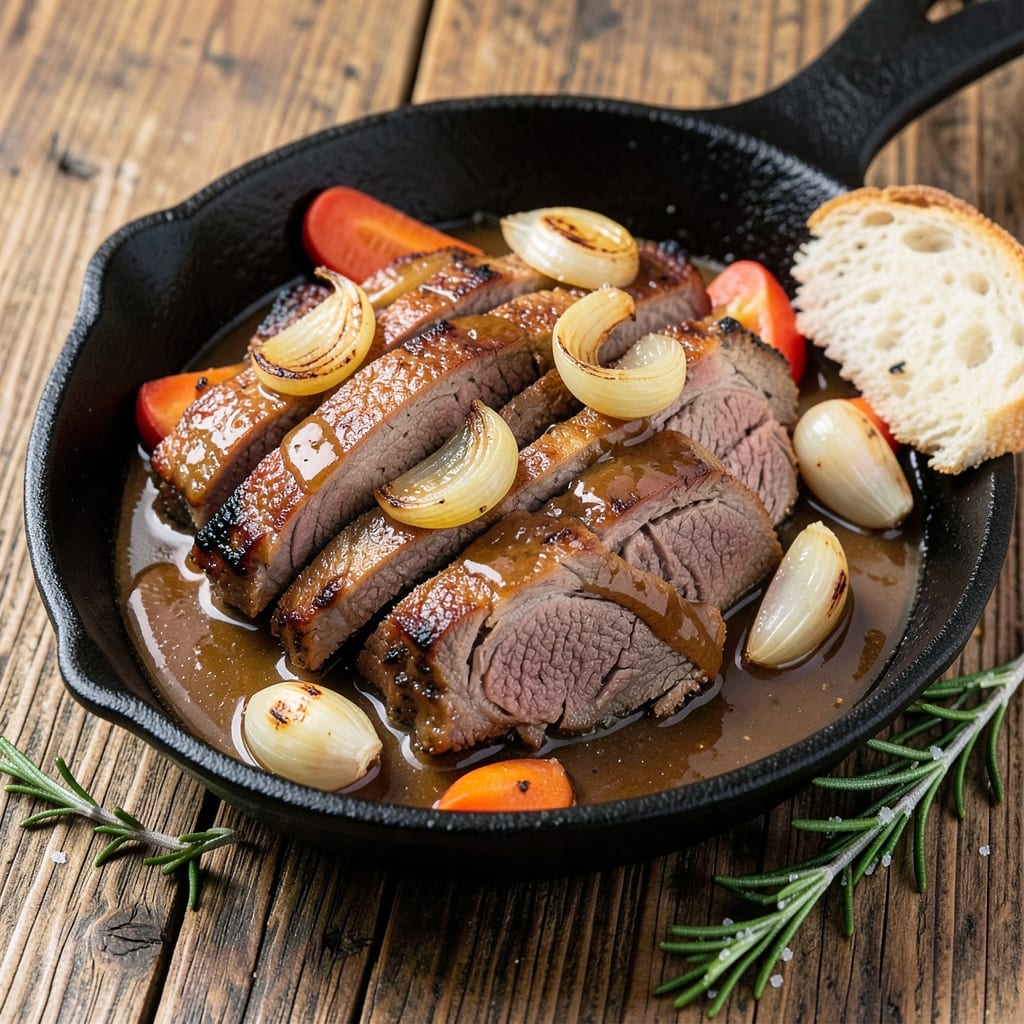
This apple cider beef brisket recipe transforms tough cuts into melt-in-your-mouth tenderness with just a few hours of slow cooking. The secret? Apple cider—its natural sweetness and acidity tenderize the meat while infusing every bite with caramelized depth. I perfected this method after years of trial and error, and it’s now my go-to for Sunday dinners that taste like a restaurant-worthy centerpiece.
The process is straightforward but requires patience: a simple spice rub, a long simmer in apple cider, and a final crisping in the oven. No fancy equipment needed—just a Dutch oven and time. The result? Rich, fall-off-the-bone beef with a glossy, caramelized surface that’s impossible to resist. The apple cider’s subtle sweetness balances the savory spices, creating a harmony that’s both comforting and impressive.
Pair this brisket with roasted potatoes or crusty bread to soak up every last drop of that flavorful braising liquid. The dish reheats beautifully, making it perfect for meal prep or hosting. Whether you’re feeding a crowd or treating yourself to a special meal, this recipe delivers restaurant-quality results with minimal effort.
Ready in just 4-6 hours, this brisket is ideal for weekend cooking—just prep in the morning and let the slow cooker do the work. The aroma alone will have everyone gathering at the table. Here’s how to make it perfectly every time.
Ingredients for apple cider beef brisket
Six ingredients make this brisket unforgettable—apple cider is the magic touch.
| Ingredient | Amount | Notes |
|---|---|---|
| Beef Brisket 🥩 | 4 lb | Flat cut preferred, trimmed of fat |
| Apple Cider 🍎 | 4 cups | Unfiltered, preferably organic |
| Yellow Onion 🧅 | 1 whole | Chopped into large chunks |
| Carrots 🥕 | 4 whole | Whole, unpeeled for color |
| Garlic Cloves 🧄 | 6 cloves | Smashed but not minced |
| Beef Broth 💧 | 2 cups | Low-sodium preferred |
| Brown Sugar 🍚 | ½ cup | Light or dark variety |
| Dried Thyme 🌿 | 1 tbsp | Or 1 tbsp fresh, chopped |
| Ground Black Pepper 🌶️ | 1 tbsp | Freshly cracked preferred |
| Salt 🧂 | 1 ½ tsp | Kosher or sea salt |
| Olive Oil 🫒 | 2 tbsp | For searing |
| Apple Cider Vinegar 🍎 | 1 tbsp | For balance of flavors |
| Fresh Rosemary 🌿 | ¼ cup | Chopped, stems removed |
The brisket is the star, so don’t skimp. Flat cut is ideal—it’s leaner and more tender than the point cut. I always grab mine from Costco or Whole Foods when they have it on sale, but any butcher will trim it for you. Look for good marbling—those little fat streaks are what melt into flavor during cooking. If you’re buying a whole packer, trim off any thick fat caps; you want about a quarter-inch layer. The apple cider? Unfiltered and organic if you can find it—those little bits of sediment add depth. Mott’s is decent if you’re in a pinch, but I’d rather splurge on a local cider maker’s batch when possible.
No apple cider vinegar? Substitute with extra lemon juice—about 2 tablespoons—but it won’t be exactly the same. Running low on thyme? Oregano works at the same amount, though it’s a little more robust. The carrots and onions are just flavor anchors—baby carrots or frozen veggies work if you’re short on time. For the brown sugar, coconut sugar or even maple syrup will give you a similar caramelized finish. And if you’re feeling fancy, add a splash of bourbon or brandy (about 2 tablespoons) for a smoky depth. The rosemary is optional but adds a bright, herbal note that cuts through the richness.
This brisket tastes even better the next day—4-5 days in the fridge, honestly. The braising liquid thickens into a glorious sauce, so I always make extra. Store it in a sealed container with a splash of cider to keep it moist. For leftovers, reheat in the oven at 325°F until warmed through—never microwave, or you’ll turn it into shoe leather. The sauce freezes beautifully too, so portion it out for quick weeknight dinners. And if you’re prepping for a crowd, double the recipe—it’s worth the effort.
Why You'll Love This Recipe
- One-Pan Magic: The brisket, onions, and carrots all go in the same pot—no chopping boards, no extra pans. Just dump, simmer, and let the apple cider work its magic while you sip your coffee.
- Sweet-Savory Balance: That first sip of apple cider-infused sauce with every bite? It’s like fall in a bowl—tender brisket, caramelized onions, and just enough garlic to make your kitchen smell like a cozy diner.
- Leftovers That Shine: This isn’t one of those meals where leftovers taste sad. The brisket gets even more flavorful the next day, and I’ve reheated slices straight from the fridge for sandwiches that fool everyone into thinking they’re fresh.
- Budget-Friendly Feast: A whole brisket feeds a crowd for less than takeout, and the apple cider adds that restaurant-worthy touch without breaking the bank. Honestly, it’s the kind of meal that makes grocery day feel like a win.
Step-by-step instructions for apple cider beef brisket
Here's how to transform tough brisket into tender, sweet-savory perfection with minimal effort.
Sear the Brisket to Lock in Flavors
Heat a large Dutch oven over medium-high heat. Add the 2 tablespoons olive oil and let it get shimmering hot. Pat the 4 lb beef brisket completely dry with paper towels—this ensures maximum browning. Place the brisket fat-side down in the pan and sear undisturbed for 8-10 minutes until deeply golden brown.
Flip the brisket and sear the other side for another 8-10 minutes. You'll know it's ready when the surface is rich mahogany and the fat begins to render. Remove the brisket and set it aside on a plate. The goal here is to develop that caramelized crust that'll carry all the apple cider flavors throughout the cooking process.
Build the Sweet-Savory Base
In the same Dutch oven, add the chopped 1 whole yellow onion and whole 4 carrots. Cook for 5 minutes, stirring occasionally, until the onions soften slightly. Add the 6 smashed garlic cloves, 0.5 cup brown sugar, 1 tablespoon dried thyme, 1 tablespoon ground black pepper, and 1.5 teaspoons salt. Stir everything together for 1 minute until fragrant.
Pour in the 4 cups apple cider and 1 tablespoon apple cider vinegar, scraping up any browned bits from the bottom of the pan. Bring the mixture to a gentle simmer, then add the 2 cups beef broth. The liquid should come about halfway up the sides of the brisket. Return the brisket to the pot, fat-side up, and add the chopped 0.25 cup fresh rosemary on top.
Slow-Braise Until Fork-Tender
Cover the Dutch oven with a tight-fitting lid and transfer it to a 300°F oven. Here's where patience pays off—braise the brisket for 3 hours. After this initial cooking time, check the internal temperature with a meat thermometer. It should register around 195°F at the thickest part of the meat.
If the brisket isn't quite tender yet, continue cooking for another 30-60 minute increments until a fork slides in with minimal resistance. The liquid should reduce to a thick, glossy sauce that coats the brisket beautifully. Real talk: this is the moment you'll want to peek, but resist the urge to open the lid too often—each time you do, you lose heat and extend cooking time.
Rest and Serve with Pan Sauce
Once the brisket reaches 203°F and is fork-tender, remove it from the oven and transfer it to a cutting board. Tent loosely with aluminum foil and let it rest for 20-30 minutes. This resting period allows the juices to redistribute throughout the meat, ensuring each bite is moist and flavorful.
While the brisket rests, skim any excess fat from the braising liquid in the Dutch oven. Return the pot to the stove over medium heat and simmer the sauce uncovered for 5-7 minutes until it thickens slightly. Slice the brisket against the grain into ½-inch thick pieces and serve with the rich pan sauce spooned over the top. The combination of tender beef, sweet apple cider, and aromatic herbs creates a dish that's perfect for chilly evenings or special gatherings.
Pro Tips For Making Apple Cider Beef Brisket
- Sear the Brisket First: I learned this the hard way—skipping the sear means flavor gets lost in the cider. Hit the brisket with a hot pan for 3-4 minutes per side before adding anything else. The crust locks in juices and stands up to the acidity of the cider.
- Use Whole Garlic Cloves: Peeling and mincing garlic is a hassle, but whole cloves (smashed lightly) infuse flavor without turning to mush. Toss them in with the onions and carrots early—they’ll soften perfectly while the brisket cooks, adding depth without bitterness.
- Deglaze with Cider, Not Water: After searing, don’t grab the water. That apple cider? Pour it in hot to scrape up every browned bit. Those bits are pure flavor, and water just dilutes the richness. Let it simmer for 2 minutes first to concentrate the sugars before adding the brisket.
- Check Internal Temp Twice: Brisket’s tricky—it needs to hit 195°F, but the cider can fool you. Use a meat thermometer in the thickest part, then wait 5 minutes before pulling. If it’s still tough, it’s not done. (Yes, even if the cider smells amazing—patience.)
Flavor customization for these flavors
Sweet Heat Balance
Adjust the apple cider's sweetness by adding 1-2 teaspoons of cayenne pepper or ½ teaspoon of smoked paprika to the braising liquid. This creates a perfect balance between the natural sweetness of the cider and a subtle smoky heat. For extra depth, add 1 teaspoon of chipotle powder when building the base—it dissolves beautifully into the sauce without overpowering the apple flavor. 🌶️
Herb Variations
Swap out the rosemary for 1 tablespoon of fresh sage or 1 teaspoon of dried marjoram to complement the apple cider's earthy notes. Sage adds a warm, slightly peppery flavor that pairs beautifully with the sweetness, while marjoram brings a citrusy brightness. I often use a mix of both—½ tablespoon sage and ½ teaspoon marjoram—for a layered herbal profile.
Spiced Cider Twist
Infuse the apple cider with warmth by adding a 3-inch cinnamon stick and 2 whole cloves while simmering the base. Remove them before adding the brisket to avoid bitterness. This creates a subtle spiced cider flavor that enhances the dish's autumnal appeal. For a bolder twist, add ½ teaspoon of ground allspice directly to the braising liquid—it adds a unique warmth that complements the apple cider beautifully.
Umami Boost
Deepens the brisket's flavor by adding 1 tablespoon of soy sauce or 1 teaspoon of fish sauce to the braising liquid. These ingredients add a savory umami depth that balances the sweetness of the apple cider. I often use 1 tablespoon soy sauce and ½ teaspoon fish sauce together for a perfect harmony. For a vegetarian-friendly option, substitute with 1 tablespoon of mushroom powder or ½ cup of vegetable broth instead of beef broth.
Caramelized Depth
Enhance the sauce's richness by adding 2 tablespoons of apple cider reduction (simmered until syrupy) at the end of cooking. To make it, simmer ½ cup apple cider in a small saucepan until reduced by half. This concentrated flavor adds a glossy, caramelized finish to the dish. For extra decadence, stir in 1 tablespoon of butter at the end—it creates a velvety texture that makes every bite irresistible. 💛
Nutrition facts
Frequently asked questions
Can I use store-bought apple cider for this recipe?
Yes, but for best results, choose unfiltered, preferably organic apple cider. The sediment adds depth of flavor, and organic varieties often have more natural sweetness. If using filtered cider, add an extra 1 tablespoon of brown sugar to compensate for the lost complexity. Brands like Mott's work in a pinch, but local cider makers' products will give you that authentic, artisanal taste.
How do I know when the brisket is done?
Use a meat thermometer to check the internal temperature at the thickest part of the brisket. It should reach 203°F—this ensures it's fork-tender and safe to eat. If you don't have a thermometer, cut into a small section: the meat should separate easily with a fork and look juicy, not dry. The braising liquid should also reduce to a thick, glossy sauce that coats the brisket beautifully.
Can I make this brisket in a slow cooker instead of an oven? Follow the same steps for searing and building the base, then transfer everything to a slow cooker. Cook on low for 6-8 hours or high for 4-5 hours, adding ½ cup of water if the liquid gets too low. The slow cooker method is perfect for hands-off cooking, especially on busy days. Just
What's the best way to serve the leftovers?
Leftover brisket reheats beautifully in the oven at 325°F for 20-30 minutes, covered with foil. Avoid microwaving—it turns the meat tough. For extra flavor, spoon some of the reduced braising sauce over the slices before reheating. This brisket also makes amazing sandwiches with crusty bread, or you can shred it for tacos or nachos. Store leftovers in the fridge for up to 4-5 days or freeze for 3 months.
Why does my brisket turn out dry?
Overcooking or not resting the brisket properly are the most common causes. Always use a meat thermometer to avoid cooking past 203°F. After removing it from the oven, let it rest for 20-30 minutes before slicing—this allows the juices to redistribute. If you're short on time, slice against the grain into thinner pieces (¼-inch thick) to make each bite more tender. Also, ensure you're not overcrowding the Dutch oven during braising.