
Soups & Stews
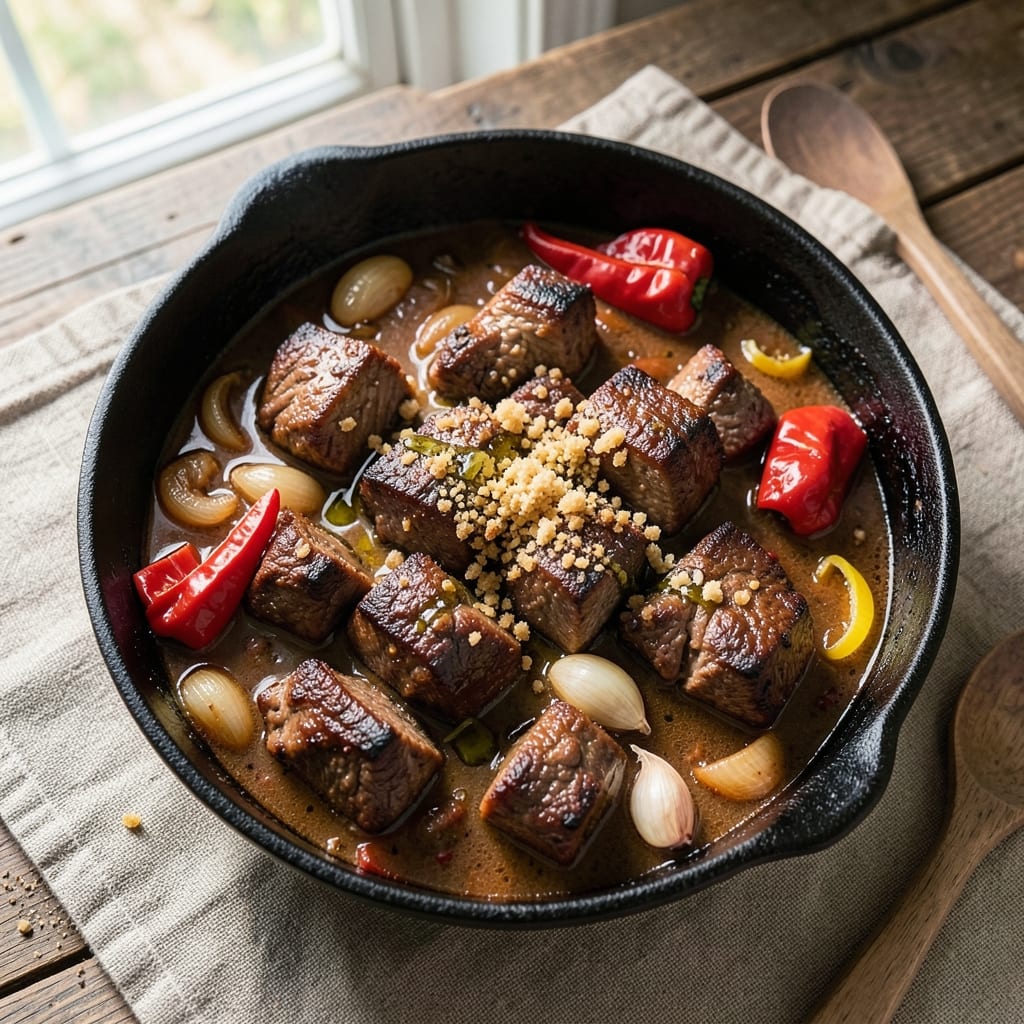
Argentinian beef stew transforms tough cuts into melt-in-your-mouth tenderness through slow braising—a technique that builds deep, caramelized flavors over hours. The key lies in Malbec wine's rich acidity and bold fruit notes, which cut through the beef's richness while infusing the broth with complexity. This isn't just a stew; it's a celebration of Argentine tradition adapted for modern kitchens, where chuck roast and bell peppers simmer until the meat falls apart at the touch of a fork.
What sets this recipe apart is the balance of technique and simplicity. You'll start with a deep sear of the beef to develop a flavorful crust, then deglaze with Malbec wine to create a foundation that's both aromatic and deeply savory. The slow cook transforms tough cuts into tender morsels while vegetables soften just enough to absorb the rich, wine-infused broth. This method ensures restaurant-quality results without requiring specialized equipment—just patience and attention to detail.
The result is a stew that's hearty enough for a winter dinner but versatile enough for any occasion. The meat is fork-tender with a deep, caramelized crust, while the vegetables retain just enough texture to complement the silky broth. Each bite delivers layers of flavor—smoky from the sear, fruity from the wine, and earthy from the herbs—that make this more than just a meal; it's an experience.
Serve this stew with crusty bread to soak up every last drop of the Malbec-infused sauce, or pair it with a glass of the same wine that inspired its depth. The leftovers reheat beautifully, making it perfect for meal prep or feeding a crowd. This is the kind of dish that turns ordinary weeknights into memorable gatherings—where the aroma alone has everyone anticipating dinner.
Ingredients for argentinian beef stew
Argentinian beef stew relies on bold flavors and precise technique to transform tough cuts into luxurious tenderness.
| Ingredient | Amount | Notes |
|---|---|---|
| Chuck Roast 🥩 | 2 lb | Well-marbled, cut into 1.5-inch cubes |
| Red Bell Peppers 🌶️ | 2 whole | Cut into 1-inch chunks, seeds removed |
| Yellow Onion 🧅 | 1 whole | Diced, medium size |
| Garlic Cloves 🧄 | 6 cloves | Peeled, smashed slightly |
| Malbec Wine 🍷 | 1 cup | Dry, bold variety (750ml bottle) |
| Beef Broth 💧 | 2 cups | Low-sodium preferred |
| Tomato Paste 🍅 | 2 tbsp | Smooth, no sugar added |
| Olive Oil 🫒 | 2 tbsp | Extra-virgin for richness |
| Fresh Thyme 🌿 | ¼ cup | Leaves only, finely chopped |
| Fresh Rosemary 🌿 | ¼ cup | Needles only, finely chopped |
| Bay Leaves 🍃 | 2 whole | Dried, standard size |
| Diamond Crystal Kosher Salt 🧂 | 1 ½ tsp | For seasoning, adjust to taste |
| Freshly Ground Black Pepper 🌶️ | 1 tsp | Coarsely ground |
| Carrots 🥕 | 3 whole | Cut into 1-inch chunks, peeled |
The chuck roast is non-negotiable here—its marbling ensures melt-in-your-mouth texture. Look for cuts with visible fat between the muscles at Whole Foods or your butcher's counter. If using pre-cut chuck, Costco's vacuum-sealed packs are ideal for even cooking. The Malbec wine should be dry and bold—avoid sweet varieties. Catena Zapata or Trapiche are excellent choices, but any Argentine Malbec from the grocery store's wine section works. For the herbs, fresh is essential: thyme and rosemary should be vibrant green with no browning. The tomato paste? San Marzano is the gold standard, but any smooth, unsweetened brand will do.
No Malbec? Cabernet Sauvignon or Merlot work in a pinch, but the fruit profile won't be as vibrant. Fresh herbs wilt fast—if you're prepping ahead, store them in damp paper towels in sealed containers for up to 3 days. The beef broth should be low-sodium; Pacific Foods or homemade is ideal. For the carrots, baby carrots are convenient, but whole carrots peeled and chunked add better texture. The wine reduction is where the magic happens—don't rush this step. If you're short on time, reduce 1 cup of wine to 2 tbsp on the stovetop instead of the oven for a quicker (though slightly less concentrated) result.
This stew tastes even better the next day as flavors meld. Store in an airtight container in the fridge for up to 5 days, or freeze portions for 3 months. The wine-infused broth thickens as it cools, so add a splash of water or broth when reheating. For meal prep, double the recipe and freeze half—perfect for busy weeknights. The crusty bread pairing? Baguettes from the bakery section toasted with garlic butter elevate the dish to another level.
Why You'll Love This Recipe
- One-Pot Magic: That chuck roast practically cooks itself while you chop a single onion and toss in pre-sliced bell peppers. Honestly, the hardest part is waiting for the Malbec to reduce—because the rest? Just brown, simmer, and forget.
- Wine-Infused Depth: Between us, that glass of Malbec isn’t just for drinking—it’s the secret weapon. The acidity cuts through the richness while the garlic and roasted peppers build layers of flavor that make every bite taste like a Sunday dinner.
- Leftovers That Beg for More: This stew only gets better the next day, especially when reheated with a splash of water or broth. I’ll be real: my freezer’s full of it, and I don’t even mind—because it’s the kind of meal that disappears faster than I can say “second helping.”
- Budget-Friendly Crowd-Pleaser: A chuck roast stretches to feed six, and the veggies? They’re cheap staples you already have. It’s the kind of dish where you spend more on the wine than the ingredients—and trust me, the Malbec makes it worth it.
Step-by-step instructions for argentinian beef stew
Master this slow-braised technique for deeply flavorful beef infused with Malbec wine and aromatic herbs.
Sear the Chuck Roast for Maximum Flavor
Heat a large Dutch oven over medium-high heat and add the 2 tablespoons olive oil. Once shimmering, add the 2 lb chuck roast cut into 1.5-inch cubes, working in batches if needed. Sear each piece until deeply browned on all sides—this creates the Maillard reaction that forms the stew's rich foundation.
Don't rush this step. The meat should develop a dark, caramelized crust before moving to the next phase. I press down gently on the cubes during the first minute to prevent curling, which ensures even contact with the pan. Transfer the seared beef to a plate and set aside.
Build the Aromatic Base with Vegetables
In the same Dutch oven, add the 1 whole yellow onion and 3 whole carrots, both cut into 1-inch chunks. Cook for 5-6 minutes until softened and lightly browned. Add the 2 whole red bell peppers in 1-inch chunks and cook for another 3 minutes until they begin to soften.
Next, add the 6 cloves garlic that have been peeled and smashed slightly. Stir for 30 seconds until fragrant—you should smell the garlic's sweet aroma wafting through the kitchen. This aromatic layer forms the flavor backbone of the stew.
Deglaze and Incorporate Liquids
Pour in the 1 cup Malbec wine and scrape up all the browned bits from the bottom of the pot with a wooden spoon. This deglazing step captures all the concentrated beef flavor that would otherwise be lost. Let the wine simmer for 3-4 minutes until reduced by half, allowing the alcohol to cook off and intensify the wine's depth.
Add the 2 tablespoons tomato paste, 2 cups beef broth, and bring the mixture to a gentle boil. Stir in the 1.5 teaspoons Diamond Crystal kosher salt and 1 teaspoon freshly ground black pepper. The stew should now have a rich, velvety consistency with visible depth of color.
Slow-Braise Until Tender Perfection
Return the seared beef to the pot, along with the 2 whole bay leaves, 0.25 cup fresh thyme, and 0.25 cup fresh rosemary. Bring to a gentle simmer, then reduce heat to low and cover. Let it cook for 2.5-3 hours, stirring occasionally, until the beef is fork-tender and easily pulls apart.
Here's the thing—patience is key. The beef should be so tender that a fork slides through it with minimal resistance, yet still hold its shape. If the liquid reduces too much before the beef is tender, add a splash of water or broth to maintain the proper consistency.
Adjust Seasoning and Serve Warm
Remove the bay leaves and adjust seasoning if needed. The stew should be rich and flavorful, with the Malbec wine adding a subtle depth that complements the beef's natural taste. Taste and add more salt or pepper if required—this is where you fine-tune the dish to your preference.
Serve the stew immediately in deep bowls, garnished with additional fresh thyme or rosemary if desired. The aroma alone will make your kitchen smell like a Buenos Aires restaurant. Pair it with crusty bread to soak up every last drop of that luxurious sauce.
Pro Tips For Making Argentinian Beef Stew
- SEAR THE CHUCK ROAST: High heat. Seriously, crank it up until you get deep brown crusts—this isn’t the time to be gentle. A well-seared roast locks in flavor and prevents the stew from tasting flat, especially when you later add the Malbec. (Yes, even if you’re impatient like me, resist the urge to rush this.)
- CHAR THE ONIONS LOW: I used to rush this part and wondered why my onions never got that deep, caramelized sweetness. Cook them on low heat for 15-20 minutes, stirring occasionally, until they’re almost black at the edges—this builds the stew’s base flavor better than raw onions ever could.
- DEGLAZE WITH WINE IMMEDIATELY: As soon as you remove the roast, pour in that Malbec hot—no waiting. The alcohol will evaporate faster, leaving behind rich wine notes instead of a boozy aftertaste. Scrape every last bit of browned meat from the pot; that’s where the flavor hides.
- SALT THE MEAT 24 HOURS EARLY: Chuck roast needs time to tenderize, and salting it a day ahead (with coarse salt) makes a real difference. The meat stays juicier, and the seasoning penetrates deeper. Skip this, and you’ll end up with a stew that tastes like it’s missing something—even if everything else is perfect.
Regional styles of this recipe
Buenos Aires Style
In the heart of Buenos Aires, this stew is often called Estofado and is a staple in family homes and parrillas. The key difference? Argentinian cooks frequently add 1 tablespoon of paprika and 1 teaspoon of cumin to the base for a subtle smoky depth that complements the Malbec. I like to toast the spices in the olive oil for 30 seconds before adding onions to intensify their aroma. Serve with provoleta (grilled provolone cheese) on the side—a classic pairing in Buenos Aires. 🍷
Patagonian Twist
For a Patagonian-inspired version, swap the red bell peppers for 2 cups of sliced zucchini and add 1 teaspoon of dried oregano to the broth. Patagonia's cooler climate means locals prefer lighter vegetables that won't overpower the beef. The oregano adds an earthy note that pairs beautifully with the wine's fruitiness. I also recommend serving this version with empanadas—flaky pastries filled with spiced beef, perfect for soaking up the sauce. 🌿
Cordoba's Spiced Version
In Córdoba, the stew often incorporates 1 tablespoon of ground coriander and ½ teaspoon of cinnamon for warmth. The cinnamon might sound unusual, but it balances the acidity of the Malbec beautifully. I suggest adding these spices with the tomato paste and letting them simmer for 5 minutes before adding the broth. This version pairs wonderfully with arepas—thick cornmeal cakes that can handle the rich stew. 🌶️
Mendoza's Wine-Centric Approach
Mendoza, Argentina's wine country, takes pride in using local Malbec to its fullest. For this version, reduce the wine by half again (to about ½ cup) before adding the broth, creating a deeper, more concentrated flavor. Mendoza cooks also add 1 diced apple (like Gala or Fuji) to the stew during the last 30 minutes of cooking for a subtle sweetness. Serve with chipa—a cheesy, corn-based bread—common in Mendoza's rustic kitchens. 🍎
Modern Fusion Adaptation
For a contemporary twist, try adding ½ cup of diced mushrooms (like shiitake or cremini) with the onions and a splash of 1 tablespoon soy sauce when deglazing. The umami from the mushrooms and soy enhances the beef's richness while adding a subtle complexity. This version works beautifully with sushi rice on the side, turning a traditional stew into a fusion dish that feels fresh and exciting. 🍄
Nutrition facts
Frequently asked questions
Can I substitute Malbec wine with another type?
If you can't find Malbec, use Cabernet Sauvignon or Merlot for similar depth. For a lighter option, try Pinot Noir, but reduce the cooking time by 15-20 minutes since it's less bold. Avoid sweet wines—they'll overpower the beef's natural flavor.
How do I know when the beef is tender enough?
The beef should be fork-tender with minimal resistance when pierced—it should pull apart easily but still hold its shape. For chuck roast, this typically takes 2.5-3 hours of slow cooking. If it's still tough, add ¼ cup broth and cook another 30 minutes. Never rush this step!
Can I make this stew in a slow cooker?
Yes! Brown the beef first in a skillet, then transfer everything to the slow cooker. Cook on low for 7-8 hours or high for 4-5 hours, adding extra broth if needed. The slow cooker method is perfect for busy days—just skip the wine reduction and add the full 1 cup of wine at the start.
What's the best way to reheat leftovers?
Reheat gently in a pot over low heat with a splash of beef broth or water to prevent drying. Avoid microwaving—it can make the beef tough. If the sauce thickens too much, stir in 1-2 tablespoons broth while reheating. Leftovers taste even better the next day!
Why did my stew turn out too acidic?
This usually happens if the wine wasn't reduced enough or if you overcooked it. Next time, reduce the wine until it's only ¼ cup before adding broth, and simmer uncovered for the last 10 minutes to let excess acidity cook off. A pinch of sugar or a splash of heavy cream can also balance the acidity.