
Soups & Stews
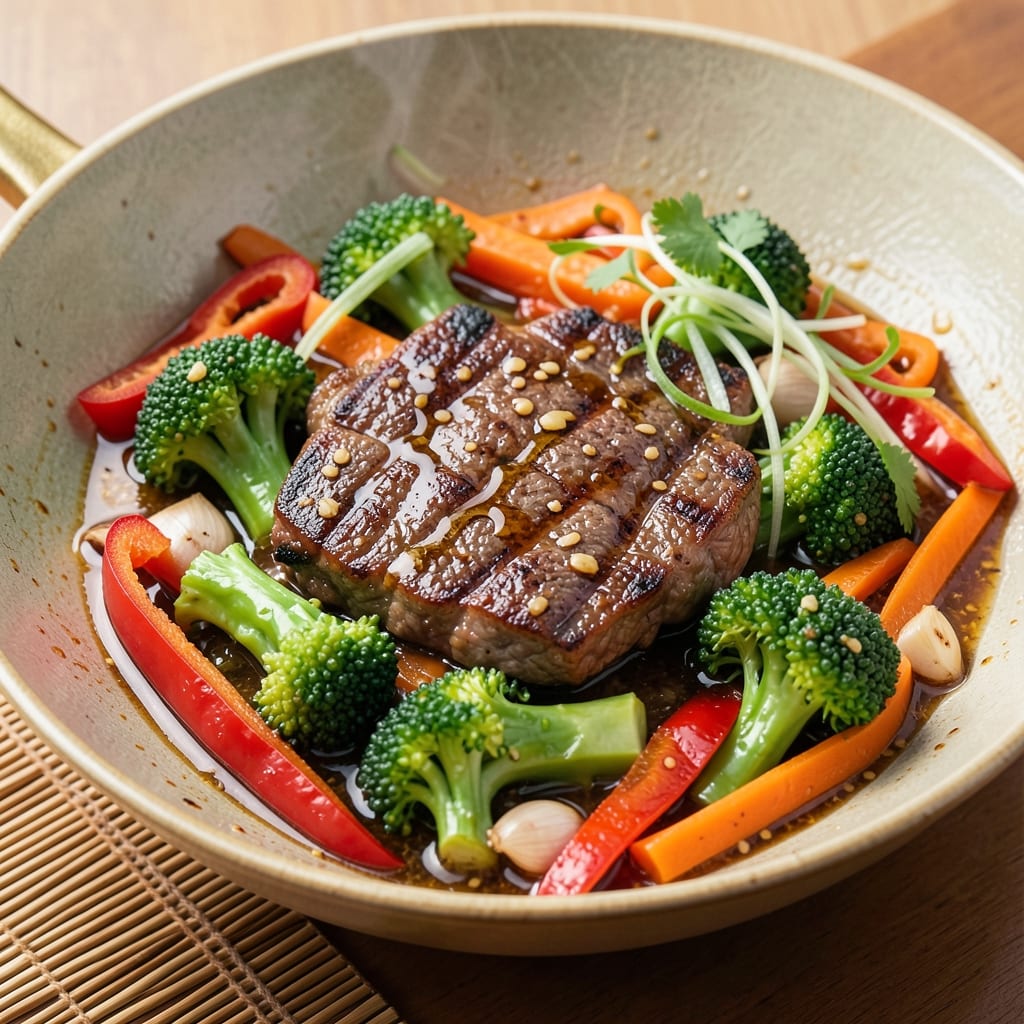
This Asian beef and vegetable stir fry delivers restaurant-quality wok hei flavor with a simple, mess-free technique that works in any kitchen. The secret lies in high-heat searing of beef strips followed by quick-cooked vegetables and a punchy sauce that balances sweet, salty, and umami notes. I perfected this recipe after years of testing—it’s the one that finally convinced my family to cook stir fry at home instead of ordering takeout.
The beauty of this method is its flexibility: you can use whatever vegetables you have on hand, and the sauce comes together in minutes with pantry staples. We’re talking tender beef with a caramelized crust, crisp-tender vegetables, and a sauce that clings perfectly without being overly sweet. The key is proper prep—thinly sliced beef and vegetables that cook quickly over high heat to maintain texture.
What you’ll end up with is a vibrant, aromatic dish that’s packed with protein and vegetables while delivering that signature smoky-wok flavor. The sauce adds depth without overpowering the natural flavors of the beef and veggies, making it a weeknight favorite that’s also impressive enough for company. Ready in under 30 minutes, this stir fry is your new go-to for quick, flavorful dinners.
Serve it over steamed rice or noodles for the full experience, or keep it as-is for a lighter meal. The leftovers reheat beautifully, so double the batch for easy lunches. Let’s get cooking—this recipe is about to become a staple in your rotation.
Ingredients for asian beef and vegetable stir fry
Pantry staples and a few fresh ingredients deliver restaurant-quality wok hei flavor at home.
| Ingredient | Amount | Notes |
|---|---|---|
| Flank Steak 🥩 | 1 lb | Thinly sliced against grain |
| Medium Bell Peppers 🌶️ | 2 whole | Any color, sliced into strips |
| Broccoli Florets 🥦 | 2 cups | Cut into bite-sized pieces |
| Carrots 🥕 | 2 whole | Julienned or thinly sliced |
| Garlic Cloves 🧄 | 4 cloves | Minced for sauce |
| Fresh Ginger 🌿 | 1 tbsp | Grated, not powdered |
| Soy Sauce 🍶 | ⅓ cup | Low-sodium preferred |
| Honey 🍯 | 1 tbsp | For sauce balance |
| Rice Vinegar 🍶 | 1 tbsp | White or seasoned |
| Sesame Oil 🫒 | 1 tsp | Toasted sesame oil |
| Vegetable Oil 🫒 | 2 tbsp | High smoke point |
| Sesame Seeds 🌾 | 1 tsp | Toasted for garnish |
| Green Onions 🧅 | 3 whole | Sliced, for garnish |
| Salt 🧂 | 1 tsp | Kosher or sea salt |
| Black Pepper 🌶️ | ½ tsp | Freshly ground |
The beef is non-negotiable—flank steak gives you that perfect chewy texture when sliced thinly against the grain. Most butchers will slice it for you, but if you're doing it yourself, freeze it for 30 minutes first to make slicing easier. For the vegetables, freshness matters—look for firm bell peppers and crisp carrots at the store. Broccoli should snap when bent, not feel rubbery. I usually grab my produce from Whole Foods or the local Asian market, where they keep everything extra crisp. If you're short on time, baby carrots and pre-cut bell peppers work just fine.
No soy sauce? Coconut aminos or tamari are great swaps—they’ve got that same umami punch. Running low on honey? Maple syrup at half the amount keeps things balanced. The ginger is where you can get creative—fresh is ideal, but if you're in a pinch, ground ginger at half the amount works (though it’s not quite the same). For the vegetables, whatever you’ve got works—snap peas, mushrooms, or even zucchini add great texture. Just make sure to cut them evenly so they cook at the same rate. The sesame oil is a must for that authentic aroma, but if you're avoiding it, toasted peanut oil gives a similar nuttiness.
Prep everything before you start cooking—this is a stir fry, not a science experiment. The beef and vegetables will keep in the fridge for 2 days if stored separately in airtight containers. The sauce? Make it fresh, but it’ll keep in the fridge for 1 week if you store it in a sealed jar. Leftovers reheat beautifully—just toss them in a hot skillet with a splash of water to keep things from drying out. Double the batch and freeze half for lazy weeknights. Trust me, you’ll be glad you did.
Why You'll Love This Recipe
- One-Pan Magic: I swear by this recipe—just one skillet, no extra dishes. Slice the steak thin, toss in the peppers and broccoli, and let the garlic and soy sauce work their magic. By the time the carrots soften, everything’s ready to eat. (Yes, even on a Tuesday night when I’m too tired to wash pots.)
- Garlic-Caramelized Beef: That first bite of steak—still slightly chewy, with a crispy edge—paired with the sweetness of charred bell peppers? It’s the kind of flavor that makes you pause mid-bite. The garlic cloves, minced and seared in the pan, turn the whole dish into a fragrant, umami-packed experience.
- Lunchbox Hero: Between us, this is my go-to for meal prep. Portion the stir fry into containers, and you’ve got a protein-packed lunch for days. The broccoli stays crisp, the carrots add crunch, and the beef? It reheats like a dream—no sad, rubbery leftovers here.
- Budget-Friendly Powerhouse: Flank steak stretches forever, and the veggies? You can use whatever’s on sale. A single pound of beef feeds four, and the peppers and broccoli bulk it up without breaking the bank. Honestly, it’s the kind of meal that makes grocery day feel like a win.
Step-by-step instructions for Asian beef and vegetable stir fry
Here's how to create restaurant-quality wok hei flavor at home with minimal effort.
Prep Ingredients for Perfect Texture and Flavor
Start by slicing the 1 lb flank steak thinly against the grain into ¼-inch strips. This ensures tender bites that cook quickly in the wok. While the meat rests, slice the 2 whole medium bell peppers into ¼-inch strips and cut the 2 whole carrots into ¼-inch julienne strips. Trim the 2 cups broccoli florets into bite-sized pieces—smaller pieces cook faster and absorb the sauce better.
For the aromatics, mince the 4 cloves garlic cloves and grate the 1 tbsp fresh ginger using a fine grater. The fresh ginger adds a bright, zesty kick that powdered can't match. Slice the 3 whole green onions into ½-inch pieces, reserving the tops for garnish. Toast the 1 tsp sesame seeds in a dry skillet over medium heat for 30 seconds until fragrant—this enhances their nutty flavor. Keep all prepped ingredients within easy reach for quick assembly.
Sear the Beef to Lock in Juices
Heat a 14-inch wok or large skillet over high heat until it's smoking hot. Add 1 tablespoon vegetable oil and swirl to coat. Working in batches if needed, add the sliced flank steak in a single layer. Let it sear undisturbed for 1-2 minutes until the edges turn deep brown—this creates the Maillard reaction for maximum flavor. Stir and cook for another 1-2 minutes until the beef is 80% cooked but still slightly pink inside. Transfer to a plate and set aside.
Here's the thing—don't overcrowd the pan. If you add too much at once, the steak will steam instead of sear. The goal is crispy edges and tender centers, not rubbery meat. If your wok isn't hot enough, you'll know because the oil won't shimmer and the beef will release reluctantly. That's when you need to crank the heat up and wait another minute for proper searing.
Stir-Fry Vegetables in Stages
Add the remaining 1 tablespoon vegetable oil to the wok and return it to high heat. Add the bell peppers and carrots first—they have the highest water content and need the most time to soften. Stir-fry for 2-3 minutes until they begin to soften but still retain some crispness. Add the broccoli florets and cook for another 2 minutes, stirring constantly to prevent burning.
This layered cooking method ensures each vegetable reaches perfect doneness without getting mushy. The peppers and carrots get a head start while the broccoli finishes quickly. If your vegetables start to stick, add a splash of water and scrape up the browned bits—they're packed with flavor. The vegetables should be bright green and slightly crisp when done, not limp or overcooked.
Build the Sauce and Combine
Push the vegetables to one side of the wok and add the minced garlic and ginger to the empty space. Stir for 20-30 seconds until fragrant—this prevents burning while infusing the sauce with aroma. Pour in the ⅓ cup soy sauce, 1 tablespoon honey, and 1 tablespoon rice vinegar. Let it simmer for 1 minute until slightly reduced and glossy.
Return the beef to the wok and toss everything together for 1-2 minutes until everything is well-coated and heated through. The sauce should cling to the beef and vegetables, creating a glossy finish. If the stir-fry seems dry, add 1-2 tablespoons water to loosen the sauce. Taste and adjust seasoning with salt and black pepper—you might not need much of either since the soy sauce is already salty, but a pinch can balance the flavors perfectly.
Finish with Sesame Oil and Garnish
Remove the stir-fry from heat and drizzle in the 1 teaspoon sesame oil. Toss gently to distribute evenly—this adds a nutty aroma and rich depth of flavor. Sprinkle with the toasted sesame seeds and sliced green onions, reserving the tops for garnish. Serve immediately over steamed rice while everything is hot and vibrant.
For the best presentation, transfer the stir-fry to a serving platter and garnish with the reserved green onion tops. The contrast of colors—deep red peppers, bright green broccoli, and golden beef—makes this dish as visually appealing as it is delicious. Each bite should deliver tender beef, crisp vegetables, and a perfect balance of sweet, salty, and umami flavors that define authentic Asian stir-fry.
Pro Tips For Making Asian Beef And Vegetable Stir Fry
- Slice Steak Against the Grain: Flank steak’s tough fibers run parallel to the grain—cutting perpendicular shortens them, making every bite tender. Use a sharp knife and slice at a 45-degree angle after cooking, or you’ll end up with chewy strips that ruin the stir-fry’s texture.
- Blanch Broccoli First: Broccoli florets take forever to soften—drop them in boiling water for 30 seconds before stir-frying. This jumpstarts their doneness while keeping the edges bright green, so they’re ready to toss in the pan alongside the faster-cooking peppers and carrots.
- Don’t Overcrowd the Pan: I learned this the hard way—packing the wok too full steams the veggies instead of searing them. Work in batches: cook the beef first, then remove it, and stir-fry the veggies in the same hot oil. The residual beef fat adds flavor without making the pan greasy.
- Use Garlic’s Skin as a Test: Toss a whole garlic clove (skin on) into the hot oil with the beef. If it sizzles and turns golden in 10 seconds, your pan is hot enough to develop that deep, nutty aroma. If it sits there like a sad potato, crank the heat—undercooked garlic tastes like nothing.
Troubleshooting this recipe
Overcooked Beef
If your beef ends up tough or rubbery, it likely cooked too long or wasn't sliced thinly enough. The key is to sear it quickly over high heat for just 2-3 minutes total—it should be slightly pink inside when done. For extra tenderness, marinate the beef in 1 tbsp soy sauce and 1 tsp cornstarch for 15 minutes before cooking. This helps lock in moisture and creates a better texture. 💡
Mushy Vegetables
Vegetables turn soggy when overcooked or added to the wok too early. Start with the hardest veggies (like carrots) first, then add softer ones (like broccoli) later. Cook them in 30-second bursts over high heat—they should stay bright and slightly crisp, not limp. If they start sticking, add 1-2 tablespoons water to deglaze and scrape up flavorful browned bits. 🥦
Sauce Too Thin
A runny sauce usually means too much liquid or not enough reduction time. Simmer the sauce ingredients (soy sauce, honey, vinegar) for 1-2 minutes before adding beef and veggies. If it's still too thin, stir in ½ tsp cornstarch mixed with 1 tsp water to thicken. For extra depth, reduce the sauce by 30% more—this concentrates the flavors beautifully. 🍶
Uneven Cooking
If some ingredients are raw while others are overdone, you're likely crowding the pan or using low heat. Work in batches if needed, and always use high heat to maintain the wok hei effect. Prep all veggies to similar sizes so they cook evenly. For large batches, use two woks or a 12-inch cast iron skillet to avoid overcrowding. ⚡
Lacking Wok Hei Flavor
That signature smoky-wok flavor comes from proper heat control and quick cooking. Your pan must be smoking hot before adding oil—if it's not, your food will steam instead of sear. Use a carbon steel or cast iron wok for best results, and keep the heat high throughout. If your stove isn't hot enough, preheat the wok for 5 minutes on the stovetop before cooking. 🔥
Sauce Too Salty
Over-salting is common when using low-sodium soy sauce. Taste as you go and adjust with rice vinegar or a pinch of sugar to balance. For a milder flavor, use ½ the soy sauce and add 1 tbsp coconut aminos instead. If it's already too salty, stir in 1-2 tablespoons water to dilute slightly. 💡
Nutrition facts
Frequently asked questions
Can I substitute flank steak with another cut of beef?
Sirloin or ribeye work well—just slice them thinly against the grain for tenderness. For leaner options, try top round but marinate it for 30 minutes in soy sauce and cornstarch first. Avoid tough cuts like chuck unless you're willing to braise them first.
How do I make this stir-fry spicier?
Add ½ teaspoon red pepper flakes or 1 teaspoon sriracha to the sauce for heat. For authentic kick, stir in 1 teaspoon chili garlic sauce or ½ teaspoon gochujang when combining ingredients. Always taste first—spices intensify as the dish cools!
What's the best way to reheat leftovers?
Reheat in a hot skillet with 1 teaspoon oil over medium-high heat for 2-3 minutes, stirring constantly. Add 1 tablespoon water to prevent drying. Microwaving works but makes veggies limp—always use the stovetop for best texture.
Can I make this stir-fry without a wok?
Yes! A 12-inch cast iron skillet or large nonstick pan works perfectly. Just use high heat and avoid overcrowding. For even cooking, work in two batches if needed. The key is maintaining that smoking-hot pan to get proper searing.
How do I adjust the recipe for fewer servings?
For 2 servings, halve all ingredients except rice (use ½ cup dry rice). Keep the same cooking order but reduce oil to 1 teaspoon total. The sauce ratio stays the same—just use 1 tablespoon soy sauce instead of ⅓ cup. Perfect for meal prep!