
Sauces & Condiments
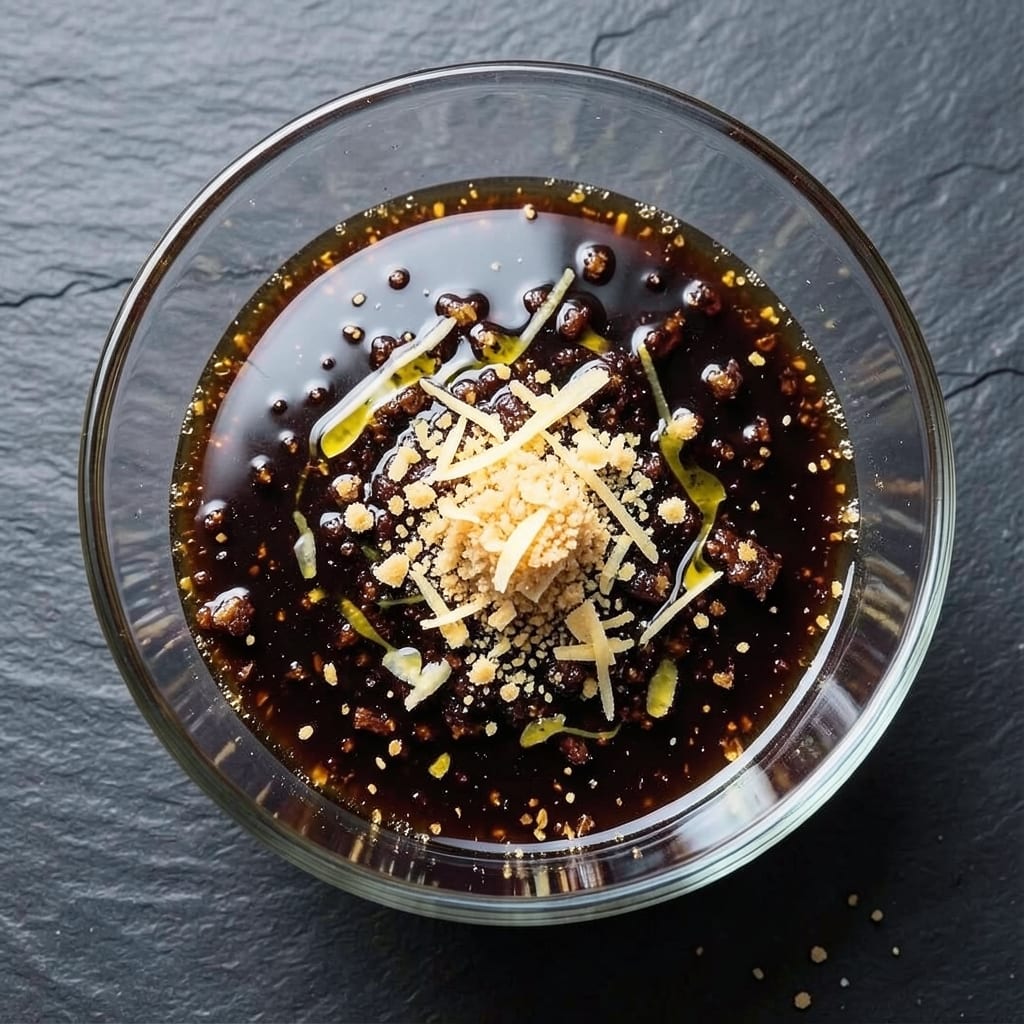
This Asian beef jerky marinade recipe transforms ordinary beef into restaurant-quality strips with layers of sweet, savory, and umami depth. The secret lies in balancing soy sauce, brown sugar, and aromatic spices like garlic and ginger—all simmered together to create a sticky, flavor-packed blend. Unlike dry rubs, this liquid marinade penetrates deep, ensuring every bite delivers complex flavor without overpowering the meat's natural tenderness.
What sets this marinade apart is its umami-rich foundation, thanks to fish sauce and a touch of sesame oil, which adds nutty warmth. The recipe calls for a minimum 4-hour marinade (overnight is ideal) to let flavors meld perfectly, while the brown sugar caramelizes slightly during dehydration, creating a subtle glossy finish. No special equipment is needed—just a bowl, whisk, and your dehydrator.
Once marinated, the beef emerges with a perfectly balanced profile: sweet from the sugar, tangy from the vinegar, and deeply savory from the umami boosters. The marinade also doubles as a dipping sauce, making it versatile for snacks or meals. Store leftovers in the fridge for up to 2 weeks, or freeze for longer shelf life.
For best results, use lean cuts like flank steak or top round, sliced thinly against the grain. The marinade works equally well for chicken or turkey jerky, though cooking times may vary. Let’s dive into the ingredients—where the magic begins.
Ingredients for asian beef jerky marinade
These ten ingredients create the perfect umami-spiced marinade for restaurant-quality beef jerky.
| Ingredient | Amount | Notes |
|---|---|---|
| Soy Sauce 🍶 | ½ cup | Low-sodium preferred for balance |
| Brown Sugar 🍚 | ½ cup | Light or dark, packed |
| Fish Sauce 🍶 | 2 tbsp | Red Boat preferred quality |
| Rice Vinegar 🍶 | ¼ cup | White or seasoned vinegar |
| Sesame Oil 🫒 | 1 tbsp | Toasted sesame for flavor |
| Fresh Ginger 🌿 | ½ cup | Grated, not powdered |
| Garlic Cloves 🧄 | 6 cloves | Minced, not powdered |
| Ground Black Pepper 🌶️ | 1 tsp | Freshly cracked preferred |
| Ground White Pepper 🌶️ | ½ tsp | For subtle depth |
| Sesame Seeds 🌾 | 1 tbsp | Toasted for garnish |
The soy sauce and fish sauce form the umami backbone—Red Boat brand for fish sauce ensures premium quality without overpowering. Brown sugar should be packed for accurate measurement, and light or dark varieties work equally well. Fresh ginger and garlic are non-negotiable here; powdered versions lack the aromatic complexity. For sesame oil, toasted varieties add nutty warmth that regular sesame oil can't match. The vinegar should be white or seasoned—avoid apple cider vinegar, which can clash with the sweet-savory balance. Store all ingredients in a cool, dark pantry to preserve their potency.
No fish sauce? Worcestershire sauce at half the amount works in a pinch, though it lacks the same depth. Substitute white vinegar with rice vinegar for better flavor harmony. Fresh ginger and garlic can be swapped for powdered versions at one-third the amount, but the texture and flavor won't be as vibrant. If you're avoiding sesame oil, avocado oil or neutral oil can replace it, though the nutty aroma will be missing. For a sweeter profile, add an extra tablespoon of brown sugar. If you prefer less heat, reduce the black pepper to half a teaspoon—though this marinade is designed to be balanced, not spicy.
This marinade keeps beautifully in the fridge for up to 2 weeks in an airtight container. For longer storage, freeze in ice cube trays—each cube makes a perfect single-serving marinade or dipping sauce. Once opened, use within 3 months for best flavor. The sesame seeds can be toasted fresh before using or stored in a sealed jar for up to 6 months. When prepping, measure the brown sugar first—it's the easiest to pack accurately, and the marinade's consistency depends on it.
Why You'll Love This Recipe
- Pantry Magic: The marinade lives in my fridge already—I just stir, slice, and let it work. No fancy shopping trips, no forgotten spices. That umami punch from the soy and fish sauce? It transforms tough cuts into something irresistible with zero extra effort.
- Sweet-Savory Crunch: The brown sugar caramelizes just enough to give it that addictive glaze, while the sesame oil adds this nutty depth that makes every bite taste like a little Asian street food victory. Honestly, I’ll take this over store-bought jerky any day.
- Snack Attack Ready: I keep a batch in my freezer for when the kids come home starving or I need a quick protein boost. It’s perfect for road trips, lunchboxes, or even as a topping for salads—no reheating, no fuss. Just grab and go.
- Budget Stretch: A little goes a long way, and I’m not kidding—this marinade costs pennies per serving. The fish sauce might sound fancy, but a small bottle lasts forever, and the rest? Basic pantry staples. My wallet and my taste buds both win.
Step-by-step instructions for Asian beef jerky marinade
This marinade delivers deep umami flavor and perfect texture for dehydrator jerky.
Grate the Fresh Ginger and Mince the Garlic
Start by grating the 0.5 cup fresh ginger using a fine grater or microplane. You want the ginger to be as fine as possible so it dissolves completely into the marinade. Set it aside in a small bowl.
Next, mince the 6 cloves garlic using a sharp knife. Aim for tiny pieces—about 1/8-inch or smaller. Finely minced garlic ensures even distribution of flavor throughout your jerky. If you prefer, you can use a garlic press for consistent results.
Combine Wet Ingredients in a Mixing Bowl
In a large mixing bowl, pour in the 0.5 cup soy sauce, 0.5 cup brown sugar, and 2 tbsp fish sauce. Stir these together until the brown sugar dissolves completely—this should take about 2 minutes of constant stirring. The mixture should be smooth with no visible sugar granules.
Add the 0.25 cup rice vinegar and 1 tbsp sesame oil to the bowl. Stir again to combine thoroughly. The vinegar will help tenderize the beef while the sesame oil adds nutty depth. This is where the marinade's signature balance begins to form.
Incorporate the Aromatics and Spices
Add the grated ginger and minced garlic to the wet ingredients. Stir well to distribute them evenly throughout the marinade. The mixture will become slightly thicker as the ginger releases its juices.
Next, add the 1 tsp ground black pepper and 0.5 tsp ground white pepper. Stir again until fully combined. The black pepper provides heat while the white pepper adds subtle complexity. This is where the marinade gets its signature kick—don't skip this step.
Whisk Until Fully Emulsified
Use a whisk to combine all ingredients until the marinade reaches a smooth, consistent texture. This should take about 3-4 minutes of vigorous whisking. The brown sugar should be completely dissolved, and the mixture should have a syrupy consistency.
Taste the marinade and adjust seasoning if needed. If it needs more saltiness, add a small amount of soy sauce. If it needs more sweetness, add a bit more brown sugar. The goal is a perfect balance of sweet, salty, umami, and spicy flavors that will penetrate the beef beautifully.
Store for Maximum Flavor Development
Transfer the completed marinade to an airtight container. Let it sit at room temperature for 30 minutes to allow the flavors to meld together. This resting period is crucial—it lets the ingredients work together to create a cohesive flavor profile.
The marinade will keep in the refrigerator for up to 1 week, though I recommend using it within 3-4 days for best results. When you're ready to use it, simply coat your beef slices thoroughly and let them marinate for at least 4 hours (overnight is ideal) before dehydrating.
Pro Tips For Making Asian Beef Jerky Marinade
- MARINATE IN STAGES: Don’t dump all the soy sauce and fish sauce at once—start with half, let the meat soak for 10 minutes, then add the rest. This keeps the fish sauce from overpowering the beef (yes, even a little goes a long way) and lets the brown sugar dissolve properly instead of clumping.
- STIR THE SUGAR FIRST: Whisk the brown sugar into the rice vinegar before adding soy sauce—this prevents grainy lumps in your marinade. I used to ignore this, and my jerky always tasted like I’d sprinkled sand on it.
- SKIP THE SESAME OIL AT THE END: Add sesame oil after the marinade sits for 30 minutes, not before. The heat and acid in the mix break it down too fast, turning your aromatic finish into a bland afterthought.
- CHILL THE MARINADE: Refrigerate the beef in the marinade for at least 4 hours—overnight is better. Cold slows down the fish sauce’s funk (trust me, you’ll notice the difference) and helps the soy sauce penetrate deeper. No shortcut here.
Troubleshooting great asian beef jerky marinade
Marinade Too Thin?
If your marinade ends up too thin after mixing, simply add 1-2 tablespoons of brown sugar at a time while whisking until it reaches a syrupy consistency. The sugar will help thicken the mixture naturally. Alternatively, reduce the amount of rice vinegar by 1 tablespoon—vinegar is the most common culprit for thinning marinades. For an extra boost, stir in 1 teaspoon of cornstarch mixed with 1 tablespoon cold water until dissolved, then whisk into the marinade. 💡
Marinade Too Thick?
Thick marinades can be fixed by adding 1-2 tablespoons of warm water or rice vinegar at a time, whisking gently until smooth. Avoid adding too much liquid at once—start with small amounts and adjust gradually. If the marinade is clumpy, strain it through a fine-mesh sieve to remove any undissolved sugar or spices. For future batches, reduce the brown sugar by 1 tablespoon if you prefer a thinner consistency.
Fish Sauce Overpowering?
If the fish sauce flavor dominates, balance it by adding 1 extra tablespoon of brown sugar or 1 teaspoon of honey to sweeten the marinade. A splash of rice vinegar (1 teaspoon) can also help cut through the intensity. For a milder umami profile, reduce the fish sauce to 1.5 tablespoons in future batches. If you're sensitive to fishy notes, Worcestershire sauce (1.5 tablespoons) works as a substitute, though it won’t be identical. 🍶
Ginger or Garlic Not Dissolving?
Fresh ginger and garlic should dissolve completely for the best flavor distribution. If they’re clumping, finely grate the ginger using a microplane instead of a grater, and mince the garlic as small as possible. For stubborn clumps, blend the ginger and garlic with 1 tablespoon of warm water in a small food processor until smooth, then stir into the marinade. Avoid powdered versions—they lack the aromatic depth of fresh ingredients.
Beef Not Absorbing Marinade?
Lean cuts like flank steak or top round absorb marinades best when sliced thinly against the grain (about ¼-inch thick). For better absorption, pound the beef gently with a meat mallet to break down fibers before marinating. Let the beef sit in the marinade for the full 4-24 hours in the fridge, flipping the slices halfway through. If using thicker cuts, increase marinating time to 12-24 hours for deeper flavor penetration. 🥩
Marinade Turning Cloudy?
Cloudiness in the marinade is normal and usually harmless—it’s often caused by the natural oils in sesame oil or fish sauce separating. Stir vigorously to re-emulsify, or gently heat the marinade in a saucepan over low heat for 1-2 minutes while stirring constantly. Avoid high heat, which can alter the flavors. If the cloudiness persists, strain the marinade through a fine-mesh sieve before using to remove any sediment.
Nutrition facts
Frequently asked questions about Asian beef jerky marinade
Can I use this marinade for chicken or turkey jerky?
Yes! This marinade works perfectly for poultry jerky, though cooking times will differ. Chicken and turkey require lower dehydration temperatures (145°F-155°F) and shorter times (4-6 hours) to avoid drying out. For best results, marinate poultry for 6-12 hours to ensure deep flavor penetration.
How long can I marinate beef before it gets mushy?
For beef, 24 hours is the absolute maximum in the fridge. After this, the meat fibers begin breaking down too much, risking a mushy texture. The sweet-savory marinade works best at 4-12 hours—long enough for full flavor infusion without over-tenderizing. Always use an airtight container and refrigerate.
Can I make this marinade without fish sauce?
Replace the 2 tbsp fish sauce with 1.5 tbsp Worcestershire sauce for a milder umami kick. For vegetarian versions, use 1 tbsp soy sauce + 1 tbsp coconut aminos instead. The sweet-savory balance will still shine, though the depth of umami will be slightly different.
Why does my jerky taste salty after using this marinade?
The combination of soy sauce, fish sauce, and brown sugar creates a concentrated salt profile. To balance it, reduce soy sauce to 0.375 cup or add 1 extra tbsp brown sugar to sweeten. For extra depth, let the marinade sit 30 minutes uncovered before using—this allows excess moisture to evaporate slightly, reducing saltiness.
Can I reuse leftover marinade?
Yes, but only if it's been refrigerated and hasn't touched raw meat. Store leftovers in an airtight container for up to 1 week. For jerky, use it within 3 days for best flavor. Never reuse marinade that's been in contact with raw meat—cross-contamination risks aren't worth it.