
Main Courses
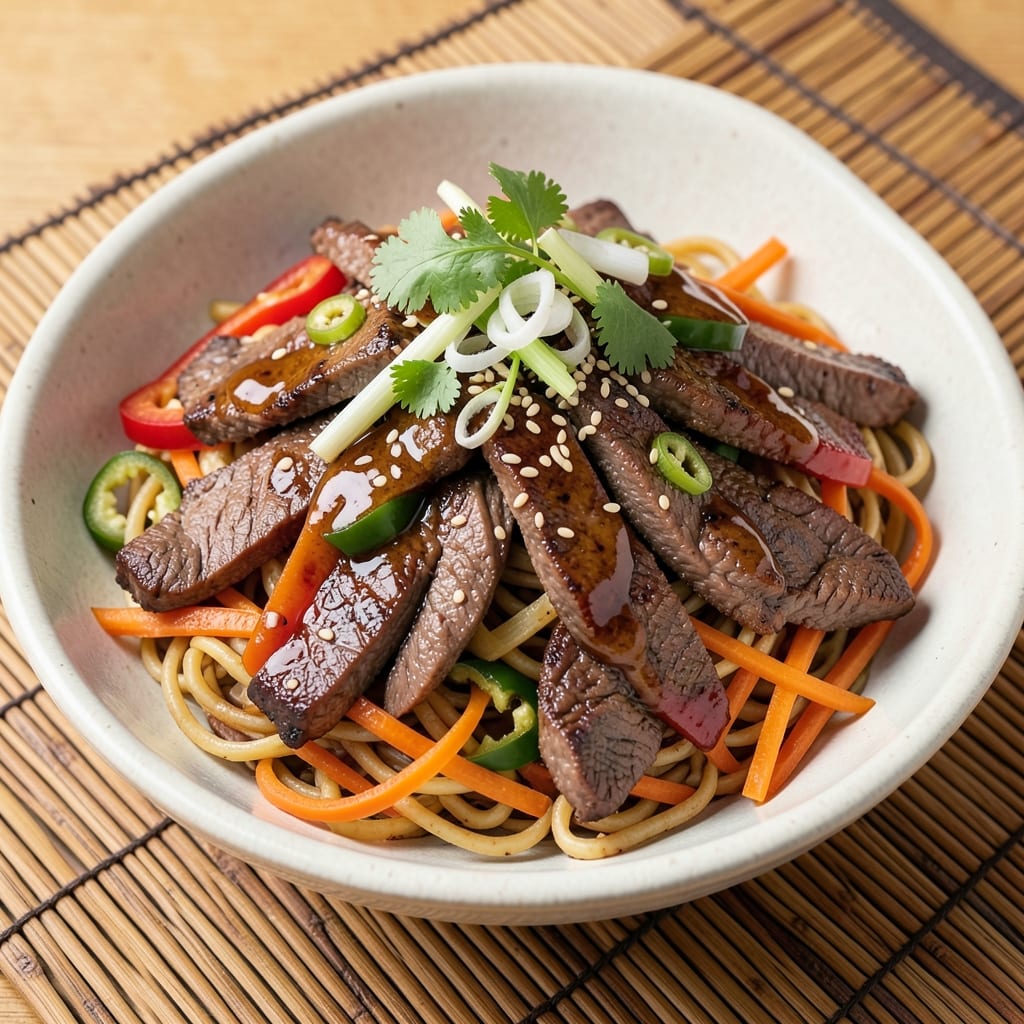
This Asian beef stir-fry with noodles delivers restaurant-quality wok heat in just 25 minutes, balancing smoky, sweet, and umami flavors that'll make your taste buds sing. The secret lies in high-heat stir-frying and a sauce that builds layers of complexity through garlic, ginger, and a touch of chili—without any shortcuts. I've been perfecting this technique for years, and it never fails to impress even the most skeptical home cooks.
The magic happens in the sauce, where soy sauce meets a splash of rice vinegar and a hint of sesame oil for depth, while fresh ginger and garlic provide that signature aromatic punch. The beef gets marinated briefly to tenderize, then seared at high heat to develop that signature wok-hei flavor—smoky, crisp edges that contrast perfectly with the silky noodles. This isn't just another stir-fry; it's a complete meal with texture, aroma, and flavor harmony.
What you'll end up with is a plate of perfectly seared beef strips with crisp edges, chewy egg noodles that've absorbed the rich sauce, and a scattering of fresh vegetables for crunch. The sauce clings to every noodle and beef piece, delivering that perfect balance of salty, sweet, and spicy in each bite. It's the kind of dish that transforms a simple weeknight dinner into something special—without requiring any advanced techniques.
Serve this stir-fry with steamed rice on the side if you want extra heartiness, or keep it as-is for a satisfying one-bowl meal. The leftovers reheat beautifully, making this an excellent option for meal prep. Let's get cooking—your wok is waiting!
Ingredients for asian beef stir fry recipe with noodles
Pantry staples meet fresh ingredients for this restaurant-style stir-fry that's ready in 25 minutes.
| Ingredient | Amount | Notes |
|---|---|---|
| Flank Steak 🥩 | 1 ½ lb | Thinly sliced against grain |
| Egg Noodles 🍜 | 8 oz | Fresh or dried, chewy variety |
| Bell Peppers 🌶️ | 2 whole | Red/yellow, sliced into strips |
| Carrots 🥕 | 2 whole | Julienned into matchsticks |
| Green Onions 🧅 | 4 whole | White and green parts separated |
| Fresh Ginger 🌿 | 2 tbsp | Finely grated, peeled |
| Garlic Cloves 🧄 | 6 cloves | Minced, fresh preferred |
| Soy Sauce 🍶 | ½ cup | Light or regular, not low-sodium |
| Rice Vinegar 💧 | 2 tbsp | Seasoned preferred for depth |
| Sesame Oil 🫒 | 1 tbsp | Toasted, for aroma |
| Honey 🍯 | 1 tbsp | For balancing heat |
| Red Chili Flakes 🌶️ | 1 tsp | Adjust for heat preference |
| Vegetable Oil 🫒 | 3 tbsp | High smoke point for stir-fry |
| Salt 🧂 | 1 tsp | Kosher or sea salt |
| Black Pepper 🌶️ | ½ tsp | Freshly ground |
The beef is non-negotiable—flank steak gives you that signature wok-hei texture when sliced thin against the grain. Look for well-marbled cuts at Costco or your local butcher; it keeps for 5 days wrapped in the fridge. Fresh ginger and garlic are where the magic happens, so don't use powdered—freshly grated ginger and minced garlic add that aromatic punch. The egg noodles? Fresh is ideal, but dried works too if you cook them al dente. For the bell peppers, mix colors—red and yellow add natural sweetness that balances the heat.
No flank steak? Sirloin or ribeye sliced thin works too, but it won't be as tender. Fresh ginger too strong? Substitute with 1 tbsp ginger paste—it's concentrated. The soy sauce matters—light or regular, not low-sodium. If you're avoiding gluten, tamari is your friend. Sesame oil is for aroma only—don't cook with it. The honey balances the heat, but maple syrup works in a pinch. For extra crunch, toss in water chestnuts or snow peas if you've got them. The carrots can be baby carrots if that's what's on hand—just slice them thin.
Prep the beef first—slice it thin, marinate for 15 minutes max, then pat dry before cooking. The noodles should be cooked al dente and tossed in a bit of oil to prevent sticking. This reheats beautifully—2 minutes in a hot wok restores that crisp texture. Store leftovers in airtight containers for 3-4 days. For meal prep, double the sauce and freeze it separately—just toss with reheated noodles and beef when ready.
Why You'll Love This Recipe
- No-Chop Nightmare: I swear by this one—just slice the peppers and carrots into big chunks (no julienne required) and let the wok do the work. The flank steak practically falls apart with a quick sear, so you’re not stuck dicing it into submission.
- Umami Bomb: That first bite of tender beef coated in soy-ginger sauce? It’s the kind of flavor that makes you pause mid-fork. The egg noodles soak up the sauce like a sponge, and the green onions add a fresh kick that cuts through the richness.
- Lunchbox Hero: Here’s what sold me—this makes perfect cold leftovers. Pack the stir-fry in containers, and it’s a grab-and-go lunch the next day. The noodles stay al dente, the beef stays juicy, and my kids actually eat their veggies (yes, even on a Tuesday).
- Budget Powerhouse: Flank steak is affordable, bell peppers last forever, and you can use whatever veggies you have lying around. I’ve made this for under $10 for four servings, and it still feels like a restaurant meal. Honestly, it’s my go-to when I’m pinching pennies but craving something satisfying.
Step-by-step instructions for wok-hot Asian beef stir fry
Here's how to create restaurant-quality stir fry with tender beef and perfectly chewy noodles.
🍳 Step 1: Prepare the Beef and Vegetables
Start by slicing the 1.5 lb flank steak thinly against the grain into ¼-inch strips. This ensures tender bites. While the steak rests at room temperature for 15 minutes, prep the vegetables. Cut the 2 whole bell peppers into ¼-inch strips and the 2 whole carrots into matchstick julienne. Separate the 4 whole green onions into white and green parts, keeping them whole for garnish.
Grate the 2 tbsp fresh ginger and mince the 6 cloves garlic. These aromatics will form the flavor base of your stir fry. Keep all prepped ingredients within reach so you can work efficiently during the quick cooking process. I like to organize them in small bowls to avoid mid-cooking chaos.
🍳 Step 2: Cook the Beef and Aromatics
Heat 3 tbsp vegetable oil in a large wok or skillet over high heat until shimmering. Add the sliced flank steak in a single layer and sear for 1-2 minutes without stirring. You want a deep brown crust to form—this is where all the flavor develops. Once the beef is browned on one side, stir and cook for another 1-2 minutes until fully browned but still slightly pink inside.
Remove the beef from the wok and set aside. In the same pan, add the 2 tbsp grated ginger and 6 cloves minced garlic. Stir-fry for 30 seconds until fragrant—this is where the magic happens. The aromatics should sizzle and fill your kitchen with that irresistible wok hei aroma. Don't let them burn; they'll darken quickly at high heat.
🥘 Step 3: Stir-Fry the Vegetables
Return the beef to the wok and add the bell pepper strips and carrot julienne. Stir-fry everything together for 2-3 minutes until the vegetables begin to soften but still retain their vibrant colors. You're looking for crisp-tender vegetables that hold their shape but are no longer crunchy. The high heat should keep everything cooking quickly.
Add the white parts of the green onions and stir for another 30 seconds. This builds layers of flavor while keeping the green onion tops fresh for garnish. The vegetables should be hot and wok-tossed by now, with the beef and aromatics fully integrated. If the mixture looks dry, add 1-2 tablespoons of water to create steam and prevent sticking.
🍛 Step 4: Combine with Sauce and Noodles
In a small bowl, whisk together the ½ cup soy sauce, 2 tbsp rice vinegar, 1 tbsp sesame oil, 1 tbsp honey, 1 tsp red chili flakes, 1 tsp salt, and ½ tsp black pepper. Pour this sauce over the stir-fried beef and vegetables in the wok. Stir everything together for 1-2 minutes until the sauce coats all the ingredients evenly and begins to glaze slightly.
Meanwhile, cook the 8 oz egg noodles according to package instructions until al dente (usually 3-4 minutes in boiling water). Drain and rinse briefly with cold water to stop the cooking process. Add the noodles to the wok with the beef mixture and toss everything together for 1-2 minutes until the noodles absorb the sauce and become uniformly coated.
🍽️ Step 5: Finish and Serve Immediately
Taste the stir fry and adjust seasoning if needed—you might want to add a splash more soy sauce or a pinch of salt. The dish should be balanced with sweet, salty, and slightly spicy flavors. Transfer the stir fry to serving plates and garnish with the green parts of the green onions for freshness and visual appeal.
Serve immediately while everything is piping hot. The noodles should be chewy but not mushy, the beef tender yet still holding its shape, and the vegetables crisp-tender. This stir fry is best enjoyed right away when all the textures and flavors are at their peak. Pair with steamed rice or extra noodles if you're still hungry!
Pro Tips For Making Asian Beef Stir Fry Recipe With Noodles
- Slice Steak Thin, Then Freeze: Cut flank steak against the grain into strips, then lay them flat on a plate and freeze for 30 minutes. This makes them easier to slice paper-thin afterward—no more fighting tough, uneven strips that don’t cook evenly. (Yes, even if you’re impatient like me.)
- Prep Veggies in Two Sizes: Cut bell peppers and carrots into two batches: one chunky (1-inch pieces for texture) and one thin (matchstick cuts for quick cooking). The stir-fry won’t get soggy, and you’ll actually taste the veggies, not just noodles.
- Don’t Overcrowd the Pan: Cook the beef in a single layer first—if you dump everything in at once, it’ll steam instead of sear. Push cooked beef to the side, add more oil if needed, and work in batches. This is how you get that crispy, restaurant-style crust.
- Boil Noodles Al Dente, Then Shock: Cook egg noodles 1 minute less than the package says, then plunge them into ice water to stop cooking. They’ll finish absorbing sauce in the pan without turning mushy. (Your future self will thank you.)
Essential equipment for perfect results
Wok Essentials
You don't need a fancy wok to make this stir-fry—just a 12-inch carbon steel or cast iron skillet with high heat retention. I swear by my Made In wok (around $50) for its even heating, but a heavy stainless steel pan works too. The key is getting it ripping hot before adding oil—this creates that signature wok hei (breath of the wok) aroma. If you're using a nonstick pan, avoid overheating as it can release toxic fumes. 🔥
Knife Skills Matter
A sharp chef's knife and mandoline make prep 10x faster. Slice the flank steak thin against the grain (about ¼-inch thick) for maximum tenderness. For vegetables, use a julienne peeler for carrots and a mandoline for even bell pepper strips. I keep my knife skills sharp with Wüsthof blades—they stay sharp through years of stir-fry prep. Never rush this step; precise cuts ensure even cooking. ✨
Sauce Prep Tools
Whisk your sauce in a small stainless steel bowl—it won't react with the acid like glass might. I use a silicon whisk (like the OXO Good Grips) because it's gentle on my hands. For measuring, a liquid measuring cup works best for soy sauce and vinegar. Keep your sesame oil in a small bottle—just a 1 tbsp adds aroma without overpowering. A microplane for ginger saves time over grating by hand. 💫
Noodle Handling
Use fresh egg noodles if possible—they're chewier and absorb sauce better. Cook them in a separate pot with well-salted water (like pasta water). I drain them in a colander, rinse briefly with cold water, then toss with ½ tsp vegetable oil to prevent sticking. For dried noodles, follow package instructions but undercook by 1 minute—they'll finish in the wok. Never overcrowd your noodles in the pan after cooking. 🍜
Garnish & Serve
Keep your green onion tops fresh by storing them in a small bowl of ice water while cooking. A slotted spoon helps transfer the stir-fry to plates without soggy garnishes. For extra crunch, toast 1 tsp sesame seeds in a dry pan for 30 seconds before sprinkling. Serve immediately in wide, shallow bowls—this keeps the noodles from getting mushy. I always double-check my plates are hot before serving! 🍽️
Budget-Friendly Swaps
No wok? A large cast iron skillet works perfectly. Skip the mandoline? Use a sharp knife and patience. For fresh ginger, substitute 1 tbsp ginger paste (like Annie's brand). Need cheaper noodles? Spaghetti or ramen noodles work in a pinch—just cook them 1 minute less than package instructions. The key is high heat and quick cooking, not fancy tools. 💪
Nutrition facts
Frequently asked questions
Can I use a different type of beef for this stir-fry?
Flank steak is ideal for its tenderness, but sirloin or ribeye sliced thinly against the grain also work. For extra tenderness, marinate the beef for 30 minutes in soy sauce, cornstarch, and a touch of honey. Avoid tougher cuts like chuck—they won’t hold up to quick stir-frying.
How do I make this recipe gluten-free?
Replace regular soy sauce with tamari or coconut aminos, and use gluten-free noodles like rice or chickpea-based varieties. Double-check all ingredients—some brands of rice vinegar or sesame oil may contain gluten. The flavor profile stays rich and umami-packed, just without the gluten.
Can I prep this stir-fry ahead of time?
Yes! Prep the sauce and chop all veggies in advance, storing them in airtight containers for 2-3 days. For the beef, marinate it and refrigerate for up to 12 hours (but cook within 24 hours for best texture). Cook the noodles fresh before combining with the stir-fry to keep them chewy. Reheat everything in a hot wok for 2-3 minutes to restore crisp edges.
What if my stir-fry turns out too dry?
Add 1-2 tablespoons of water or beef broth to the wok and toss everything together for 30 seconds to steam the ingredients. For extra moisture, stir in ½ cup of cooked rice or toss with a little more sauce. The key is keeping the heat high—this prevents soggy noodles. If it’s still dry, a splash of sesame oil adds richness without thinning the sauce.
Can I make this spicier or milder?
Adjust the red chili flakes to taste—start with ½ tsp for mild or 2 tsp for extra heat. For a smoky depth, add ½ tsp smoked paprika to the sauce. For milder heat, swap chili flakes with ½ tsp garlic powder and a pinch of cayenne. Balance is key—taste as you go!