
Sauces & Condiments
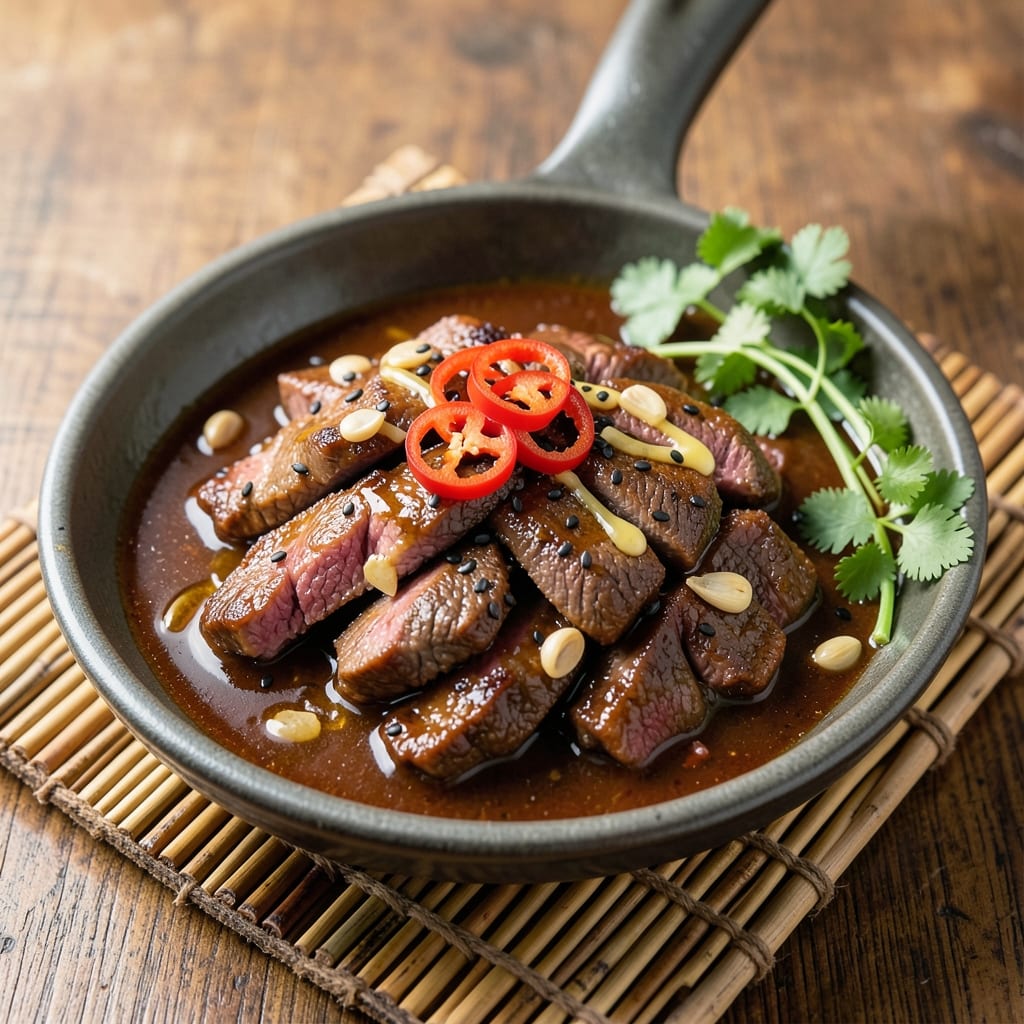
This Asian beef stir-fry sauce transforms ordinary beef into restaurant-quality dishes with its deep umami richness and balanced sweetness. The secret lies in fermented soy glaze—a blend of soy sauce, oyster sauce, and a touch of brown sugar—that caramelizes beautifully during simmering. I developed this recipe after years of testing, ensuring it delivers that signature Asian depth without overwhelming the natural beef flavor.
The sauce comes together in just 15 minutes using simple pantry staples, yet its complexity rivals homemade versions you'd find in specialty stores. The key is simmering the ingredients until the sugars caramelize, creating a glossy, sticky glaze that clings perfectly to beef, broccoli, or noodles. This isn't just a sauce—it's a flavor multiplier that elevates any stir-fry into something extraordinary.
What makes this sauce truly versatile is its adaptability. Adjust the sweetness with extra brown sugar or add a dash of chili flakes for heat, depending on your preference. The sauce also stores beautifully in the refrigerator for up to 2 weeks, making it perfect for meal prep or gifting to fellow home cooks who love Asian flavors.
Whether you're cooking for a weeknight dinner or preparing for a dinner party, this sauce delivers professional-quality results with minimal effort. The rich, savory-sweet profile works equally well with beef, chicken, or even tofu, proving it's a pantry essential for any stir-fry enthusiast.
Ingredients for asian beef stir fry sauce
Nine pantry staples create this umami-packed sauce that transforms stir-fries into restaurant-quality dishes.
| Ingredient | Amount | Notes |
|---|---|---|
| Light Soy Sauce 🥢 | ½ cup | Kikkoman preferred for balanced saltiness |
| Oyster Sauce 🦪 | ¼ cup | Lee Kum Kee for authentic umami depth |
| Brown Sugar 🍯 | ¼ cup | Packed, light brown preferred |
| Rice Vinegar 🍶 | ¼ cup | Seasoned preferred for subtle sweetness |
| Sesame Oil 🫒 | 1 tbsp | Toasted, for nutty aroma |
| Garlic Cloves 🧄 | 4 cloves | Minced, for aromatic base |
| Fresh Ginger 🌿 | 1 tbsp | Grated, for zesty brightness |
| Cornstarch 🌾 | 1 tbsp | For thickening glaze |
| Water 💧 | ¼ cup | Room temperature preferred |
| Red Chili Flakes 🌶️ | ½ tsp | Optional, for subtle heat |
The soy sauce and oyster sauce are the backbone—Kikkoman and Lee Kum Kee are my go-tos, but any quality brands work. Look for reduced-sodium soy sauce if you prefer less salt. The brown sugar should be packed; don't scoop it—it makes a difference. Fresh ginger and garlic? Buy them pre-grated/minced at Trader Joe's if you're short on time, but fresh is always better. Sesame oil is non-negotiable for that nutty aroma—toasted is key, not the regular kind.
No oyster sauce? Substitute with 1 tbsp fish sauce plus 1 tbsp extra brown sugar—it won't be identical, but close. Running low on cornstarch? Arrowroot powder works 1:1. The sauce needs to simmer until thickened, so if you're in a hurry, mix the cornstarch with cold water first to avoid clumping. Chili flakes are optional but add a nice kick—adjust to taste. For extra depth, add 1 tsp of hoisin sauce if you've got it.
This sauce keeps beautifully—2 weeks in the fridge in an airtight jar. The flavors actually improve over time, developing more complexity. For longer storage, freeze in ice cube trays—perfect for single-use portions. Reheat gently on the stove or microwave until just warmed through. A little goes a long way—2-3 tbsp per stir-fry—so make extra while you're at it.
Why You'll Love This Recipe
- Five-Ingredient Magic: I swear, this sauce comes together faster than I can say "stir-fry." Just dump those five pantry staples—light soy, oyster, brown sugar, vinegar, and sesame oil—into a bowl and whisk. No measuring cups, no fancy techniques, just done.
- Umami Bomb: That oyster sauce alone? It’s the secret weapon. Rich, salty, slightly sweet—it turns simple beef into something ridiculously good. And when you hit it with the brown sugar’s caramel depth and a splash of vinegar for brightness? Every bite feels like a little flavor explosion.
- Leftover Hero: Make a double batch and store it in the fridge. This sauce doesn’t skimp on flavor after day two—it just gets better as it melds. Toss it with prepped veggies and frozen beef for a 10-minute meal when you’re too tired to think.
- Budget Flex: Light soy and rice vinegar are cheap, oyster sauce stretches forever, and brown sugar adds sweetness without breaking the bank. Honestly, this is the kind of sauce where you’ll make it again just because it’s so worth it—no guilt, no splurge.
Step-by-step instructions for Asian beef stir fry sauce
This umami-rich sauce builds layer by layer—start with aromatics, balance flavors, then thicken perfectly.
Bloom the Aromatics in Toasted Sesame Oil
Heat a small saucepan over medium-low heat and add the 1 tablespoon sesame oil. Once the oil shimmers gently (about 30 seconds), add the 4 minced garlic cloves and 1 tablespoon grated fresh ginger. Cook for 1-2 minutes until the garlic turns golden and fragrant—this prevents raw garlic flavor in the finished sauce.
I like to press the garlic and ginger into the oil with a wooden spoon to release their essential oils fully. If you smell any burning, reduce the heat immediately. These aromatics form the flavor foundation, so don't rush this step. The oil should smell nutty and aromatic, not bitter.
Combine Wet Ingredients and Simmer
Pour in the 0.5 cup light soy sauce, 0.25 cup oyster sauce, 0.25 cup brown sugar, and 0.25 cup rice vinegar. Stir constantly over medium heat until the mixture reaches a gentle simmer (3-4 minutes). The sugar will dissolve completely, creating a glossy, amber-colored liquid.
This is where the magic happens—the soy sauce develops its fermented depth while the sugar caramelizes slightly. Taste the mixture now—it should be sweet, salty, and tangy. If you want heat, add the 0.5 teaspoon red chili flakes and stir for another 30 seconds. The chili will infuse its warmth without overpowering.
Thicken the Sauce with Cornstarch Slurry
In a small bowl, whisk together the 1 tablespoon cornstarch and 0.25 cup water until completely dissolved. This creates a smooth slurry that will thicken the sauce without clumping. Pour this mixture into the simmering sauce while stirring constantly.
Return the heat to medium-low and cook for 2-3 minutes until the sauce thickens to a glossy, syrupy consistency that coats the back of a spoon. You're aiming for a texture that clings to meat without being gluey. If it thickens too quickly, add 1 tablespoon water to adjust the consistency.
Finish and Rest for Maximum Flavor
Remove the sauce from heat and let it cool for 5 minutes. This resting period allows the flavors to meld completely and the sauce to reach its ideal consistency. The sauce should now be rich, balanced, and ready to elevate any stir-fry.
For best results, store any leftovers in an airtight container in the refrigerator for up to 1 week. The flavors actually improve over time as the components continue to marry. When ready to use, gently reheat over low heat and adjust the consistency with a splash of water if needed.
Pro Tips For Making Asian Beef Stir Fry Sauce
- Warm the Oyster Sauce: I used to dump cold oyster sauce straight into the pan, and it’d clump like glue. Instead, give it a quick swirl in a small bowl with a splash of hot water first—just enough to loosen it up. The sauce will blend smoother and coat the beef evenly without turning grainy. ---
- Simmer, Don’t Boil: After adding all the sauce ingredients, keep the heat at a gentle simmer. Let it bubble softly for 2–3 minutes—this lets the brown sugar caramelize just enough to deepen the flavor without burning. I learned this the hard way when my sauce turned bitter from boiling too fast. ---
- Salt the Soy Sauce: Light soy sauce is salty, but not always enough for stir-fry sauce. Taste it first, then add a pinch of kosher salt—about ¼ teaspoon per tablespoon of soy—before mixing with the rest. This balances the sweetness and acidity better than relying on the oyster sauce alone. ---
- Finish with Cold Oil: Drizzle the sesame oil in last, right off the heat. Heating it too long turns it bitter, and you’ll lose that fresh, nutty aroma. A quick swirl after the pan’s off does the trick—your sauce will smell like a proper Asian takeout dish. (Yes, even if you’re impatient like me.)
Common mistakes when making this recipe
Over-Salting the Sauce
The biggest mistake I see is using too much soy sauce—it's easy to overdo it since we associate more soy with deeper flavor. But this sauce is already packed with umami from the oyster sauce too. Stick to the ½ cup soy sauce measurement, and taste as you go. If it needs more salt later, you can always add a pinch of kosher salt at the end. 🧂
Skipping the Cornstarch Slurry
Some home cooks try to thicken the sauce by just adding cornstarch directly to the pan, which almost always leads to clumps. The secret is making a smooth cornstarch slurry with water first—this ensures even thickening. I've ruined more sauces than I care to admit by skipping this step. Whisk that cornstarch with cold water until completely dissolved before adding it to the pan.
Rushing the Simmering Process
This sauce needs time to develop its rich, caramelized depth. If you rush the 3-4 minute simmer after adding the wet ingredients, you'll miss the sugar caramelization that gives the sauce its signature glossy finish. The flavors also need time to meld—don't be tempted to speed things up. Patience here makes all the difference in the final product's complexity.
Burning the Garlic and Ginger
Low and slow is key when blooming the aromatics. I've seen many cooks crank the heat too high when cooking the garlic and ginger in sesame oil, which burns their delicate flavors and creates bitterness. Keep the heat at medium-low and watch closely—you want golden, fragrant aromatics, not blackened bits. This step sets the entire sauce's flavor foundation.
Not Tasting as You Go
Many recipes tell you to add all the ingredients at once, but this sauce benefits from constant tasting. After combining the wet ingredients, taste the mixture before adding the cornstarch. This lets you adjust the balance of sweet, salty, and tangy flavors right away. I can't tell you how many batches I've had to rescue by adding a pinch more sugar or vinegar at this stage.
Using the Wrong Sesame Oil
Regular sesame oil isn't the same as toasted sesame oil—they have completely different flavor profiles. Regular oil is for high-heat cooking, while toasted oil is what you want here for its nutty aroma. I've made this mistake too, and trust me, the difference is noticeable. Always check the label for "toasted" or "aromatic" sesame oil when making this sauce.
Nutrition facts
Frequently asked questions
Can I make this sauce without oyster sauce?
For a close substitute, mix 1 tablespoon fish sauce with 1 tablespoon extra brown sugar. This combo mimics oyster sauce's umami depth while keeping the sauce's signature sweet-savory balance. The texture will be slightly thinner, so you may need to simmer it an extra 1-2 minutes to reach the perfect consistency.
How do I adjust the sweetness or heat level?
For less sweetness, reduce the brown sugar by 1 tablespoon and add 1 extra tablespoon soy sauce instead. For more heat, increase the red chili flakes by 0.25 teaspoon increments until you reach your desired spice level. Taste as you go—this sauce is highly customizable!
What's the best way to store and reheat leftovers?
Transfer the sauce to an airtight container and refrigerate for up to 2 weeks. The flavors actually improve over time! To reheat, warm gently on the stove over low heat for 1-2 minutes, stirring constantly. If it thickens too much, add 1 teaspoon water at a time until smooth. Never microwave directly—it can break the sauce's silky texture.
Can I use this sauce for other proteins besides beef?
This versatile sauce works beautifully with chicken, pork, shrimp, or even tofu! For seafood, reduce the simmering time to 2 minutes after adding the cornstarch slurry to prevent overcooking. The rich umami profile complements all these proteins, though beef remains the classic pairing. Try it with stir-fried vegetables or noodles too!
Why does my sauce turn out too thin?
Thin sauce usually means the cornstarch didn't activate properly. Make sure you're using a 1:1 cornstarch-to-water ratio and whisking until completely dissolved before adding to the hot sauce. If it's still too thin, mix 1 teaspoon cornstarch with 1 teaspoon water, stir into the sauce, and simmer for 30 seconds longer. Patience is key—don't rush the thickening process!