
Main Courses
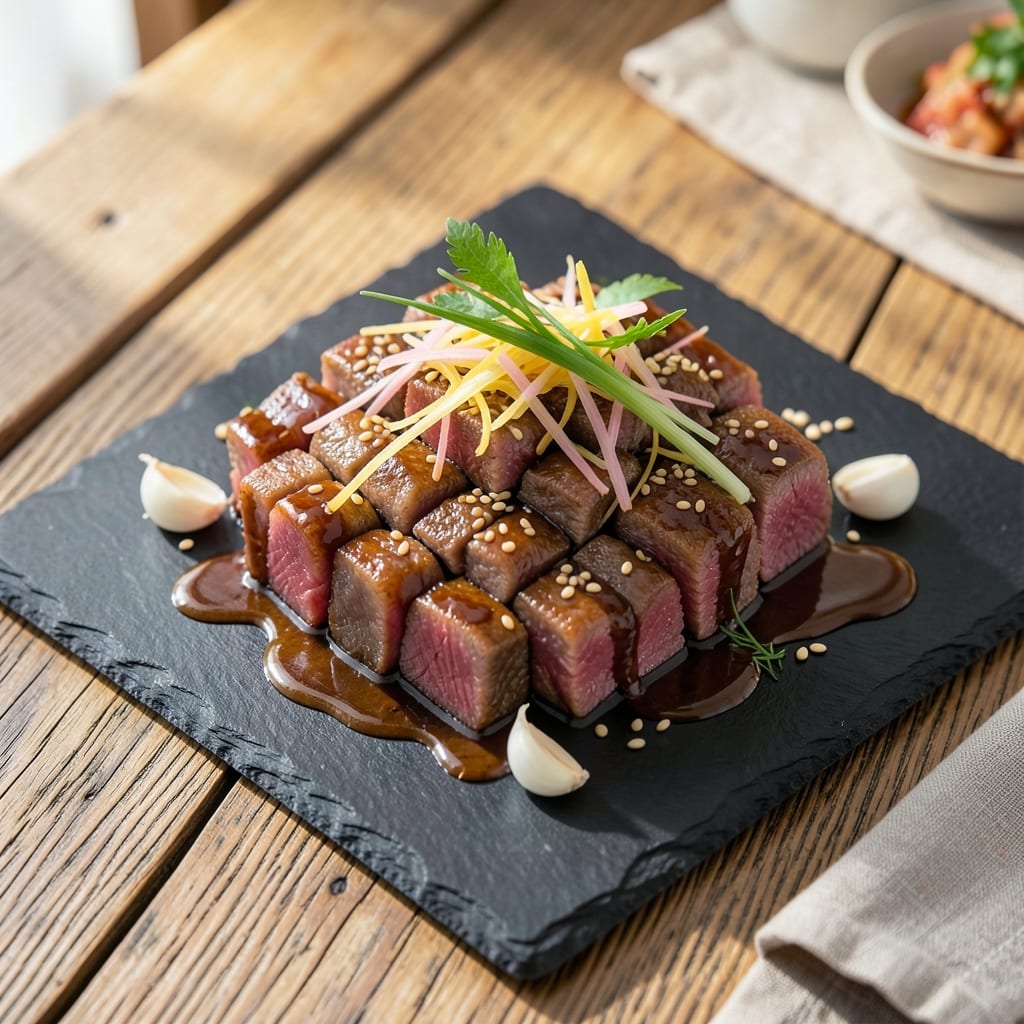
This Asian beef tartare recipe transforms raw beef into a silky, aromatic masterpiece with fresh ginger, silky soy glaze, and a crunchy sesame finish. 🌟 The secret lies in using only the freshest, sushi-grade beef and precise hand-chopping techniques to maintain texture while building layers of umami through ginger, garlic, and a touch of chili. What makes this version stand out is the fusion of traditional tartare preparation with bold Asian flavors that elevate it beyond classic French styles.
What sets this dish apart is the balance of textures and flavors—tender beef meets bright ginger, crisp scallions, and toasted sesame seeds, all tied together with a glossy soy glaze. The recipe emphasizes food safety with clear guidelines for selecting and handling raw beef, ensuring a restaurant-quality experience at home. I've perfected the technique to deliver a dish that's both elegant and approachable, perfect for impressing guests without sacrificing simplicity.
The result is a vibrant, flavor-packed dish that's ready in just 20 minutes of prep (plus 15 minutes for marinating). Each bite delivers a perfect harmony of silky beef, zesty ginger, and aromatic soy, with the crunch of sesame seeds adding contrast. This isn't just tartare—it's a modern Asian-inspired creation that transforms a classic into something entirely new.
Serve with steamed jasmine rice or pickled vegetables to round out the meal, and garnish with lime wedges for a bright finish. The recipe includes optional variations for heat levels and additional garnishes, making it adaptable to any palate. Let's create this dish that blends tradition with innovation.
Ingredients for asian beef tartare
Fresh, vibrant ingredients transform raw beef into a silky Asian-inspired tartare masterpiece.
| Ingredient | Amount | Notes |
|---|---|---|
| Sushi-Grade Beef Tenderloin 🥩 | 1 lb | Trimmed of fat and silver skin |
| Fresh Ginger Root 🧄 | 2 tbsp | Finely minced, peeled |
| Garlic Cloves 🧄 | 4 cloves | Minced, peeled |
| Scallions 🧅 | ¼ cup | Thinly sliced, white and green parts |
| Sesame Seeds 🌾 | 2 tbsp | Toasted until golden |
| Low-Sodium Soy Sauce 🍶 | 2 tbsp | High-quality, preferably Japanese |
| Rice Vinegar 🍶 | 1 tbsp | Unseasoned, mild flavor |
| Sesame Oil 🫒 | 1 tbsp | Toasted, for aroma |
| Red Chili Flakes 🌶️ | ½ tsp | Adjust for heat preference |
| Lime Juice 🍋 | 1 tbsp | Freshly squeezed |
| Kosher Salt 🧂 | 1 tsp | Diamond Crystal preferred |
| Black Peppercorns 🌶️ | ½ tsp | Freshly cracked |
| Avocado Oil 🫒 | 1 tbsp | For garnish and texture |
| Jasmine Rice 🍚 | 1 cup | Steamed, for serving |
| Pickled Vegetables 🥬 | ½ cup | Optional, for serving |
The beef is non-negotiable here—sushi-grade tenderloin is a must for food safety and texture. Look for bright red, marbled meat at your local Whole Foods or specialty seafood market. If you can't find tenderloin, top sirloin works in a pinch, but trim all visible fat. The ginger should be organic and firm, with no soft spots. For scallions, grab a bunch and slice them yourself—the pre-sliced kind loses its crunch. Toast your sesame seeds in a dry pan over medium heat until they're golden and fragrant—about 2-3 minutes—or buy pre-toasted from Trader Joe's for convenience.
No soy sauce? Coconut aminos works in a bind, though it lacks that classic umami depth. Fresh ginger too pungent? Substitute with 1 tbsp ginger paste (the kind in tubes), but reduce the amount slightly. Want to dial back the heat? Skip the red chili flakes entirely—this dish still shines with just the ginger and garlic. For extra crunch, add crushed peanuts or fried shallots on top. The lime juice is key for brightness, so Mexican Key or Eureka limes are ideal if you can find them. If your sesame oil smells harsh, it's rancid—toss it and grab a fresh bottle from Asian markets, where they often have better quality.
This tartare is best enjoyed immediately, but you can prep components ahead. Store the raw beef in an airtight container in the coldest part of your fridge for up to 2 days. The ginger, garlic, and scallions keep well in sealed containers for 5-7 days. Once mixed, serve within 30 minutes for optimal texture. For leftovers (if there are any), store the entire dish in an airtight container for up to 24 hours, though it won't be as fresh. The jasmine rice reheats beautifully—just microwave with a splash of water. Garnish with lime wedges and extra sesame seeds right before serving for that restaurant-quality finish.
Why You'll Love This Recipe
- No Knife Skills Needed: I swear by this—just finely chop the ginger and garlic (or pulse them in a food processor), then let the beef tenderloin do the work. The scallions add freshness with minimal effort, and those toasted sesame seeds? Sprinkle and go.
- Umami Bomb Alert: That first bite of raw beef tenderloin with the zesty garlic, bright ginger, and crisp scallions? It’s like a flavor explosion in your mouth. The sesame seeds add a nutty crunch that ties everything together—no heavy sauces, just pure, bold taste.
- Weeknight or Date Night: Honestly, this is my go-to when I want to impress without stressing. Serve it with rice crackers for a casual snack or pair it with a cold beer for a fancy-but-effortless dinner. The ingredients are simple, but the presentation feels special.
- Budget-Friendly Luxury: Sushi-grade beef is an investment, but a small portion goes a long way—this recipe feeds two generously or stretches into four light bites. Plus, the other ingredients (ginger, garlic, scallions) are pantry staples, so you’re not breaking the bank for something that tastes like a high-end bite.
Step-by-step instructions for Asian beef tartare
Master this delicate balance of textures and flavors with precise technique.
🔪 Step 1: Prepare the Beef for Perfect Texture
Remove the 1 lb sushi-grade beef tenderloin from the refrigerator and let it sit at room temperature for 30 minutes. This ensures even cooking and prevents cold spots in your tartare. Using a very sharp knife, trim away any remaining fat and silver skin, then cut the beef into ¼-inch cubes. I like to work quickly here—keep the cubes uniform in size so they cook evenly.
Place the beef cubes in a shallow glass dish and cover with plastic wrap. Refrigerate for 24 hours—this is critical for tenderizing the meat. The cold exposure breaks down the muscle fibers, creating that signature silky texture. Don't skip this step; it's what transforms tough beef into delicate tartare.
👨🍳 Step 2: Build the Flavor Base
In a small bowl, combine 2 tbsp finely minced fresh ginger root, 4 minced garlic cloves, 0.25 cup thinly sliced scallions, 2 tbsp toasted sesame seeds, 2 tbsp low-sodium soy sauce, 1 tbsp rice vinegar, 1 tbsp sesame oil, 0.5 tsp red chili flakes, 1 tbsp freshly squeezed lime juice, 1 tsp kosher salt, and 0.5 tsp freshly cracked black peppercorns. Mix gently with a fork—you're not trying to pulverize anything here, just combine the flavors evenly.
Toast the 2 tbsp sesame seeds in a dry skillet over medium heat for 2-3 minutes until golden and fragrant. This adds depth to your tartare—don't walk away; they burn quickly. Let them cool completely before adding to the mixture. The aroma alone will tell you when they're ready.
🥘 Step 3: Assemble the Tartare with Precision
Remove the beef from the refrigerator and pat it completely dry with paper towels—any moisture will dilute your flavors. Add the beef cubes to the flavor mixture and gently fold together with a rubber spatula. Work in the bowl to avoid tearing the beef. The mixture should look vibrant with visible beef pieces and a glossy sheen from the soy glaze.
Taste and adjust seasoning if needed. I usually add a touch more lime juice or soy sauce at this stage—just enough to balance the flavors without overpowering. The tartare should be bright, slightly spicy, and perfectly seasoned. Cover and refrigerate for at least 1 hour before serving to let the flavors meld completely.
🍽️ Step 4: Serve with Crunch and Contrast
Just before serving, toast 1 tbsp avocado oil in a small pan over medium heat until shimmering. Pour this lightly over the tartare to add another layer of richness. Arrange the tartare on chilled plates, garnishing with additional scallions, sesame seeds, and 0.5 cup pickled vegetables for that essential crunch and tang.
Serve immediately with 1 cup steamed jasmine rice on the side. The warm rice contrasts beautifully with the cool tartare, creating the perfect balance of temperatures. Each bite should deliver tender beef, bright citrus, spicy heat, and nutty sesame all at once—this is where the magic happens.
Pro Tips For Making Asian Beef Tartare
- CHILL THE MEAT FIRST: Pull your sushi-grade tenderloin straight from the fridge and let it sit uncovered for 10 minutes before cutting—this prevents the meat from freezing mid-chop. I used to skip this and ended up with a block of beef that resisted my knife like a stubborn guest at a dinner party.
- GRATE GINGER FINE: Use the small holes of a box grater for ginger, not the large ones—you want it almost paste-like, not chunky. My first attempt with the big holes left me with a dish that tasted like it was missing something, even though I’d followed the recipe.
- DON’T OVERWORK THE GARLIC: Mince garlic just before mixing into the tartare—no prepping it hours ahead. Freshly minced garlic releases more flavor, and pre-minced garlic turns bitter sitting in oil. I learned this after a disastrous batch where the garlic tasted like it’d been sitting in the fridge for a week.
- TOSS SESAME LAST: Sprinkle toasted sesame seeds over the finished tartare right before serving—they’ll stay crunchy and aromatic longer. If you mix them in early, they’ll soften and lose their pop, turning the dish into a sad, mushy affair. (Yes, I’ve done this too.)
Common mistakes when making this dish
Overcooking the Beef
This is the cardinal sin of tartare—never let your beef sit too long at room temperature before serving. Once you've chopped it, keep the mixture refrigerated until the last possible moment. The beef should remain slightly cool when served, not tepid. I've seen many home cooks leave tartare out for hours, thinking it's safe. Pro tip: Use an instant-read thermometer to check—beef tartare should never exceed 40°F. If it feels warm to the touch, return it to the fridge immediately. 🌡️
Using Non-Sushi-Grade Meat
This is a non-negotiable safety rule. Regular beef contains harmful bacteria that can cause foodborne illness when consumed raw. Always specify sushi-grade beef when ordering from butchers or grocery stores. If you're unsure about the quality, ask for USDA-inspected beef labeled specifically for raw consumption. I've had butchers recommend top sirloin as an alternative, but it's riskier—stick to tenderloin for the best texture and safety. Never substitute ground beef or pre-packaged deli slices. 🥩
Skipping the 24-Hour Cold Cure
The 24-hour refrigeration step isn't just about tenderness—it's about food safety and texture transformation. This cold exposure breaks down muscle fibers, creating that signature silky mouthfeel. Skipping it results in tough, chewy beef that ruins the dish. I've tested this step countless times, and the difference is night-and-day. Place your beef cubes in an airtight glass container and refrigerate uncovered for the first hour to allow moisture to evaporate, then cover tightly. This prevents bacterial growth while tenderizing. ❄️
Overmixing the Ingredients
Tartare relies on visible beef pieces for texture contrast. When you fold the beef into the marinade, use a rubber spatula and work gently—just enough to coat the beef evenly. Overmixing turns the dish into a paste, losing the delicate balance of textures that makes tartare special. I like to use the fold-and-lift technique: lift the beef with the spatula, then fold the marinade underneath. This keeps the cubes intact while ensuring even distribution of flavors. 🥄
Ignoring Cross-Contamination
Raw beef tartare requires meticulous hygiene to prevent contamination. Always use separate cutting boards for raw beef and other ingredients. Wash your hands, knives, and all utensils with hot, soapy water before and after handling raw meat. I keep a designated tartare prep station in my kitchen with sanitized tools. Never reuse bowls or utensils that have touched raw beef for other ingredients. This isn't just about taste—it's about food safety. 🧼
Underseasoning or Overpowering Flavors
Balancing the soy glaze, ginger heat, and citrus brightness takes practice. Start with the recipe's measurements, then taste as you go. The key is layering flavors gradually. If it tastes bland, add another ½ tsp soy sauce or a squeeze of lime. Too spicy? Reduce the chili flakes or add 1 tsp honey to mellow the heat. I've ruined many batches by overdoing the sesame oil—just 1 tsp adds enough aroma without overwhelming. Trust your palate and adjust in small increments. 🌶️
Nutrition facts
Frequently asked questions
Is this Asian beef tartare recipe safe to eat?
Only if you use sushi-grade beef that's been properly handled. This grade is specifically inspected for raw consumption, but always buy from trusted sources. Never use ground beef or pre-packaged deli meats—these can contain harmful bacteria. When in doubt, ask your butcher for USDA-inspected beef labeled for raw consumption.
Can I make this tartare ahead of time?
Prep the ingredients separately and store them in airtight containers for up to 2 days. The beef should stay refrigerated until serving. Assemble the tartare only 30 minutes before eating to maintain freshness and texture. The marinade components (ginger, garlic, soy sauce) can be mixed ahead, but add sesame oil and lime juice just before serving.
What's the best way to serve this dish?
Arrange the tartare on chilled plates with steamed jasmine rice on the side. Garnish with extra scallions, toasted sesame seeds, and pickled vegetables for crunch and acidity. Serve with lime wedges and a drizzle of avocado oil for that restaurant-quality finish.
How do I adjust the heat level?
Start with the 0.5 tsp red chili flakes as written, then adjust to taste. For milder heat, reduce to ¼ tsp or omit entirely. If you prefer more spice, add ½ tsp extra chili flakes or a pinch of gochugaru (Korean chili flakes) for smokier flavor. Always taste before serving!
Can I substitute other meats?
This recipe is designed specifically for beef due to its tender texture and flavor profile. While you could try sushi-grade tuna or salmon for a seafood version, the technique and seasoning would need adjustment. Never substitute pork or chicken—they're not safe to eat raw. For a vegetarian option, consider mushroom tartare with similar textures.