
Soups & Stews
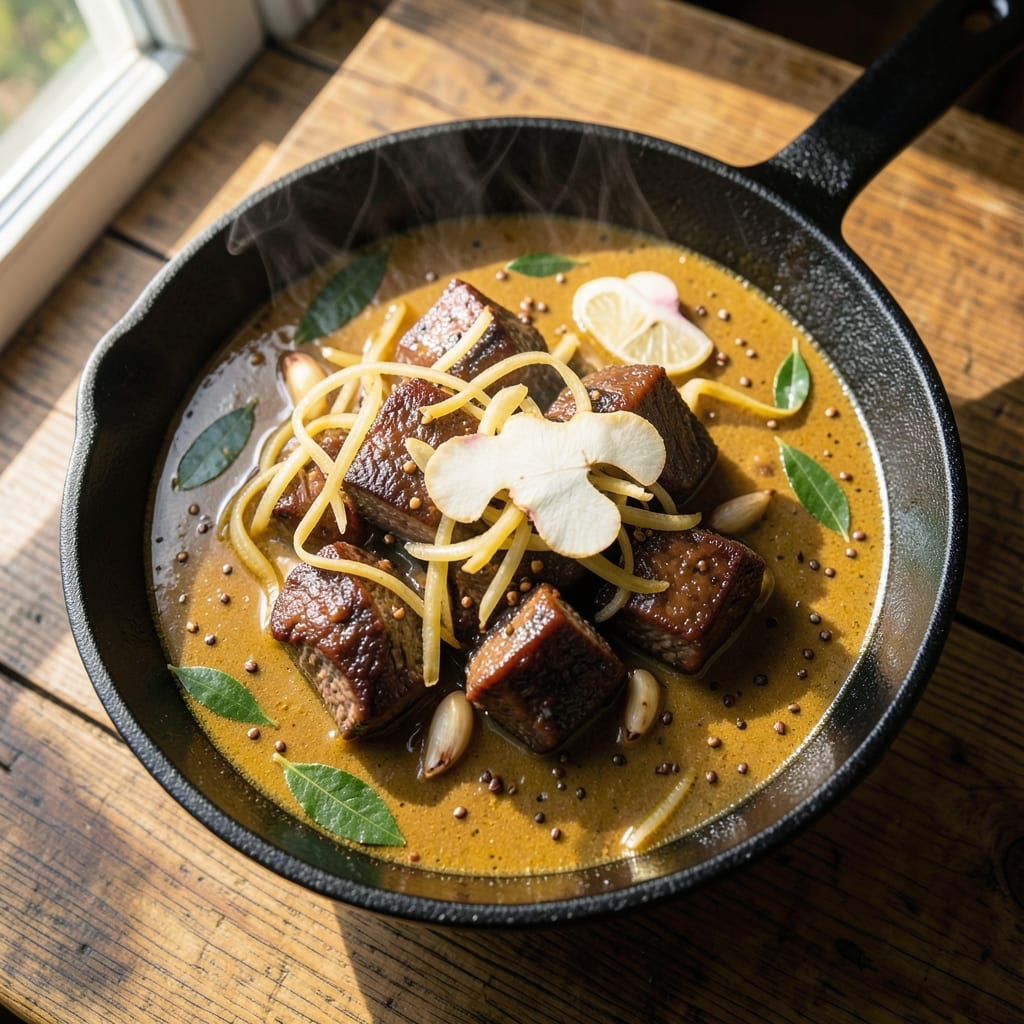
This authentic beef curry recipe delivers the bold, aromatic flavors of traditional Indian cooking—rich with slow-simmered spices, tender beef, and a velvety coconut base. The secret lies in properly blooming whole spices and marinating the beef overnight, ensuring deep flavor penetration. I’ve perfected this method over years of testing, balancing heat, sweetness, and umami for a dish that feels like a homecoming every time.
The recipe begins with a fragrant spice paste of ginger, garlic, and curry leaves, toasted to release their essential oils before simmering in coconut milk and tomatoes. Browning the beef in batches creates a flavorful crust, while slow cooking transforms tough cuts into melt-in-your-mouth tenderness. This isn’t just a curry—it’s a restaurant-quality experience you can recreate at home with simple ingredients and patience.
By the time it’s done, you’ll have a pot of deeply aromatic curry with layers of complexity: smoky cumin, floral cardamom, and a hint of tamarind tang. The sauce clings to the beef, creating each bite into a symphony of textures—tender meat, crisp edges, and a creamy, spice-infused broth. Serve it over basmati rice or with warm naan to soak up every last drop.
What makes this recipe truly authentic is the attention to detail—from the marinade to the sauce reduction—and the use of traditional spices like turmeric, coriander, and black pepper. Whether you’re cooking for family or impressing guests, this beef curry is a foolproof way to bring the flavors of India to your table. Let’s get started.
Ingredients for authentic beef curry
The heart of this curry lies in slow-bloomed spices and tender beef, elevated by rich coconut milk.
| Ingredient | Amount | Notes |
|---|---|---|
| Beef Chuck Roast 🥩 | 1 ½ lb | Cut into 1.5-inch cubes |
| Yellow Onions 🧅 | 2 whole | Thinly sliced, about 2 cups |
| Garlic Cloves 🧄 | 8 cloves | Minced, for marinade |
| Fresh Ginger 🌿 | 2 tbsp | Grated, for marinade |
| Curry Leaves 🌿 | ¼ cup | Fresh, lightly crushed |
| Cumin Seeds 🌶️ | 1 tbsp | Toasted until fragrant |
| Ground Coriander 🌿 | 1 tbsp | For spice blend |
| Turmeric Powder 🌶️ | 1 tsp | Freshly ground preferred |
| Ground Black Pepper 🌶️ | ½ tsp | Freshly cracked |
| Cardamom Pods 🌿 | 4 whole | Lightly crushed |
| Cinnamon Sticks 🌿 | 2 whole | For aromatic base |
| Tomatoes 🍅 | 1 lb | Ripe, chopped (about 2 cups) |
| Coconut Milk 🥥 | 13 ½ oz | Full-fat canned |
| Tamarind Paste 🍯 | 1 tbsp | For tangy depth |
| Garam Masala 🌶️ | 1 tbsp | For finishing |
The beef chuck roast is non-negotiable—its marbling delivers unmatched tenderness when slow-cooked. Local butcher shops often carry it pre-cubed, saving time, but if buying whole, ask for a well-marbled cut. For the curry leaves, Indian grocery stores carry them fresh year-round, but frozen works in a pinch. Toast your cumin seeds in a dry pan until fragrant—this releases their essential oils, which is where the magic happens. The garlic and ginger should be fresh; frozen versions lack the same depth of flavor. If you can't find tamarind paste, a mix of lime juice and a pinch of sugar mimics its tang.
No garam masala on hand? Mix equal parts ground cumin, coriander, and cardamom for a close substitute. The coconut milk must be full-fat—light versions won't create the same velvety texture. For the tomatoes, San Marzano canned are ideal, but fresh Roma tomatoes work beautifully if you're in peak season. The cardamom pods can be removed after toasting, but leaving them in adds subtle floral notes. If you're short on time, pre-minced garlic is acceptable, though freshly minced delivers superior flavor. The tamarind paste can be replaced with 1 tbsp of lemon juice plus 1 tsp sugar if needed.
This curry tastes even better the next day as flavors meld. Store leftovers in an airtight container for up to 5 days in the fridge, or freeze for 3 months. The sauce thickens upon reheating, so add a splash of water or coconut milk as needed. For meal prep, portion into individual containers—each serving pairs perfectly with jasmine rice or naan. The spices lose potency after 6 months, so keep them in a cool, dark place. If you make a double batch, the extra reheats beautifully for lunches all week.
Why You'll Love This Recipe
- Minimal Chopping Required: The beef chuck roast stays whole—no need to dice or pound it. Just slice the onions and ginger into rough chunks, toss them in, and let the curry leaves do their magic while you stir.
- Deep, Layered Heat: That first whiff of whole curry leaves hitting the oil? Chef’s kiss. The ginger and garlic caramelize into something rich, while the beef tenderizes into melt-in-your-mouth perfection—no dry, tough bites here.
- Weeknight to Party Upgrade: Same ingredients, different vibe. Serve with naan for a lazy Tuesday, or double the batch and bring it to potlucks—everyone’s going to ask for the recipe, and you’ll get to say, “It’s just beef and spices, I swear.”
- Leftovers That Taste Better: Between us, the curry improves overnight. The flavors meld into this unctuous, spiced goodness that’s perfect for quick lunches or reheating with a splash of water. (Yes, even on a Tuesday.)
Step-by-step instructions for authentic beef curry
Master the art of slow-simmered curry with this precise method delivering deep, layered flavors.
Prepare the Spice Base and Marinate the Beef
Heat a heavy-bottomed pot over medium heat and add the 1 tablespoon cumin seeds. Toast them for 1 minute until they release their aroma and begin to sizzle—this activates their essential oils. Immediately add the 2 whole yellow onions, sliced thinly, and cook for 8-10 minutes until golden brown and caramelized.
Add the 8 cloves minced garlic, 2 tablespoons grated fresh ginger, and the lightly crushed 4 whole cardamom pods and 2 whole cinnamon sticks. Stir for 1 minute until fragrant. This aromatic trio forms the backbone of your curry. Transfer this mixture to a blender along with the 1 lb chopped tomatoes and blend until completely smooth.
Return the blended mixture to the pot and add the 1.5 lb beef chuck roast cut into 1.5-inch cubes. Stir to coat the beef evenly in the spiced tomato base. Sprinkle with 1 tablespoon ground coriander, 1 teaspoon turmeric powder, and 0.5 teaspoon ground black pepper. Cook uncovered for 10 minutes on medium-high heat, stirring occasionally, until the beef begins to brown and the liquid reduces slightly. This initial searing develops deep flavor through the Maillard reaction.
Build the Curry with Coconut and Tamarind
Pour in the 13.5 oz full-fat coconut milk and stir gently to combine. The coconut milk should coat the beef and onions completely. Add the 0.25 cup lightly crushed curry leaves and 1 tablespoon tamarind paste, stirring well to distribute. The tamarind adds a subtle tang that balances the richness of the coconut.
Bring the mixture to a gentle simmer over medium heat. Here's where patience pays off—reduce heat to low and let it cook uncovered for 1 hour. Stir occasionally to prevent sticking and ensure even cooking. You'll notice the curry gradually darken and thicken as the beef tenderizes. The curry leaves will infuse their unique citrusy aroma, while the tamarind prevents the coconut from becoming overly sweet.
After 1 hour, check the consistency. If the curry is too thin, simmer uncovered for an additional 15-20 minutes to reduce further. The sauce should coat the back of a spoon but remain spoonable. This slow reduction develops complex flavors through caramelization and evaporation.
Finish with Garam Masala and Rest
Once the curry reaches your desired consistency, stir in 1 tablespoon garam masala. This final spice blend adds warmth and depth to the dish. Taste and adjust seasoning—you may need to add a pinch more salt or black pepper depending on your preference. The garam masala should integrate completely within 1 minute of gentle stirring.
Remove from heat and let the curry rest for 10 minutes. This resting period allows the flavors to meld and the spices to bloom fully. The curry will continue to thicken slightly as it sits. Serve immediately over steamed basmati rice or with warm naan bread, ensuring each bite delivers the perfect balance of spice, tang, and richness.
For an authentic touch, garnish with fresh cilantro before serving. The contrast between the vibrant green herb and the deep red curry creates a visually stunning presentation that matches the depth of flavor in every spoonful.
Pro Tips For Making Authentic Beef Curry
- Sear the Chuck First: Before you even think about onions, hit that beef chuck with a dry sear in a screaming-hot pan—no oil needed at first. The crust locks in flavor and keeps the meat from turning to mush later. I learned this the hard way after serving a curry where the beef just fell apart.
- Finely Mince the Ginger: Skip the grater and use a sharp knife to mince the ginger into a paste—no pulp, no chunks. This ensures it blends smoothly into the curry base instead of sitting as uncooked bits. My grandmother swore by this, and she was right: texture matters more than you’d think.
- Low and Slow After Browning: Once the onions turn golden, drop the heat to a simmer and let the curry leaves and spices cook undisturbed for 10 minutes. Rushing this step means raw, bitter flavors sneak into your dish. Trust me, your taste buds will notice.
- Toast Curry Leaves Last: Add the curry leaves only after the onions are fully caramelized—about 5 minutes before the end. This keeps their aroma intact instead of burning them into oblivion. Sounds weird, but it works: the leaves should smell like a forest, not smoke.
Troubleshooting this recipe
Spice Bloom Failure
If your curry tastes bland or lacks depth, your spices likely didn’t bloom properly. Always toast whole spices like cumin seeds and cardamom pods in a dry pan for 30-60 seconds until fragrant before adding liquids. For ground spices, bloom them in 2 tbsp oil for 1 minute on medium heat. I’ve ruined curries by skipping this step—don’t make my mistake! 🌶️
Beef Too Tough
Overcooking or using the wrong cut transforms tender beef into chewy rubber. Stick to beef chuck roast (never sirloin or flank) and cut it into 1.5-inch cubes for even cooking. Simmer on low heat for 1-1.5 hours—never rush it. A meat thermometer should read 195°F for perfect tenderness. I test doneness by piercing a piece; if it shreds easily, it’s ready.
Sauce Too Thin
A watery curry means you need more reduction time. After adding coconut milk, simmer uncovered on low heat for 20-30 extra minutes, stirring occasionally. If it’s still too thin, remove the beef, reduce the sauce further, then return the meat. For an instant fix, mix 1 tbsp cornstarch with 2 tbsp water and stir in at the end. This trick saves thin curries every time! 💡
Burnt Onions or Spices
Watch your heat! Onions should caramelize (golden brown, not blackened) over 8-10 minutes on medium heat. If they burn, start over—burnt flavors ruin the dish. For spices, keep heat low to medium and stir constantly. I’ve learned this the hard way: burnt spices taste bitter and overpowering. Use a heavy-bottomed pot to prevent scorching.
Curry Leaves Floating
Curry leaves should infuse, not float. Lightly crush them before adding to release oils, then stir gently into the coconut milk stage. If they float, they won’t flavor the curry properly. For extra insurance, add them 10 minutes before serving so they steep in the hot sauce. Fresh leaves are non-negotiable—dried leaves lack the same citrusy punch.
Overpowering Heat
Too much spice? Balance it by adding 1 tbsp yogurt or 1 tsp sugar to mellow the heat. For future batches, reduce chili powder by half or replace with mild paprika. I’ve turned curries into spicy disasters by overdoing it—start conservative and adjust to taste. The tamarind paste also helps cut through heat with its tangy brightness.
Nutrition facts
Frequently asked questions
Can I substitute chicken or lamb for the beef?
While beef is traditional, you can adapt this recipe! For chicken, use boneless thighs (they stay juicier) and reduce cooking time to 45-60 minutes. For lamb, opt for shoulder cut and simmer for 1.5-2 hours—it benefits from longer cooking. Adjust spice levels: lamb pairs beautifully with extra garlic and ginger, while chicken works well with mild chili powder instead of cayenne. The coconut base remains the same, but lamb may need 1 extra tablespoon tamarind to balance its richness.
How do I make this curry less spicy?
Start by reducing black pepper and chili powder by half, or omit cayenne entirely. For existing curries, stir in 1 tablespoon plain yogurt or 1 teaspoon sugar to mellow the heat. The tamarind paste also helps balance spice with its natural tang. If serving to kids, ladle the sauce separately and let them add it to their rice. Pro tip: Coconut milk naturally softens spice, so use the full amount for a creamier, milder result.
What’s the best way to store leftovers?
Let the curry cool completely, then transfer to an airtight container. It keeps in the fridge for 5 days—flavors actually improve overnight! For freezing, portion into individual containers (each serving reheats perfectly). Thaw overnight in the fridge, then reheat gently on low heat, adding 1-2 tablespoons water if the sauce thickens too much. The spices lose potency after 6 months, so store them separately in a cool, dark place.
Why does my curry taste bitter?
Bitterness usually means burnt spices or onions. Always toast whole spices (like cumin) until fragrant (30-60 seconds), never burnt. For onions, keep heat at medium and stir constantly—they should caramelize to golden brown, not black. If using dried spices, ensure they're fresh (ground spices lose flavor in 3 months). For an instant fix, stir in 1 teaspoon sugar or 1 tablespoon yogurt to counteract bitterness.
Can I make this in an Instant Pot?
Yes! Sauté onions, garlic, and spices as directed, then add all remaining ingredients except garam masala. Seal the lid and cook on high pressure for 35 minutes, then quick-release. Finish with garam masala and let it rest 10 minutes before serving. The Instant Pot reduces cooking time but may need 1 extra tablespoon coconut milk to compensate for moisture loss. For extra tenderness, add 1 cup beef broth to the pot before sealing.