
Main Courses
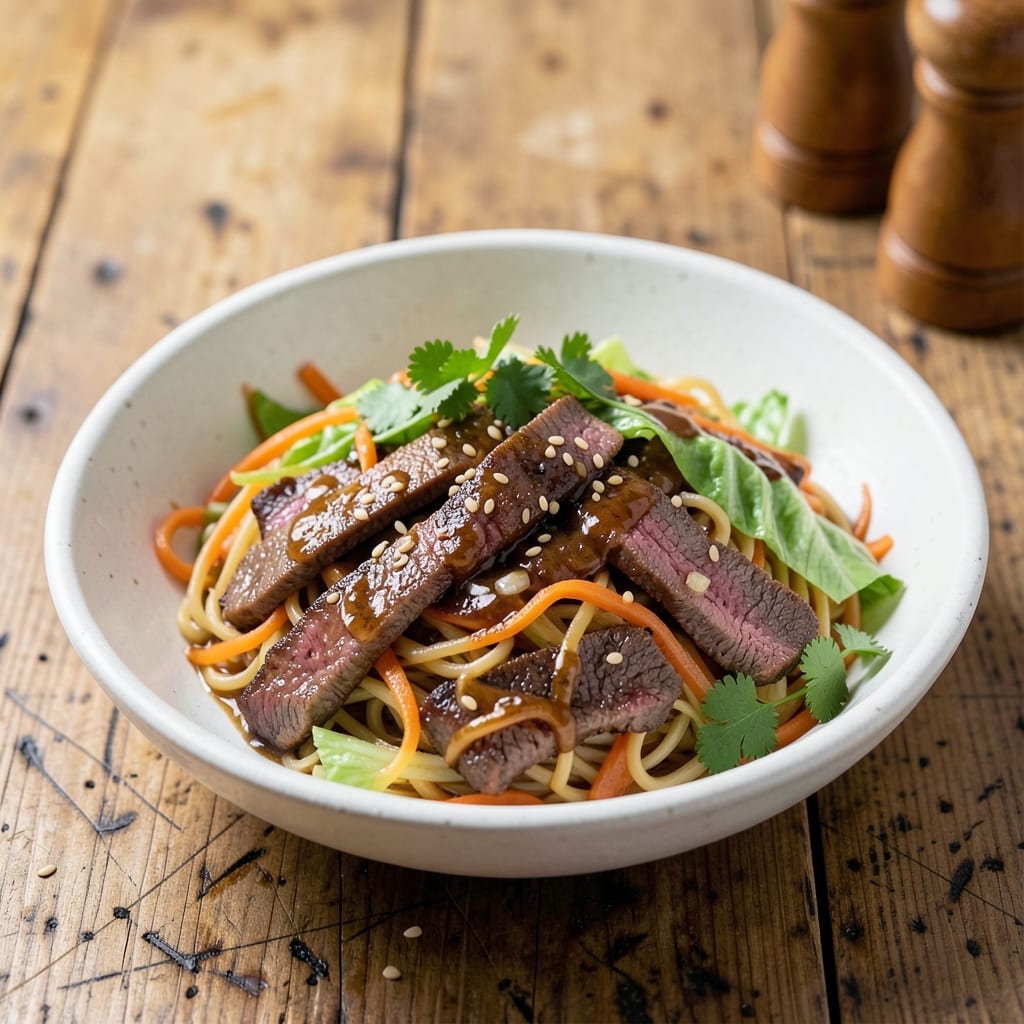
This authentic beef yakisoba recipe brings the bold flavors of Japan straight to your kitchen with wok-seared noodles and a rich, umami-packed soy-ginger sauce. 🔥 The secret lies in high-heat stir-frying and a balanced sauce that marries sweet, salty, and aromatic notes—just like the dishes served in Tokyo’s izakayas. I’ve refined this recipe over years of testing, ensuring every bite delivers that perfect chewy texture and savory depth.
The foundation starts with yakisoba noodles, which need proper preparation—soaking them just long enough to soften without turning mushy. Thinly sliced beef tenderizes quickly in the wok, absorbing the sauce’s complex flavors, while vegetables add freshness and crunch. The sauce, a harmony of soy sauce, mirin, and a touch of dashi, is what truly elevates this dish from ordinary to extraordinary.
What you’ll end up with is a restaurant-quality bowl of noodles—golden edges on the noodles, tender beef, and a glossy sauce that clings to every strand. The aroma alone will have everyone at the table reaching for seconds. This isn’t just a recipe; it’s a taste of Japan’s street food culture, simplified for home cooks.
Ready to master it? The key steps—prepping the noodles, searing the beef, and balancing the sauce—are all broken down clearly in the instructions. Whether you’re feeding a crowd or treating yourself to a weeknight feast, this yakisoba delivers flavor and satisfaction every time.
Ingredients for authentic beef yakisoba
These quality ingredients transform into restaurant-style beef yakisoba with perfect chewy noodles and savory sauce.
| Ingredient | Amount | Notes |
|---|---|---|
| Yakisoba Noodles 🍜 | 12 oz | Dried, wheat-based, for stir-frying |
| Thinly Sliced Beef Tenderloin 🥩 | 1 lb | Freeze for 30 mins before slicing |
| Carrots 🥕 | 2 whole | Julienned, 1/4-inch thick strips |
| Green Cabbage 🥬 | 4 cups | Shredded, outer leaves removed |
| White Onion 🧅 | 1 whole | Thinly sliced, 1/8-inch thick |
| Garlic Cloves 🧄 | 6 cloves | Minced, peeled |
| Vegetable Oil 🫒 | 3 tbsp | High smoke point preferred |
| Soy Sauce 🍶 | ½ cup | Japanese-style, reduced |
| Mirin 🍶 | ¼ cup | Sweet rice wine, non-alcoholic if preferred |
| Dashi Powder 🍲 | 1 tbsp | Instant, for umami depth |
| Sesame Oil 🫒 | 1 tbsp | Toasted, for finishing |
| Toasted Sesame Seeds 🌾 | 1 tbsp | For garnish |
| White Pepper 🌶️ | ½ tsp | Freshly ground |
| Sugar 🍚 | 1 tbsp | Granulated, for balancing |
The yakisoba noodles are non-negotiable—Maruchan or Nissin brands are the gold standard, but any wheat-based stir-fry noodles work. Look for the thin, flat strands that hold up to high heat. The beef should be tenderloin or sirloin—freeze it for 30 minutes before slicing to make it easier to cut thin strips. For the vegetables, cabbage and carrots should be fresh and crisp; skip the pre-shredded bags—they lose texture fast. If you can't find dashi powder, bonito flakes or kombu seaweed are traditional alternatives, but instant powder is the easiest for home cooks.
No mirin? Substitute with 1 tbsp sugar plus 1 tbsp water—it won't be identical, but it works in a pinch. The soy sauce is where flavor happens, so Japanese-style soy sauce (like Kikkoman) is ideal. If you're avoiding alcohol, check your mirin label—some brands offer non-alcoholic versions. For the oil, vegetable or canola oil is best for high-heat searing, but peanut oil works too if you're avoiding strong flavors. The sesame oil should be toasted—the nutty aroma is essential—and always add it at the end to preserve its flavor. If you're short on time, prep all veggies and beef while the noodles soak—they'll soften in just 5-7 minutes.
Store prepped ingredients in airtight containers—cooked noodles keep for 3 days in the fridge, but they're best fresh. The sauce ingredients (soy, mirin, sugar) can be mixed ahead and stored for up to 1 week. For leftovers, reheat gently in a skillet with a splash of water to restore texture. Freeze portions for 3 months—just thaw overnight in the fridge. The noodles dry out fast when reheated, so add a splash of water or broth to revive them.
Why You'll Love This Recipe
- No Fancy Knife Skills: I swear by this recipe because it only asks for a sharp knife—not a chef’s precision. Thinly sliced beef tenderloin cooks in minutes, and the cabbage and carrots barely need chopping. My kids even help with the onion, and we still end up with dinner on the table.
- Umami Bomb Combo: That beef tenderloin? It’s the star—seared just enough to stay tender but packed with flavor. The yakisoba sauce ties everything together with its sweet-savory depth, and the cabbage adds a satisfying crunch. Honestly, it’s the kind of dish that makes you go back for seconds without even trying.
- Weeknight to Potluck Hero: This recipe works for lazy Tuesdays and impressing guests. Double the batch, and you’ve got leftovers for lunch the next day. Or serve it at room temperature—it’s perfect for picnics or potlucks. My husband’s coworkers still ask for the recipe after that office party.
- Budget-Friendly Protein Power: Beef tenderloin might sound fancy, but a small cut goes a long way when sliced thin. The rest of the ingredients—cabbage, carrots, onion—are cheap staples that stretch into multiple meals. I’ll be real: it’s my go-to when I need a hearty, filling dinner without breaking the bank.
Step-by-step instructions for authentic beef yakisoba
Master this classic Japanese stir-fry with precise timing and wok technique.
🍳 Step 1: Prepare the Yakisoba Noodles
Bring a large pot of water to a rolling boil and add the 12 oz yakisoba noodles. Cook for 3-4 minutes until al dente—the noodles should still have a slight bite. Drain immediately and rinse under cold water for 30 seconds to stop the cooking process and remove excess starch.
I always drain and rinse the noodles right before stir-frying. This prevents them from turning mushy in the hot wok. Spread the noodles on a clean kitchen towel and pat dry gently. Keep them covered with the towel until ready to use—this prevents them from drying out.
🔥 Step 2: Stir-Fry Vegetables and Beef
Heat a wok or large skillet over high heat until smoking. Add 2 tablespoons vegetable oil and swirl to coat. Add the thinly sliced beef tenderloin and sear for 1-2 minutes until browned but not fully cooked. Remove beef and set aside.
In the same wok, add the remaining 1 tablespoon vegetable oil. Add the julienned carrots and thinly sliced white onion, stir-frying for 2-3 minutes until the carrots turn bright orange and the onions become translucent. Add the shredded green cabbage and cook for another 2 minutes until just wilted.
🍳 Step 3: Build the Savory Sauce
Push the vegetables to one side of the wok. Add the 6 minced garlic cloves and stir for 30 seconds until fragrant. Pour in the 0.5 cup soy sauce, 0.25 cup mirin, and 1 tablespoon dashi powder. Stir well to combine and let it simmer for 1 minute until slightly reduced.
Add the 1 tablespoon sugar and 0.5 teaspoon white pepper, stirring until the sugar dissolves completely. Return the beef to the wok and toss everything together for 1 minute to coat the beef and vegetables evenly with the sauce.
🥘 Step 4: Combine Noodles and Finish
Add the prepared yakisoba noodles to the wok and toss vigorously for 2-3 minutes until everything is well-coated and heated through. The noodles should absorb the sauce while maintaining their texture. If the mixture looks too dry, add 1-2 tablespoons water to loosen it.
Remove from heat and drizzle with 1 tablespoon sesame oil. Toss once more to distribute the oil evenly. The dish should have a glossy sheen from the sesame oil, indicating it's properly finished.
🍽️ Step 5: Serve with Garnish
Transfer the yakisoba to serving plates immediately. Sprinkle generously with 1 tablespoon toasted sesame seeds for added texture and aroma. Serve hot while the noodles are still slightly springy and the sauce is vibrant.
This authentic beef yakisoba delivers the perfect balance of chewy noodles, tender beef, and sweet-savory sauce. The key is high heat and quick cooking—don't overcrowd the wok, and work in batches if needed to maintain proper searing.
Pro Tips For Making Authentic Beef Yakisoba
- Slice Beef Against Grain: Thinly sliced beef tenderloin cooks faster and stays tender when cut perpendicular to the grain—this isn’t just theory, it’s the difference between chewy and melt-in-your-mouth. If your slices look like they’re fighting you, flip the cut and try again; that’s how you get the right texture for yakisoba.
- Blanch Carrots First: I used to toss raw carrots into the stir-fry and wonder why they stayed crunchy. Now I blanch them for 90 seconds in boiling water, then shock in ice water—this softens them just enough to caramelize properly without turning mushy. (Yes, even if you’re impatient like me.)
- Don’t Overcrowd the Pan: Stuffing the wok with all the ingredients at once steams your beef instead of searing it. Work in batches: beef first (high heat, 30 seconds max), then veggies in order of hardness, and finally the noodles. Crowding is how you end up with soggy stir-fry.
- Use Yakisoba Sauce Sparingly: The packet sauce is salty and sweet—way more than you need. Start with half the recommended amount, taste, then add a splash of soy sauce and a pinch of sugar if it’s too bland. Trust me, you’ll save money and avoid that overpowering aftertaste.
Wine and beer pairings for this authentic beef yakisoba
Japanese Sake Pairings
For an authentic experience, serve your beef yakisoba with a crisp dry junmai sake like Dassai 18 or Gekkeikan Sake. The clean, slightly nutty notes of junmai complement the dish's umami without overpowering it. Chill your sake to 45-50°F—just enough to enhance its delicate flavors while keeping it refreshing against the rich noodles. 🍶
Light Lager Complements
A Japanese lager such as Asahi Super Dry or Sapporo works beautifully with yakisoba. The crisp, effervescent quality cuts through the dish's richness, while its subtle malt sweetness echoes the mirin in the sauce. Serve these beers well-chilled at 40°F to highlight their crispness and clean finish.
Umami-Enhanced Options
For a bolder pairing, try a sake-based cocktail like Umeshu (plum wine) mixed with soda water. The fruity sweetness balances the savory-sweet yakisoba sauce. Alternatively, a light Japanese red wine such as Koshu adds a subtle earthiness that enhances the dish's depth without competing.
Non-Alcoholic Choices
If alcohol isn't an option, a sparkling yuzu soda or green tea (like Sencha) pairs wonderfully. The citrusy brightness of yuzu cleanses the palate between bites, while the astringency of green tea complements the soy and sesame flavors. Serve green tea at room temperature for the best harmony.
Warm Season Suggestions
In warmer months, a chilled highball made with Suntory Toki and soda water adds a refreshing contrast. The effervescence and light citrus notes refresh the palate, making each bite of yakisoba feel lighter. For a non-alcoholic twist, melon soda (a Japanese classic) offers a sweet, creamy balance to the dish's savory profile.
Nutrition facts
Frequently asked questions
Can I use regular spaghetti instead of yakisoba noodles?
No, yakisoba noodles are specifically designed for stir-frying—they're thinner, chewier, and hold up better to high heat. Regular spaghetti will turn mushy and fall apart. If you can't find yakisoba noodles, look for "chow mein noodles" as a close substitute, but they won't be identical in texture.
Why does my yakisoba sauce taste too salty?
Too much soy sauce is the usual culprit! Start with 0.375 cup soy sauce and adjust to taste—you can always add more mirin or sugar to balance the saltiness. The key is simmering the sauce for 1 minute to reduce excess liquid before adding the noodles.
How do I make this recipe vegetarian?
Swap the beef for thinly sliced tofu or shiitake mushrooms—both work well in the sauce. For extra umami, add 1 teaspoon soy sauce to the tofu before cooking. Keep the rest of the recipe identical, as the sauce and noodles will still shine with the same savory flavors.
Can I make yakisoba ahead of time?
Yes, but with a few tricks! Cook the noodles and sauce separately, then store them in airtight containers for up to 3 days. Reheat gently in a skillet with a splash of water to revive the texture. For best results, assemble fresh—prepped noodles lose their chewiness when reheated.
What's the secret to getting crispy edges on the noodles?
High heat and proper timing are everything! Use a wok or cast-iron skillet and keep the heat at high until the noodles develop golden-brown edges. Work in batches if needed, and toss constantly for 2-3 minutes—this creates the signature crispy texture without overcooking.