
Soups & Stews
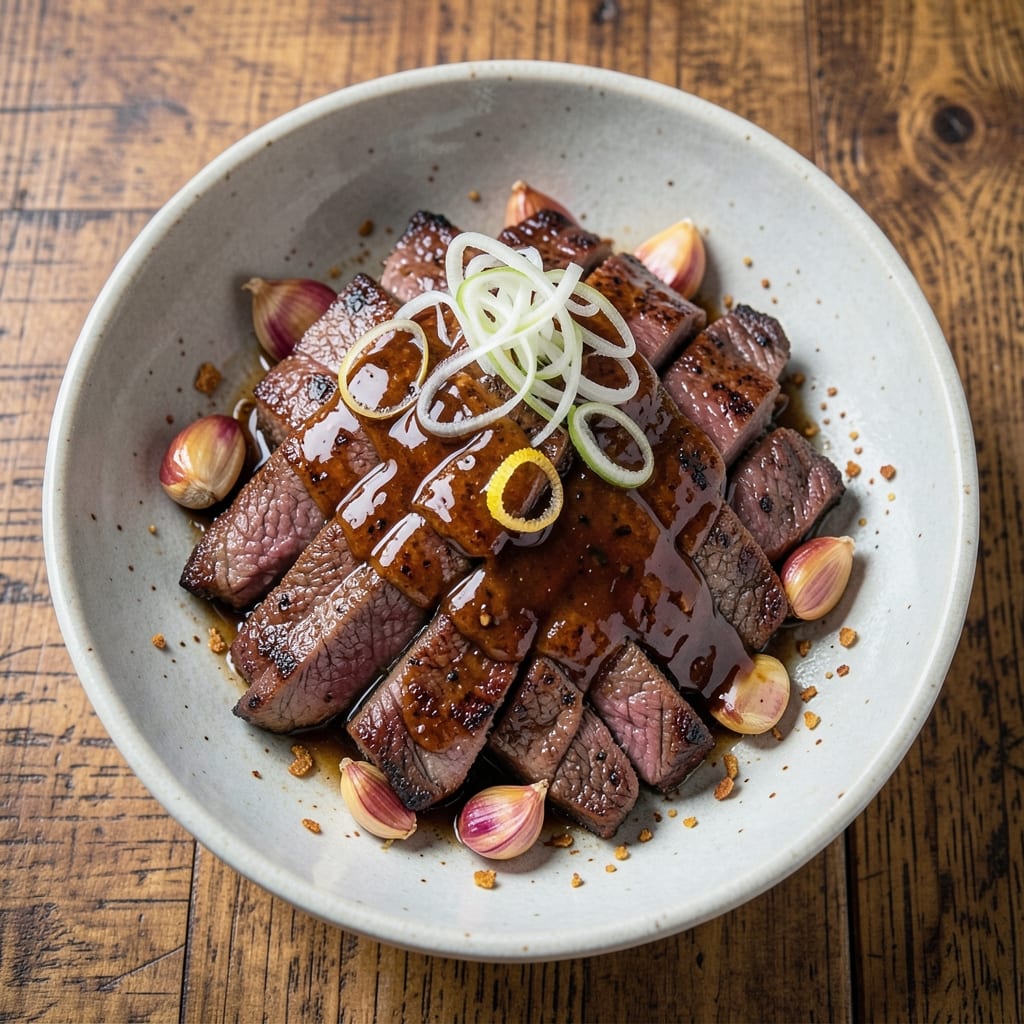
This authentic Japanese beef teriyaki recipe delivers the perfect balance of glossy, sweet-savory sauce and caramelized crust that makes every bite unforgettable. The secret lies in marinating thinly sliced beef with mirin and soy sauce, then broiling it to create that signature mahogani crust while keeping the inside tender. I've perfected this technique over years of testing, ensuring the sauce reduces just enough to coat the beef without overwhelming its natural flavor.
What sets this recipe apart is the traditional teriyaki sauce made from scratch—no shortcuts here. We'll combine soy sauce, mirin, sake, and sugar to create a sauce that's both sweet and umami-rich, with a subtle depth that comes from simmering it until it thickens slightly. The beef gets marinated for at least 30 minutes (overnight for maximum flavor), then broiled to develop that beautiful caramelized crust that's crispy on the outside yet tender within.
The result is restaurant-quality teriyaki beef that's perfect for serving over steamed rice with stir-fried vegetables on the side. The sauce clings beautifully to the beef, creating a harmonious blend of flavors in every bite. This isn't just another teriyaki recipe—it's the kind that makes you feel like you've been transported to a bustling Tokyo izakaya.
We'll also cover how to prepare classic sides like steamed rice and quick stir-fried napa cabbage to complete the meal. The entire process takes about 45 minutes, making it ideal for weeknight dinners that feel special. Let's get started on creating this authentic Japanese masterpiece.
Ingredients for authentic japanese beef teriyaki
Thinly sliced beef, sweet-savory sauce, and crispy crust—authentic teriyaki magic starts with these essential ingredients.
| Ingredient | Amount | Notes |
|---|---|---|
| Ribeye Steak 🥩 | 1 ¼ lb | Thinly sliced against grain |
| Soy Sauce 🥢 | ½ cup | Japanese-style, reduced |
| Mirin 🍶 | ¼ cup | Sweet cooking wine |
| Dry White Wine 🍷 | ¼ cup | Sake substitute if preferred |
| Granulated Sugar 🍚 | ¼ cup | White or light brown |
| Garlic Cloves 🧄 | 4 cloves | Minced for sauce |
| Fresh Ginger 🌿 | 1 inch | Peeled, julienned |
| Sesame Oil 🫒 | 1 tbsp | Toasted for aroma |
| Neutral Oil 🫒 | 1 tbsp | Avocado or vegetable oil |
| Napa Cabbage 🥬 | 1 whole | For quick stir-fry |
| Long-Grain White Rice 🍚 | 1 ½ cups | Uncooked, jasmine preferred |
| Diamond Crystal Kosher Salt 🧂 | 1 tsp | For sauce seasoning |
| Ground Black Pepper 🌶️ | ½ tsp | Freshly cracked |
The beef is everything here. Ribeye gives the best marbling, but sirloin works too. Slice it paper-thin against the grain—Costco or Whole Foods often carry pre-sliced packages, but if you're slicing yourself, use a sharp knife and freeze the meat 30 minutes first. The mirin and soy sauce combo is non-negotiable for that authentic umami-sweet balance. Grab Kikkoman soy sauce if you can find it—it's the gold standard for teriyaki. For the ginger, look for fresh, vibrant roots with no soft spots—Asian markets usually have the best selection.
No mirin? Substitute with 1 tbsp honey plus 1 tbsp water, but you'll lose some depth. Sake is ideal, but dry white wine works in a pinch. The sugar can be swapped for maple syrup at half the amount if you prefer. For the cabbage, baby napa cabbage is perfect, but regular napa works too—just slice it thinly. The sesame oil is purely for aroma, so don't skimp—La Choy toasted sesame oil is my go-to. And if you're making a big batch, double the sauce ingredients—it keeps beautifully in the fridge.
Marinated beef stays fresh for 2 days in the fridge, but the teriyaki sauce? 1 week is no problem—it actually gets better as flavors meld. Store the sauce separately in an airtight container with a thin layer of oil on top to preserve freshness. The rice reheats beautifully—just add a splash of water and steam it again. For the cabbage, stir-fry it fresh or store it in a sealed container with a paper towel to absorb moisture. Make the sauce in advance if you're short on time—it's the star of the show.
Why You'll Love This Recipe
- One-Pan Magic: I swear by this recipe when I’m too tired to scrub pots—just sear the ribeye, toss in the mirin and wine, let it bubble until the sauce clings like a dream. The sugar caramelizes right in the pan, so cleanup is basically nonexistent.
- Umami Bomb: That combo of soy, mirin, and white wine? It’s like a flavor explosion in your mouth. The ribeye stays juicy while the sauce gets glossy-sweet with just a hint of tang—honestly, I reach for this when I want something that tastes restaurant-quality without the fuss.
- Weeknight & Weekend Star: Make it for Tuesday takeout night or impress guests on Saturday—same recipe, different vibes. The leftovers? Even better cold in rice bowls the next day. (Yes, even my picky teenager asks for seconds.)
- Budget Steakhouse Hack: Ribeye feels fancy, but this sauce stretches it into three meals without breaking the bank. A splash of wine and a spoonful of sugar turn basic steak into something that feels like a splurge—without the splurge price tag.
Step-by-step instructions for authentic Japanese beef teriyaki
Here's how to nail that perfect glossy sauce and caramelized crust every time.
Marinate the Ribeye for Maximum Flavor
Slice the 1.25 lb ribeye steak against the grain into thin strips, about ¼-inch thick. Place them in a bowl and combine with 0.5 cup soy sauce, 0.25 cup mirin, 0.25 cup dry white wine, and 0.25 cup granulated sugar. Mix gently to coat the beef evenly. Let it marinate for at least 30 minutes—this ensures the flavors penetrate deeply and the sugar begins caramelizing on the surface.
The longer you marinate, the more tender and flavorful the beef becomes. I like to let mine sit for up to 2 hours in the fridge, but even 30 minutes makes a noticeable difference. The sugar in the marinade will create that beautiful caramelized crust when seared, so don't skip this step—it's what makes teriyaki truly special.
Prepare the Quick-Pickled Napa Cabbage
While the beef marinates, thinly slice the 1 whole napa cabbage into bite-sized pieces. In a separate bowl, combine the cabbage with 1 tbsp toasted sesame oil, 1 tsp diamond crystal kosher salt, and 0.5 tsp freshly cracked ground black pepper. Toss gently to distribute the seasoning evenly. Let it sit for 10 minutes—this gives the cabbage time to soften slightly and absorb the flavors.
The cabbage should look vibrant and slightly wilted after resting. This quick-pickling process adds a subtle crunch and balances the richness of the teriyaki beef. Don't over-toss or the cabbage will turn mushy—just enough to coat the surfaces. This step is what makes the dish feel authentically Japanese, adding freshness and texture contrast.
Cook the Rice to Perfect Al Dente
Rinse the 1.5 cups long-grain white rice thoroughly under cold water until the water runs clear. This removes excess starch that can make the rice gummy. Combine the rice with 3 cups water in a pot and bring to a boil. Once boiling, reduce heat to low, cover, and simmer for 15 minutes. Then turn off the heat and let it steam for another 10 minutes. Fluff gently with a fork before serving.
Perfect rice is the foundation of any Japanese meal. The grains should be separate but still tender, with a slight bite in the center. If you're using jasmine rice, it should have a fragrant aroma when you lift the lid. This step ensures your teriyaki beef has the right base to shine—neither too dry nor mushy. The rice should be ready just as you finish cooking the beef, so time it accordingly.
Sear the Beef for a Caramelized Crust
Heat 1 tbsp neutral oil in a large skillet over medium-high heat until shimmering. Remove the beef from the marinade (reserve the marinade) and pat dry with paper towels. Add the beef to the skillet in a single layer, leaving space between pieces to prevent steaming. Sear for 2-3 minutes per side until the edges develop a deep golden-brown crust and the beef is cooked to your preferred doneness.
This is where the magic happens—the sugar in the marinade caramelizes, creating that glossy, sticky crust that's characteristic of authentic teriyaki. Don't overcrowd the pan or the beef will steam instead of sear. You'll know it's ready when the edges are deeply caramelized and the beef releases easily from the pan. Remove the beef and set aside on a plate.
Simmer the Sauce and Finish the Dish
Return the skillet to medium heat and add the reserved marinade. Bring to a simmer and cook for 3-4 minutes until the sauce thickens slightly and coats the back of a spoon. Stir in the 4 cloves minced garlic and 1 inch julienned fresh ginger, cooking for another 30 seconds until fragrant. Pour the sauce over the seared beef and toss gently to coat.
Serve the teriyaki beef immediately over the steamed rice, topped with the quick-pickled napa cabbage. The combination of the caramelized crust, glossy sauce, tender beef, and crisp cabbage creates a dish that's both restaurant-quality and deeply satisfying. The sauce should be sticky but not overly sweet, balancing the umami from the soy sauce and the brightness from the mirin and wine.
Pro Tips For Making Authentic Japanese Beef Teriyaki
- SEAR THE STEAK FIRST: Hit the ribeye with a screaming-hot pan—no oil needed—until it’s deep brown on both sides. That crust locks in flavor and keeps the meat from drying out when it hits the teriyaki later. I used to skip this, and the dish always tasted flat.
- REDUCED SAUCE MATTERS: Simmer the soy-mirin-wine-sugar mix until it coats the back of a spoon. If you rush this, the sauce will be watery and cling poorly. I learned this the hard way after serving a gloppy mess—now I walk away and let it bubble down for 8-10 minutes.
- DON’T OVERCOOK THE MIRIN: Mirin burns faster than you think. Keep the heat medium-low when adding it to the sauce, or you’ll end up with bitter, charred bits instead of that sweet, glossy finish. Stir constantly and watch like a hawk.
- SALT THE STEAK AFTER SEARING: Season the ribeye after searing, not before. The salt will dissolve into the crust you just built, seasoning it evenly. I was skeptical until I tried it—now it’s non-negotiable. Use about 1 teaspoon of flaky salt per steak.
Pro cooking tips for great authentic japanese beef teriyaki
Marinade Mastery
For authentic teriyaki, the marinade is non-negotiable—it's where the magic begins. I always use Kikkoman soy sauce (the gold standard) and mirin for that perfect umami-sweet balance. The key is marinating for at least 30 minutes, but I've found that 2 hours in the fridge makes a world of difference in tenderness and flavor infusion. Don't skip the sugar—it's what creates that beautiful caramelized crust when seared. 🍚
Beef Slicing Secrets
Thin, even slices are crucial for quick cooking and maximum tenderness. I recommend freezing the beef for 30 minutes before slicing—this makes it easier to cut against the grain into ¼-inch thick strips. If you're short on time, Costco or Whole Foods often carry pre-sliced ribeye for teriyaki. The goal is paper-thin slices that cook evenly without drying out.
Sauce Simmering
The sauce should reduce just enough to coat the back of a spoon but still remain glossy. I simmer mine for exactly 3-4 minutes over medium heat, then finish with fresh minced garlic and ginger for that authentic aroma. The sauce should be sticky but not syrupy—think "lightly thickened" rather than heavy. Taste as you go and adjust with a pinch of sugar if needed.
Broiling for Crust
If you don't have a stovetop sear, broiling works beautifully for that caramelized crust. Preheat your broiler to high heat and arrange the beef on a wire rack set over a baking sheet. Broil for 3-4 minutes per side, watching closely to prevent burning. The edges should turn mahogany brown while keeping the center tender. This method gives you that restaurant-quality crust without standing over the stove. 🔥
Rice Timing
Japanese rice should be perfectly al dente—separate grains with a slight bite. I start the rice cooking while the beef marinates, so it's ready at the same time. For 1.5 cups uncooked rice, use 3 cups water and cook for 15 minutes on low heat, then steam for 10 minutes off the heat. The rice should be fluffy and fragrant, providing the ideal base for your teriyaki beef.
Quick-Pickled Cabbage
This step adds freshness and texture contrast to balance the rich teriyaki. Thinly slice the napa cabbage and toss with 1 tbsp toasted sesame oil, 1 tsp salt, and ½ tsp pepper. Let it sit for 10 minutes before serving—just enough time to soften slightly while maintaining a pleasant crunch. The cabbage should look vibrant, not wilted, when ready to serve. ✨
Nutrition facts
Frequently asked questions
Can I use chicken or pork instead of beef for this teriyaki?
This recipe works beautifully with chicken thighs (boneless, skinless) or pork tenderloin. For chicken, slice it ½-inch thick and marinate for 1-2 hours—it cooks faster than beef. Pork should be sliced ¼-inch thick like the beef. Just reduce the cooking time by 1-2 minutes per side to avoid overcooking. The sauce ratios stay the same, but adjust the marinade time based on your protein choice.
Why does my teriyaki sauce turn out too sweet or too salty?
The balance comes from the mirin and soy sauce ratio. If it's too sweet, reduce the sugar by 1 tablespoon next time. For saltiness, use low-sodium soy sauce or add 1 teaspoon honey to offset. Always taste the sauce after simmering—it should be sweet, savory, and slightly tangy, not cloying. A pinch of black pepper can also help round out the flavors.
How do I make this recipe gluten-free?
Replace the soy sauce with tamari or coconut aminos (use the same amount). Check that your mirin and sake are gluten-free too—some contain wheat. For the crust, add 1 teaspoon cornstarch to the marinade to help with caramelization. The texture will be slightly different but still delicious. Always verify labels, as some Asian ingredients contain hidden gluten.
Can I make this teriyaki in a slow cooker?
Yes, but with adjustments! Place the marinated beef in the slow cooker on low for 2-3 hours (no sauce yet). Remove the beef, then simmer the sauce separately on the stovetop for 5-7 minutes until thickened. The beef will be more tender but less caramelized. For best results, finish with a quick broil or sear in a pan to restore that signature crust.
What's the best way to reheat leftover teriyaki beef?
Gently reheat in a skillet over low-medium heat with 1 tablespoon water or broth to prevent drying. Avoid microwaving—it makes the sauce watery. For extra flavor, add a splash of soy sauce or mirin while reheating. Store leftovers in an airtight container for up to 3 days. The beef reheats best when served over freshly cooked rice.