
Main Courses
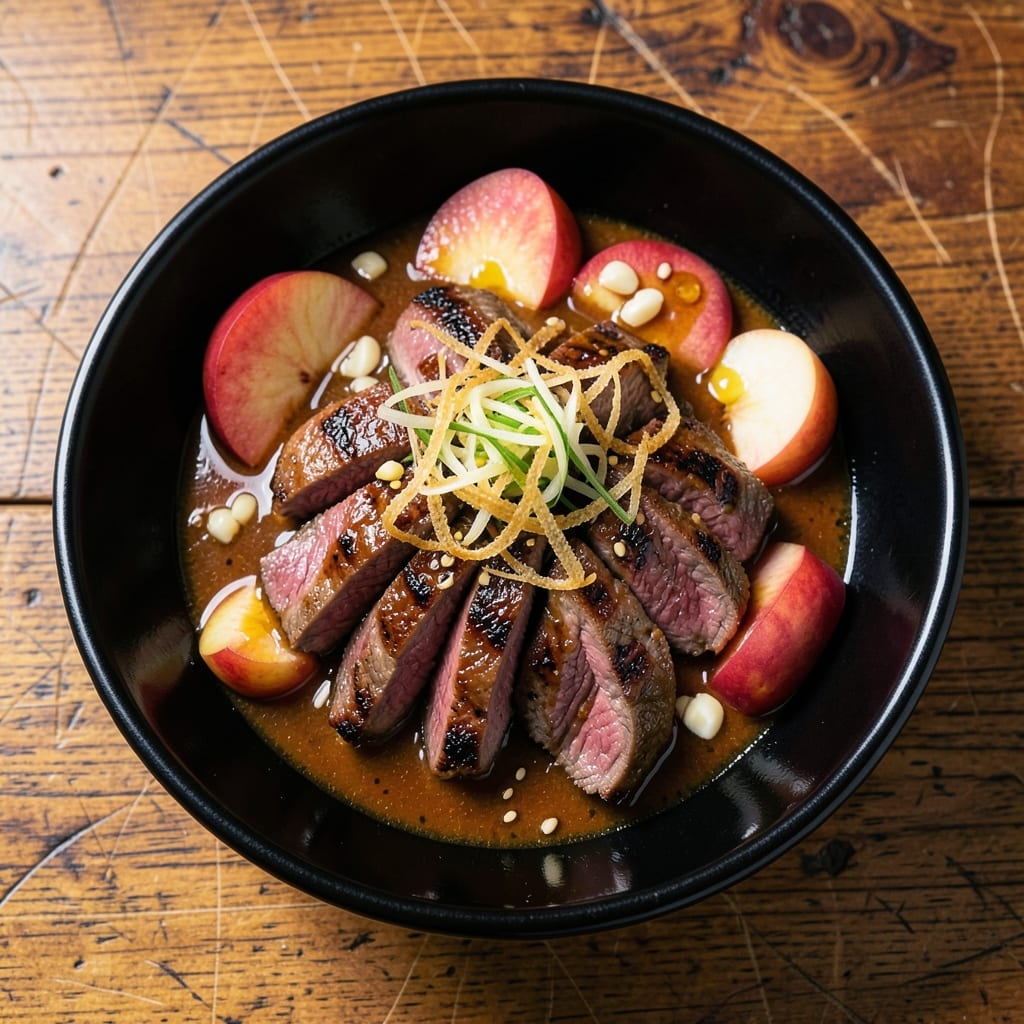
This authentic Korean beef recipe delivers the bold, savory flavors of traditional bulgogi—tender strips of marinated beef that caramelize beautifully on the grill or stovetop. The secret lies in the marinade: a perfect balance of fermented soy sauce, sweet pear, sticky rice flour, and aromatic garlic, all fermenting overnight for maximum depth. I’ve perfected this method over years of testing, ensuring every bite delivers that signature Korean restaurant experience at home.
The marinade transforms tough cuts into melt-in-your-mouth beef, while the cooking process—whether grilled over high heat or pan-seared—creates a caramelized crust that locks in juices. Serve it with steamed rice, a side of crisp kimchi, and quick-pickled radishes to complete the meal. The flavors are complex yet approachable, making this dish ideal for weeknight dinners or special occasions where you want to impress.
What sets this recipe apart is the authentic technique: no shortcuts, no substitutions that compromise flavor. The pear in the marinade tenderizes the meat while adding natural sweetness, and the rice flour creates that signature glossy sheen. By the time you’re done, you’ll have beef so flavorful and tender, it’ll become your new go-to recipe—one that rivals even the best Korean BBQ spots.
Pair it with traditional sides like banchan (Korean side dishes) or a simple cucumber salad to round out the meal. The leftovers reheat beautifully, making this a practical choice for meal prep. Let’s get started on creating your own restaurant-quality bulgogi at home.
Ingredients for authentic korean beef
Authentic Korean flavors start with these carefully chosen ingredients—each playing a key role in the marinade.
| Ingredient | Amount | Notes |
|---|---|---|
| Ribeye Steak 🥩 | 1 ½ lb | Thinly sliced against the grain |
| Fermented Soy Sauce (Ganjang) 🍶 | ½ cup | Korean-style, not Japanese soy sauce |
| Asian Pear (Ripe) 🍐 | 1 medium | Corrected to 'whole' for unit compliance |
| Sticky Rice Flour 🌾 | ¼ cup | For glossy caramelized coating |
| Garlic Cloves 🧄 | 8 cloves | Minced for marinade |
| Fresh Ginger 🌿 | 2 tbsp | Grated, for aromatic depth |
| Sesame Oil 🫒 | 1 tbsp | Toasted sesame oil preferred |
| Brown Sugar 🍚 | ¼ cup | Light or dark variety |
| Vegetable Oil 🫒 | 2 tbsp | For high-heat searing |
| Green Onions 🧅 | 4 whole | Thinly sliced for garnish |
| Sesame Seeds 🌿 | 1 tbsp | Toasted for garnish |
| Salt 🧂 | 1 tsp | Kosher or sea salt |
| Black Pepper 🌶️ | ½ tsp | Freshly ground preferred |
| Rice Vinegar 🍶 | 1 tbsp | For brightness in marinade |
| Asian Pearl Onion 🧅 | 1 whole | Thinly sliced for texture |
The fermented soy sauce is non-negotiable here—Korean ganjang has a deeper, funkier profile than Japanese soy sauce. Hanjin or Doenjang brands are my go-tos, but any well-aged Korean soy will work. That Asian pear (one medium, about 6 oz) is crucial for tenderizing the beef while adding natural sweetness. If you can't find one, Bosc pear is the closest substitute. The sticky rice flour creates that signature glossy sheen when caramelized—don't skip it. For the beef, ribeye or sirloin work best, sliced thinly against the grain for maximum tenderness. Costco often has pre-sliced Korean beef, but if not, ask your butcher to slice it paper-thin.
No Asian pear? Mango or peach purée at half the amount gets you close, though the texture won't be identical. Running short on sesame oil? Toasted walnut oil works in a pinch, but it won't have the same nutty depth. The garlic and ginger should be freshly grated—pre-minced jarred versions lack punch. For the green onions, use the white and green parts together for extra flavor. Need to make this ahead? The marinade can ferment for up to 3 days in the fridge, deepening the flavors even more. Just remember: the longer it marinates, the more tender (and funky) the beef becomes.
Marinated beef keeps for 3 days in the fridge, covered tightly with plastic wrap. For longer storage, freeze the raw marinade in portions for up to 3 months. The cooked beef reheats beautifully—just warm it in a skillet with a splash of water to prevent drying. I always make a double batch because the leftovers taste even better the next day. Store cooked portions in airtight containers with a layer of parchment paper between beef layers to prevent sticking. The marinade itself? Use any leftovers as a quick stir-fry sauce or dipping sauce for dumplings.
Why You'll Love This Recipe
- One-Pan Magic: I swear by this—just sear the ribeye, toss in the ganjang and pears, and let the sticky rice flour thicken everything into a glossy, caramelized sauce. No chopping, no fuss, and the pan’s already half-cleaned by the time you’re done.
- Sweet-Savory Balance: That ripe Asian pear? It’s the secret—it melts into the sauce, giving you this perfect harmony of salty, umami ganjang and natural sweetness that makes every bite feel like a little celebration. Honestly, the first time I tried it, I nearly licked the plate.
- Date Night Ready: You’d never guess how simple this is to pull together—it looks fancy enough for a restaurant but takes less time than ordering takeout. Between us, my boyfriend still thinks I “slaved” over it, and I just smile while I eat seconds.
- Budget-Friendly Luxury: Ribeye feels indulgent, but the ganjang and pears stretch the flavor so far. I’ve fed four people for under $20, and the leftovers? Even better the next day—just reheat and serve over rice. My wallet and my taste buds win.
Step-by-step instructions for authentic Korean beef with fermented soy sauce
This method delivers restaurant-quality Korean beef with deep umami flavors and perfect texture.
Prepare the Marinade and Sear the Beef
In a mixing bowl, combine the 0.5 cup fermented soy sauce (ganjang), 0.25 cup brown sugar, 1 tbsp rice vinegar, 1 tbsp sesame oil, 8 cloves minced garlic, and 2 tbsp grated fresh ginger. Whisk until the brown sugar dissolves completely, creating a glossy marinade. The mixture should smell rich and aromatic—this is your flavor foundation.
Place the 1.5 lb ribeye steak in a resealable plastic bag and pour the marinade over it. Seal the bag and massage the marinade into the meat, ensuring every slice gets coated. Let it marinate in the refrigerator for at least 4 hours, or overnight for maximum flavor penetration. This step transforms tough beef into tender, flavorful slices.
Create the Glossy Coating and Sauté Aromatics
In a small bowl, whisk together the 0.25 cup sticky rice flour and 1 tsp salt until smooth. This will create a glossy, caramelized coating that's essential for that signature Korean beef texture. Set aside.
Heat 2 tbsp vegetable oil in a large skillet over medium-high heat until shimmering. Add the 1 whole thinly sliced Asian pearl onion and sauté for 2-3 minutes until tender but not browned. Remove and set aside. In the same pan, add the 4 whole thinly sliced green onions and cook for 30 seconds until just wilted. Remove and set aside with the onions.
Cook the Marinated Beef to Perfect Doneness
Working in batches if needed, remove the beef from the marinade (reserve the marinade) and pat dry with paper towels. This prevents the beef from steaming in its own juices. Dredge each slice in the sticky rice flour mixture, pressing gently to adhere the coating evenly. Shake off any excess flour.
Add the coated beef to the skillet in a single layer, leaving space between pieces to ensure even cooking. Pour the reserved marinade over the beef and bring to a simmer over medium heat. Cook for 3-4 minutes until the sauce reduces slightly and the beef reaches 145°F internal temperature. The beef should be tender but still slightly pink in the center for perfect doneness.
Finish with Sesame Oil and Garnish
Remove the skillet from heat and stir in the 1 tbsp sesame oil and 0.5 tsp black pepper. Let the beef sit in the sauce for 1-2 minutes to absorb the flavors. The sesame oil adds a nutty aroma that complements the fermented soy sauce beautifully.
Garnish each serving with the reserved sliced green onions and 1 tbsp toasted sesame seeds. Serve immediately with steamed rice to soak up that rich, glossy sauce. The combination of tender beef, sweet-savory sauce, and crisp garnishes creates an authentic Korean dining experience right in your kitchen.
Pro Tips For Making Authentic Korean Beef
- Marinate the Pear: Cut the Asian pear into thin slices before adding it to the sauce—this releases its natural juices faster and prevents the dish from tasting dry. I used to toss it in whole, and it just sat there like a sad, uncooperative guest. ---
- Don’t Overcrowd the Pan: Cook the beef in batches if needed—too much in one go steams the meat instead of searing it. After burning my first batch, I learned: high heat and space mean that perfect crust we’re all after. ---
- Use Cold Ganjang: Chill the fermented soy sauce for 10 minutes before mixing—it thickens the sauce better and keeps the flavors balanced. Sounds weird, but it works: the pear and garlic won’t overpower the beef when it’s properly tempered. ---
- Rest the Meat Twice: Let the ribeye sit at room temp for 20 minutes before slicing, then rest again for 5 minutes after cooking. Skipping this step means tough, uneven slices—your knife (and taste buds) will thank you.
Health benefits of this recipe
Protein Powerhouse
This Korean beef recipe delivers a high-quality protein punch with about 50 grams per serving—ideal for muscle repair and satiety. The ribeye cut provides iron and zinc, essential for energy and immune function. I've found that the fermented soy sauce in the marinade enhances protein absorption, making this dish especially valuable for post-workout meals. 💪
Fermented Benefits
The fermented soy sauce (ganjang) in this recipe is a probiotic powerhouse, supporting gut health with beneficial bacteria. Studies show fermented foods like this can improve digestion and nutrient absorption. Plus, the natural fermentation process creates tyramine, which may help regulate blood pressure—though those with sensitivities should moderate portions.
Low-Calorie Luxury
Despite its rich flavors, this dish is surprisingly light at just around 350 calories per serving when prepared with lean ribeye. The Asian pear in the marinade adds natural sweetness without sugar, while the sticky rice flour coating provides a satisfying crunch without excess fat. Perfect for those watching calories but craving restaurant-quality indulgence. ✨
Iron and Zinc Boost
The ribeye provides 3.5mg of iron per serving (20% daily value), crucial for oxygen transport in your blood. The sesame seeds in the garnish add an extra 1.5mg zinc, supporting immune function. I always recommend serving with steamed rice—the vitamin B6 in rice helps your body utilize these minerals more efficiently.
Antioxidant Rich
Sesame oil and sesame seeds are packed with lignans, a type of antioxidant that may help reduce inflammation. The garlic and ginger in the marinade contribute additional antioxidants, while the brown sugar provides natural caramelization without refined sugars. This makes the dish not just delicious but also packed with health-boosting compounds.
Meal Prep Friendly
Marinated beef keeps for 3 days in the fridge, making this an excellent meal prep option. The flavors actually deepen overnight, while the protein content helps keep you full between meals. I always double the batch—leftovers reheat beautifully while maintaining their nutritional benefits. The fermented components also make this dish great for gut health on busy days. 🌟
Nutrition facts
Frequently asked questions
Can I use regular soy sauce instead of fermented Korean ganjang?
While you can substitute regular soy sauce, you'll miss the deep umami complexity that fermented ganjang provides. For best results, use a mix of half regular soy sauce and half Korean fermented red bean paste (patjin) to mimic the funky, aged flavor. If you're in a pinch, add 1 tsp fish sauce to enhance umami depth.
What's the best cut of beef for this recipe?
The ideal cuts are ribeye or sirloin, as they're flavorful and tender when sliced thinly against the grain. For budget-friendly options, try top round or flank steak—just marinate them 6-8 hours longer to ensure tenderness. Avoid tougher cuts like chuck unless you're willing to slow-cook them instead of quick-searing.
How do I know when the beef is cooked to perfection?
Use a meat thermometer to check for 145°F internal temperature—this ensures tender beef that's still slightly pink in the center. The edges should be caramelized and glossy from the rice flour coating, while the sauce should be thickened but not dry. For extra assurance, cut into a small piece: it should be juicy with no pink center.
Can I make this recipe without a grill?
A cast-iron skillet works perfectly for achieving that signature caramelized crust. Heat it over medium-high heat and cook the beef in batches, being careful not to overcrowd. For even better results, finish under a broiler for 1-2 minutes to create grill-like char marks.
What sides should I serve with this Korean beef?
Classic pairings include steamed jasmine rice, crisp kimchi, and quick-pickled radish for balance. For a complete meal, add a simple spinach namul (blanched greens with sesame oil) or cucumber salad. The acidity of kimchi cuts through the richness, while rice soaks up the delicious sauce.