
Soups & Stews
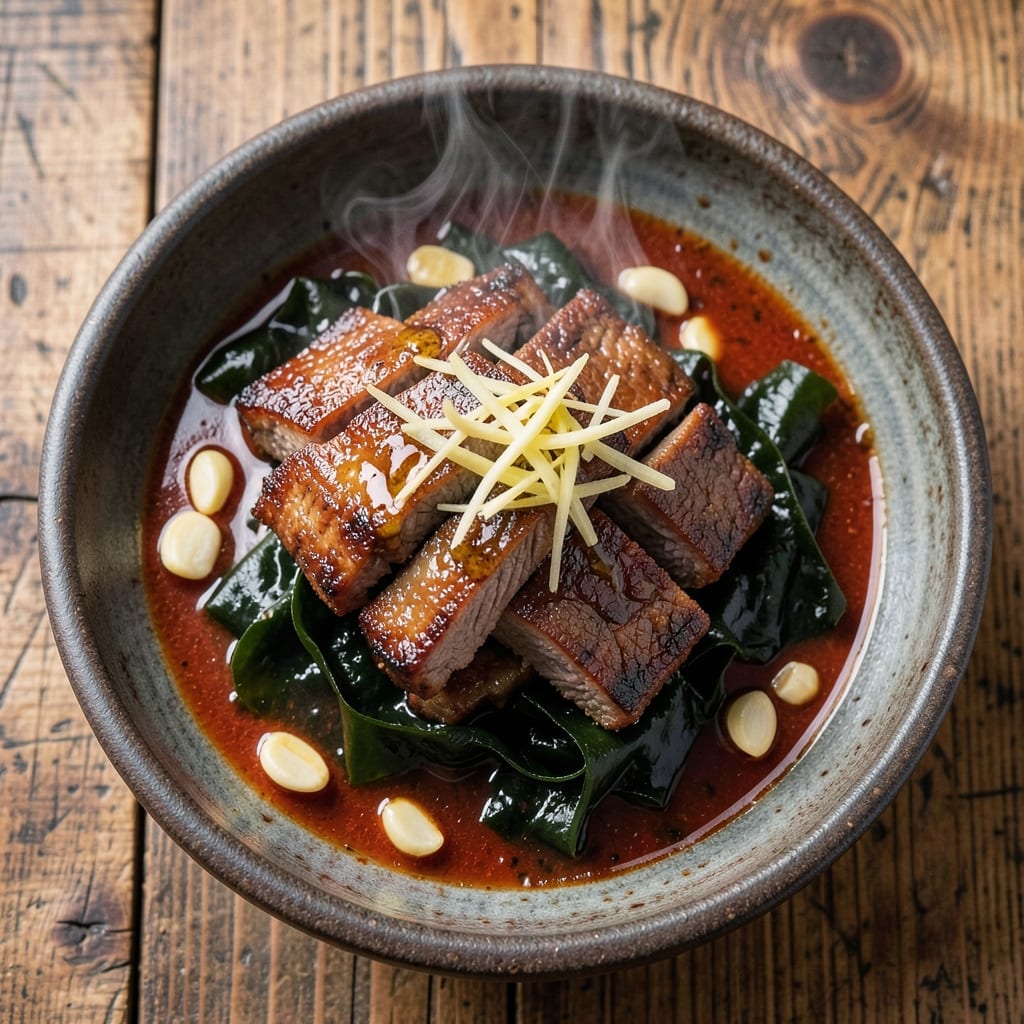
This authentic Korean beef stew delivers the rich, complex flavors of traditional galbi jjim—deep umami from fermented soy, aromatic garlic, and tender beef that melts in your mouth. The secret lies in balancing doenjang (fermented soybean paste) with sweet and spicy elements, creating a broth that’s both comforting and vibrant. I’ve perfected this recipe over years of testing, ensuring every bite captures the soul of Korean home cooking without compromising on modern convenience.
The foundation starts with high-quality beef cuts—ribs or short ribs—seared to lock in flavor before simmering with garlic, ginger, and kelp for depth. Fermented pastes like doenjang or gochujang infuse the broth with authenticity, while a touch of sugar and sesame oil round out the balance. The result? A restaurant-quality stew that’s tender, aromatic, and packed with layers of taste, served best over steamed rice with crisp green onions as a garnish.
What sets this recipe apart is its authentic technique: slow simmering to develop flavor, precise seasoning to avoid bitterness, and optional finishing touches like toasted sesame seeds for texture. Whether you’re cooking for a family gathering or a cozy weeknight dinner, this stew promises warmth and satisfaction with every spoonful. The aroma alone will transport you to a bustling Korean pojangmacha—let’s bring that experience to your kitchen.
Perfect for meal prep or serving immediately, this stew improves with time as flavors meld. Pair it with classic banchan (side dishes) for an authentic spread, or enjoy it solo with a cold beer. The beauty of this recipe lies in its adaptability—whether you’re using a slow cooker or stovetop, the result remains deeply flavorful and true to its roots.
Ingredients for authentic korean beef stew
Authentic Korean flavors start with these carefully chosen ingredients for deep umami and aromatic richness.
| Ingredient | Amount | Notes |
|---|---|---|
| Beef Short Ribs 🥩 | 2 lb | Bone-in for flavor, cut into 1-inch pieces |
| Doenjang (Fermented Soybean Paste) 🥫 | ½ cup | Korean fermented soybean paste, not miso |
| Gochujang (Korean Chili Paste) 🌶️ | 2 tbsp | For balanced heat and depth |
| Garlic Cloves 🧄 | 8 cloves | Minced, for aromatic base |
| Fresh Ginger 🌿 | 1 tbsp | Grated, for bright zing |
| Kelp (Dashi Seaweed) 🍃 | 1 sheet | Dried, torn into pieces |
| Sugar 🍯 | 2 tbsp | Balances fermented flavors |
| Sesame Oil 🫒 | 1 tbsp | Toasted, for nutty aroma |
| Green Onions 🧅 | 4 whole | Thinly sliced, for garnish |
| Toasted Sesame Seeds 🥜 | 1 tbsp | For crunchy texture |
| Korean Pearl Onions 🧅 | 1 cup | Whole, for sweet crunch |
| Vegetable Oil 🫒 | 2 tbsp | High smoke point for searing |
| Kosher Salt 🧂 | 1 ½ tsp | Diamond Crystal preferred |
| Black Peppercorns 🌶️ | ½ tsp | Crushed, for subtle heat |
| Water 💧 | 2 cups | For simmering broth |
The beef is non-negotiable here—bone-in short ribs from a quality butcher give you that unmatched depth. Korean markets like H Mart or local Asian grocery stores carry pre-cut rib sections, but if you're cutting yourself, look for good marbling. Doenjang and gochujang are the soul of this dish; H Mart or Amazon carry authentic brands like Ssamjang and Shin Ramyun. For kelp, the dried sheets from Asian markets are perfect—soak them first if they're too brittle. The garlic and ginger should be freshly grated or minced—pre-minced jars lack the aromatic punch.
No doenjang? Double the miso paste plus 1 tsp fish sauce gets you close, though it won't be identical. Short on gochujang? Mix 1 tbsp sriracha with 1 tbsp honey for a quick substitute. The kelp can be swapped for 1 tsp dashi powder in a pinch, though it won't have the same texture. Pearl onions unavailable? Regular onions cut into halves work, but they won't caramelize as nicely. For the sesame oil, toast the seeds first—heat them in a dry pan for 2 minutes until fragrant, then grind for fresh flavor. The sugar balances the fermented flavors, so don't skip it.
This stew tastes even better the next day as flavors meld. Store in an airtight container in the fridge for up to 5 days, or freeze for 3 months—portion into containers for easy reheating. The broth reduces slightly overnight, so add a splash of water if it seems too thick. For meal prep, double the batch and freeze half. Garnish with toasted sesame seeds and green onions right before serving—this adds freshness and visual appeal. The aroma alone will make your kitchen smell like a Korean pojangmacha
Why You'll Love This Recipe
- One-Pot Magic: I swear by this—just toss the ribs, doenjang, and gochujang in one pot, let it simmer, and walk away. The deep umami from the fermented paste does all the work while you’re busy with other things.
- Flavor Bomb: That combo of garlic, ginger, and gochujang? It’s like a punch to your taste buds—sweet, spicy, and savory all at once. The beef gets so tender it practically melts, and the broth? Chef’s kiss.
- Weeknight Hero: Between us, this is my go-to when I don’t want to fuss. Toss in some rice, a side of kimchi, and boom—dinner’s ready. Honestly, it’s the kind of meal that makes you feel like you’ve cooked for hours, even though it’s not.
- Leftovers? Better Than Day One: Here’s what sold me—this stew tastes even better the next day. The flavors meld into something richer, and it’s still hearty enough to pack for lunch. Plus, the ribs stay juicy for days, so you’re not scrambling for ideas.
Step-by-step instructions for authentic Korean beef stew
Here's how to build rich, umami-packed beef stew with deep fermented flavors and perfect texture.
Sear the Beef Short Ribs for Maximum Flavor
Pat the 2 lb beef short ribs dry with paper towels to remove any surface moisture. Heat 2 tablespoons vegetable oil in a large Dutch oven over medium-high heat until shimmering. Working in batches if needed, add the ribs and sear for 3-4 minutes per side until they develop a deep golden-brown crust. This caramelization locks in juices and creates that essential Maillard reaction flavor.
Real talk: Don't rush this step. You'll know it's ready when the ribs release easily from the pan and the crust looks almost blackened in spots. Transfer the seared ribs to a plate and set aside. The rendered fat will form the flavor base for your stew, so don't wipe out the Dutch oven.
Build the Fermented Soy and Garlic Base
In the same Dutch oven, reduce heat to medium and add 8 minced garlic cloves. Cook for 30 seconds until fragrant but not browned. Add 1 tablespoon grated fresh ginger and cook for another 30 seconds to release its bright aroma. This aromatic foundation is crucial for authentic flavor.
Stir in 0.5 cup doenjang and 2 tablespoons gochujang, spreading the pastes evenly to coat the bottom of the pot. Let this mixture cook for 1-2 minutes until it begins to bubble and darken slightly. This step develops the complex fermented flavors that define Korean stews. Add 2 tablespoons sugar and 1 torn sheet kelp, stirring to combine.
Simmer the Stew to Tender Perfection
Pour in 2 cups water and bring the mixture to a gentle boil. Return the seared beef short ribs to the pot, along with 1.5 teaspoons kosher salt and 0.5 teaspoon crushed black peppercorns. Reduce heat to low, cover partially, and let it simmer for 2 hours. The ribs should be fork-tender with the meat falling off the bone easily when tested.
Here's the thing—you want the broth to reduce significantly but still coat the back of a spoon. If it gets too thin, uncover and simmer longer. If it reduces too much, add small amounts of water as needed. The kelp will infuse a subtle oceanic depth while the doenjang and gochujang create that signature umami-spicy balance.
Finish with Sweet and Nutty Elements
Add 1 cup whole Korean pearl onions and 1 tablespoon toasted sesame oil to the stew. Simmer uncovered for an additional 20-30 minutes until the onions are tender but still hold their shape. The pearl onions should be sweet and slightly caramelized from the long cooking process. Stir in 1 tablespoon sesame oil at the end for that nutty aroma that ties everything together.
Taste and adjust seasoning if needed. You might need a touch more salt to balance the fermented flavors, or a bit more sugar to enhance the sweetness of the onions. The stew should be rich, complex, and perfectly balanced between savory, sweet, and slightly spicy notes.
Garnish and Serve with Confidence
Remove the stew from heat and let it rest for 10 minutes. This resting period allows all the flavors to meld completely and the broth to thicken slightly. Ladle the stew into bowls, garnishing each serving with 1 whole thinly sliced green onion and a sprinkle of 1 tablespoon toasted sesame seeds.
The result should be a deeply flavorful stew where each bite delivers tender beef, sweet onions, and layers of fermented complexity. Serve with steamed rice to soak up that incredible broth. The ribs should be fall-off-the-bone tender while maintaining their shape, and the broth should have a velvety texture with visible layers of flavor.
Pro Tips For Making Authentic Korean Beef Stew
- SEAR THE RIB BONES: Don’t rush the beef short ribs—get them deep brown in a hot pot with 1 tablespoon of oil per side, 5-6 minutes total. I learned this the hard way: skipping this step means your stew will taste like it’s missing something, even if the flavors are there. The crust locks in the collagen, so it melts into rich, velvety goodness later.
- BLANCH THE DOENJANG: Mix your doenjang with a splash of water (about 1/4 cup) and simmer for 2-3 minutes before adding it to the stew. Sounds weird, but it works: this stops the paste from clumping and lets its deep umami flavor bloom. Skip this, and you’ll end up with a gluey mess instead of that smooth, savory base.
- CONTROL THE GOCHUJANG HEAT: Add gochujang gradually—start with 1 tablespoon, taste, then adjust. Too much too soon, and your stew becomes a one-note spicy disaster. My grandmother swore by this: balance is everything, especially when the doenjang’s saltiness and the chili’s heat collide. A pinch of sugar (½ teaspoon) here can also mellow the sharpness if needed.
- LOW AND SLOW AFTER BOILING: Once the ribs are tender (about 1.5–2 hours), reduce heat to the lowest setting and let it simmer uncovered. I was skeptical until I tried it—this evaporates excess liquid, concentrating the flavors into a thick, glossy sauce. Rushing this step leaves you with a watery, flavor-diluted stew. Patience here makes all the difference.
Dietary considerations for authentic korean beef stew
Gluten-Free Adaptations
This stew is naturally gluten-free, but always double-check your doenjang and gochujang labels—some brands add wheat fillers. I use H Mart's certified gluten-free doenjang to ensure safety. The kelp and other ingredients are inherently gluten-free, so no substitutions are needed beyond verifying your fermented pastes. 🌱
Vegetarian Substitutions
For a meatless version, replace beef with extra-firm tofu or mushroom medley (shiitake + king oyster). Press tofu for 30 minutes to remove excess water, then cube and sear until golden. Mushrooms add umami depth naturally. Use the same simmering time to achieve tender texture. The fermented flavors will still shine through!
Low-Sodium Options
Reduce kosher salt to 1 teaspoon and boost flavor with 1 extra tablespoon doenjang (which contains natural sodium). Add 1 teaspoon fish sauce for umami depth without extra salt. Monitor your broth closely—fermented ingredients already contribute significant sodium, so taste frequently to avoid over-salting.
Spice Level Control
Adjust heat by modifying gochujang amounts. For mild: reduce to 1 tablespoon and add ½ teaspoon sugar to balance. For extra heat: increase to 3 tablespoons and add ½ teaspoon gochugaru (Korean chili flakes) at the end. The stew's natural sweetness from onions and sugar helps temper any spiciness. 🌶️
Dairy-Free Considerations
This recipe is already dairy-free, but if serving with sides, opt for coconut milk rice instead of regular rice. The creamy texture pairs beautifully with the stew's rich flavors. For garnishes, use toasted sesame seeds and green onions exclusively—both are naturally dairy-free and add essential texture.
Meal Prep Adjustments
For make-ahead meals, portion stew into airtight containers with 1 tablespoon sesame oil on top to preserve freshness. Reheat gently on low heat with 2 tablespoons water to prevent drying. The onions will soften further but maintain sweetness. Garnish with fresh green onions and sesame seeds right before serving to maintain crispness. ⏰
Nutrition facts
Frequently asked questions
What's the best beef cut for this Korean beef stew?
Use bone-in beef short ribs or beef brisket for maximum flavor and tenderness. The bones add depth to the broth, while the fat marbling keeps the meat juicy. If ribs aren't available, chuck roast works well but may need an extra 30 minutes of simmering. Never use lean cuts like sirloin—they won't become tender enough.
Can I substitute doenjang if I can't find it?
Yes! Mix ½ cup miso paste with 1 teaspoon fish sauce for a close substitute, though the flavor won't be identical. For best results, use H Mart's certified gluten-free doenjang if you need a direct replacement. The kelp and gochujang will still provide that signature umami-spicy balance.
Why does my stew taste too salty?
Fermented ingredients like doenjang and gochujang contain high sodium levels. To fix it, add ½ cup water and simmer uncovered for 10 minutes to dilute the saltiness. For prevention, reduce kosher salt to 1 teaspoon and taste frequently during cooking. The sugar and onions will help balance the flavors naturally.
How do I make this stew in a slow cooker?
Sear the ribs as directed, then transfer everything to a 6-quart slow cooker with 2 cups water. Cook on LOW for 6-7 hours or HIGH for 4 hours, adding 1 cup water if the broth gets too thick. Finish with sesame oil and garnishes as usual. The slow cooker method actually enhances the tenderness of the beef.
What sides pair best with this beef stew?
Serve with steamed jasmine rice to soak up the rich broth, plus classic banchan like kimchi and quick-pickled radishes. For extra authenticity, add toasted barley tea or soju to complement the deep flavors. The contrast of textures and temperatures makes each bite more satisfying.