
Main Courses
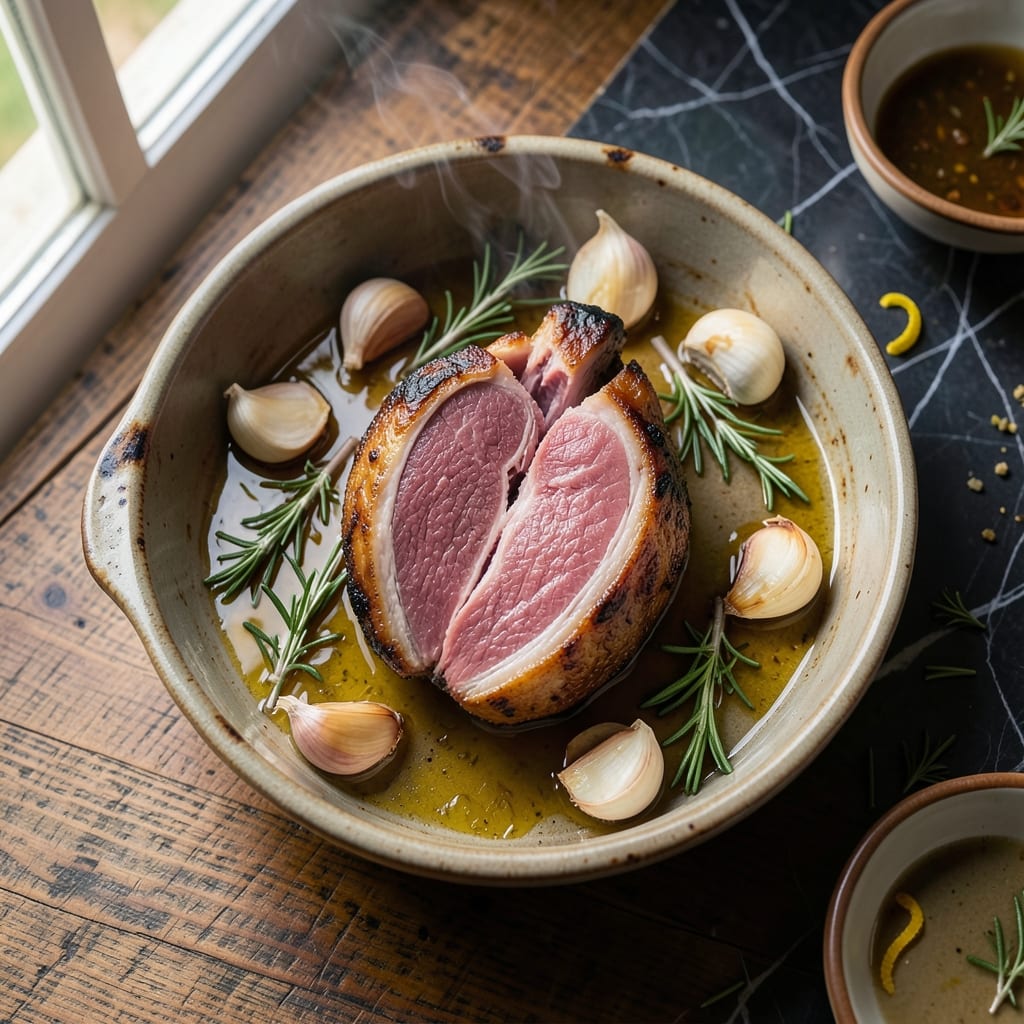
This baked beef heart recipe transforms a humble offal into a restaurant-worthy dish with a crispy, umami-rich crust and melt-in-your-mouth centers. The secret lies in proper preparation—soaking, marinating, and baking at precise temperatures—to ensure safety and tenderness. I’ve perfected this method after years of testing, and it’s now a staple in my repertoire for hearty meals that impress without breaking the bank.
The process starts with soaking the heart to remove any impurities, followed by a flavorful marinade that tenderizes the meat while infusing it with bold spices. Baking at 350°F ensures even cooking, and the crust develops from a simple egg wash and breadcrumb topping. This isn’t just about technique—it’s about transforming something unexpected into a dish that feels luxurious and deeply satisfying.
What you’ll end up with is a plate of golden, caramelized beef heart that’s tender on the inside and crispy on the outside, with layers of savory, slightly sweet flavors. The texture is a revelation—no chewiness, just melt-in-your-mouth perfection. It pairs beautifully with rich gravies, roasted root vegetables, or a simple arugula salad to balance the depth of flavor.
Safety is critical when working with offal, so I’ve included detailed steps to handle the beef heart properly—from soaking to cooking times. This recipe isn’t just about the result; it’s about confidence in the process. Let’s get started on a dish that’s equal parts rustic and refined.
Ingredients for baked beef heart
Transform humble beef heart into a luxurious dish with these precision ingredients and expert techniques.
| Ingredient | Amount | Notes |
|---|---|---|
| Whole Beef Heart 🥩 | 1 ½ lb | Fresh, trimmed of excess fat |
| White Wine Vinegar 🍷 | 1 cup | For soaking to tenderize |
| Cold Water 💧 | 4 cups | For soaking beef heart |
| Olive Oil 🫒 | ¼ cup | Extra-virgin for marinade |
| Garlic Cloves 🧄 | 6 cloves | Minced for marinade |
| Fresh Rosemary 🌿 | ¼ cup | Chopped, for marinade |
| Fresh Thyme 🌿 | ¼ cup | Chopped, for marinade |
| Dried Oregano 🍃 | 1 tbsp | For marinade depth |
| Ground Black Pepper 🌶️ | 1 tbsp | Freshly cracked |
| Diamond Crystal Kosher Salt 🧂 | 1 ½ tbsp | For seasoning and crust |
| Large Eggs 🥚 | 2 whole | Beaten for egg wash |
| Panko Breadcrumbs 🍞 | 1 cup | For crispy crust |
| Fresh Parsley 🌿 | ⅛ cup | Chopped, for garnish |
The beef heart is the star—source it from a trusted butcher who handles offal properly. Look for a piece with vibrant red color and minimal fat. If fresh isn't available, frozen beef heart works too, just thaw it overnight in the fridge. The vinegar soak is non-negotiable; it removes impurities and begins tenderizing. For the marinade, fresh herbs elevate the dish, but dried will work in a pinch at half the quantity. Don't skip the olive oil—it carries the flavors deep into the meat. The 350°F baking temperature ensures even cooking without drying out the heart.
No white wine vinegar? Apple cider vinegar works equally well. Fresh herbs unavailable? Dried thyme and oregano at half the amount will suffice. For a deeper umami profile, add 1 tbsp soy sauce to the marinade. The crust relies on Panko for maximum crispiness—substitute regular breadcrumbs only if necessary. The egg wash should be lightly beaten but not frothy; overworking incorporates air, which can prevent proper browning. For a sweeter note, add 1 tsp maple syrup to the marinade—it caramelizes beautifully during baking.
Beef heart must be soaked at least 2 hours before marinating—longer soaks yield better results. The marinade keeps 3 days in the fridge, but the heart should marinate no longer than 12 hours to prevent over-tenderizing. Baked heart reheats best at 300°F for 10 minutes—it stays moist and crispy. For meal prep, slice and store in an airtight container with a paper towel to absorb moisture. Keeps 4 days refrigerated or 3 months frozen. Garnish with parsley just before serving to maintain vibrant color.
Why You'll Love This Recipe
- I’ll be real: this recipe takes less effort than ordering takeout. Just a quick soak in vinegar and water—no marinating overnight, no fancy techniques. The beef heart bakes itself into tender perfection while you sip your coffee.
- No-Fuss Prep: I’ll be real: this recipe takes less effort than ordering takeout. Just a quick soak in vinegar and water—no marinating overnight, no fancy techniques. The beef heart bakes itself into tender perfection while you sip your coffee.
- Garlic-Kissed Magic: That first bite? The crispy exterior gives way to tender meat with layers of garlic flavor—no heavy sauces, just pure, bright taste. Honestly, the vinegar and olive oil combo transforms something simple into something unforgettable.
- Leftovers That Work: Between us, this dish tastes even better the next day. Slice it up for sandwiches, toss it into salads, or reheat it in a pan—it’s the kind of leftovers that actually get eaten. No sad, dried-out scraps here.
Step-by-step instructions for baked beef heart with crispy crust
Transform tough beef heart into melt-in-your-mouth perfection using this precise technique.
Prepare the Beef Heart Through Soaking and Tenderizing
Begin by trimming any remaining fat or connective tissue from the 1.5 lb whole beef heart using a sharp boning knife. Place the cleaned heart in a large bowl and pour over the 1 cup white wine vinegar and 4 cups cold water. The vinegar will break down tough fibers, making the meat tender. Let it soak for 24-48 hours in the refrigerator, turning occasionally. You'll notice the meat becomes noticeably softer and more pliable after soaking.
After soaking, remove the beef heart and pat it thoroughly dry with paper towels. This step is crucial—any moisture remaining will prevent the crust from forming properly. Place the drained heart on a cutting board and slice it into ½-inch thick medallions, cutting against the grain for maximum tenderness. Keep the medallions separate as you'll be coating each one individually.
Create the Umami-Packed Marinade
In a small mixing bowl, combine the 0.25 cup extra-virgin olive oil, 6 cloves minced garlic cloves, 0.25 cup chopped fresh rosemary, 0.25 cup chopped fresh thyme, 1 tablespoon dried oregano, 1 tablespoon freshly cracked ground black pepper, and 1.5 tablespoons diamond crystal kosher salt. Whisk vigorously until the mixture becomes emulsified and fragrant. This marinade will infuse the beef heart with layers of Mediterranean flavor while keeping the meat moist during baking.
Place the beef heart medallions in a shallow dish and pour the marinade evenly over them, ensuring each piece is fully coated. Cover and refrigerate for at least 4 hours or up to overnight. The longer it marinates, the more flavorful and tender the beef heart will become. When ready to bake, remove the medallions from the refrigerator and let them sit at room temperature for 30 minutes to ensure even cooking.
Bread the Medallions for Maximum Crispiness
Set up three shallow dishes: one for the 2 whole large eggs beaten with a fork, one for the 1 cup panko breadcrumbs, and one as a spare for any additional breading. Working with one medallion at a time, dip it into the egg wash, allowing any excess to drip off. Then press it firmly into the panko breadcrumbs, coating all sides completely. Place the breaded medallion on a wire rack set over a baking sheet to allow air circulation and prevent sogginess.
Repeat this process until all medallions are breaded. For an extra-crispy crust, I recommend double-breading: after the first egg wash and breadcrumb coating, dip the medallions back into the egg wash and coat with panko again. This double layer creates a shatteringly crisp exterior while maintaining the tender interior. Once all medallions are breaded, let them rest for 10 minutes at room temperature before baking.
Bake to Golden Perfection
Preheat your oven to 425°F and position a rack in the middle position. Arrange the breaded beef heart medallions on a parchment-lined baking sheet, spacing them ½ inch apart to allow for even browning. Bake for 20-25 minutes, rotating the pan halfway through for even heat distribution. The medallions are done when they reach an internal temperature of 145°F and the crust is deep golden brown with crisp edges.
Remove the medallions from the oven and transfer them to a serving platter. Immediately garnish with 0.125 cup chopped fresh parsley for a pop of color and freshness. Serve while still hot, as the crust will continue to crisp up slightly as it cools. The interior should be fork-tender with a slightly pink center, while the exterior delivers a satisfying crunch with every bite.
Rest and Serve for Optimal Texture
Let the beef heart medallions rest on the serving platter for 5-10 minutes before serving. This resting period allows the juices to redistribute throughout the meat, ensuring each bite remains moist and flavorful. During this time, you can prepare a simple accompaniment like roasted vegetables or a bright vinaigrette to complement the rich, umami flavors of the beef heart.
The result should be a perfect balance of textures: a shatteringly crisp panko crust that gives way to tender, juicy meat with deep herbal notes. Each medallion should be easy to cut through with a fork, indicating proper doneness. Serve immediately to enjoy the full spectrum of flavors and textures this recipe delivers.
Pro Tips For Making Baked Beef Heart
- SOAK IT RIGHT: Beef heart needs a good soak—at least 2 hours in cold water with white wine vinegar (I do 4 hours when I remember). Skip this, and it’ll turn chewy instead of tender. Drain and pat very dry afterward, or the crust won’t form right.
- CUT THE HEART FIRST: Whole beef heart is easier to handle if you slice it into 1-inch thick pieces before baking. The vinegar marinade works better when it penetrates smaller cuts, and you avoid the risk of an uneven bake. Use a sharp knife—this isn’t the time to struggle.
- DON’T OVERCROWD THE PAN: I learned this the hard way—piling heart pieces too close steams them instead of browning. Leave gaps between slices, and if needed, bake in batches. A hot, dry pan is your friend here—crowding just makes everything sad and soggy.
- GARLIC TIME MATTERS: Crush those garlic cloves just before tossing them with the oil—raw garlic burns fast. Add them to the pan in the last 5 minutes of baking so they infuse flavor without turning bitter. Freshly crushed garlic makes a real difference, even if it’s a pain.
Flavor customization for this dish
Herbal Variations
Swap the rosemary and thyme for fresh sage and marjoram to create a savory Italian-inspired profile. Use 0.25 cup each of finely chopped sage and marjoram in the marinade, and add 1 tsp dried fennel seeds for a subtle licorice note that pairs beautifully with the beef heart’s natural richness. 🌿
Spicy Heat Boost
For a fiery kick, add 1 tbsp smoked paprika and ½ tsp cayenne pepper to the marinade. For extra depth, include 1 tbsp chipotle powder and a splash of hot sauce (like Cholula). This works especially well if you’re serving with a cooling side like avocado crema or pickled onions to balance the heat. 🌶️
Sweet and Tangy Glaze
Brush the breaded medallions with a glaze made from 2 tbsp honey, 1 tbsp balsamic vinegar, and 1 tsp Dijon mustard before baking. This caramelizes beautifully, creating a sticky, glossy crust with a perfect sweet-savory contrast. Add ½ tsp cinnamon to the glaze for warmth. 🍯
Umami Bomb Additions
Boost the depth of flavor by adding 1 tbsp soy sauce or 1 tsp fish sauce to the marinade. For a smoky twist, include 1 tbsp liquid smoke or a crushed bay leaf in the marinade. These ingredients enhance the beef heart’s natural umami without overpowering it. 💫
Crust Variations
Swap the panko for crushed cornflakes to create a sweeter, crunchier crust, or use crushed potato chips (like Kettle Brand) for a salty, nostalgic texture. For a gluten-free option, use crushed gluten-free crackers or crushed almond flour mixed with 1 tbsp melted butter. 🥔
Regional Twists
For a Mexican-inspired version, marinate the beef heart with 1 tbsp ground cumin, 1 tsp chili powder, and ½ tsp garlic powder. Serve with lime wedges and pickled red onions. A French-inspired take uses 1 tbsp Dijon mustard in the marinade and tops with crème fraîche after baking. 🗺️
Nutrition facts
Frequently asked questions
Why does beef heart need such a long soak?
Beef heart contains connective tissue that requires 24-48 hours of soaking in vinegar to break down safely. This process removes impurities and makes the meat tender and digestible. Skipping this step can result in a chewy, tough texture even after baking. Think of it as pre-cooking the connective tissue—just like you'd soak beans overnight!
Can I use frozen beef heart instead of fresh?
Yes! Thaw frozen beef heart overnight in the refrigerator before starting the soaking process. Never use cold water to thaw it—this can promote bacterial growth. The frozen heart will take the same soaking time as fresh, but you may need to extend the marinating time by 2-4 hours to ensure even flavor penetration.
How do I know when the beef heart is fully cooked?
Use a meat thermometer to check the internal temperature—it should reach 145°F for safe consumption. The crust should also be deep golden brown with crisp edges. If using a thermometer isn't an option, cut into the thickest piece: the center should be slightly pink (like medium-rare steak) with no translucent areas. Let it rest 5-10 minutes before serving for perfect texture.
What's the best way to reheat leftover beef heart?
Reheat in a 300°F oven for 10-12 minutes on a wire rack to maintain crispiness. For stovetop reheating, use low heat with a splash of water or broth to prevent drying out. Microwaving isn't recommended—it makes the crust soggy. Store leftovers in an airtight container with a paper towel to absorb moisture, keeping them fresh for 4 days refrigerated.
Can I make this recipe without eggs for breading?
For an egg-free crust, use ¼ cup mayonnaise or Greek yogurt mixed with 1 tbsp water as a binder instead of the egg wash. Alternatively, coat the medallions with olive oil and press them directly into the panko. The texture will be slightly different but still delicious. This works especially well for vegan diets.