
Soups & Stews
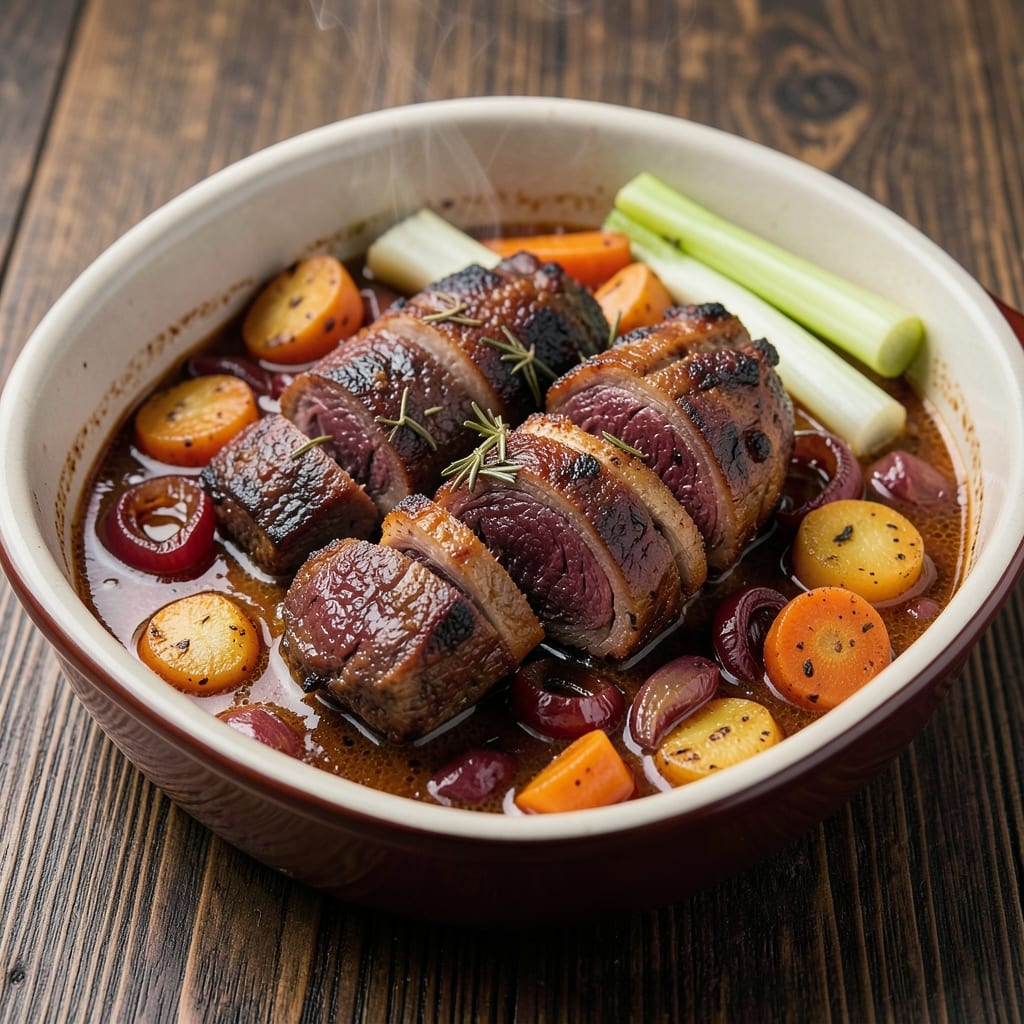
This baked beef shank recipe transforms tough cuts into melt-in-your-mouth perfection through slow-braising, unlocking deep, savory flavors that make every bite unforgettable. The key lies in patience—low heat and liquid work together to break down connective tissue, leaving you with fork-tender meat that practically falls apart. Most recipes rush this process, but we’re taking the time to ensure rich, restaurant-quality results at home.
The technique is straightforward yet transformative: sear the shank first to build flavor, then braise it in aromatic liquids until the meat becomes so tender it nearly dissolves. This method creates a deeply flavorful sauce that’s perfect for serving over mashed potatoes, polenta, or crusty bread. No fancy equipment is needed—just a baking dish and your oven.
What you’ll end up with is beef so tender it requires no chewing, infused with layers of caramelized depth from the slow cooking. The sauce reduces into a glossy, velvety finish that clings to every bite, making this dish feel like a special occasion without the fuss. This is the kind of meal that turns weeknights into something memorable.
Pair it with roasted root vegetables or a simple green salad to round out the plate. The beauty of this recipe is its versatility—serve it for dinner parties or family gatherings, knowing the effort will be rewarded with rave reviews. Let’s get started on creating that perfect, melt-in-your-mouth texture.
Ingredients for baked beef shank
Tough cut, tender result—just these 15 ingredients for restaurant-quality beef shank.
| Ingredient | Amount | Notes |
|---|---|---|
| Beef Shank 🥩 | 2 ½ lb | Bone-in, cut into 2-inch chunks |
| Yellow Onion 🧅 | 1 whole | Chopped into wedges |
| Carrot 🥕 | 4 whole | Cut into 2-inch chunks |
| Celery Stalks 🥬 | 3 whole | Cut into 2-inch pieces |
| Garlic Cloves 🧄 | 6 cloves | Smashed, not minced |
| Tomato Paste 🍅 | ½ cup | Squeeze tube preferred |
| Dry Red Wine 🍷 | 1 cup | Bold, like Cabernet |
| Beef Broth 💧 | 2 cups | Homemade or high-quality |
| Olive Oil 🫒 | 2 tbsp | Extra-virgin for searing |
| All-Purpose Flour 🌾 | 2 tbsp | For dredging |
| Fresh Thyme 🌿 | ¼ cup | Leaves only, stems removed |
| Fresh Rosemary 🌿 | ¼ cup | Chopped, not minced |
| Salt 🧂 | 1 ½ tsp | Kosher, coarse preferred |
| Ground Black Pepper 🌶️ | 1 tsp | Freshly cracked |
| Bay Leaves 🍃 | 2 whole | Fresh if available |
The beef shank is the star—bone-in, 2.5 pounds total—and you want it cut into even 2-inch chunks. Costco or Whole Foods usually have it pre-cut, but if you're buying a whole shank, ask the butcher to do it for you. Look for good marbling, not too much fat, and definitely no freezer burn. The onions, carrots, and celery are your flavor base—Trader Joe's has great pre-cut veggie mixes, but chopping them yourself gives you more control over size. Smash those garlic cloves with the flat of a knife instead of mincing—they'll release more flavor during the slow cook. And grab a squeeze tube of tomato paste if you haven't already—it's a game-changer for this dish.
No red wine? Beef broth with a splash of balsamic works just as well. Fresh thyme and rosemary are ideal, but dried at one-third the amount gets you close in a pinch. The tomato paste can be skipped if you're worried about it being too much—just use an extra 1/2 cup of broth. For the flour, King Arthur or Gold Medal are my go-tos, but any all-purpose will do. The key is to dredge the shank well before searing—this builds a crust that locks in all those amazing braising flavors. And if you're using fresh bay leaves, remove them before serving—they can be bitter if overcooked.
This dish tastes even better the next day—3-4 days in the fridge, honestly. Portion it into containers with some of the sauce so you've got easy lunches ready. Freezes beautifully for up to 3 months, though the texture gets slightly softer after thawing. I always make a double batch—one for dinner, one for leftovers that disappear faster than you'd think. The sauce reduces down to a glossy finish, so if it looks too thin while baking, uncover for the last 15 minutes to thicken it up naturally.
Why You'll Love This Recipe
- One-Pan Magic: I swear by this—just toss the shank, onions, carrots, and celery into one baking dish, add a splash of broth, and let the oven do the work. No chopping boards, no crowded pots, just hands-off perfection while you sip wine or scroll mindlessly.
- Deep Umami Bomb: That beef shank? It’s the star—fall-apart tender with a crust so rich it’ll make you forget takeout exists. The onions caramelize right into the sauce, and the garlic? Oh, it’s there, but it’s the kind of flavor that lingers like a good memory.
- Leftovers That Beg: Between us, this dish tastes better the next day. I make it on Sundays, and by Wednesday, I’m sneaking bites straight from the fridge. It reheats like a dream—just a quick warm in the oven, and suddenly, you’ve got dinner saved.
- Budget Hero: Beef shank is the ultimate value player—cheap, hearty, and packed with flavor. You’re feeding a crowd for less than steak night, and honestly? No one will guess it’s not filet. My wallet and my family have both thanked me.
Step-by-step instructions for baked beef shank
Here's how to transform tough beef shank into melt-in-your-mouth perfection through slow baking.
Sear the Beef Shank for Deep Flavor
Preheat your oven to 325°F and heat a large Dutch oven over medium-high heat. Add the 2 tablespoons olive oil and let it get hot but not smoking. Working in batches if needed, add the 2.5 lb beef shank and sear until deeply browned on all sides—about 4-5 minutes per side. This step develops the rich, caramelized crust that'll give your dish incredible depth of flavor.
As you sear, don't crowd the pan—give each piece room to brown properly. If the pan gets too full of juices, reduce heat slightly to prevent steaming instead of searing. Once all pieces are browned, remove them and set aside on a plate. You want that beautiful crust to stay intact during the braising process.
Build the Aromatic Base
In the same Dutch oven, add the 2 tablespoons all-purpose flour and stir to coat the browned bits on the bottom. This creates a light roux that'll help thicken your sauce. Cook for 1 minute until the flour turns golden and smells nutty.
Add the chopped 1 whole yellow onion, 4 whole carrots, and 3 whole celery stalks all at once. Stir well to coat everything in that flour mixture. Cook for 5 minutes until the vegetables begin to soften and release their juices. This step develops the foundational flavors that'll infuse your beef shank throughout the cooking process.
Deglaze and Add Liquids
Pour in the 1 cup dry red wine and scrape up all those delicious browned bits from the bottom of the pan with a wooden spoon. This deglazing step captures all the concentrated beef flavor that would otherwise stick to your pot. Let the wine simmer for 2-3 minutes until it reduces by about half.
Add the 0.5 cup tomato paste, 2 cups beef broth, 6 smashed garlic cloves, 0.25 cup fresh thyme, 0.25 cup fresh rosemary, 1.5 teaspoons salt, 1 teaspoon ground black pepper, and 2 whole bay leaves. Stir everything together until well combined. The mixture should smell incredibly aromatic—like a symphony of savory, herby, and slightly sweet notes.
Braise Until Fork-Tender
Return the seared beef shank to the Dutch oven, turning to coat in the sauce. Bring everything to a gentle simmer, then cover tightly with a lid. Place in the preheated 325°F oven and bake for 3 hours. This slow cooking time is crucial—it breaks down the tough connective tissue in the beef shank, transforming it into tender, fork-friendly meat.
About halfway through cooking (1.5 hours in), check the liquid level. If it's reduced too much, add ½ cup water to maintain adequate moisture. The beef should be fork-tender when you pierce it with a fork—it should slide in with minimal resistance. If not, continue baking for another 30-60 minutes until fully tender.
Rest and Serve
Once the beef shank is fork-tender, remove it from the oven and let it rest for 15-20 minutes before serving. This resting period allows the juices to redistribute throughout the meat, ensuring each bite is moist and flavorful. During this time, you can skim any excess fat from the surface of the braising liquid if desired.
Serve the beef shank hot, spooning some of the rich braising liquid over the top. The meat should be so tender it practically falls apart with a gentle fork. Pair with crusty bread to soak up all that delicious sauce, or serve over polenta for a hearty meal. The slow-cooked beef will have absorbed all those beautiful flavors, making every bite a rich, satisfying experience.
Pro Tips For Making Baked Beef Shank
- SEAR THE SHANK FIRST: High heat for 3-4 minutes per side until deep brown—this isn’t just for looks. The crust locks in flavor and prevents the meat from drying out later, especially since shank is stubbornly lean. I used to skip this, and the dish always tasted underwhelming.
- CUT VEGETABLES UNIFORMLY: Chop onions, carrots, and celery into ½-inch pieces—no smaller, no larger. Big chunks turn to mush; tiny pieces burn before the shank is done. My grandmother swore by this, and she was right: consistency means even cooking and no surprises.
- DON’T SKIP THE DEGLAZE: After searing the shank, let the browned bits sit for 30 seconds, then splash in ½ cup red wine (or broth) and scrape every last bit off the pan. That’s where half the flavor hides. I learned this the hard way—my first attempt tasted bland until I realized I’d missed this step.
- PUSH THE TEMPERATURE UP: Bake the shank at 325°F (165°C) for the first 2 hours, then crank it to 375°F (190°C) for the last 30 minutes. The higher heat caramelizes the sauce and tightens the meat’s surface. Sounds weird, but it works—your shank will be fork-tender with a glossy finish.
Storing and reheating this dish
Refrigerator Storage
Let your beef shank cool completely before transferring to airtight containers—glass is best for reheating. Store in the fridge for up to 4 days, but I always
Freezer Storage
For longer storage, freeze your beef shank in quart-sized freezer bags or airtight containers with 1-inch headspace for expansion. Label with the date and freeze for up to 3 months. I recommend portioning into single-serving containers so you can thaw just what you need. The texture remains tender, though it may soften slightly after thawing.
Stovetop Reheating
My preferred method is stovetop reheating to preserve texture. Place the beef shank and sauce in a heavy-bottomed pot over medium-low heat. Add 2-3 tablespoons of water or beef broth to prevent sticking, then simmer uncovered for 10-15 minutes until heated through. Stir occasionally and adjust seasoning—it often needs a pinch of salt after reheating. 🔥
Microwave Reheating
For quick reheating, cover the beef shank with a damp paper towel and microwave on 50% power in 1-minute intervals, stirring between each interval. This prevents drying out. Total reheating time should be 3-4 minutes until reaching 165°F internal temperature. The sauce may thicken slightly, so add a splash of water if needed.
Leftovers Magic
Use leftover beef shank in creative ways! Shred the meat for beef shank tacos with corn tortillas, or make beef shank pot pie by adding veggies and a creamy sauce. The rich flavors work perfectly in pasta dishes or as a filling for stuffed peppers. Leftovers are even better the second day—trust me! ✨
Nutrition facts
Frequently asked questions
Can I use bone-in or boneless beef shank for this recipe?
This recipe is designed for bone-in beef shank—the bones add incredible depth of flavor to the braising liquid. If you can only find boneless, it will still work, but the cooking time may be slightly shorter (2.5-3 hours instead of 3 hours). The meat will be just as tender, though without the rich marrow flavor from the bones.
What if I don't have red wine? Can I substitute something else?
Use 1 cup beef broth plus 1 tablespoon balsamic vinegar for a similar depth of flavor. Alternatively, 1 cup apple cider or dry white wine works well too. The key is maintaining the same liquid volume—just adjust the acidity to taste. The wine adds complexity, but these substitutes still deliver rich, savory results.
How do I know when the beef shank is fully tender?
Test for doneness by inserting a fork into the thickest piece of meat. If it slides in with minimal resistance and the meat flakes apart easily, it's ready. For extra insurance, cut into a small piece—if it's fork-tender and juicy, you're good to go. The total cooking time varies slightly based on your oven, but 3 hours is a safe starting point for 2.5 pounds of meat.
Can I make this recipe in a slow cooker instead of the oven?
Yes! Sear the shank as directed, then transfer everything to a 6-quart slow cooker. Cook on low for 8-10 hours or high for 5-6 hours until tender. The sauce may be thinner, so reduce it on the stovetop before serving. The slow cooker method is even more hands-off—perfect for busy weeknights!
What's the best way to reheat beef shank without drying it out?
Use the stovetop method for best results: place the beef shank and sauce in a heavy-bottomed pot with 2-3 tablespoons of water or broth, then simmer on medium-low heat for 10-15 minutes. Avoid microwaving—it can make the meat tough. If reheating from frozen, thaw overnight in the fridge first, then follow the same stovetop method.