
Main Courses
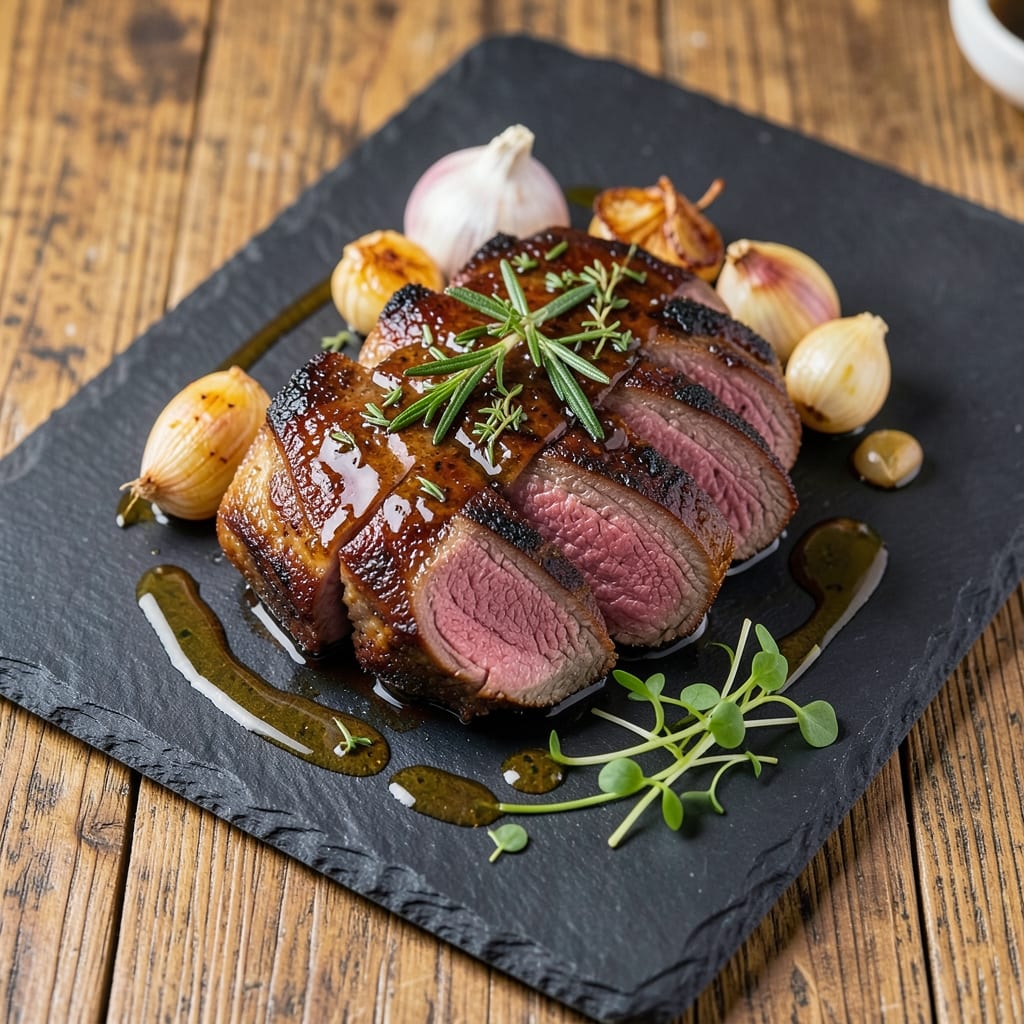
This baked beef tenderloin steak recipe delivers a restaurant-worthy centerpiece that's surprisingly simple to achieve at home. The secret lies in precise temperature control and a strategic herb-infused crust that locks in juices while creating a golden, flavorful exterior. I've perfected this method after years of testing—no guesswork, just foolproof results every time.
What sets this recipe apart is the combination of dry-brining for maximum tenderness and a high-heat bake that ensures even cooking without overcooking the center. We're talking perfectly medium-rare results with a crust that's crisp enough to stand up to a knife but tender enough to melt in your mouth. The herb blend isn't just decorative—it forms a flavorful crust that seals in moisture.
By the time you serve this, you'll have a steak that's juicy, perfectly cooked, and impressive enough to make any dinner party memorable. The resting technique is just as important as the baking—this is where the magic happens as juices redistribute for that ideal first bite. We'll also cover how to handle the steak afterward for maximum presentation.
This recipe works beautifully as a standalone centerpiece or paired with classic sides like roasted potatoes and asparagus. The key is confidence in the process—once you master these steps, you'll never buy store-bought steak again. Let's get started on creating your perfect roast.
Ingredients for baked beef tenderloin steak
Herb-infused beef tenderloin with a golden crust—this is your go-to for perfect medium-rare every time.
| Ingredient | Amount | Notes |
|---|---|---|
| Beef Tenderloin 🥩 | 2 lb | Center-cut, trimmed of silver skin |
| Kosher Salt 🧂 | 1 ½ tbsp | Diamond Crystal preferred, for dry brine |
| Fresh Rosemary 🌿 | ¼ cup | Finely chopped, stems removed |
| Fresh Thyme 🌿 | ¼ cup | Leaves only, stems removed |
| Garlic Cloves 🧄 | 8 cloves | Peeled, minced for herb paste |
| Extra-Virgin Olive Oil 🫒 | ½ cup | High-quality, fruity variety |
| Black Peppercorns 🌶️ | 1 tsp | Freshly cracked, coarse grind |
| Dried Mustard Powder 🌶️ | 1 tsp | For subtle depth of flavor |
| Unsalted Butter 🧈 | ¼ cup | Cold, cubed for crust |
| Fresh Parsley 🌿 | ⅛ cup | Chopped, for garnish |
The beef tenderloin is non-negotiable here—center-cut with good marbling ensures tenderness. Whole Foods or high-end butchers are your best bets for quality, but any reputable grocery store's pre-trimmed tenderloin works. Look for a piece that's uniform in diameter—this makes even cooking easier. I always buy mine 1-2 days ahead to let it acclimate to room temperature before cooking. The herbs? Fresh is essential—dried just won't deliver the same punch, especially for the delicate crust we're building.
No fresh rosemary? Fresh thyme plus 1/4 tsp dried rosemary works in a pinch, but trust me on the fresh version. The olive oil matters too—avoid the cheap stuff. A good rule of thumb: if it's not expensive enough to drizzle on bread, it's not quality enough for this recipe. For the butter crust, European-style butter like Plugrá or Kerrygold gives the best flavor. No butter? Cold coconut oil works, though the flavor will be subtly different. The mustard powder might seem odd, but it adds a slight tang that rounds out the herbs beautifully—don't skip it.
Let the beef sit at room temperature for 1-2 hours before cooking—this ensures even cooking. The herb paste keeps best for 2 days in the fridge, covered tightly. For the butter crust, mix it just before applying to prevent melting. This steak reheats poorly, so plan to serve it immediately after baking. If you must reheat, low oven (200°F) for 10-15 minutes wrapped in foil is your best bet—though it won't be quite as perfect as fresh.
Why You'll Love This Recipe
- No Fuss, Big Payoff: I swear by this recipe because it’s the kind of dinner where you do almost nothing and still get restaurant-quality results. Just season the tenderloin with salt, rosemary, thyme, and crushed garlic—no fancy marinades, no basting—just pop it in the oven and let it work its magic.
- Herb-Crusted Magic: Between the rosemary’s piney freshness and thyme’s warm depth, every bite feels like a hug. The garlic? It’s the secret weapon—roasted just enough to caramelize without overpowering, so the beef stays the star.
- Weeknight or Weekend Star: This steak is my go-to for everything: a lazy Friday night in, a Sunday family feast, or even a last-minute dinner party fix. Slice it thin for sandwiches, serve it whole for a showstopper, or repurpose leftovers into hash the next day.
- Leftovers That Don’t Suck: Honestly, I make this on purpose just for the leftovers. The meat stays tender for days, so I’ll slice it thin for tacos, toss it into a grain bowl, or even freeze portions for when I’m too tired to cook. No sad, dry steak scraps here—just flavor-packed seconds.
Step-by-step instructions for herb-infused beef tenderloin
Here's how to transform a simple roast into a showstopping centerpiece with flawless medium-rare perfection.
Prepare the Herb Paste for Maximum Flavor
In a food processor, combine the 0.25 cup fresh rosemary, 0.25 cup fresh thyme, 8 cloves garlic, 1 tsp dried mustard powder, and 1 tsp freshly cracked black peppercorns. Pulse until finely minced but not pasty—you want visible texture for visual appeal. With the processor running, slowly drizzle in 0.25 cup extra-virgin olive oil until the mixture forms a thick, vibrant paste.
This herb blend is the secret weapon—it clings beautifully to the beef while infusing deep, aromatic layers. The mustard powder adds subtle complexity that rounds out the fresh herbs. Spread the paste on a small plate and set aside while you prepare the roast.
Dry Brine the Beef Tenderloin for Perfect Texture
Remove the 2 lb beef tenderloin from the refrigerator and pat it completely dry with paper towels. This step is non-negotiable—moisture prevents proper browning. Rub the entire surface with 1.5 tbsp kosher salt, pressing firmly so the crystals adhere. Place the seasoned roast on a wire rack set over a baking sheet and refrigerate uncovered for 1 hour to 2 hours—this dry brine creates an incredible crust while keeping the interior juicy.
I like to let it sit longer if I have time—up to 4 hours—but never skip the minimum hour. The salt will draw out surface moisture, which evaporates during the initial oven time, creating that coveted mahogany crust we're after.
Sear the Roast for Irresistible Crust
Preheat your oven to 450°F. Heat a large oven-safe skillet over medium-high heat until smoking hot. Add the 0.25 cup cold unsalted butter and let it melt completely, then add the beef tenderloin. Sear for 2-3 minutes per side until deep golden brown—this creates the foundation for our crust. Transfer the skillet to the preheated oven.
Here's where it gets interesting: the butter will pool around the beef as it roasts, basting it continuously. The high initial temperature ensures rapid heat penetration while developing that beautiful crust. Don't be tempted to move the roast during searing—let it develop color undisturbed.
Roast to Perfect Medium-Rare
Reduce oven temperature to 425°F and roast for 15-20 minutes for a 2 lb roast, rotating the pan halfway through for even browning. The internal temperature should reach 125°F for medium-rare—use a meat thermometer inserted into the thickest part. This is where precision matters most: the carryover cooking will raise the temperature another 5-8°F during resting.
Watch for the crust to develop a deep mahogany color—this indicates perfect Maillard reaction. If the butter starts to brown too quickly, tent loosely with foil to prevent burning. The roast is done when it springs back gently when pressed and the thermometer confirms 125°F.
Rest and Garnish for Restaurant-Worthy Presentation
Transfer the beef to a cutting board and tent loosely with foil. Let it rest for 15-20 minutes—this critical step allows juices to redistribute throughout the meat. While resting, spoon any accumulated pan juices over the top of the roast. Just before serving, garnish with 0.125 cup chopped fresh parsley for a pop of color and freshness.
Slice the beef tenderloin into 1-inch thick medallions against the grain for maximum tenderness. Each slice should be juicy, with a perfect pink center and that beautiful herb-infused crust we worked so hard to create. Serve immediately with your favorite sides—this roast deserves the spotlight.
Pro Tips For Making Baked Beef Tenderloin Steak
- USE A MEAT THERMOMETER: I learned this the hard way—tenderloin looks done long before it actually is. Aim for 125°F (52°C) for medium-rare; pull it out 5°F (3°C) early, then let it rest. That crisp crust will keep cooking while you wait.
- SALT THE HERBS FIRST: Fresh rosemary and thyme lose their punch when tossed raw into hot fat. Crush the garlic cloves first, then mix them with the herbs and a pinch of salt—let sit 10 minutes. This wakes up their flavors and keeps them from burning.
- DON’T OVERCROWD THE PAN: Tenderloin needs room to breathe, or you’ll steam it instead of sear it. If using a sheet pan, space slices at least 1 inch apart. Too close? The edges get soggy, and the crust turns to mush.
- SEAR HOT, BAKE LOW: Start with a screaming-hot oven (475°F/245°C) for 5 minutes to get that golden crust, then drop to 325°F (160°C). I was skeptical until I tried it—high heat first locks in juices, while low heat finishes it evenly. No dry, gray meat here.
Common mistakes when making your baked beef tenderloin steak
Skipping the Brine
Dry-brining is your secret weapon for that perfect crust and juicy interior. I've seen beginners skip this step entirely, thinking salt is just salt. But the 1-2 hour dry brine with 1.5 tbsp kosher salt draws out surface moisture, which evaporates during cooking, creating that coveted mahogany crust while keeping the inside tender. If you rush this step, you'll end up with a steak that's either dry or lacks that beautiful color. Trust the process—it's worth the wait! 🧂
Overcooking the Center
The biggest mistake I see is pulling the steak out too early based on time alone. Always use a meat thermometer to check the internal temperature—125°F for medium-rare. I've had people walk away from the oven while it's cooking, then come back to find their steak overdone. Remember, there's 5-8°F carryover during resting, so don't wait for the thermometer to hit 130°F. Overcooked beef tenderloin is dry and disappointing. 🌡️
Not Resting Properly
This is where even experienced cooks go wrong. Skipping or rushing the 15-20 minute rest means all those juices will pool on your cutting board instead of redistributing throughout the meat. I've seen people slice into steak immediately after baking and end up with dry, disappointing results. The rest is when the magic happens—juices settle back into the muscle fibers, creating that perfect first bite. Cover it loosely with foil to keep it warm while it rests. 💫
Using the Wrong Cut
Not all beef tenderloin is created equal. Some butchers sell the smaller, less tender ends of the tenderloin as "tenderloin" when it's actually the less desirable sections. Always ask for a center-cut tenderloin with good marbling. The cut should be uniform in diameter for even cooking. I've had people bring home a beautiful roast only to find it was actually the less tender "tail" end. When in doubt, ask your butcher to show you where the cut comes from on the animal. 🥩
Ignoring the Butter Crust
The cold butter crust isn't just for flavor—it's what creates that beautiful mahogany color and locks in moisture. I've seen people skip this step or use melted butter instead of cold cubes. The cold butter melts during roasting, basting the steak continuously while creating a flavorful crust. If you're in a hurry, at least use cold coconut oil, but trust me, the butter makes all the difference. The crust is what elevates this from good to spectacular. 🧈
Cutting Against the Grain
This is a common mistake that affects tenderness. The beef tenderloin has muscle fibers that run in one direction, and cutting against them creates a chewier texture. Always slice perpendicular to the grain for maximum tenderness. Look at the steak and identify the direction of the muscle fibers before you start slicing. I've had people serve beautifully cooked steak that was ruined by improper slicing. A little attention to detail here makes a huge difference in the final result. ✨
Nutrition facts
Frequently asked questions
Can I use a different herb blend for this recipe?
While rosemary and thyme create a classic flavor profile, you can experiment with 1 tbsp each of fresh sage and oregano for a Mediterranean twist. For a bold flavor, try 1 tbsp smoked paprika instead of mustard powder. Just keep the total herb amount to 0.5 cup and maintain the same oil ratio for the paste.
How do I adjust cooking time for a larger tenderloin?
For every 1 lb beyond 2 lbs, add 10-15 minutes to the roasting time at 425°F. A 3 lb tenderloin will need about 25-30 minutes total roasting time. Always use a meat thermometer—125°F internal temp for medium-rare—rather than relying on time alone, as larger roasts cook more slowly.
What's the best way to reheat leftover tenderloin?
This steak reheats best wrapped in foil in a 200°F oven for 10-15 minutes. For quick reheating, use the microwave on 50% power for 30-second intervals until warmed through. Never reheat to high temperatures—it'll dry out. The best solution? Cook only what you'll serve immediately for maximum tenderness.
Should I trim the silver skin before or after seasoning?
Always trim the silver skin (the tough membrane) before seasoning and brining. Use a sharp knife to make a shallow cut along the membrane, then pull it away from the meat. This prevents the skin from peeling off during cooking and ensures even seasoning. The trimmed skin also makes for cleaner slices when serving.
How can I make this recipe work for a holiday dinner?
Plan to cook the tenderloin 2-3 hours before serving—it reheats poorly. Pair it with garlic mashed potatoes (make ahead and reheat in the oven) and roasted Brussels sprouts (can be made 1 day ahead). For presentation, arrange slices on a warm platter with pan juices drizzled around, and garnish with fresh thyme sprigs.