
Soups & Stews
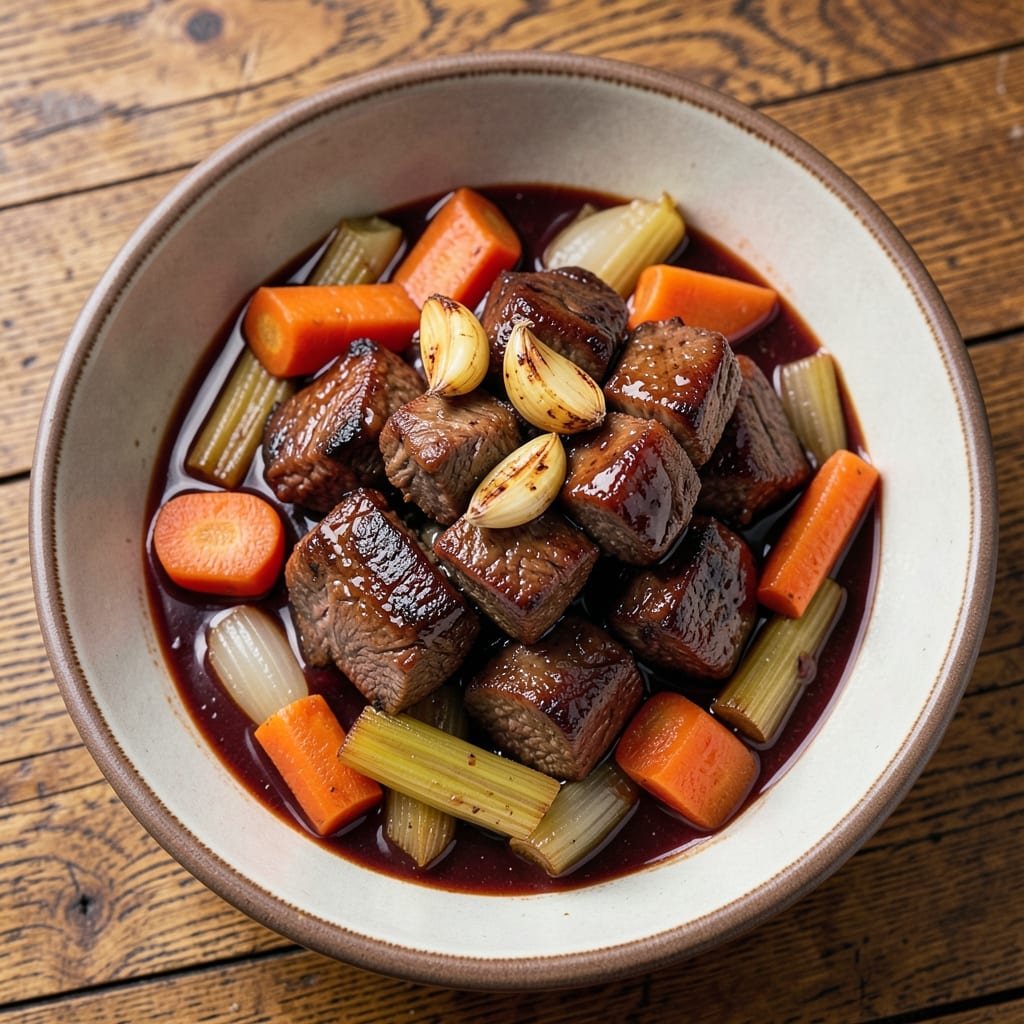
This balsamic beef stew slow cooker recipe transforms tough beef into melt-in-your-mouth tenderness while building deep, complex flavors through slow cooking. The key lies in the balsamic reduction—a technique that creates a glossy, tangy-sweet sauce that coats every bite, elevating simple ingredients into something extraordinary. What starts as a basic pot of beef and vegetables emerges hours later as a rich, velvety stew that tastes like it simmered all day.
The beauty of this method is its simplicity: brown the beef first for maximum flavor, then let the slow cooker do the work while you focus on other tasks. The balsamic vinegar doesn’t just add acidity—it caramelizes into a glossy reduction that ties all the flavors together, balancing the richness of the beef with bright, fruity notes. This isn’t just comfort food; it’s a restaurant-quality meal that comes together with minimal effort.
By the time you’re ready to serve, you’ll have perfectly tender beef that falls apart at the touch of a fork, vegetables softened just enough to absorb the rich sauce, and a balsamic glaze that adds depth and shine. The aroma alone will have everyone gathering around the table, and each spoonful delivers that perfect balance of savory, sweet, and tangy. Serve it with crusty bread to soak up every last drop of that luscious sauce.
This recipe scales beautifully for crowds, reheats wonderfully for leftovers, and becomes even more flavorful the next day as the balsamic continues to deepen. Let’s get started—your slow cooker is about to become your new favorite kitchen tool.
Ingredients for balsamic beef stew slow cooker
This beef stew comes together with pantry staples and one key ingredient: time.
| Ingredient | Amount | Notes |
|---|---|---|
| Chuck Roast 🥩 | 2 lb | Cut into 1.5-inch cubes |
| Yellow Onion 🧅 | 1 whole | Large, sliced into half-moons |
| Carrots | 4 medium | Peeled, cut into 1-inch chunks |
| Celery Stalks 🥬 | 3 whole | Trimmed, cut into 1-inch pieces |
| Garlic Cloves 🧄 | 4 cloves | Minced for depth of flavor |
| Balsamic Vinegar 🍷 | ½ cup | High-quality, aged variety |
| Beef Broth 💧 | 2 cups | Low-sodium preferred |
| Tomato Paste 🍅 | 2 tbsp | Smooth, no sugar added |
| Dried Thyme 🌿 | 1 tsp | Or 1 tbsp fresh thyme |
| Bay Leaves 🍃 | 2 whole | Remove before serving |
| Black Peppercorns 🌶️ | ½ tsp | Freshly cracked preferred |
| Salt 🧂 | 1 ½ tsp | Kosher or sea salt |
| Olive Oil 🫒 | 1 tbsp | For browning beef |
The chuck roast is your flavor anchor—look for good marbling at the meat counter. Costco or Whole Foods usually carry the best cuts, but any grocery store with a butcher section will have it. If you're buying a whole roast, ask for it to be cut into 1.5-inch cubes for even cooking. The balsamic vinegar should be the aged, dark kind—not the cheap white stuff. I grab mine at Trader Joe's because it's affordable and packs serious flavor. For the beef broth, low-sodium is key unless you're adding extra salt later. The tomato paste? No sugar added keeps this from tasting overly sweet.
No chuck roast? Short ribs or brisket work in a pinch, but they'll need more time. Short on balsamic vinegar? Substitute 2 tbsp red wine vinegar plus 1 tbsp brown sugar. Fresh thyme is ideal, but dried works at one-third the amount—just make sure it's labeled as culinary thyme, not ornamental. The carrots can be baby carrots if that's what's in your fridge, but regular carrots add better texture. For the celery, trim off the stringy ends and cut into even pieces so they cook uniformly. The garlic? Freshly minced makes all the difference—pre-minced garlic lacks punch.
This stew tastes even better the next day as the balsamic deepens. Store leftovers in an airtight container for up to 5 days in the fridge, or freeze for 3 months. I like to portion mine into containers with a little extra sauce on top—perfect for quick lunches. The balsamic glaze thickens as it cools, so give it a quick stir before reheating. For serving, crusty bread is a must—sourdough or baguette soak up that rich sauce beautifully.
Why You'll Love This Recipe
- Ditch the Chopping: The slow cooker handles the hard work—just toss in roughly chopped onions, carrots, and celery (no food processor needed). I’ll often use pre-cut veggies from the store when I’m really tired, and it still turns out tender and rich.
- Balsamic Magic: That tangy-sweet balsamic glaze caramelizes into the beef, cutting through the richness with every bite. The chuck roast? It practically melts in your mouth while soaking up all that deep, savory flavor—like a fancy steakhouse dish, but with zero effort.
- Leftovers That Beg: This stew only gets better the next day. I’ll make a double batch on Sunday, freeze half, and pull it out for lazy nights or when company drops by. (Between us, my roommate’s “I’m not hungry” phase ended the second they smelled reheated stew.)
- Budget-Friendly Feast: A chuck roast stretches for days, and the veggies? Cheap as chips. Honestly, I’ve served this to 10 people for under $20, and no one ever questions the price after one bite. It’s the kind of meal that makes frugality feel like a win.
Step-by-step instructions for balsamic beef stew in the slow cooker
This method transforms tough chuck roast into melt-in-your-mouth beef with rich, tangy depth.
Brown the Beef for Maximum Flavor
Heat a large skillet over medium-high heat until hot. Add the 1 tablespoon olive oil and swirl to coat. Working in batches if needed, add the 2 lb chuck roast cut into 1.5-inch cubes and let them sear undisturbed for 2-3 minutes per side until deeply browned. This step is crucial—it develops the Maillard reaction that builds deep, savory flavor.
As the beef browns, you'll notice the fat rendering out and sizzling in the pan. Don't rush this process—patience here ensures your stew will have that restaurant-quality richness. Transfer the browned beef to the slow cooker and set aside.
Sauté the Aromatic Vegetables
In the same skillet (no need to clean it—the browned bits add flavor), add the 1 whole yellow onion sliced into half-moons, 4 medium carrots cut into 1-inch chunks, and 3 whole celery stalks cut into 1-inch pieces. Cook over medium heat for 5-6 minutes until the vegetables begin to soften and the onion turns translucent.
Add the 4 cloves minced garlic and stir for 30 seconds until fragrant—you should smell that pungent garlic aroma filling your kitchen. The vegetables will release their own juices as they cook, creating a light fond at the bottom of the pan. Scrape this up with a wooden spoon and transfer everything to the slow cooker with the beef.
Build the Balsamic Base
Pour the 2 cups beef broth into the slow cooker and stir to combine with the beef and vegetables. Add the 2 tablespoons tomato paste, 1 teaspoon dried thyme, 2 whole bay leaves, 0.5 teaspoon black peppercorns, and 1.5 teaspoons salt. Give everything a good stir to distribute the seasonings evenly throughout the liquid.
Now for the star ingredient: pour in the 0.5 cup balsamic vinegar. This is where the magic happens—the balsamic's tangy sweetness will mellow and deepen as it cooks, creating that signature rich flavor. The vinegar also helps tenderize the beef as it simmers slowly.
Cook Until Fork-Tender
Place the lid on the slow cooker and cook on low heat for 8 hours or on high heat for 5-6 hours. This long cooking time is essential—it breaks down the tough connective tissue in the chuck roast, transforming it into tender, shreddable beef. The stew should reduce slightly, creating a thick, velvety sauce that coats every bite.
About 30 minutes before serving, remove the 2 whole bay leaves—they've done their job and will become bitter if left in too long. The stew is done when the beef easily pulls apart with a fork and the flavors have melded into a harmonious blend. The aroma alone should have your mouth watering!
Serve with Crusty Bread
Ladle the balsamic beef stew into bowls, making sure each serving gets plenty of that rich, tangy sauce. The vegetables should be tender but still hold their shape, and the beef should be so tender it nearly falls apart at the touch. Serve immediately with warm crusty bread to soak up every last drop of that delicious sauce.
This stew tastes even better the next day as the flavors continue to develop, so consider making a double batch. The balsamic's complexity will only deepen with time, making each bite more satisfying than the last. Enjoy your hearty, comforting meal that's perfect for chilly evenings!
Pro Tips For Making Balsamic Beef Stew Slow Cooker
- SEAR THE ROAST FIRST: I learned this the hard way—skipping the sear means flavor hiding in plain sight. Brown the chuck roast in a hot skillet with oil until it’s deep golden on all sides before dumping it into the slow cooker. That crust locks in juices and adds depth the slow cooker alone can’t match.
- CHOP ONIONS COARSELY: Fine onions dissolve into mush; big chunks stay intact. Cut your yellow onion into ½-inch pieces—big enough to taste but small enough to soften nicely. (Yes, even if you’re impatient like me, resist the urge to pulse them in the food processor.)
- ADD Balsamic GRADUALLY: Pouring it all in at once makes the stew taste like vinegar soup. Start with half the balsamic reduction in the slow cooker, then stir in the rest during the last 30 minutes of cooking. This balances sweetness without overpowering the beef.
- USE CELERY STALKS WHOLE: I used to chop celery into tiny pieces, and it turned to mush. Leave the stalks intact (just trim the ends) so they hold their shape and add texture. If you’re worried about chewing, cut them into 2-inch lengths instead.
Essential equipment for great balsamic beef stew slow cooker
Slow Cooker Essentials
Your 6-quart slow cooker is the star of this recipe—look for one with a tight-fitting lid to retain moisture and even heat distribution. I recommend the Crock-Pot 6-Quart Programmable for its consistency, but any trusted brand like Hamilton Beach or Instant Pot Duo will work. The key is ensuring your cooker has at least 6 quarts of capacity to prevent overflow as the stew reduces. 🌡️
Skillet for Browning
A 12-inch cast-iron skillet is ideal for searing the beef—its heavy weight distributes heat evenly, creating that perfect crust. If you don’t own one, a stainless steel skillet (like All-Clad) works too. Avoid nonstick for browning—it won’t develop the rich, caramelized flavors you need. Preheat your skillet over medium-high heat until it’s smoking hot before adding oil.
Wooden Spoon & Tongs
Use a long wooden spoon (about 12 inches) to stir the stew without scratching the slow cooker lining. For browning the beef, tongs are better—they let you handle hot meat without burning your fingers. I keep a stainless steel pair from OXO in my kitchen; they’re durable and heat-resistant. Avoid metal spoons that could damage your slow cooker’s nonstick coating.
Measuring Tools
Precision matters with liquids like balsamic vinegar and beef broth. Use a liquid measuring cup with clear markings for the 2 cups broth and ½ cup balsamic vinegar. For dry ingredients, a spice measuring set ensures accuracy with the 1.5 tsp salt and ½ tsp peppercorns. I love the Weck measuring spoons—they’re sturdy and fit perfectly in my recipe box. ✨
Optional: Immersion Blender
If you prefer a smoother sauce, an immersion blender (like Magic Bullet) lets you blend right in the slow cooker after cooking. Pulse for 10-15 seconds to break up the beef slightly while keeping some texture. Skip this if you love hearty, chunky stews—the balsamic glaze will still coat everything beautifully without blending.
Nutrition facts
Frequently asked questions
Can I use a different cut of beef instead of chuck roast?
Yes! For similar results, try short ribs (add 1 extra hour of cooking time) or brisket (cut into 1-inch cubes). Avoid lean cuts like sirloin—they'll dry out. The key is choosing meat with good marbling for flavor and tenderness.
Why does my balsamic beef stew taste too acidic?
This usually happens when the balsamic vinegar overpowers the other flavors. Balance it by adding 1 tablespoon brown sugar or 1 teaspoon honey during the last 30 minutes of cooking. Alternatively, reduce the balsamic to ¼ cup next time and add 1 tablespoon red wine for depth.
How do I make this stew thicker?
For a richer texture, mix 1 tablespoon cornstarch with 2 tablespoons cold water, stir into the stew during the last 15 minutes of cooking, and let it simmer until thickened. You can also remove the lid for the final 30 minutes to reduce the sauce naturally.
Can I prepare this stew ahead of time?
This stew actually tastes better the next day as the balsamic flavors deepen. Cook it fully, then refrigerate in an airtight container for up to 5 days. Reheat on low in the slow cooker for 1-2 hours or on the stovetop over medium-low heat until warmed through. Stir occasionally and add a splash of water if needed.
What vegetables can I add for extra nutrition?
Try adding 1 cup diced potatoes (add with beef), 1 cup chopped mushrooms (sauté with onions), or 1 cup frozen peas (stir in during last 30 minutes). For heartier stews, add 1 cup chopped kale or 1 cup diced butternut squash. Just adjust cooking time if using denser vegetables.