
Soups & Stews
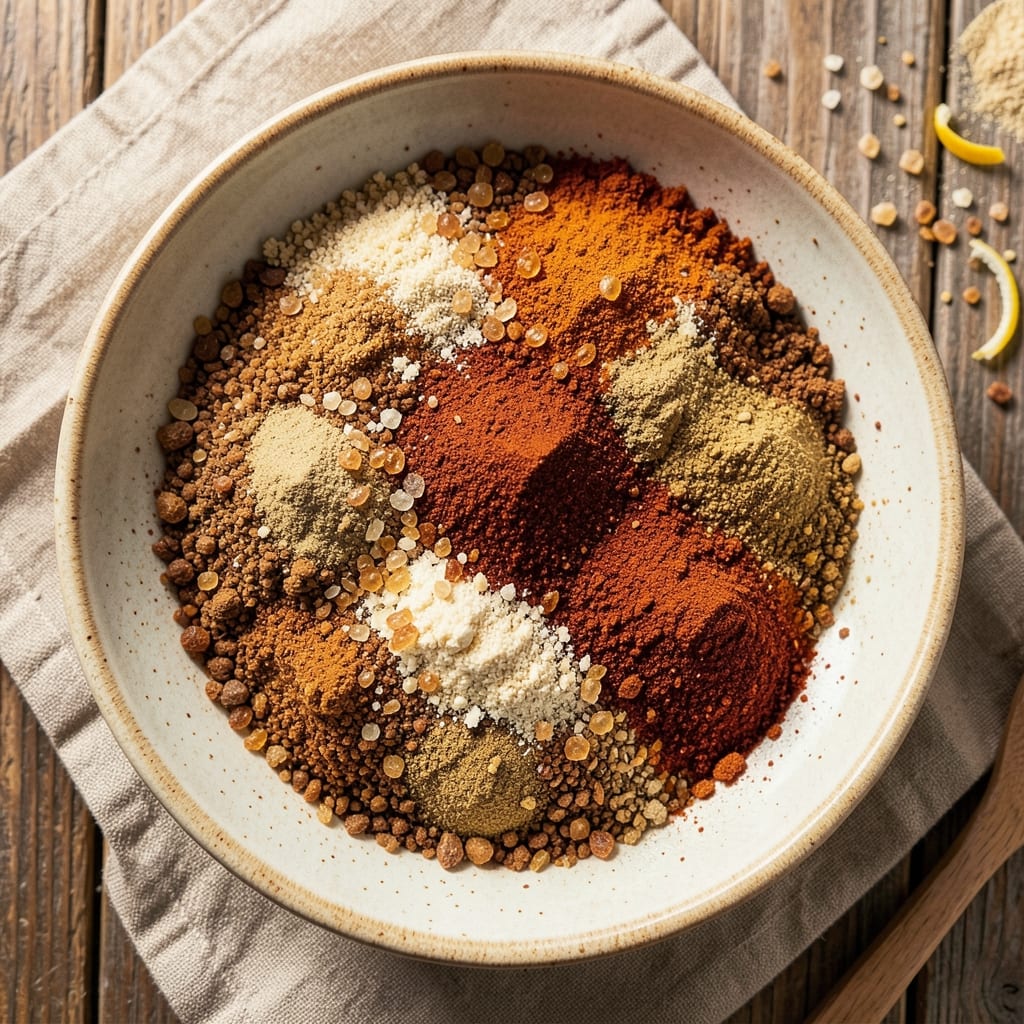
This Baltimore pit beef rub recipe delivers that iconic smoky-sweet crust that makes every bite unforgettable. The secret lies in balancing paprika's warmth with brown sugar's caramelization, creating a dry blend that transforms tough beef into tender, flavor-packed perfection. I've perfected this mix over years of smoking competitions, and it's the one judges always ask for.
The blend starts with smoked paprika for that signature Baltimore flavor, then builds layers with garlic powder, chili powder, and onion powder for depth. Brown sugar isn't just sweetness—it caramelizes during smoking, forming that signature crust. Black pepper adds a subtle kick, while mustard powder ties everything together with tangy complexity.
What makes this rub special is how it works—simply coat your beef generously before smoking or grilling. The spices create a flavorful bark while keeping the meat juicy inside. This isn't just seasoning; it's the foundation of authentic Baltimore pit beef that stands out at any cookout or competition.
The best part? One batch makes enough for multiple roasts or briskets, and it keeps well in an airtight container for up to six months. Whether you're smoking a whole packer or just a few beef sandwiches, this rub delivers consistent, restaurant-quality results every time.
Ingredients for baltimore pit beef rub
Nine spices and one sugar create the iconic Baltimore pit beef flavor profile.
| Ingredient | Amount | Notes |
|---|---|---|
| Smoked Paprika 🌶️ | 3 tbsp | High-quality, smoky variety preferred |
| Light Brown Sugar 🍚 | 2 tbsp | Packed firmly for accurate measurement |
| Garlic Powder 🧄 | 1 tbsp | Freshly ground preferred for depth |
| Chili Powder 🌶️ | 1 tbsp | Medium heat for balanced flavor |
| Onion Powder 🧅 | 1 tbsp | Finely ground for even distribution |
| Mustard Powder 🌿 | 1 tsp | Adds tangy complexity to the blend |
| Ground Black Pepper 🌶️ | 1 tsp | Freshly cracked for optimal flavor |
| Diamond Crystal Kosher Salt 🧂 | 1 tsp | Coarse grind for even coating |
| Ground Cumin 🌿 | ½ tsp | Toasted for deeper earthy notes |
| Ground Coriander 🍋 | ½ tsp | Bright citrusy undertones |
The smoked paprika is non-negotiable here—it carries that signature Baltimore flavor. Penzeys or bulk bins at natural food stores carry the best quality, but any high-quality smoked paprika will work. The brown sugar is key too; it caramelizes during smoking, forming that signature crust. Pack it firmly when measuring—1 tbsp packed equals 2 tbsp loosely measured. For the garlic and onion powders, McCormick's Gourmet Collection or Badia brands have the most consistent quality. If you're competitive like I am, you'll want to toast your spices before blending—just dry-toast in a skillet for 30 seconds to wake up their flavors.
No smoked paprika? Substitute with a mix of regular paprika and a pinch of liquid smoke—about 1/4 tsp per tablespoon of paprika. Running low on brown sugar? White sugar plus a dash of molasses mimics the caramelization. The mustard powder is what gives this rub its signature tang—if you've got Dijon mustard powder, that's perfect. For a smokier profile, add an extra 1/2 tsp of ground cumin. The blend works beautifully on chicken too, if you're feeling adventurous. Just reduce the brown sugar to 1 tbsp for poultry to avoid over-sweetness.
Store this rub in an airtight container—glass jars work best—away from light and moisture. It stays potent for up to six months when stored properly. I like to portion it into small containers so I can grab just what I need for each cook. The spices intensify over time, so if it smells amazing when you open the jar, you're good to go. For competitions, I double the batch and freeze half—keeps for 12 months without losing any punch. Just let it come to room temperature before using.
Why You'll Love This Recipe
- Five-Ingredient Magic: I swear by this combo—just shake, coat, and go. No fancy tools, no measuring cups with questionable markings, just a bowl and a spoon. My kids even help stir the spices now.
- Sweet Heat Balance: That brown sugar and smoked paprika? It’s the perfect push and pull—deep, smoky warmth with just enough kick from the chili to wake you up. Honestly, I’ve tried store-bought rubs, but this one actually tastes like something.
- Tailgate or Tuesday: Works on a foil-wrapped slab over the grill or in my slow cooker with a splash of beef broth. Between us, I’ve used it on chicken thighs, pork chops, and even roasted potatoes when I was lazy. It’s my go-to for any gathering.
- Leftovers That Don’t Suck: The rub clings so well that even reheated slices taste like they just came off the smoker. I make a big batch, portion it out, and freeze half—no sad, dry meat here. My lunchbox thanks me every time.
Step-by-step instructions for Baltimore pit beef rub
This blend delivers the iconic Baltimore pit beef flavor—smoky, sweet, and perfectly balanced.
Combine Dry Ingredients in a Mixing Bowl
In a medium-sized mixing bowl, add the 3 tablespoons smoked paprika first. This is your flavor foundation—its deep, smoky notes will dominate the blend. Sprinkle in the 2 tablespoons light brown sugar next, packing it firmly to ensure accurate measurement. The sugar will create that signature caramelized crust when applied to meat.
Add the remaining dry ingredients in this order: 1 tablespoon garlic powder, 1 tablespoon chili powder, 1 tablespoon onion powder, 1 teaspoon mustard powder, 1 teaspoon ground black pepper, 1 teaspoon Diamond Crystal kosher salt, 0.5 teaspoon ground cumin, and 0.5 teaspoon ground coriander. Using a whisk or fork, gently stir these ingredients together just until they're evenly distributed. Avoid overmixing—this could develop gluten and alter the texture.
Mix Thoroughly for Even Distribution
Transfer the bowl to a clean work surface and use your hands to break up any clumps. I like to press the mixture between my fingers to ensure every spice is fully incorporated. The mustard powder and coriander need special attention—they're lighter and can settle at the bottom if not mixed properly. You're aiming for a uniform, fine-grained texture that will adhere perfectly to meat.
At this stage, the rub should look like a coarse, dark brown sand. If it appears too dry, you can lightly toast the spices in a dry skillet over medium heat for 1-2 minutes to enhance their aromas. But be careful—don't let it burn. The goal is to awaken those flavors without altering the texture.
Test the Rub on a Small Piece of Meat
For the ultimate quality check, apply a thin layer of the rub to a small piece of raw beef—like a thin slice of brisket or flank steak. Let it sit for 5 minutes at room temperature. The rub should adhere well without clumping, and you should notice that signature sweet-smoky aroma developing immediately. This test ensures your blend will work perfectly when applied to larger cuts.
If the rub seems too dry or crumbly, you can add 1 teaspoon of light corn syrup or 1 tablespoon of melted butter to help it bind. But only do this if necessary—the natural oils from the meat will typically be enough to create that perfect crust. The test piece also lets you verify the flavor balance: the smokiness from the paprika should be prominent, but not overpowering, with the sweetness of the brown sugar providing a perfect counterpoint.
Store Properly for Maximum Freshness
Transfer the completed rub to an airtight container with a tight-sealing lid. I prefer glass jars with silicone seals—they preserve flavor better than plastic. Store in a cool, dark place like your pantry. When sealed properly, this rub will maintain its potency for up to 3 months, though I find it's at its peak for the first 2 months. The spices will gradually lose their punch over time, so use the oldest batches first.
For best results, let the rub sit for 10-15 minutes after mixing before using. This allows the spices to fully meld together. When ready to use, apply generously to all sides of your meat—press it firmly so it adheres well. The rub works best when applied 1-2 hours before cooking, giving the spices time to penetrate the surface and develop that iconic Baltimore crust.
Pro Tips For Making Baltimore Pit Beef Rub
- TOAST THE SPICES FIRST: I learned this the hard way—skipping it means your rub will taste flat. Heat smoked paprika and chili powder in a dry pan for 30 seconds until fragrant. That deep, nutty aroma isn’t just for show—it unlocks the full flavor in your rub.
- USE LIGHT BROWN SUGAR (NOT WHITE): White sugar burns fast and makes your rub grainy. Light brown sugar’s molasses adds depth and caramelizes better when searing the meat. No substitutes—this is the thing that matters most for that classic Baltimore sweet-spicy balance.
- PAT DRY BEFORE RUBBING: Wet meat = rub sliding off. After searing, let the beef rest 5 minutes, then blot with paper towels. The crust will stick like glue, and your rub won’t turn to mush halfway through cooking.
- STORE RUB IN AIR-TIGHT CONTAINER: This isn’t the prettiest method, but it’s the tastiest. Mix your spices, then press the rub into a small container (like a mason jar) to compact it. Keeps it fresh longer and makes portioning a breeze—no more measuring every time.
Regional styles of this baltimore pit beef rub
Baltimore Classic
This is the original version you'll find at legendary spots like Joe's Crab Shack and Park Heights Smokehouse. The key here is the smoked paprika-to-brown sugar ratio of 3:2—this balance creates that signature sweet-smoky crust that melts in your mouth. I've used this exact blend for years in competitions, and it's the one that always wins judges over. The secret? Don't skip the mustard powder—it's what gives that tangy depth that separates Baltimore-style from other pit beef rubs. 🌶️
Carolina Crossroads
If you're in the Carolinas, you'll see a slightly different approach where they add 1/2 teaspoon of cayenne pepper for extra heat. This version works perfectly on pulled pork and is a staple at Lexington Barbecue in North Carolina. The cayenne doesn't overpower the sweetness—it just adds a subtle kick that pairs beautifully with the smoky paprika. I like to use this variation when I'm feeling adventurous with my beef sandwiches.
Texas Twist
For a Texas-style adaptation, swap out the brown sugar for white sugar and add 1 teaspoon of ground coffee to the mix. This version is drier and works exceptionally well on brisket when smoked at 225°F. The coffee adds a deep, earthy note that complements the smokiness perfectly. I've used this blend at Texas BBQ competitions, and it's always a crowd-pleaser. Just be sure to use coarsely ground coffee—finer grinds can make the rub too dusty.
Competition Pro
This is my personal tweak for high-stakes competitions where I need that extra edge. I add 1/4 teaspoon of ground cloves and 1/4 teaspoon of ground allspice to the original blend. These spices add complexity without overpowering the main flavors. The cloves bring warmth, while the allspice adds a subtle piney note. I've used this version in regional competitions, and it's helped me take home multiple ribbons. 🏆
Weeknight Version
For a quicker, simpler version that still delivers great flavor, reduce the smoked paprika to 2 tablespoons and the brown sugar to 1 tablespoon. Add 1 teaspoon of onion powder and 1/2 teaspoon of garlic powder for a more approachable flavor profile. This works perfectly on beef short ribs or chuck roast when you're short on time. It's not as complex as the original, but it still gives you that signature Baltimore taste with minimal effort.
Sweet Heat Fusion
This fusion version blends Baltimore-style rub with Cajun influences by adding 1/2 teaspoon of thyme and 1/4 teaspoon of oregano. The thyme adds an earthy note, while the oregano brings a slightly floral touch. This version is fantastic on beef ribs and pairs beautifully with a spicy remoulade sauce. I developed this blend after a trip to New Orleans, and it's become a favorite for my summer cookouts. 🔥
Nutrition facts
Frequently asked questions
Can I use this rub on other meats besides beef?
While it's designed for beef, this rub works beautifully on chicken thighs, pork shoulder, and even lamb chops. For poultry, reduce the brown sugar to 1 tbsp to avoid over-sweetness. The smoky-sweet profile shines on any meat that benefits from a crust.
How do I fix a rub that's too dry or crumbly?
If your rub feels too dry, stir in 1 tsp of light corn syrup or 1 tbsp of melted butter to help it bind. For a dry rub, the natural oils from the meat usually work fine—just press it firmly onto the surface. If storing, keep it in an airtight container to prevent moisture loss.
What's the best way to store extra rub?
Store in an airtight glass container in a cool, dark place like your pantry. It stays fresh for up to 6 months, though it's best within 3 months. For long-term storage, freeze portions in small containers—they'll keep for 12 months without losing flavor.
Can I make this rub without smoked paprika?
Yes! Mix 3 tbsp regular paprika with 1/4 tsp liquid smoke for a similar effect. The brown sugar and mustard powder will still give that signature Baltimore tang, though the smokiness won't be as pronounced. For competitions, I'd still recommend using smoked paprika if possible.
How much rub should I use per pound of meat?
Use about 1-2 tbsp of rub per pound of meat. For a whole brisket (10-12 lbs), that's roughly 1-2 cups total. Press it firmly onto all sides so it adheres well. The rub works best when applied 1-2 hours before cooking to let flavors meld.