
Soups & Stews
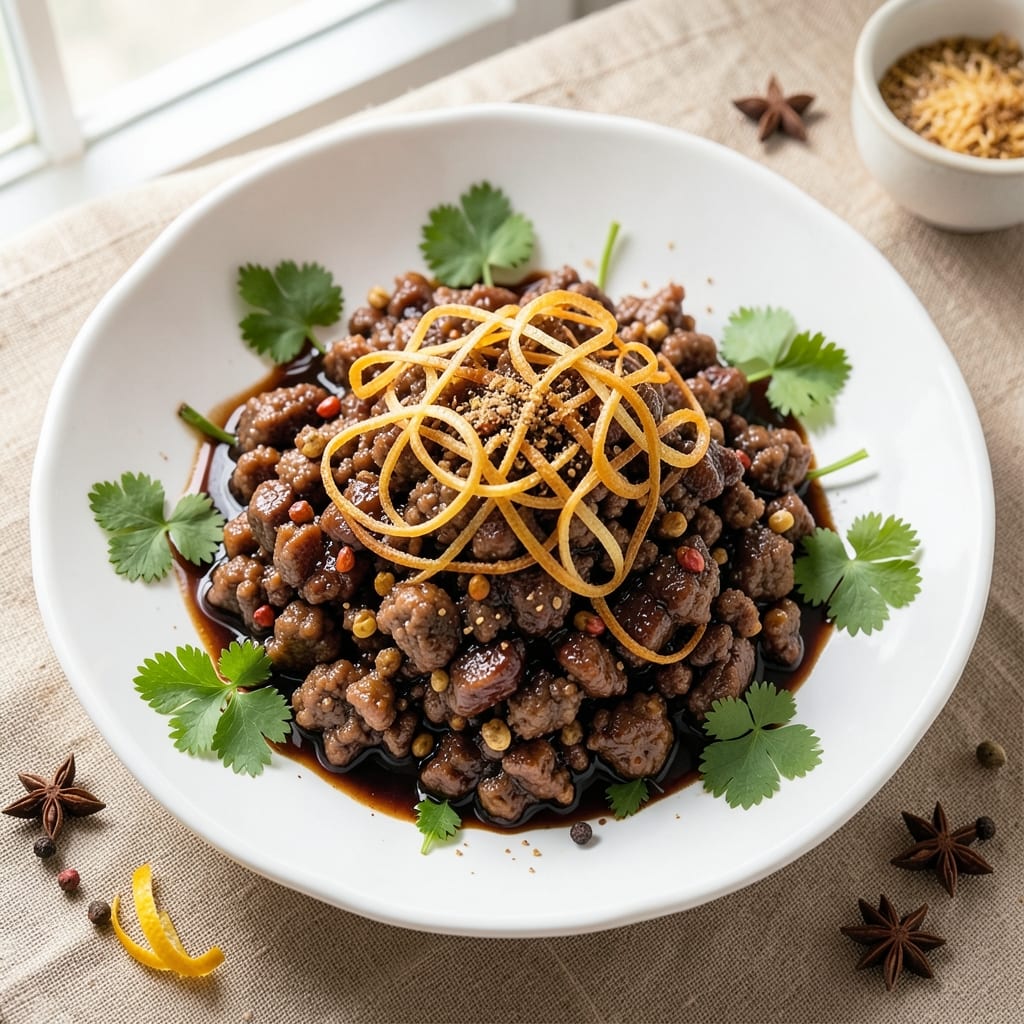
This bao bun beef filling recipe transforms tender beef into smoky, five-spice crumbles perfect for stuffing into soft steamed buns. The secret lies in slow-braising ground beef with aromatic spices until it breaks apart into juicy, flavorful bits that stay cohesive when packed into dough. Unlike quick stir-fries, this method develops deep, complex flavors—ideal for bao that need to hold up to steaming or pan-frying.
The process begins with browning beef in a hot pan to build a rich foundation, then simmering it with star anise, cinnamon, and Sichuan peppercorns until tender. These spices infuse the beef with warmth and subtle heat, balancing the natural richness of the meat. A splash of soy sauce and a touch of sugar caramelize during cooking, creating a sticky, slightly sweet glaze that binds the filling together.
What sets this filling apart is its texture—finely minced yet moist, so it doesn’t dry out when steamed. The result is a bite that’s tender, aromatic, and packed with umami, designed to complement the pillowy bao dough without overpowering it. Serve with hoisin sauce, pickled vegetables, or a drizzle of chili oil for the full experience.
Make ahead and store in an airtight container for up to 3 days, or freeze for longer shelf life. The flavors deepen over time, making this the ultimate make-ahead filling for bao buns, dumplings, or even stuffed lettuce wraps. Let’s get cooking!
Ingredients for bao bun beef filling
Fourteen ingredients for a filling that balances smoky warmth with tender beef crumbles.
| Ingredient | Amount | Notes |
|---|---|---|
| Ground Beef (80/20 fat ratio) 🥩 | 1 ½ lb | Finely minced for texture |
| Soy Sauce 🍶 | ¼ cup | Light or dark variety |
| Brown Sugar 🍯 | 2 tbsp | Packed for accurate measure |
| Five-Spice Powder 🌶️ | 1 ½ tsp | Authentic Chinese blend |
| Star Anise 🌿 | 2 whole | Lightly crushed for aroma |
| Sichuan Peppercorns 🔥 | 1 tsp | Lightly toasted for heat |
| Garlic Cloves 🧄 | 6 cloves | Minced for even distribution |
| Fresh Ginger 🌿 | 1 tbsp | Finely grated, zest removed |
| Sesame Oil 🫒 | 1 tbsp | Toasted for nutty depth |
| Green Onions 🧅 | 3 whole | Chopped, white and green parts |
| Cornstarch 🌾 | 1 tbsp | For binding moisture |
| Vegetable Oil 🫒 | 2 tbsp | High smoke point preferred |
| Sesame Seeds 🌰 | 1 tbsp | Toasted for garnish |
| Salt 🧂 | ½ tsp | Kosher or sea salt |
The beef is non-negotiable—80/20 fat ratio keeps it juicy while browning. Costco or Whole Foods often carry pre-minced beef, but if you're grinding your own, pulse it until it's nearly paste-like for that perfect bao texture. Five-spice powder is the heart of this recipe; Penzeys or local Asian markets carry authentic blends with star anise, cinnamon, and cloves. If you can't find it, mix 1 tsp cinnamon, 1 tsp fennel seeds, ½ tsp cloves, and ½ tsp black pepper. Sichuan peppercorns add that signature tingling heat—toast them lightly in a dry pan first to deepen their aroma. Fresh ginger and garlic should be vibrant, not woody or dried out.
No five-spice powder? Substitute 1 tsp cinnamon, ½ tsp ground cloves, and ½ tsp fennel seeds—it won’t be identical, but it’ll work. Running out of star anise? 1 tsp ground cinnamon plus ½ tsp anise seeds mimics its sweet, licorice-like depth. Sesame oil is non-negotiable for that nutty aroma, but if you’re avoiding it, toasted peanut oil at half the amount adds a similar richness. The cornstarch is key for binding moisture—arrowroot powder works too. For the green onions, use whatever’s freshest: white parts for flavor, green for color. If you’re prepping ahead, store the filling in a sealed container with parchment paper to prevent sticking.
This filling keeps beautifully—3 days in the fridge or 3 months in the freezer. For reheating, warm in a skillet over medium heat with a splash of water or broth to restore moisture. If it seems dry after reheating, add a teaspoon of water or oil and mix well. The flavors actually improve overnight as the spices meld. Portion into small containers or ice cube trays for easy use in bao buns or lettuce wraps. Leftovers make fantastic stuffed cabbage rolls or even a quick fried rice topping—just don’t skip the sesame seeds on top!
Why You'll Love This Recipe
- Pantry Magic: I’ll be real—this filling uses stuff I always have: a can of star anise tucked in my spice drawer, brown sugar from my baking stash, and that 80/20 ground beef I grab on sale. No special shopping trips, no last-minute panic. Just open, mix, and cook.
- Umami Bomb: That five-spice powder and star anise? They turn simple ground beef into something ridiculously flavorful—sweet, savory, with a hint of warmth. Honestly, the first time I tasted it, I thought, “Why didn’t I do this sooner?” The brown sugar caramelizes just enough to make every bite feel special.
- Leftover Hero: This filling keeps perfectly for days in the fridge, so I make a big batch and use it for bao, lettuce wraps, or even stuffed peppers. My kids ask for it in their lunches—yes, even the picky ones—because it’s just that good. No sad, dry leftovers here.
- Weeknight Win: Twenty minutes, one pan, and zero fuss. I brown the beef, dump in the spices, and let it simmer while I chop veggies or set the table. Between us, this is the kind of recipe that makes me feel like a cooking pro without actually trying. (Yes, even on a Tuesday night.)
Step-by-step instructions for smoky five-spice beef filling
This aromatic beef mixture delivers deep flavor and perfect texture for bao buns—here's how to make it.
Prepare the Aromatics and Spices
In a small bowl, crush the 2 whole star anise lightly with the flat side of a knife to release their fragrance without grinding into powder. Toast the 1 tsp Sichuan peppercorns in a dry skillet over medium heat for 30 seconds until they release their citrusy aroma—don't let them burn. Finely mince the 6 cloves garlic and grate the 1 tbsp fresh ginger, removing any zest. Chop the 3 whole green onions into ¼-inch pieces, separating the white and green parts if desired.
These steps are critical for building layered flavor. The star anise should smell like anise seeds, the Sichuan peppercorns should be warm to the touch but not browned, and the ginger should be finely textured with no fibrous pieces remaining. If the ginger feels too fibrous, pulse it briefly in a food processor.
Cook the Beef and Build the Base
Heat the 2 tbsp vegetable oil in a large skillet over medium-high heat until shimmering. Add the 1.5 lb ground beef (80/20 fat ratio) and cook, breaking it apart with a wooden spoon, until it loses its raw color and begins to brown—about 5-7 minutes. This high-fat ratio is essential for juicy crumbles.
Once the beef is mostly cooked, reduce heat to medium and add the 0.25 cup soy sauce, 2 tbsp brown sugar, 1.5 tsp five-spice powder, toasted Sichuan peppercorns, and 0.5 tsp salt. Stir well to coat the beef evenly. The mixture should bubble gently as the soy sauce caramelizes slightly—this is when the flavors start melding.
Incorporate Aromatics and Thicken
Add the minced garlic, ginger, and white parts of the green onions to the skillet. Cook for 1-2 minutes until fragrant—you should smell garlic's sharpness mellowing into sweetness. Pour in the 1 tbsp sesame oil and stir to distribute evenly. This is where the filling develops its signature nutty depth.
In a small bowl, whisk the 1 tbsp cornstarch with 2 tablespoons water to create a slurry. Gradually add this to the skillet while stirring constantly. The mixture should thicken noticeably within 1-2 minutes, forming a glossy, slightly sticky filling. If it thickens too quickly, add 1-2 tablespoons water to maintain a spreadable consistency.
Finish and Rest the Filling
Remove the skillet from heat and stir in the green parts of the green onions. Let the filling cool slightly—about 5 minutes—then transfer it to a clean bowl. Sprinkle the 1 tbsp sesame seeds over the top and gently fold them in. The filling should be moist but not soupy, with visible crumbles that hold their shape when packed into bao dough.
For best results, let the filling rest at room temperature for 30 minutes before using. This allows the flavors to fully meld and the texture to stabilize. If storing, cover tightly and refrigerate for up to 3 days, or freeze for 3 months. When reheating, warm gently in a skillet over low heat with a splash of water to prevent drying.
Pro Tips For Making Bao Bun Beef Filling
- CRACK THE FAT FIRST: Start with a dry skillet over medium-high heat—no oil needed. The 80/20 beef will render its own fat, but if it’s not sizzling after 30 seconds, you’re holding back the flavor. Let those fat droplets pool and crisp the meat before touching it with anything else.
- TOAST THE SPICES: Whole star anise and five-spice powder taste flat if they’re just stirred in cold. Bloom them in the hot fat for 20 seconds first—you’ll smell the difference. This isn’t about burning; it’s about waking up those compounds so they work with the soy and sugar, not against them.
- SWEAT THE SOY: Don’t dump soy sauce at the start—it’ll just steam off. After browning the beef, reduce heat to medium-low and let the sauce simmer for 2 minutes before adding sugar. This caramelizes slightly, giving the filling that deep, sticky richness bao buns crave.
- DON’T OVERMIX: Once the beef is cooked, resist the urge to stir it into a paste. Break it up just enough to distribute the sauce, then let chunks stay intact. The texture should be moist but still have bite—overworking turns it into a gluey mess that’ll leak out of your buns.
Common mistakes when making this recipe
Overcooking the Beef
I’ve made this mistake more times than I’d like to admit—letting the beef dry out completely. The filling should be tender and moist, not crumbly like overcooked ground beef. Once the beef loses its raw color and starts to brown (5-7 minutes), immediately reduce heat to medium and add the soy sauce and sugar. This helps retain moisture while developing flavor. If the filling looks dry after cooking, add 1-2 teaspoons water or broth and stir gently. 💧
Skipping the Cornstarch
The cornstarch slurry is what gives this filling its perfect texture—it binds the moisture without making it gluey. If you omit it, the filling will either be too loose or dry out when reheated. Mix the 1 tbsp cornstarch with 2 tbsp water first, then gradually add it to the skillet while stirring constantly. This ensures even thickening. For a gluten-free option, use arrowroot powder instead.
Using Low-Fat Beef
Never, ever use lean ground beef (like 90/10 or 93/7) for this recipe. The fat is what keeps the filling juicy and flavorful. The 80/20 fat ratio is non-negotiable—it renders just enough fat to coat the beef while keeping it tender. If you’re concerned about fat content, drain excess grease after browning, but don’t skip the higher-fat beef entirely. Trust me, your bao buns will thank you. 🥩
Ignoring the Resting Time
Rushing to stuff the bao buns right after cooking is a big mistake. The filling needs to rest for 30 minutes at room temperature to let the flavors meld and the texture stabilize. If you skip this step, the filling might leak out of the bao when steamed or pan-fried. While it’s resting, cover it loosely with a clean kitchen towel to prevent a skin from forming on top.
Overcrowding the Pan
If you’re cooking a large batch, resist the urge to pile all the beef into the pan at once. Overcrowding causes the beef to steam instead of brown, leading to a bland, watery filling. Cook the beef in two batches if needed, using the same skillet. This ensures a proper Maillard reaction for maximum flavor. A lightly crowded pan also prevents the filling from becoming greasy.
Using Pre-Ground Beef
While pre-ground beef is convenient, it often contains anti-caking agents that can make the filling dry or gritty. For the best texture, I recommend grinding your own beef using a meat grinder with a fine plate or pulsing it in a food processor until it’s nearly paste-like. If you must use pre-ground beef, choose a high-quality brand like ButcherBox or Whole Foods and pulse it briefly in a food processor to break up any large clumps. 💡
Nutrition facts
Frequently asked questions
Can I use this beef filling for other dishes besides bao buns?
This versatile filling works perfectly in dumplings, lettuce wraps, or even stuffed cabbage rolls. The texture holds up well when steamed, pan-fried, or baked. For lettuce wraps, keep the filling slightly looser by reducing the cornstarch to ½ tbsp. The smoky five-spice flavor also pairs beautifully with noodle bowls or fried rice—just warm it through and mix with your favorite grains.
How do I adjust the spice level for sensitive eaters?
To reduce the heat from Sichuan peppercorns, simply omit them entirely—they provide the signature tingling sensation but aren't essential. For a milder five-spice blend, replace the 1 tsp Sichuan peppercorns with an extra ½ tsp cinnamon and ½ tsp fennel seeds. The filling will still be aromatic but without the numbing spice. Always taste as you go and adjust to preference!
Can I make this filling ahead of time?
Yes! This is one of the best make-ahead fillings you'll ever make. Store it in an airtight container in the fridge for up to 3 days or freeze for 3 months. When reheating, warm gently in a skillet over low heat with 1 tbsp water or beef broth to restore moisture. The flavors actually deepen over time, making it even more delicious the next day!
What's the best way to pack this filling into bao dough?
Use a small cookie scoop or spoon to portion about 1 tbsp of filling per bao. Press it gently into the center of the dough, leaving room for expansion. For extra stability, chill the stuffed bao for 15 minutes before steaming or pan-frying. If the filling feels too loose, add ½ tsp extra cornstarch and mix well before packing.
Can I substitute ground pork or chicken for the beef?
Ground pork works beautifully—just reduce the cooking time slightly (3-4 minutes for browning) since it cooks faster than beef. For chicken, use ground chicken thighs (not breast) for juiciness, and add 1 extra tbsp soy sauce to compensate for its milder flavor. The five-spice blend will still shine, but pork maintains the most authentic texture for bao buns.