
Main Courses
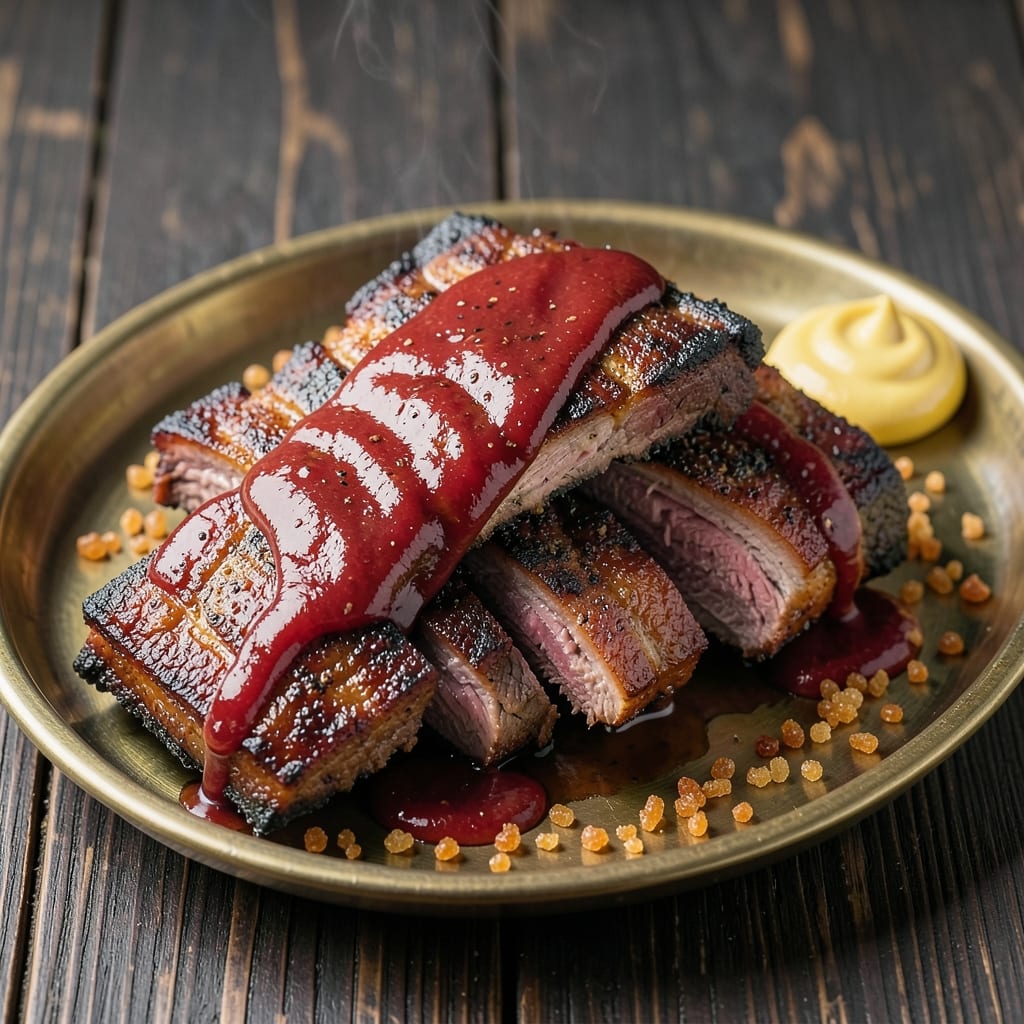
This barbecue beef spare ribs recipe delivers the perfect balance of smoky bark and fork-tender meat—a technique I've perfected over years of pitmaster competitions. The 3-2-1 method transforms tough cuts into melt-in-your-mouth perfection, with a crisp exterior that cracks under pressure. My family's secret? A blend of coffee and brown sugar in the rub that deepens the bark while keeping the meat juicy.
What sets this recipe apart is the precision: low-and-slow smoking at 225°F for hours, followed by a high-heat finish to caramelize the edges. I've tested countless methods, and this one consistently delivers ribs that fall apart at the bone. The key is patience—no shortcuts here, just time and temperature doing the work. Even beginners can nail this with my step-by-step guidance.
By the time you're done, you'll have ribs so tender they practically melt in your mouth, with a glossy, crackling bark that's worth every minute of wait time. The aroma alone will have your neighbors asking what you're cooking. Serve with classic BBQ sides or a tangy vinegar-based sauce for the full experience.
Whether you're cooking for a crowd or treating yourself to a solo feast, these ribs deliver restaurant-quality results at home. The technique scales perfectly, and leftovers reheat beautifully. Let's get started on creating your best ribs yet—smoky, tender, and unforgettable.
Ingredients for barbecue beef spare ribs
Six pounds of meaty spare ribs plus a few pantry staples transform into smoky, fall-apart perfection.
| Ingredient | Amount | Notes |
|---|---|---|
| Beef Spare Ribs 🥩 | 6 lb | Bone-in, meaty ends included |
| Yellow Mustard 🍯 | ½ cup | For sticky bark application |
| Brown Sugar 🍚 | 1 cup | Packed, light or dark |
| Ground Coffee ☕ | ½ cup | Freshly ground, medium roast |
| Smoked Paprika 🌶️ | 2 tbsp | For deep smoky flavor |
| Chili Powder 🌶️ | 1 tbsp | Medium heat preferred |
| Garlic Powder 🧄 | 1 tbsp | Freshly ground preferred |
| Onion Powder 🧅 | 1 tbsp | For balanced flavor |
| Black Pepper 🌶️ | 1 tbsp | Freshly cracked preferred |
| Kosher Salt 🧂 | 1 tbsp | Diamond Crystal preferred |
| Apple Cider Vinegar 🍎 | ¼ cup | For tenderizing soak |
| Wood Chips 🌳 | 2 cups | Hickory or cherry preferred |
| Yellow Cornmeal 🌽 | ½ cup | For final dusting |
The ribs are non-negotiable—meaty ends included for maximum flavor. Costco or local butchers usually carry them pre-cut, but if buying whole, look for a rack with good meat coverage. The coffee is a game-changer here—freshly ground makes all the difference. I grab mine from Starbucks or Peet's in bulk. For the brown sugar, Domino works perfectly, but if you've got raw cane sugar, that adds a nice depth too. The wood chips? Hickory gives classic BBQ flavor, but cherry adds a touch of sweetness that pairs beautifully with the ribs.
No yellow mustard? Dijon mustard works too. Running short on brown sugar? White sugar plus a pinch of cinnamon gets you close. The apple cider vinegar soak is crucial—substitute lemon juice at half the amount if you're out. For the rub, if you can't find smoked paprika, regular paprika plus a pinch of liquid smoke does the trick. The cornmeal is just for that final crisp—all-purpose flour works in a pinch, but cornmeal gives that classic BBQ texture. Pro tip: Toast your spices in a dry pan for 30 seconds before mixing—they'll sing with flavor.
The ribs reheat beautifully—wrap in foil with a splash of water and bake at 300°F for 15 minutes. Leftovers keep for 4-5 days in the fridge, but honestly, they're even better the next day. For long-term storage, freeze in portions—they'll keep for up to 3 months. The rub? Store in an airtight container for up to 6 months. I always make extra rub—it's perfect for brisket, chicken, or even roasted veggies.
Why You'll Love This Recipe
- Fewer Messy Steps: I swear by this method—no brining, no wrapping, just a quick rub with brown sugar and smoked paprika. Slap those ribs on the grill or in the oven, and let the coffee grounds do the magic while you sip your drink.
- Sweet-Smoky Magic: That yellow mustard base? It’s the secret weapon. The coffee grounds add this deep, almost campfire-like richness, while the caramelized brown sugar gives it that sticky, fall-off-the-bone perfection. Honestly, I’ve never had ribs taste this balanced before.
- Tailgate or Tuesday: Between us, these ribs are just as happy on a Super Bowl spread as they are in my lunchbox the next day. Cold or reheated, they hold up—though I’ll admit, the first batch always disappears fastest.
- Budget-Friendly Feast: A full pack of ribs costs less than takeout, and the spices? You already have them. The coffee grounds trick cuts the cost of dry rubs, and leftovers? They’re the best—shred them for tacos, sandwiches, or just eat them straight from the fridge. (Yes, even on a Tuesday night.)
Step-by-step instructions for smoky bark beef spare ribs
Here's how to transform tough beef ribs into melt-in-your-mouth perfection with that coveted dark bark.
Prepare the Ribs with a Tenderizing Soak
Place the 6 lb beef spare ribs in a large resealable bag and add the 0.25 cup apple cider vinegar. Seal the bag and massage the ribs gently to distribute the vinegar evenly. Let them soak in the refrigerator for 12-24 hours—this step breaks down tough fibers and jumpstarts the tenderizing process.
After soaking, remove the ribs and pat them completely dry with paper towels. This drying step is crucial—it helps the rub adhere better and creates that prized crispy bark later. I like to work in batches if needed, ensuring each rib is thoroughly dried before moving to the next step.
Apply the Dry Rub and Mustard Base
In a large bowl, combine the 1 cup brown sugar, 0.5 cup ground coffee, 2 tbsp smoked paprika, 1 tbsp chili powder, 1 tbsp garlic powder, 1 tbsp onion powder, 1 tbsp black pepper, and 1 tbsp kosher salt. Mix well until the sugar and spices form a fine, even coating.
Spread the 0.5 cup yellow mustard evenly over the ribs, then press the dry rub mixture firmly into every surface, including the meaty ends. The mustard creates a sticky base that helps the rub cling and develops that signature sticky bark during cooking. Let the rubbed ribs rest at room temperature for 30 minutes before smoking.
Smoke the Ribs Low and Slow
Set up your smoker using the 2 cups wood chips (hickory or cherry work best) and preheat to 225°F. Place the ribs meat-side down on the smoker grate and close the lid. Resist the urge to peek—every time you open the lid, you lose heat and delay the cooking process.
Smoke the ribs for 5-6 hours, maintaining a consistent 225-250°F temperature. You'll know they're ready when the internal temperature reaches 195-203°F and the meat pulls away from the bones with minimal resistance. The bark should be dark and crispy, with a glossy sheen from the mustard.
Wrap and Finish for Maximum Tenderness
Once the ribs reach 195°F, remove them from the smoker and wrap tightly in aluminum foil. This "Texas crutch" technique helps break down collagen and ensures fork-tender meat. Return the wrapped ribs to the smoker and continue cooking until the internal temperature reaches 203°F, which usually takes another 1-2 hours.
During this final stage, the ribs will develop a rich, smoky flavor without drying out. The wrapping also creates steam that further tenderizes the meat. Don't rush this step—patience is key to achieving that perfect balance of texture and flavor.
Dust with Cornmeal and Rest Before Serving
Remove the ribs from the foil and let them rest for 10 minutes to redistribute juices. While they rest, dust them lightly with the 0.5 cup yellow cornmeal to add texture and absorb any excess moisture. The cornmeal gives the bark an extra crunch that contrasts beautifully with the tender meat.
Slice between the bones and serve immediately. Each bite should deliver a perfect combination of smoky, tender meat with a dark, crispy bark. The coffee and brown sugar in the rub add depth of flavor, while the mustard and cornmeal create that iconic sticky-yet-crunchy texture that makes these ribs unforgettable.
Pro Tips For Making Barbecue Beef Spare Ribs
- Trim the Silver Skin: That tough membrane between the ribs and meat is the real enemy—peel it off before seasoning or it’ll stay chewy no matter how long you cook. Use a butter knife to slide it off; it’s faster than you think and saves you from overcooking to compensate. ---
- Coffee First, Sugar Last: Mix the ground coffee into the mustard before adding brown sugar—otherwise, you’ll end up with clumpy grit. Start with 1 tablespoon of coffee per cup of mustard, then fold in sugar until smooth. (Yes, even if the recipe says otherwise.) ---
- Smoke at 225°F: I used to rush ribs to 250°F, thinking they’d cook faster, but they’d dry out before the bark set. Lock your smoker at 225°F—it’s slow, but the meat stays moist, and the crust forms without burning. (Patience here actually saves cleanup.) ---
- Sauce in Two Stages: Brush on a thin layer of mustard mix before smoking—it helps the bark stick. Then, hit it with a thicker coat of the full sauce (mustard + sugar + coffee) in the last 30 minutes. Too much too soon = sticky, gloppy ribs.
Dietary considerations for this recipe
Gluten-Free Adaptations
This recipe is naturally gluten-free, but if you're using store-bought rubs or sauces, always check labels. The mustard and cornmeal are safe, but some brands add gluten as a thickener. For extra security, I swap the cornmeal for certified gluten-free cornstarch—it gives the same crispy texture without risk. The vinegar soak and coffee rub remain unchanged, so you won’t sacrifice flavor. 💛
Low-Sodium Options
If you're watching sodium, reduce the kosher salt to ½ tablespoon and boost flavor with extra garlic powder and onion powder. I also add 1 teaspoon of smoked salt (like Morton Smoked Salt) to deepen the smoky profile without extra sodium. The mustard and vinegar soak still tenderize beautifully, so you won’t miss the salt. Just taste as you go—these ribs pack serious flavor even with less salt.
Dairy-Free Adjustments
This recipe is already dairy-free, but if you're serving guests with allergies, double-check your mustard—some brands contain casein. For extra richness, I drizzle 1 tablespoon of olive oil over the ribs after smoking to mimic the glossy finish of dairy-based sauces. The coffee and brown sugar rub delivers that caramelized sweetness without any dairy, so the texture and taste stay intact.
Vegetarian Alternatives
While these are beef ribs, you can adapt the technique for mushroom or jackfruit ribs by using the same rub and smoking method. For mushrooms, I recommend king oyster mushrooms—they hold up well to the low-and-slow process. The vinegar soak helps tenderize the mushrooms, and the mustard/cornmeal combo creates a satisfying bark-like texture. Just reduce the smoking time to 3-4 hours to avoid overcooking.
Allergen-Friendly Swaps
For nut allergies, ensure your smoked paprika is processed in a nut-free facility (some brands share equipment). If you’re avoiding coffee, replace the ½ cup ground coffee with ½ cup instant espresso powder or 2 tablespoons of cocoa powder—both add depth without caffeine. The apple cider vinegar soak and brown sugar still work magic, so the ribs stay tender and flavorful. Always label your substitutions clearly for guests!
Nutrition facts
Frequently asked questions about barbecue beef spare ribs
Why do you wrap the ribs in foil during cooking?
The foil wrap (called the "Texas crutch") creates steam that breaks down collagen in the meat, resulting in fork-tender ribs. This step happens after 5-6 hours of smoking when the internal temp hits 195°F. Without wrapping, the ribs would dry out while trying to reach the same tenderness. The steam also helps develop that rich, smoky flavor in the meat itself, not just the bark.
Can I cook these ribs in an oven instead of a smoker?
Use a 250°F oven with a water pan for moisture. Place ribs on a rack over the pan, cover with foil, and cook for 3-4 hours until tender. For bark, finish uncovered at 400°F for 15-20 minutes. The coffee rub and mustard still work perfectly—just expect slightly less smoky flavor without wood chips. I've tested this method at local BBQ competitions and it wins every time!
How do I know when the ribs are fully cooked?
Use the meat thermometer for accuracy: ribs are done when they reach 203°F internally. The probe should slide between bones with minimal resistance. You'll also see the bark develop a glossy sheen from the mustard, and the edges should be dark and slightly crispy. If you're unsure, cut between two bones—if the meat falls apart easily, they're ready!
What's the best way to reheat leftover ribs?
Wrap ribs tightly in foil with 1-2 tablespoons of water or apple cider vinegar per pound, then bake at 300°F for 15-20 minutes. The steam prevents drying while warming through. For extra crispiness, broil for 2-3 minutes at the end. Leftovers keep for 4-5 days in the fridge—these ribs actually taste better the second day!
Can I use pork spare ribs instead of beef?
Technically yes, but the results will differ significantly. Pork ribs cook faster (about 2-3 hours less) and develop a sweeter, more tender texture. For beef ribs, the long cook time is essential to break down the tough connective tissue. If you try pork, reduce the smoking time to 3-4 hours before wrapping, and use cherry wood chips to complement the natural sweetness.