
Main Courses
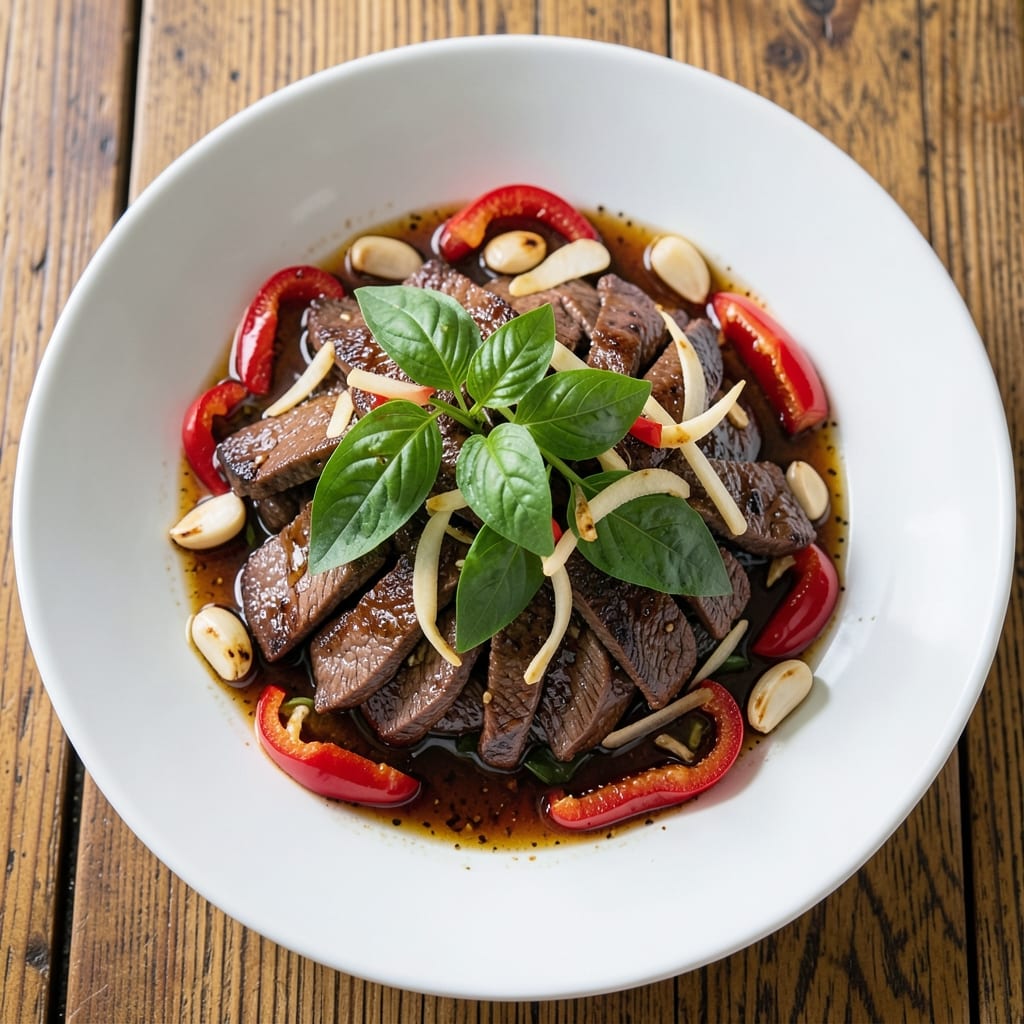
This basil beef stir fry recipe delivers restaurant-quality flavors in just 20 minutes—where tender beef meets fragrant basil and wok-heated aromatics for a dish that’s both bold and balanced. The secret lies in marinating the beef with a mix of soy, garlic, and brown sugar, then searing it quickly over high heat to lock in juices while developing that signature caramelized crust. Thai basil adds an anise-like depth that sets this apart from Italian basil versions, creating a sauce that’s tangy, slightly sweet, and packed with umami.
What makes this stir fry truly special is the two-stage cooking process: first, the beef gets a proper sear in the wok, then it returns to the pan with the basil and sauce to finish cooking. This ensures tender, flavorful beef every time, not dry or overcooked. The sauce reduces into a glossy, aromatic glaze that clings to the beef, while the basil releases its essential oils for that signature fresh, herbal finish. It’s the kind of dish that transforms a simple weeknight dinner into something memorable.
Serve this basil beef stir fry over steamed jasmine rice or noodles to soak up every last drop of that sticky, basil-infused sauce. For extra texture, toss in crisp bell peppers or snap peas at the end—just enough to keep the dish vibrant and colorful. The balance of sweet, savory, and herbal notes makes this stir fry versatile enough for any meal, whether you’re feeding a family or treating yourself to a quick, satisfying dinner.
Ready to master this technique? The key is high heat and fast cooking—no slow simmering here. Once you experience that first bite of perfectly seared beef with fragrant basil clinging to it, you’ll never go back to store-bought takeout again. Let’s get cooking!
Ingredients for basil beef stir fry
Here’s your quick shopping list for restaurant-style basil beef stir fry—just 14 ingredients.
| Ingredient | Amount | Notes |
|---|---|---|
| Flank Steak 🥩 | 1 ½ lb | Thinly sliced against grain |
| Thai Basil Leaves 🌿 | 1 cup | Packed, stems removed |
| Garlic Cloves 🧄 | 6 cloves | Minced, fresh preferred |
| Fresh Ginger 🌿 | 2 tbsp | Finely grated, peeled |
| Low-Sodium Soy Sauce 🥄 | ½ cup | Kikkoman preferred |
| Brown Sugar 🍯 | 2 tbsp | Packed, light or dark |
| Sesame Oil 🫒 | 1 tbsp | Toasted, for aroma |
| Vegetable Oil 🫒 | 2 tbsp | High smoke point |
| Red Bell Pepper 🍅 | 1 whole | Sliced into strips |
| Green Onion 🧅 | 2 whole | Sliced, white and green |
| Lime 🍋 | 1 whole | Juiced, zest optional |
| White Rice 🍚 | 2 cups | Uncooked, jasmine preferred |
| Salt 🧂 | 1 tsp | Kosher or sea salt |
| Black Pepper 🌶️ | ½ tsp | Freshly ground |
The beef is non-negotiable here. Flank steak delivers that signature tender yet chewy texture—sirloin or skirt steak works too, but slice it thin against the grain. Grab it from the butcher section at Whole Foods or Trader Joe's for the freshest cut. If you’re slicing it yourself, use a sharp knife and slice at a 45-degree angle for those classic stir-fry strips. Thai basil is a game-changer—Asian markets carry it fresh, but if you can’t find it, regular Italian basil works in a pinch (though it’ll lack that anise-like kick). For the garlic, peel and mince it fresh—jarred minced garlic has zero aroma left.
No Thai basil? Italian basil plus 1/2 tsp anise seeds gets you close. Running low on soy sauce? Coconut aminos is a great substitute, though it’s slightly sweeter. The brown sugar can be swapped for maple syrup or agave—just reduce the amount by 1 tbsp to avoid over-sweetness. For the bell pepper, yellow or orange works too—just keep the slices even for consistent cooking. The sesame oil is purely for flavor here, so if you’re avoiding it, skip it and add an extra 1/2 tsp of garlic powder for depth. And yes, you can use pre-sliced bell peppers from the store (the good kind, not the soggy ones).
This beef marinates best for 30 minutes to 2 hours—longer isn’t better. Store raw beef in the coldest part of your fridge, and use it within 2 days for peak tenderness. The basil stays fresh for 5 days if you wrap the stems in damp paper towels and store them in a bag. Cooked stir fry reheats beautifully—just 2 minutes in a hot wok with a splash of water to revive the sauce. Portion leftovers into airtight containers for up to 4 days in the fridge, or freeze for 3 months**—it’s even better the next day when flavors meld.
Why You'll Love This Recipe
- One-Pan Magic: The steak slices and basil hit the pan together—no separate steps, no mess. I swear, the only prep is slicing the steak thin (which takes less time than watching a YouTube ad) and mincing garlic while the wok heats.
- Umami Bomb: That first bite? The soy sauce and ginger caramelize into the beef while the Thai basil wilts into fragrant, peppery clouds. Honestly, the balance of salty, spicy, and fresh is what makes me reach for this instead of takeout.
- Lunchbox Hero: Pack the leftovers in containers—it reheats like a dream and tastes even better the next day. My kids actually eat their veggies (if I sneak in some bell peppers or snap peas), and it’s the only meal that survives my chaotic workweek.
- Budget Powerhouse: Flank steak stretches further than you’d think when sliced thin, and Thai basil lasts ages in the fridge. Between us, this feeds four for under $15, and the flavors are so rich you’d never guess it’s budget-friendly.
Step-by-step instructions for basil beef stir fry
Here's how to make this restaurant-style stir fry with juicy beef and fragrant aromatics.
Prep the Flank Steak and Marinade
Slice the 1.5 lb flank steak thinly against the grain into ¼-inch strips. This ensures tender bites that cook quickly in the wok. In a bowl, combine the 0.5 cup low-sodium soy sauce, 2 tbsp brown sugar, 1 tbsp sesame oil, 2 tbsp vegetable oil, 1 tsp salt, and 0.5 tsp black pepper. Add the steak strips and toss to coat completely. Let it marinate for at least 15 minutes—this gives the beef time to absorb all those flavorful marinade ingredients.
While the steak marinates, prep the aromatics. Finely grate the 2 tbsp fresh ginger and mince the 6 cloves garlic. Remove stems from the 1 cup Thai basil leaves and set aside. Slice the 1 whole red bell pepper into strips and separate the 2 whole green onions into white and green sections. The lime can wait until the end—its juice will brighten everything up at serving time.
Cook the Rice to Perfection
Rinse the 2 cups white rice under cold water until the water runs clear. This removes excess starch so the grains stay separate. Combine the rice with 3 cups water in a pot and bring to a boil. Once boiling, reduce heat to low, cover, and simmer for 15 minutes. Turn off the heat and let it steam for another 10 minutes without lifting the lid. Fluffy jasmine rice is the perfect base for this stir fry—don't skip the resting time or you'll end up with mushy grains.
While the rice cooks, heat a large wok or skillet over high heat until it's smoking hot. Add the 2 tbsp vegetable oil and swirl to coat the bottom evenly. This high heat is crucial—it creates that wok-hei (breath of the wok) flavor that makes this dish sing.
Stir-Fry the Aromatics and Beef
Add the 2 tbsp grated ginger and 6 cloves minced garlic to the hot wok. Stir-fry for 30 seconds until fragrant—you should smell that pungent garlic-ginger aroma wafting through your kitchen. Immediately add the marinated steak strips in a single layer. Let them sear undisturbed for 1 minute before stirring constantly for 2-3 minutes until they're 80% cooked but still slightly pink in the center. This quick cooking preserves the beef's juiciness.
Push the beef to one side of the wok and add the 1 whole red bell pepper strips and white sections of green onions. Stir-fry for 1 minute until the peppers soften slightly but still retain their vibrant color. Then add the 1 cup Thai basil leaves and toss everything together for 30 seconds—just enough to wilt the basil while keeping it bright green.
Finish with Sauce and Serve
Return all the beef and vegetables to the center of the wok. Drizzle in the remaining marinade (about ¼ cup) and toss everything together for 1 minute to coat everything evenly. The sauce should cling to the beef and vegetables, creating that glossy finish we all love. Squeeze in the juice from the 1 whole lime and toss once more to brighten all the flavors.
Divide the hot stir fry over the 2 cups cooked rice and garnish with the green sections of green onions. Serve immediately while everything is steaming hot—this stir fry tastes best right out of the wok. The combination of tender beef, fragrant basil, and sweet-savory sauce over fluffy rice makes every bite worth it.
Pro Tips For Making Basil Beef Stir Fry
- Slice Steak Against the Grain: Flank steak’s tough fibers run diagonally, so cutting against them after cooking makes each bite tender. I used to skip this and wondered why my stir-fry felt like chewing shoe leather—now I slice it thinly (¼-inch) right after searing.
- Mince Ginger Like You Mean It: Fresh ginger needs to be finely minced, not just grated, to release its punch in this dish. Use a sharp knife and chop it into a paste—no big chunks lingering in your sauce. (I learned this when my stir-fry tasted like a ginger hint instead of a full flavor.)
- Don’t Crowd the Pan: High heat is your friend here, but a packed pan turns your seared beef into steamed beef. Work in batches if needed—2-3 minutes per side max for a good crust. I’ve ruined a stir-fry by overloading the pan, and it’s not worth the soggy mess.
- Add Basil Late, Keep It Whole: Tossing Thai basil in too early wilts it into oblivion. Save the leaves for the last 30 seconds of cooking, then fold them in gently—just enough to wilt slightly, not turn to mush. (Yes, even if you’re impatient like me.)
Common mistakes when making this recipe
Overcooking the Beef
This is the #1 mistake I see—beef that’s dry and chewy instead of tender and juicy. The key is cooking the beef to 80% doneness in the first sear, then finishing it in the sauce. Use a meat thermometer to check: 140°F internal temperature is perfect. If you cook it all the way through in the wok, the beef will turn rubbery. Remember, it’ll carry over to 160°F when resting. 🔥
Skipping the Marinade Rest
Tossing the beef in marinade and immediately cooking it means the flavors won’t penetrate deeply. Let the beef marinate for at least 15 minutes—I usually do 30 minutes—so the soy, garlic, and sugar infuse completely. If you’re short on time, slice the beef thinner (⅛-inch strips) to speed up marinating by 50%. Never skip this step or you’ll end up with bland beef.
Low Heat Cooking
Stir-frying at medium heat is a recipe for disaster—your beef will steam instead of sear, making it mushy. Your wok or skillet needs to be smoking hot before adding oil. If you’re using a non-stick pan, crank the heat to high and let it preheat for 3-5 minutes until it’s visibly shimmering. The moment you add oil, it should sizzle loudly. If it doesn’t, your pan isn’t hot enough.
Adding Basil Too Early
Thai basil wilts and loses its vibrant flavor when cooked too long. Add it only in the last 30 seconds of cooking—just enough to warm through while keeping those bright green leaves intact. If you add it with the beef, you’ll end up with sad, limp basil that doesn’t deliver that fresh, herbal punch. Save it for the final toss when everything’s almost done. 🌿
Ignoring the Wok Hei
That signature "breath of the wok" flavor comes from high heat and quick cooking. If your kitchen isn’t hot enough to make the wok smoke, you’re missing the magic. Work in batches if needed—crowding the pan steams the food instead of searing it. A 14-inch carbon steel wok is ideal, but any heavy skillet works. The goal is to cook everything in 5-7 minutes total from start to finish.
Forgetting the Lime
This is the secret brightener that ties all the flavors together. Squeeze in that lime juice at the very end—it cuts through the richness of the beef and soy sauce, adding a refreshing zing. Skip it, and your stir fry will taste flat and one-dimensional. I always keep a lime ready on the cutting board while cooking so I don’t forget this crucial step. 🍋
Nutrition facts
Frequently asked questions
Can I substitute Italian basil for Thai basil?
Yes, but the flavor will differ slightly. Italian basil lacks the anise-like notes of Thai basil, which gives this dish its signature depth. For a closer match, add ½ teaspoon anise seeds to the marinade or toss them into the wok with the beef. The texture will be similar, but the aroma won't be identical.
What's the best cut of beef for stir fry?
Flank steak is ideal—it's lean, affordable, and develops a perfect sear. Sirloin or skirt steak also work well. Avoid fatty cuts like ribeye, as excess fat can make the dish greasy. Always slice against the grain for tender results. For extra tenderness, marinate for up to 2 hours before cooking.
Can I make this recipe without a wok?
A heavy skillet or cast-iron pan works perfectly. The key is using high heat and keeping the pan hot. Preheat your pan for 3-5 minutes until it's visibly shimmering before adding oil. Stir-fry in batches if needed to avoid crowding. The goal is to maintain that wok-hei flavor with whatever pan you have.
How do I keep the beef tender?
Never cook the beef all the way through in the wok—remove it when it reaches 140°F internal temperature (about 80% cooked) and finish cooking in the sauce. This two-stage method locks in juices. Also, slice the beef thin and against the grain before marinating. The marinade should include 1 tbsp cornstarch if you're concerned about tenderness.
What are good sides to serve with this?
Steamed jasmine rice is classic, but you could also serve it with egg noodles, cauliflower rice, or steamed bok choy. For extra freshness, add a simple cucumber salad with rice vinegar and sesame seeds. The key is balancing the richness of the beef with something light and crisp.