
Main Courses
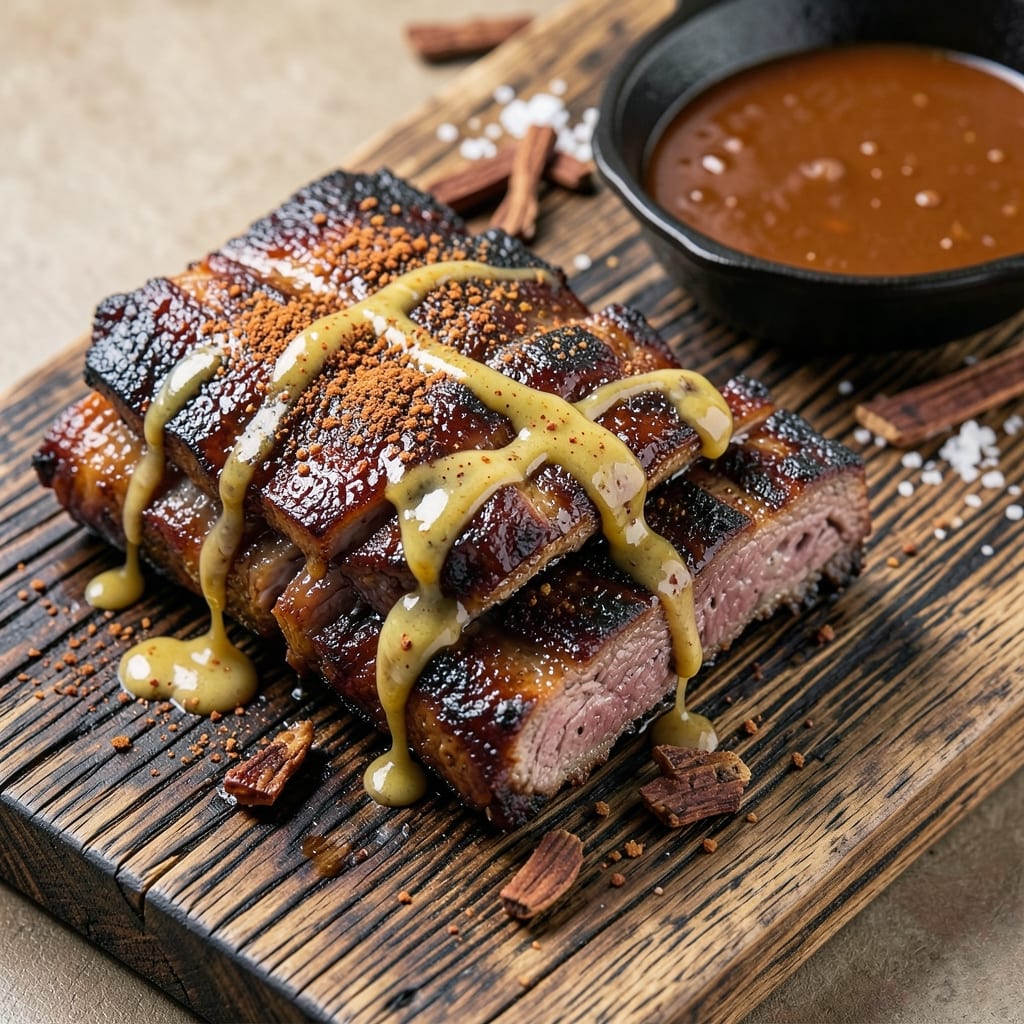
This BBQ beef back ribs recipe delivers restaurant-quality results with a perfect balance of smoky bark and melt-in-your-mouth tenderness. I've spent years perfecting the 3-2-1 method—low-and-slow cooking that transforms tough meat into something so tender it falls off the bone with just a gentle pull. The key lies in patience and precision, two things that make all the difference when dealing with ribs.
What sets this recipe apart is the attention to detail in every stage—from selecting the right cut to building a dry rub that creates that coveted bark. We're talking about a process that starts with a generous application of spices, followed by hours of indirect heat that breaks down connective tissue while keeping the meat moist. The result? Ribs that are both visually stunning and incredibly flavorful, with a crust that's crisp enough to stand up to a cold beer.
By the time you're done, you'll have ribs that are perfectly tender, with a glossy glaze that's sticky-sweet and just the right amount of smoky. The bark will be dark and crackly, while the meat underneath will be so tender it practically melts in your mouth. This isn't just another BBQ recipe—it's a method that will elevate your smoking game and have everyone asking for seconds.
The best part? These ribs pair beautifully with classic sides like tangy coleslaw and buttery cornbread, creating a complete meal that's worth the time investment. Once you try this method, you'll never settle for anything less than fall-off-the-bone perfection again.
Ingredients for bbq beef back rib
Smoky, tender ribs start with these 15 essential ingredients—nothing fancy, just good stuff.
| Ingredient | Amount | Notes |
|---|---|---|
| Beef Back Ribs 🥩 | 4 lb | Bone-in, meaty cuts preferred |
| Yellow Mustard 🍯 | ½ cup | For initial coating |
| Brown Sugar 🍚 | 1 cup | Light or dark variety |
| Smoked Paprika 🌶️ | 2 tbsp | For deep smoky flavor |
| Chili Powder 🌶️ | 1 tbsp | Medium heat preferred |
| Ground Black Pepper 🌶️ | 1 tbsp | Freshly ground for best flavor |
| Garlic Powder 🧄 | 1 tbsp | Not garlic salt |
| Onion Powder 🧅 | 1 tbsp | For balanced flavor |
| Salt 🧂 | 1 tbsp | Kosher or sea salt |
| Apple Cider Vinegar 🍏 | ¼ cup | For tangy glaze |
| Honey 🍯 | ½ cup | Wildflower preferred |
| Yellow Onion 🧅 | 1 whole | Thinly sliced for glaze |
| Fresh Garlic Cloves 🧄 | 4 cloves | Minced for glaze |
| Wood Chips 🌳 | 2 cups | Hickory or cherry preferred |
| Beef Broth 🍲 | ½ cup | For spritzing ribs |
The ribs are everything. Look for meaty cuts with good marbling—the more fat, the better. Costco or local butchers usually have the best quality, but the regular grocery store ribs work fine if you can't get fresh. Trim any excess fat from the membrane side, but leave the fat cap intact—it's what keeps the meat juicy. For the dry rub, Penzeys or bulk bins are great for spices, but honestly, the grocery store stuff works if it's fresh. The wood chips? Hickory gives classic BBQ flavor, but cherry adds a fruity note that pairs beautifully with ribs.
No smoked paprika? Regular paprika plus a pinch of liquid smoke gets you close. Running out of honey? Maple syrup works in a pinch, though it's slightly sweeter. The apple cider vinegar can be swapped for red wine vinegar if that's what you've got. For the glaze, you can skip the onions if you're in a hurry—just blend the honey, vinegar, and garlic. The beef broth for spritzing? Low-sodium works best, but regular broth is fine if you taste and adjust the salt. And if you're short on time, pre-made BBQ sauce (like Stubb's) can replace the glaze components.
This is a slow cook—plan ahead. The ribs keep well in the fridge for 3-4 days if wrapped tightly in foil. For leftovers, reheat in a 350°F oven for 10-15 minutes with a splash of broth to keep them moist. The dry rub and wood chips can be prepped the night before, saving you time on cook day. And trust me, double the batch—these disappear faster than you'd think. Store any extra glaze in the fridge for up to 2 weeks or freeze it for 6 months in ice cube trays.
Why You'll Love This Recipe
- One-Pan Magic: I swear by this recipe because it’s all about minimal cleanup—just ribs, a sheet pan, and a drizzle of that sticky-sweet mustard mix. No fancy tools, no stress.
- Smoky-Sweet Fixation: That combo of smoked paprika and brown sugar? It caramelizes into a glossy crust that’s crispy on the outside but still tender inside. Honestly, I’ve made it three times this week already.
- Tailgate or Tuesday: Between us, these ribs work just as well at a backyard BBQ as they do reheated for lunch. Slap them on buns for sandwiches or serve with pickles—no rules, just good food.
- Budget-Friendly Feast: Back ribs are cheaper than brisket, and this recipe stretches them across three meals easily. My wallet thanks me, and so does my family when I pull out leftovers for tacos.
Step-by-step instructions for BBQ beef back ribs
Here's how to transform tough ribs into melt-in-your-mouth perfection with that coveted smoky bark.
Prepare the Ribs for Maximum Flavor
Start by removing the ribs from the packaging and patting them dry completely with paper towels. I can't stress this enough—moisture is the enemy of good bark. Focus especially on the meaty sides and between the bones where water tends to hide.
Next, apply a thin, even layer of the 0.5 cup yellow mustard all over the ribs. This isn't just for flavor—it helps the dry rub stick better. In a small bowl, mix together the 1 cup brown sugar, 2 tbsp smoked paprika, 1 tbsp each of chili powder, ground black pepper, garlic powder, onion powder, and 1 tbsp salt. Rub this mixture generously over the mustard-coated ribs, pressing it into all the crevices. Let them sit at room temperature for 30 minutes while you prepare your smoker.
Set Up Your Smoker for Low and Slow Cooking
Fill your smoker with the 2 cups wood chips (hickory or cherry work beautifully) and soak them if your smoker requires it. Preheat to 225°F—this low temperature is crucial for tenderizing the connective tissue. You'll know it's ready when you see thin, blue smoke (not thick white steam) coming from the smoker.
Place the ribs bone-side down on the smoker grates. This position helps render fat and prevents the ribs from sticking. Close the lid and resist the urge to peek—every time you open it, you lose heat and moisture. Set a timer for 3 hours of undisturbed smoking time.
Spritz and Monitor for Perfect Bark
After 3 hours, it's time to spritz the ribs with your glaze. In a small bowl, whisk together the 0.5 cup honey and 0.25 cup apple cider vinegar. This tangy-sweet mixture will create that glossy finish and tenderize the meat further. Spritz the ribs generously with about ¼ cup of this mixture, making sure to coat all sides.
Return the ribs to the smoker and continue cooking until they reach an internal temperature of 195-203°F (use a meat thermometer to check the thickest part of the meat, avoiding the bones). This typically takes another 3-4 hours, but don't rush it—the ribs need time to become fork-tender. You'll know they're ready when the meat pulls away from the bones easily and the bark is deep, dark, and slightly crispy.
Rest and Serve for Maximum Juiciness
Once the ribs reach the perfect temperature, remove them from the smoker and transfer them to a cutting board. Let them rest for 10-15 minutes before serving. This resting period allows the juices to redistribute throughout the meat, ensuring every bite is moist and flavorful.
To serve, slice the ribs between the bones into individual ribs. Arrange them on a platter and drizzle any remaining glaze from the smoker pan over the top. Serve with extra glaze on the side for dipping, and don't forget to save some of those juicy rib bones for soup or stew later!
Pro Tips For Making Bbq Beef Back Rib
- Trim the Fat First: I learned this the hard way—skipping the fat trim makes ribs greasy and unevenly cooked. Use a sharp knife to cut away the thick membrane and any excess fat from the bones before seasoning; it’s the only way to guarantee crispy edges and tender meat.
- Sear in Batches: High heat. Seriously, crank it up. If you pile ribs on the grill or skillet, they’ll steam instead of brown. Work in batches—2 ribs at a time—so they hit the pan with a sizzle, not a hiss. This builds flavor faster than any marinade.
- Skip the Wet Rub: After burning three batches, I finally figured out that mixing yellow mustard with brown sugar, smoked paprika, and chili powder dry makes all the difference. The mustard sticks better, and the sugar caramelizes into a glossy crust instead of dissolving into a sticky mess.
- Rest Before Slicing: Give it a solid 5-10 minutes under foil—yes, even if you’re impatient like me. Ribs release juices when cut, and skipping this step turns your perfectly cooked meat into a sad, dry pile. A meat thermometer (203°F internal) is your friend here.
Perfect pairings for these flavors
Classic BBQ Sides
Nothing beats the tangy crunch of creamy coleslaw with these ribs. I make mine with ½ cup apple cider vinegar, ½ cup mayonnaise, 2 tbsp Dijon mustard, and a mix of shredded cabbage and carrots—the acidity cuts through the richness perfectly. For a Southern twist, add ¼ cup chopped red onion and a pinch of cayenne pepper for heat. 🥬
Bread Pairings
Warm, buttery cornbread is a must—its slight sweetness balances the smoky ribs beautifully. I love using Jiffy cornbread mix with a splash of milk and a pinch of baking powder for extra fluffiness. For a savory option, try honey wheat bread toasted with garlic butter—the caramelized crust adds another layer of texture. 🍞
Drink Recommendations
A cold light lager like Miller Lite or Coors Light is my go-to—its crisp, clean finish cleanses the palate between bites. For something stronger, a bourbon cocktail (like a Whiskey Sour with lemon juice and simple syrup) adds a smoky-sweet contrast. And don’t forget sweet tea—its Southern charm pairs perfectly with the ribs’ bold flavors. 🍺
Extra Glaze Ideas
If you have leftover glaze, turn it into a dipping sauce by thinning it with beef broth and a splash of hot sauce. For a spicy kick, mix ½ cup of the glaze with 1 tbsp of sriracha and a drizzle of honey. You can also brush it on grilled corn on the cob or baked potatoes for a fun side twist. 🌶️
Pickled Veggies
Quick-pickled red onions or radishes add a bright, acidic pop. Thinly slice 1 red onion and toss with ½ cup apple cider vinegar, 1 tbsp sugar, and a pinch of salt. Let it sit for 15 minutes before serving—it’s a game-changer for cutting through the richness. 🧅
Dessert Pairings
Finish the meal with peach cobbler—its warm, spiced notes complement the smoky ribs perfectly. For a lighter option, try vanilla bean ice cream with a drizzle of honey and a sprinkle of crushed pecans. The cool contrast resets your palate beautifully. 🍑
Nutrition facts
Frequently asked questions
Why do you recommend the 3-2-1 method for beef back ribs?
The 3-2-1 method is a proven technique that balances time and temperature for perfect results. The 3 hours of initial smoking builds deep flavor, the 2 hours with spritzing adds moisture and tenderness, and the final 1 hour with sauce creates that irresistible bark. This method ensures the connective tissue breaks down completely while keeping the meat juicy.
Can I use an oven instead of a smoker for this recipe?
Yes! Preheat your oven to 225°F and place a water pan on the lower rack to create moisture. Cook the ribs for 5-6 hours total, spritzing with apple cider vinegar every 1-2 hours. For smoke flavor, add wood chips soaked in water to a foil packet and place it on the oven rack. The bark won't be as crispy, but the tenderness will be excellent.
What's the best way to store leftover ribs?
Wrap the ribs tightly in aluminum foil or place them in an airtight container to preserve moisture. They'll keep in the fridge for 3-4 days or freeze for up to 3 months. To reheat, warm in a 300°F oven for 15-20 minutes with a splash of beef broth to maintain juiciness. Never microwave—it makes the meat rubbery.
How do I know when the ribs are fully cooked?
Use a meat thermometer to check the internal temperature at the thickest part of the meat (avoiding bones). The ribs are done when they reach 195-203°F. Another test: gently pull on a bone—if the meat separates easily, it's ready. The bark should be dark and slightly crispy, with no pink remaining.
Can I substitute beef broth with something else in the glaze?
For the glaze, you can replace the beef broth with apple juice or white grape juice when spritzing. For the final sauce, use water or beef stock instead of broth—just reduce the cooking time slightly to achieve the same thickness. The flavor will be slightly different but still delicious.