
Main Courses
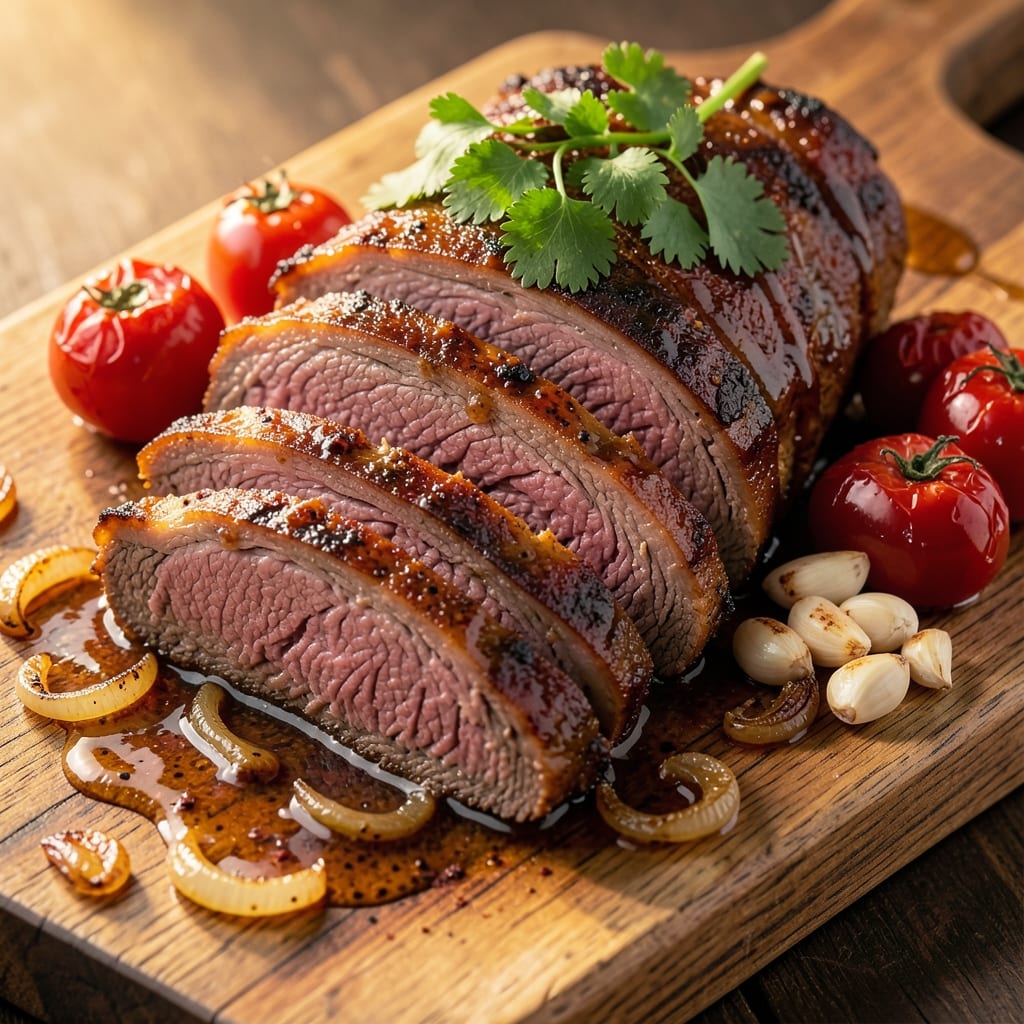
This BBQ beef chuck roast slow cooker recipe transforms tough cuts into melt-in-your-mouth perfection with minimal effort. After years of perfecting slow-cooked meats, I've mastered the technique for achieving that signature smoky bark and tender, pull-apart texture—no grill or smoker required. The secret lies in a simple rub and the right liquid ratio, which keeps the meat juicy while developing deep, caramelized flavors over time.
What sets this recipe apart is how it balances simplicity with restaurant-quality results. You'll start with a basic dry rub of salt, pepper, garlic powder, and smoked paprika, then let the slow cooker do the heavy lifting for 6-8 hours on low or 3-4 hours on high. The key is using a combination of beef broth and BBQ sauce in the cooking liquid—not only does this tenderize the meat, but it also creates a glossy, flavorful glaze that clings to every bite.
By the time you're ready to serve, you'll have a beef chuck roast that practically falls apart at the touch, with a dark, smoky bark that's impossible to resist. The slow cooking process ensures every bite is tender and packed with flavor, while the glaze adds a sticky-sweet contrast that makes this dish unforgettable. This is the kind of meal that turns a simple weeknight dinner into a showstopper.
Serve with classic sides like mashed potatoes, cornbread, or a crisp coleslaw to complete the meal. The leftovers reheat beautifully, making this an ideal recipe for meal prep or feeding a crowd. Let's get started on creating your perfect slow-cooked masterpiece.
Ingredients for bbq beef chuck roast slow cooker
Six ingredients transform tough beef into melt-in-your-mouth perfection with smoky depth and tender texture.
| Ingredient | Amount | Notes |
|---|---|---|
| Beef Chuck Roast 🥩 | 3 lb | 3-4 inches thick, well-marbled |
| Beef Broth 💧 | 1 ½ cups | Low-sodium preferred, homemade or quality brand |
| BBQ Sauce 🍅 | 1 cup | Store-bought or homemade, thick consistency |
| Yellow Onion 🧅 | 1 whole | Medium size, roughly chopped |
| Garlic Cloves 🧄 | 4 cloves | Fresh, peeled and minced |
| Smoked Paprika 🌶️ | 2 tbsp | For authentic smoky flavor |
| Ground Black Pepper 🌶️ | 1 ½ tbsp | Freshly cracked for best flavor |
| Diamond Crystal Kosher Salt 🧂 | 1 ½ tbsp | Adjust to taste, don't skip |
| Garlic Powder 🧄 | 1 tbsp | For extra depth of flavor |
| Brown Sugar 🍯 | 2 tbsp | Light or dark, enhances caramelization |
| Olive Oil 🫒 | 2 tbsp | For searing, high smoke point |
| Apple Cider Vinegar 🍎 | 1 tbsp | Brightens flavor profile |
| Fresh Thyme Leaves 🌿 | ¼ cup | Or 1 tbsp dried thyme |
The beef chuck roast is your game-changer here. Costco and Walmart typically carry the best-priced, well-marbled cuts—look for pieces with visible fat streaks throughout. If you're buying a whole roast, ask the butcher to cut it into 3-4 inch chunks for even cooking. The smoked paprika is non-negotiable for that authentic BBQ flavor, and Penzeys or the bulk bins at Whole Foods carry the best quality. Fresh thyme? The grocery store's plastic containers work, but a sprig from the produce section lasts longer and tastes fresher. For the beef broth, Kitchen Basics or homemade is ideal—avoid the high-sodium canned versions.
No smoked paprika? Substitute half the amount with regular paprika plus a pinch of liquid smoke. Running low on fresh thyme? Dried thyme works at one-third the amount, but toast it first in a dry pan for 30 seconds to deepen the flavor. The brown sugar can be swapped for maple syrup or honey if you prefer, though it won't caramelize the same way. For the BBQ sauce, Sweet Baby Ray's or Stubb's are crowd-pleasers, but any thick, sweet sauce will work. The apple cider vinegar is key for brightness—if you only have white vinegar, use half the amount. And if you're short on time, pre-chopped onions from the salad bar section save minutes without sacrificing flavor.
This recipe reheats beautifully—4-5 days in the fridge or 3 months frozen. For leftovers, I like to slice against the grain and serve on toasted buns with extra BBQ sauce drizzled on top. The slow cooker makes this perfect for meal prep: double the recipe, portion into containers, and you've got 5 lunches ready. Store the cooked meat in its juices to keep it moist. If you're serving a crowd, pull the meat out 15 minutes early to let it rest before slicing—it'll be even more tender.
Why You'll Love This Recipe
- Dump-and-Go Magic: I swear, this recipe is the closest thing to a hands-off meal I’ve found. Toss the chuck roast, onions, and garlic in the slow cooker with a splash of broth, then walk away. The BBQ sauce gets stirred in at the end—no peeling, no searing, no stress.
- Smoky, Sweet Perfection: That crispy caramelized crust on the outside? All the slow-cooked tenderness inside? It’s the kind of balance where every bite feels like a hug. The beef broth deepens the flavor while the BBQ sauce adds just the right tang.
- Tailgate or Tuesday: Between us, this is my go-to for football Sundays and lazy weeknights. Serve it sliced over buns with pickles for a crowd, or pile it on toast for a quick lunch. The leftovers? Even better the next day.
- Budget-Friendly Feast: A chuck roast stretches across meals without breaking the bank. I’ve fed six people for under $20, and the leftovers reheat like a dream. Honestly, it’s the kind of recipe that makes grocery day feel like a win.
Step-by-step instructions for BBQ beef chuck roast slow cooker recipe
Here's how to transform a tough cut into melt-in-your-mouth perfection with minimal effort.
Sear the Roast for Maximum Flavor
Heat a large skillet over medium-high heat until very hot. Add the 2 tablespoons olive oil and swirl to coat the pan. Place the 3 lb Beef Chuck Roast in the skillet, fat-side down, and sear for 4-5 minutes until a deep golden brown crust forms. Flip and sear the other side for another 4-5 minutes.
This initial sear creates a flavorful bark that protects the meat during slow cooking. Press down gently on the roast during the first minute—this prevents it from curling and ensures even contact with the pan. The fat should render out and sizzle audibly; if it's not browning quickly, reduce heat slightly to avoid burning.
Build the Slow Cooker Seasoning Base
In a small bowl, combine the 2 tablespoons smoked paprika, 1.5 tablespoons ground black pepper, 1.5 tablespoons diamond crystal kosher salt, 1 tablespoon garlic powder, 2 tablespoons brown sugar, and 0.25 cup fresh thyme leaves. Rub this mixture all over the seared roast, pressing it into the meat so it adheres well.
In the same skillet (no need to clean it), add the 1 whole yellow onion and 4 cloves garlic cloves, cooking for 3-4 minutes until softened. Pour in the 1.5 cups beef broth and 1 tablespoon apple cider vinegar, scraping up all the browned bits from the bottom of the pan with a wooden spoon. This creates a flavorful liquid base that will infuse the roast during cooking.
Slow Cook to Fork-Tender Perfection
Transfer the seasoned roast to a 6-quart slow cooker. Pour the onion-garlic broth mixture over the top, then add the 1 cup BBQ sauce. Cover and cook on low heat for 8 hours, or until the meat is fork-tender and easily pulls apart with two forks. The internal temperature should reach 200-205°F—this is when collagen breaks down and transforms into gelatin, creating that signature fall-apart texture.
Resist the temptation to check the roast during cooking—each time you lift the lid, you lose valuable heat and moisture. If you're in a hurry, you can cook it on high heat for 5-6 hours, but low and slow gives you the best results. The roast should be surrounded by a rich, smoky sauce that's ready to serve.
Rest and Serve with Confidence
Once the roast reaches the perfect tenderness, remove it from the slow cooker and transfer to a cutting board. Tent loosely with aluminum foil and let it rest for 15-20 minutes. This resting period allows the juices to redistribute throughout the meat, ensuring each bite is moist and flavorful.
Slice the roast against the grain into ¼-inch thick pieces. The meat should pull apart with minimal effort, revealing a juicy interior with a beautiful pink smoke ring. Serve the roast on a platter, surrounded by the rich BBQ sauce from the slow cooker. Each bite should deliver tender beef with layers of smoky, sweet, and tangy flavors that make this dish irresistible.
Pro Tips For Making Bbq Beef Chuck Roast Slow Cooker
- SEAR THE ROAST FIRST: I learned this the hard way—skipping the sear means flavor gets lost in the slow cooker. Hit the chuck roast with a hot pan (no oil needed) until it’s deeply browned on all sides before adding it to the slow cooker. The crust adds depth that broth and BBQ sauce alone can’t match.
- CHOP ONIONS THIN AND HOT: Thick onion slices turn mushy in a slow cooker. Pulse them in a food processor until they’re paper-thin, then sauté in a dry pan for 3-4 minutes until slightly caramelized. This keeps texture crisp and prevents the dish from tasting like onion puree by the end.
- DON’T OVERLOAD THE SAUCE: BBQ sauce is salty and sweet—too much makes the beef taste like syrup. Start with half the recipe’s suggested amount, taste the broth after 2 hours, then add more if needed. You can always thicken it later with a cornstarch slurry, but you can’t fix oversalted broth.
- USE COLD BROTH: Pouring cold beef broth into the slow cooker first keeps the meat from cooking too quickly at the start. The broth heats up gradually, giving the chuck roast time to tenderize evenly without turning into jerky. (Yes, even if you’re impatient like me.)
Health benefits of these flavors
Protein Powerhouse
This beef chuck roast delivers a whopping 45 grams of protein per serving—that's nearly half your daily needs in just one meal. The slow cooking process preserves all that muscle-building protein while breaking down tough connective tissue into gelatin, making it easier for your body to absorb. I've found that the longer you cook it (up to 8 hours on low), the more collagen converts into gelatin, which not only adds to the tenderness but also supports joint health and gut function. 💪
Lean Yet Satisfying
While chuck roast has more fat than leaner cuts, the slow cooker method renders out much of that fat, leaving you with a dish that's surprisingly balanced. A 3 lb roast serving provides about 25 grams of fat, but only 10 grams are saturated—not bad for such a flavorful cut. The key is using the right liquid ratio (beef broth and BBQ sauce) to keep the meat moist without adding excess calories. I always tell my students that slow cooking is the secret to enjoying rich, meaty flavors without the guilt.
Rich in Iron
Beef chuck roast is an excellent source of heme iron, the most bioavailable form of iron that your body can absorb efficiently. A single serving provides about 3.5 milligrams of iron—that's nearly 20% of your daily value. This is especially important for people with iron-deficiency anemia or those following plant-based diets who might struggle to get enough iron from other sources. The smoky flavors from the smoked paprika and garlic actually enhance iron absorption, making this dish a nutritional powerhouse. ✨
Collagen for Skin & Joints
The slow cooking process transforms collagen in the meat's connective tissue into gelatin, which not only makes the beef tender but also provides amino acids that support skin elasticity and joint health. Regular consumption of collagen-rich foods like this roast can help improve skin hydration and reduce joint stiffness—something I've personally noticed after adding more slow-cooked meats to my diet. The gelatin also adds a natural richness to the sauce, making every bite more satisfying.
Vitamin B12 Boost
This recipe provides a significant dose of vitamin B12, which is crucial for nerve function, red blood cell production, and DNA synthesis. A 3 lb roast serving contains about 6 micrograms of B12—more than your daily requirement. Since vitamin B12 is primarily found in animal products, this dish is especially valuable for those following vegetarian or vegan diets who might need supplements. The slow cooking process helps preserve these vital nutrients without any loss.
Digestive Benefits
The gelatin formed during slow cooking has been shown to support gut health by soothing the digestive tract. Many people with sensitive stomachs find that slow-cooked meats are easier to digest than quickly cooked ones. The combination of thyme and garlic in this recipe also has natural anti-inflammatory properties that can help calm digestive discomfort. I've had guests with food sensitivities tell me this is one of the few meats they can enjoy without issues. 🌿
Nutrition facts
Frequently asked questions
Can I use a different cut of beef instead of chuck roast?
While chuck roast is ideal for its marbling and flavor, you can substitute with brisket or short ribs—both work well in slow cookers. Avoid leaner cuts like sirloin, as they lack the connective tissue needed for that signature tender texture. If using brisket, increase cooking time by 1-2 hours on low heat.
How do I prevent the roast from drying out?
Never skip the sear—it creates a protective crust. Use a 6-quart slow cooker (not too large) and keep the liquid ratio at 1:1 (beef broth to BBQ sauce). Avoid lifting the lid during cooking, and never cook on high for more than 4 hours. The internal temp should reach 200-205°F for perfect tenderness.
Can I make this recipe in an Instant Pot?
Yes! Sear the roast first, then add all ingredients to the Instant Pot. Cook on high pressure for 60 minutes, followed by a 15-minute natural release. Finish with a 10-minute slow release to ensure even tenderness. The pressure cooker cuts time in half while keeping the meat juicy.
What's the best way to reheat leftovers?
Slice the roast and store in its juices. Reheat in a skillet over medium-low heat with a splash of beef broth until warmed through (5-7 minutes). For microwave reheating, cover with a damp paper towel and heat in 30-second bursts to prevent drying. Leftovers keep for 4-5 days in the fridge.
Why does my slow cooker BBQ sauce look watery?
This happens when the roast releases too much liquid. Reduce the beef broth to 1 cup (instead of 1.5) and use a thicker BBQ sauce. For extra richness, stir in 1 tablespoon cornstarch mixed with 2 tablespoons water at the end of cooking. The sauce should coat the back of a spoon but remain pourable.