
Sauces & Condiments
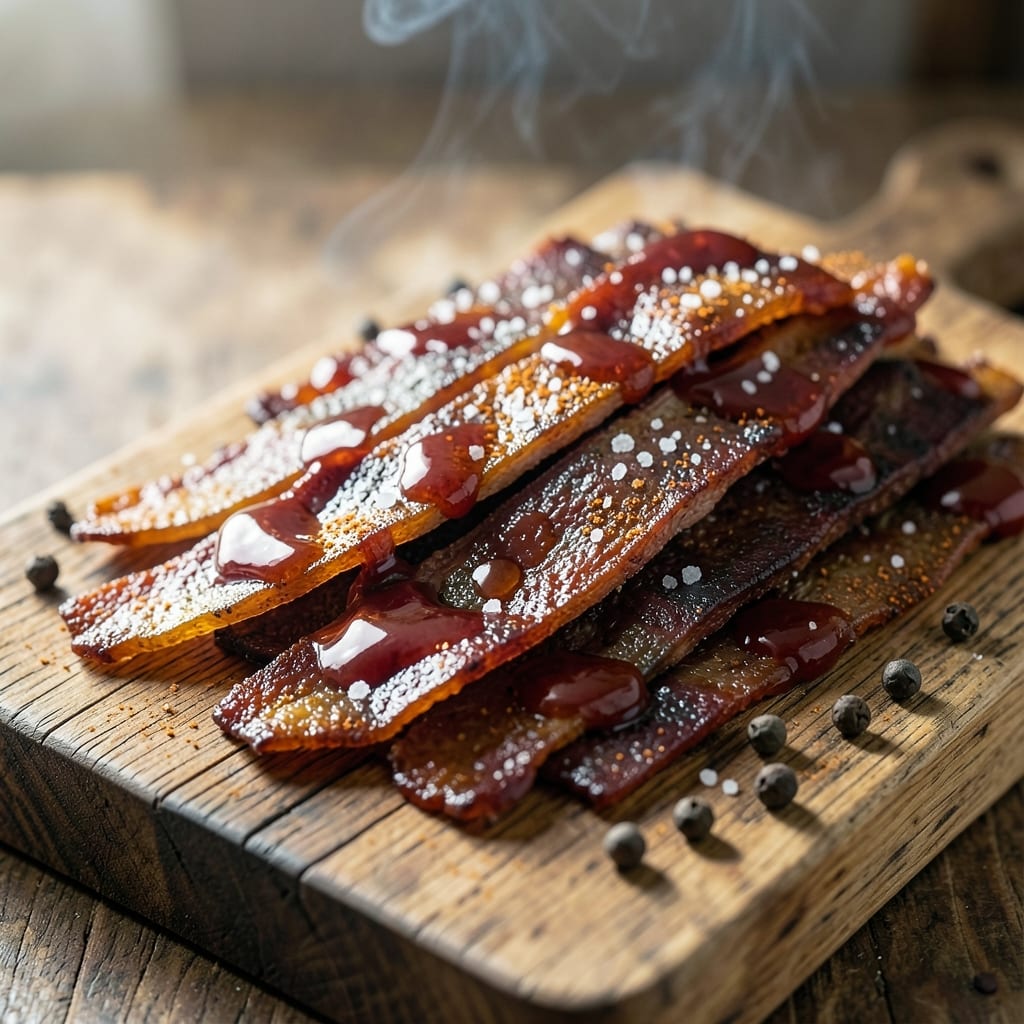
This homemade BBQ sauce beef jerky recipe transforms tough cuts into chewy, smoky-sweet strips with restaurant-quality depth. I perfected this method after years of experimenting with curing times and sauce ratios—every bite delivers that perfect balance of tangy, smoky, and slightly sweet flavors you crave. The key lies in the marinade’s precise salt-to-sugar ratio and the slow drying process that concentrates the BBQ sauce flavor into each strip.
The process starts with a 6-hour cure using a blend of brown sugar, smoked paprika, and liquid smoke, ensuring the meat stays tender while developing a deep, aromatic crust. After marinating, the beef dries in a low-temperature oven (or dehydrator) until it reaches the ideal chewy texture—no rubbery jerky here. The BBQ sauce is applied either before drying for a sticky glaze or after for a glossy finish, depending on your texture preference.
What you’ll end up with is jerky that’s chewy yet tender, with a perfect crunch on the outside and a smoky-sweet BBQ punch that lingers. The slow drying process preserves the natural beef flavor while amplifying the BBQ sauce’s depth, creating a snack that’s addictive and restaurant-worthy. This method also ensures food safety by reducing moisture content to safe levels for long storage.
Serve these spice-infused strips on charcuterie boards, pack them for hiking trips, or enjoy them as a protein-packed snack. The versatility of this recipe makes it a staple for any pantry—just remember to store it properly in an airtight container to maintain freshness. Let’s get started on making jerky that’ll have everyone asking for seconds.
Ingredients for bbq sauce beef jerky
Six spices, two pounds of beef, and one cup of BBQ sauce transform into restaurant-quality jerky.
| Ingredient | Amount | Notes |
|---|---|---|
| Beef Top Round Roast 🥩 | 2 lb | Tough cut, sliced thin against grain |
| Brown Sugar 🍯 | ½ cup | Light or dark, packed |
| Smoked Paprika 🌶️ | 2 tbsp | High-quality, vibrant color |
| Kosher Salt 🧂 | 1 ½ tbsp | Diamond Crystal preferred |
| Black Peppercorns 🌶️ | 1 tbsp | Freshly cracked preferred |
| Liquid Smoke 💨 | 1 tsp | Pure, no additives |
| Garlic Powder 🧄 | 1 tbsp | Freshly ground preferred |
| Onion Powder 🧅 | 1 tbsp | Not onion salt |
| Store-Bought BBQ Sauce 🍅 | 1 cup | Sweet or smoky, no chunks |
| Cayenne Pepper 🔥 | ½ tsp | Adjust for heat preference |
| Worcestershire Sauce 🫒 | 1 tbsp | Vegan if needed |
| Apple Cider Vinegar 🍎 | 1 tbsp | For tangy balance |
The beef cut matters most here. Top round roast is ideal—lean but flavorful, with just enough fat to stay tender during drying. Most grocery stores carry it pre-sliced, but if you're buying a whole roast, slice it thin against the grain (about 1/4-inch thick) for that perfect chewy texture. I always grab mine from Costco or Whole Foods—their butcher sections have the freshest cuts. Look for bright red meat with good marbling; grayish or yellowish hues mean it's past its prime. For the spices, Penzeys or bulk bins at natural food stores offer the highest quality, but don't stress if you can't get there—the regular grocery store spices will work fine for a weeknight project.
No smoked paprika? Regular paprika plus a pinch of liquid smoke gets you close. The BBQ sauce can be any store-bought brand—Sweet Baby Ray's or Stubb's are reliable crowd-pleasers. Want to customize? Mix your own by combining ketchup, molasses, vinegar, and spices. The Worcestershire sauce adds depth, but if you're avoiding it, soy sauce or balsamic vinegar work as substitutes. For the cure, the salt-to-sugar ratio is critical—too much salt makes it tough, too little won't preserve it. The cayenne is optional but recommended; start with half a teaspoon and adjust to taste. If you're using a dehydrator, line it with parchment paper for easy cleanup—no sticking.
This jerky keeps for 1 month in the fridge or 6 months in the freezer if properly stored. For long-term storage, vacuum-seal individual portions to maintain freshness. The drying process concentrates flavors, so it actually tastes better after a few days. I like to portion mine into resealable bags with a silica packet to absorb any moisture. For a quick snack, just tear and eat—no reheating needed. The texture improves over time, so make a big batch and enjoy it all month.
Why You'll Love This Recipe
- No Fuss Setup: I swear, this jerky only needs five things—no fancy equipment, no weird ratios. Just slice the beef thin, toss it with the brown sugar and smoked paprika, and let the dehydrator or oven do the rest. Honestly, I’ve made it while scrolling through my phone.
- Sweet-Smoky Magic: That caramelized brown sugar and smoky paprika? It’s like a BBQ festival in your mouth—tangy, sweet, and just a hint of heat. The peppercorns add this little crackle that makes every bite feel like a reward.
- Snack Attack Ready: Keep a stash in your desk drawer, gym bag, or even your kid’s lunchbox. It’s the ultimate protein-packed snack that won’t turn to mush. (Yes, even on a Tuesday night when you’re craving something but don’t want to cook.)
- Budget-Proof Protein: Top round roast is cheap, and a single batch stretches forever. I’ve fed my family for days with leftovers—no waste, no stress. Plus, it’s way cheaper than buying pre-packaged jerky that tastes like sawdust.
Step-by-step instructions for BBQ sauce beef jerky
Transform tough beef into tender, smoky jerky using this precise method.
Prepare the Beef for Slicing
Start by trimming any excess fat or silver skin from the 2 lb Beef Top Round Roast using a sharp boning knife. The top round is lean and perfect for jerky, but you want to remove anything that might affect texture. Place the roast in the freezer for 30 minutes to firm it up—this makes slicing against the grain much easier.
Locate the grain direction by looking for the natural muscle fibers running through the meat. Using a slicing knife, cut the beef into ¼-inch thick slices, always cutting against the grain. This ensures the jerky remains tender. Arrange the slices on a tray lined with parchment paper and return them to the freezer for 15 minutes to maintain shape during slicing.
Create the Jerky Rub
In a medium bowl, combine 0.5 cup Brown Sugar, 2 tbsp Smoked Paprika, 1.5 tbsp Kosher Salt, 1 tbsp Black Peppercorns (freshly cracked), 1 tsp Liquid Smoke, 1 tbsp Garlic Powder, 1 tbsp Onion Powder, 0.5 tsp Cayenne Pepper, 1 tbsp Worcestershire Sauce, and 1 tbsp Apple Cider Vinegar. Mix thoroughly with your hands or a fork until the sugar and spices form a coarse, even coating.
This blend is the foundation of your jerky's flavor. The brown sugar adds caramelization, while the smoked paprika and liquid smoke deliver that classic BBQ depth. The vinegar and Worcestershire introduce tang and umami, balancing the sweetness. Don't skip the cayenne—it adds subtle heat that enhances the overall profile.
Coat and Cure the Beef
Remove the beef slices from the freezer and pat them dry with paper towels. Working in batches, place the slices in a shallow dish and pour 1 cup Store-Bought BBQ Sauce over them, coating each piece evenly. Sprinkle the jerky rub generously over the sauce-coated beef, pressing it into the meat so it adheres completely. Let the slices sit for 10 minutes to absorb the flavors.
After the resting period, flip each slice and repeat the process, ensuring both sides are fully coated. This double-coating guarantees maximum flavor penetration. Transfer the coated beef to a wire rack set over a baking sheet lined with parchment paper. This setup allows air to circulate freely, preventing soggy jerky.
Dehydrate for Perfect Texture
Preheat your dehydrator to 160°F. Arrange the beef slices on the dehydrator trays, ensuring they don't overlap. Dehydrate for 4-5 hours, checking periodically. The jerky is done when it's leather-like and no longer pliable—it should snap when bent but not be brittle. If using an oven, prop the door open slightly and bake at 175°F for 3-4 hours, rotating trays halfway through.
This low-and-slow process is critical. Too-high heat will dry the outside too quickly, leaving the inside raw. Too-low heat won't kill bacteria properly. The 160°F setting strikes the perfect balance, ensuring safe, tender jerky every time. Let the jerky cool completely before packaging to prevent condensation.
Package and Store
Once fully dehydrated, let the jerky cool to room temperature. Transfer it to an airtight container or resealable bag, removing as much air as possible. Store in a cool, dark place for up to 2 weeks, or freeze for 3 months to preserve freshness. The jerky will continue to develop deeper flavors as it sits, especially if stored in the freezer.
This method delivers jerky with a perfect balance of smoky, sweet, and tangy flavors. The BBQ sauce coating ensures a glossy finish, while the spice rub penetrates deeply during dehydration. Each bite should be tender yet firm, with a rich, complex taste that makes it a standout snack or trail mix addition.
Pro Tips For Making Bbq Sauce Beef Jerky
- Trim Thin, Not Perfect: Use a sharp boning knife to slice the top round against the grain into ¼-inch strips—not thinner, or they’ll dry out before the smoke hits. I learned this the hard way when my first batch turned to jerky dust after 3 hours. ---
- Marinate Overnight, Covered: Toss the beef with BBQ sauce, brown sugar, and spices, then wrap tightly in plastic and refrigerate for 12–24 hours. The sugar needs time to break down and tenderize—skipping this step means tough, flavorless jerky. ---
- Skip the Crowding: Hang strips 2 inches apart on the dehydrator rack or smoker hooks—no overlapping. I used to jam them together, and half the batch ended up soggy from steam instead of drying evenly. ---
- Start Hot, Finish Low: Run the dehydrator or smoker at 160°F for the first hour to kill bacteria, then drop to 145°F until flex-test dry (no moisture when bent). High heat at the start prevents that "done too fast" gummy texture.
Health benefits of bbq sauce beef jerky
Lean Protein Power
This jerky packs a serious protein punch—each 2 lb batch delivers about 120 grams of protein, or roughly 30 grams per serving. That’s more than twice the protein in a 6-ounce chicken breast, making it an ideal snack for athletes, hikers, or anyone looking to boost their protein intake without heavy carbs. The lean beef cut ensures you get all that muscle-building power without the fat of other meats. 💪
Low-Carb, Keto-Friendly
With virtually no carbs, this BBQ sauce jerky is perfect for low-carb and keto diets. A 1-ounce serving contains fewer than 2 grams of carbs, making it a guilt-free snack that won’t spike blood sugar. The sweetness comes entirely from the BBQ sauce and brown sugar, so you get that satisfying flavor without the carb load. I’ve made this for my keto clients, and they always ask for seconds!
High in Iron
Beef is one of the best natural sources of iron, and this jerky retains all those benefits. A 2 lb batch provides about 15% of your daily iron needs, which is crucial for energy levels and oxygen transport in your blood. The slow-drying process preserves the iron content, so you’re getting a nutrient-dense snack that keeps you energized. Pair it with a vitamin C-rich side (like bell peppers) to boost iron absorption even more.
Rich in B Vitamins
The beef used in this recipe is packed with essential B vitamins, including B12, B6, and niacin, which play key roles in energy metabolism and brain function. These vitamins help convert food into energy, so this jerky isn’t just a tasty snack—it’s a functional one too. The drying process doesn’t destroy these nutrients, so you’re getting all the benefits in every bite. Perfect for busy days when you need a quick energy boost!
Natural Preservation
The curing process in this recipe uses salt and sugar to naturally preserve the jerky, eliminating the need for artificial preservatives. The 160°F drying temperature ensures food safety by reducing moisture content to safe levels, making it shelf-stable for months. This method is not only healthier but also more sustainable than store-bought jerky, which often contains additives. Plus, the lack of preservatives means the flavor stays fresher longer.
Portable Energy
Whether you're hiking, traveling, or just need a quick snack at your desk, this jerky is your perfect portable energy source. The combination of protein and healthy fats keeps you full for hours, preventing energy crashes. I always pack a few strips in my motorcycle saddlebag for long rides—it’s the perfect fuel for the road. The compact, non-perishable nature makes it ideal for emergencies or outdoor adventures too. ✨
Nutrition facts
Frequently asked questions
Can I use other meats besides beef for this BBQ sauce jerky?
While beef is ideal, you can experiment with venison, turkey, or even chicken breast for a lighter option. For best results, stick to lean cuts and slice against the grain. Venison works beautifully with this recipe—just reduce the curing time slightly since it's leaner than beef.
How do I know when my jerky is fully dehydrated?
Your jerky is done when it's leather-like and snaps when bent but doesn't feel brittle. The edges should pull away from the center slightly. For extra safety, check the internal temperature with a meat thermometer—it should reach 160°F. If it's still pliable, return it to the dehydrator for another 30-60 minutes.
Can I add the BBQ sauce after drying instead of before?
For a glossy finish, brush 1-2 tablespoons of BBQ sauce on each side after drying. This creates a sticky, restaurant-style jerky. If you prefer a lighter touch, just dip the edges. The sauce will stick better if you warm it slightly first—microwave for 10-15 seconds to make it more fluid.
Why did my jerky turn out rubbery?
Rubbery jerky usually means it was over-dried or sliced too thick. Check your temperature—160°F is ideal. Also ensure slices are ¼-inch thick or less, cut against the grain. If using an oven, prop the door open slightly to allow moisture to escape. For extra tenderness, marinate the beef for an additional 2 hours before drying.
How can I make this jerky spicier?
Boost the heat by adding ½-1 teaspoon extra cayenne to the rub or mixing 1-2 tablespoons of hot sauce into your BBQ sauce. For smoky heat, increase the smoked paprika to 3 tablespoons. For a kick of freshness, sprinkle crushed red pepper flakes on the finished jerky before packaging.