
Soups & Stews
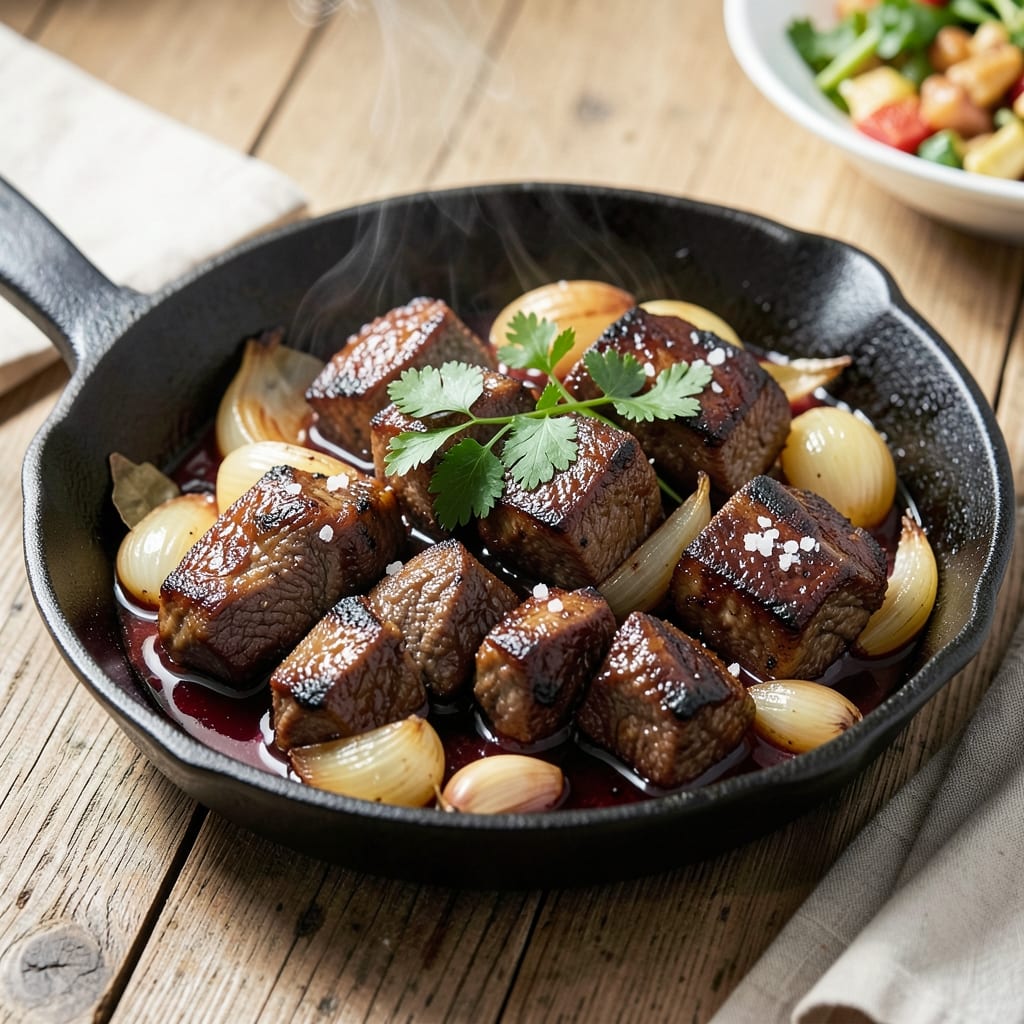
This Beef à Casa Portuguese recipe brings the heart of a Lisbon home kitchen to your table with its signature slow-simmered tenderness. The secret lies in the balance of vinegar, garlic, and red wine—transforming tough beef into melt-in-your-mouth perfection over hours of gentle cooking. I first tasted this dish at a family gathering in the Alentejo region, where it’s traditionally served with crusty bread and simple sides like roasted potatoes or a fresh green salad.
The dish’s magic comes from its patient preparation: beef braised until fork-tender, infused with aromatic garlic, bay leaves, and a splash of vinho tinto (or a robust red wine). Unlike quick stews, this recipe demands time—about 3 hours—but the result is a rich, deeply flavorful sauce that coats every bite. The acidity from vinegar tenderizes the meat while preserving its natural richness, creating a dish that’s both comforting and sophisticated.
What sets this recipe apart is its authenticity—no shortcuts, just the time-honored techniques Portuguese home cooks rely on. The beef emerges so tender it nearly falls apart, while the sauce reduces to a velvety consistency that clings to every strand. Serve it with fluffy white rice, buttery roasted potatoes, or a crisp arugula salad to balance the richness. This is the kind of meal that turns a simple dinner into a celebration.
The beauty of Beef à Casa is its versatility—it reheats beautifully, making it perfect for meal prep, and the leftovers only deepen in flavor. Whether you’re cooking for a family gathering or a quiet weeknight dinner, this recipe delivers the warmth and tradition of Portuguese home cooking. Let’s get started on creating a dish that tastes like home.
Ingredients for beef a casa portuguese
The heart of Portuguese home cooking lies in these carefully chosen ingredients—each playing a crucial role in transforming tough beef into melt-in-your-mouth perfection.
| Ingredient | Amount | Notes |
|---|---|---|
| Beef Chuck Roast 🥩 | 3 lb | Cut into 2-inch cubes, trimmed of excess fat |
| White Wine Vinegar 🍶 | ½ cup | Distilled white vinegar preferred |
| Garlic Cloves 🧄 | 8 cloves | Smashed, not minced for even infusion |
| Red Wine 🍷 | 1 cup | Bold dry variety like Cabernet Sauvignon |
| Dried Bay Leaves 🌿 | 2 whole | Fresh bay leaves preferred if available |
| Yellow Onion 🧅 | 1 whole | Medium size, sliced into half-moons |
| Carrots 🥕 | 4 whole | Medium size, cut into thick rounds |
| Olive Oil 🫒 | ¼ cup | Extra-virgin for best flavor |
| Tomato Paste 🍅 | 2 tbsp | Smooth, not chunky |
| Kosher Salt 🧂 | 1 ½ tsp | Diamond Crystal preferred |
| Ground Black Pepper 🌶️ | ½ tsp | Freshly ground for optimal flavor |
| Fresh Parsley 🌿 | ¼ cup | Chopped, for garnish |
| Water 💧 | 2 cups | Room temperature preferred |
The beef selection is non-negotiable for this dish. Chuck roast is essential—its marbling and connective tissue break down beautifully during the slow simmer, creating that signature fork-tender texture. Most butchers will cut it for you, but if you're buying a whole roast, look for one with good marbling and trim away any thick fat caps. Whole Foods or local Portuguese markets often carry the best quality, but any reputable butcher will do. For the vinegar, distilled white vinegar is preferred—it has a cleaner acidity that won't overpower the delicate flavors. The garlic should be fresh, with vibrant cloves that smell pungent when smashed. If you're using dried bay leaves, make sure they're from a trusted brand like Penzeys—they should be fragrant and pliable, not brittle or dusty.
No red wine on hand? Substitute with beef broth and a splash of balsamic vinegar—it mimics the acidity and depth. For the tomato paste, San Marzano is ideal, but any smooth paste will work. The carrots can be baby carrots if that's what you have, but whole carrots add better texture. If you're short on time, pre-minced garlic works, though freshly smashed cloves release more flavor. The olive oil should be extra-virgin—anything less will taste harsh against the delicate vinegar and wine balance. For the parsley, fresh is best, but if you're in a pinch, dried parsley at one-third the amount will suffice. The key is maintaining that bright, fresh finish at the end.
This dish tastes even better the next day as the flavors meld together. Store leftovers in an airtight container in the refrigerator for up to 5 days, or freeze portions for 3 months. For meal prep, portion the beef and sauce separately—reheat the sauce first, then add the beef to warm through. The sauce will thicken as it cools, so you can thin it with a splash of water or broth when reheating. To keep the beef tender, avoid boiling—simmer gently and add just enough water to cover the beef by about an inch. The dish reheats beautifully, making it perfect for family gatherings or busy weeknights.
Why You'll Love This Recipe
- I’ll be real: this feeds a crowd but still feels special enough for company. Slap it on the table with crusty bread, and suddenly you’ve gone from “what’s for dinner?” to “who’s coming over?” It’s my go-to for game days, lazy Sundays, or when my in-laws drop by unannounced.
- One-Pot Magic: Honestly, I love recipes that don’t make me feel like I’m running a restaurant. This dish? Just sear the beef, toss in the garlic, red wine, and vinegar, then let it slow-cook—no flipping, no fussing. The bay leaves infuse the whole thing with that deep, earthy aroma without needing extra steps.
- Garlic-Wine Kiss: Between us, the red wine and white wine vinegar combo is chef’s kiss—bright, tangy, and just sweet enough to balance the beef’s richness. The garlic? It caramelizes right into the sauce, so every bite has that punchy, aromatic punch. Not the prettiest, but the taste makes up for it every time.
- Weeknight or Weekend Star: I’ll be real: this feeds a crowd but still feels special enough for company. Slap it on the table with crusty bread, and suddenly you’ve gone from “what’s for dinner?” to “who’s coming over?” It’s my go-to for game days, lazy Sundays, or when my in-laws drop by unannounced.
Step-by-step instructions for slow-simmered Portuguese beef
Master this traditional Portuguese technique for melt-in-your-mouth beef that falls apart with minimal effort.
Prepare the Beef and Aromatics for Even Cooking
Cut the 3 lb beef chuck roast into 2-inch cubes, trimming any excess fat to prevent greasiness in the final dish. I use a sharp boning knife for this—it gives cleaner cuts and less waste. Place the beef in a large Dutch oven or heavy pot suitable for oven use.
In the same pot, heat ¼ cup olive oil over medium-high heat until shimmering. Add the 1 whole yellow onion (sliced into half-moons) and 4 whole carrots (cut into thick rounds) and cook for 5 minutes, stirring occasionally, until the vegetables begin to soften slightly. This step develops their natural sweetness and forms the flavor base.
Build the Flavor Base with Vinegar and Wine
Push the vegetables to one side of the pot and add the 8 smashed garlic cloves to the empty space. Cook for 30 seconds until fragrant—this prevents burning while maximizing flavor extraction. Stir everything together, then add ½ cup white wine vinegar and 1 cup red wine, scraping up any browned bits from the bottom of the pot.
Bring the mixture to a gentle simmer, then reduce heat to medium-low. Let it cook uncovered for 10 minutes to allow the alcohol to evaporate and the flavors to meld. This step is crucial—it creates a rich, tangy foundation that tenderizes the beef beautifully.
Simmer the Beef Until Fork-Tender
Add 2 tablespoons tomato paste, 1½ teaspoons kosher salt, ½ teaspoon ground black pepper, 2 whole dried bay leaves, and 2 cups water to the pot. Stir gently to combine, then add the beef cubes, making sure they're fully submerged in the liquid. If they're not, add a splash more water.
Bring the mixture to a full boil, then immediately reduce heat to low and cover the pot. Simmer for 2½ to 3 hours, checking occasionally to ensure the liquid doesn't reduce too much. The beef is done when it's fork-tender—you should be able to pierce it easily with a fork and pull it apart with minimal resistance.
Finish with Fresh Herbs and Perfect Texture
Once the beef is tender, remove the bay leaves and discard them. Stir in the ¼ cup chopped fresh parsley and let the dish simmer uncovered for an additional 5 minutes to allow any remaining liquid to reduce slightly and the flavors to concentrate. This final step brightens the dish and ensures the perfect balance of textures.
Taste and adjust seasoning if needed—Portuguese cuisine often embraces bold flavors, so don't be afraid to add more salt or pepper if necessary. The beef should be tender, juicy, and infused with the deep flavors of the vinegar, wine, and aromatic vegetables. Serve immediately over crusty bread or with traditional Portuguese sides like rice or roasted potatoes.
Pro Tips For Making Beef A Casa Portuguese
- Sear the Roast First: I learned this the hard way—skipping the sear makes the sauce taste flat. Get that chuck roast screaming hot in a dry pan with 1 tablespoon of oil for 3-4 minutes per side until deep brown. The crust locks in flavor and caramelizes the fond that’ll later dissolve into the wine and vinegar.
- Smash Those Garlic Cloves: Don’t just toss in whole garlic—this isn’t a stew. Mince the cloves aggressively (or smash them with the flat side of your knife) so they dissolve into the sauce. My grandmother swore by this, and she was right: you’ll taste the garlic’s sweetness, not just its bite.
- Deglaze with Vinegar First: Start the sauce with the white wine vinegar before adding the red wine. The acid cuts through the sear faster and brightens the flavors—otherwise, you’re just making a muddy brown sauce. Pour it in hot, let it bubble for 30 seconds, then add the wine.
- Rest the Meat Properly: This isn’t the prettiest method, but it’s the tastiest: after pulling the roast from the oven, tent it loosely with foil and let it rest 15-20 minutes under a warm light (like a lamp). The meat stays juicy, and the juices redistribute—skip this, and you’ll end up with a dry, sad slice. (Yes, even if you’re impatient like me.)
Perfect pairings for this dish
Portuguese Bread Pairing
Serve your Beef à Casa with crusty Portuguese pão de ló or broa de milho—the dense, slightly chewy texture soaks up the rich sauce beautifully. I love Pão de Deus from local bakeries, but any rustic bread with a thick crust works. For a heartier option, try pãozinho (Portuguese rolls) or bolo de alho (garlic bread) to complement the beef's depth. 🥖
Classic Rice Sides
Arroz de tomate (tomato rice) is a must—simmer 1 cup white rice with 1 can diced tomatoes, 1 bay leaf, and ½ cup olive oil> until tender. For a simpler option, arroz de leite (rice pudding) adds a creamy contrast. I often serve both at family gatherings—the tomato rice balances the beef’s acidity while the pudding adds sweetness. 🍚
Roasted Potatoes
Toss 2 lbs baby potatoes with 2 tbsp olive oil, 1 tsp smoked paprika, and ½ tsp garlic powder, then roast at 400°F for 40 minutes> until crispy. The smoky flavor echoes the beef’s wine reduction, while their crunch cuts through the tender meat. For extra richness, sprinkle with queijo da serra (Portuguese cheese) before serving. 🥔
Green Salad Contrast
A bright arugula salad with 1 tbsp lemon juice, 2 tbsp olive oil, and ½ tsp honey> refreshes the palate after the rich stew. Add sliced radishes and red onion for crunch. In Portugal, they often serve couve-galega (Portuguese kale) sautéed with garlic—its bitterness balances the dish’s richness perfectly. 🥗
Wine Pairings
Portuguese vinho tinto (red wine) is ideal—try a Douro red or Alentejo variety like Touriga Nacional. The bold tannins complement the beef’s tenderness, while the wine’s acidity mirrors the vinegar in the dish. For whites, Vinho Verde (light and crisp) works surprisingly well with the tomato-based sides. 🍷
Dessert Finale
End the meal with pastéis de nata (custard tarts) or bolo de bolacha (layered cake). The sweetness contrasts the savory beef, and the buttery crust adds a satisfying finish. For a lighter option, fresh fruit like peaches or melon with a sprinkle of cinnamon** cleanses the palate. 🍰
Nutrition facts
Frequently asked questions
What makes this Portuguese beef dish different from other stews?
This recipe uses white wine vinegar as a key tenderizer, creating a signature tangy-sweet balance that sets it apart from traditional beef stews. The slow simmer with red wine and garlic also infuses the beef with deep, aromatic flavors that are uniquely Portuguese. Unlike American beef stews, this version relies on minimal seasoning—letting the vinegar, wine, and aromatic vegetables shine.
Can I use a different cut of beef for this recipe?
While chuck roast is ideal for its marbling and tenderness, you can substitute with brisket or short ribs if needed. Avoid lean cuts like sirloin—they won't become tender enough. For best results, choose a cut with some fat (about 15-20% fat content) to prevent drying out during the long cook.
How do I know when the beef is fully tender?
The beef is done when it's fork-tender—you should be able to pierce it easily with a fork and pull it apart with minimal resistance. For a 3 lb roast, this typically takes 2½ to 3 hours of simmering. If you're unsure, cut into a small piece—it should separate cleanly with no resistance.
What can I do if the sauce is too thin?
If the sauce seems too thin, let it simmer uncovered for 5-10 minutes to reduce naturally. For a quicker fix, mix 1 tablespoon cornstarch with 2 tablespoons cold water, stir into the sauce, and simmer for 2-3 minutes until thickened. Avoid over-simmering—this can make the sauce too concentrated.
Can I make this dish in a slow cooker?
Yes! Transfer all ingredients to a 6-quart slow cooker and cook on low for 7-8 hours or high for 4-5 hours. The slow cooker's gentle heat mimics the oven's effect, resulting in tender beef. Just be sure to add enough liquid to cover the beef by about 1 inch—slow cookers evaporate moisture more quickly.