
Main Courses
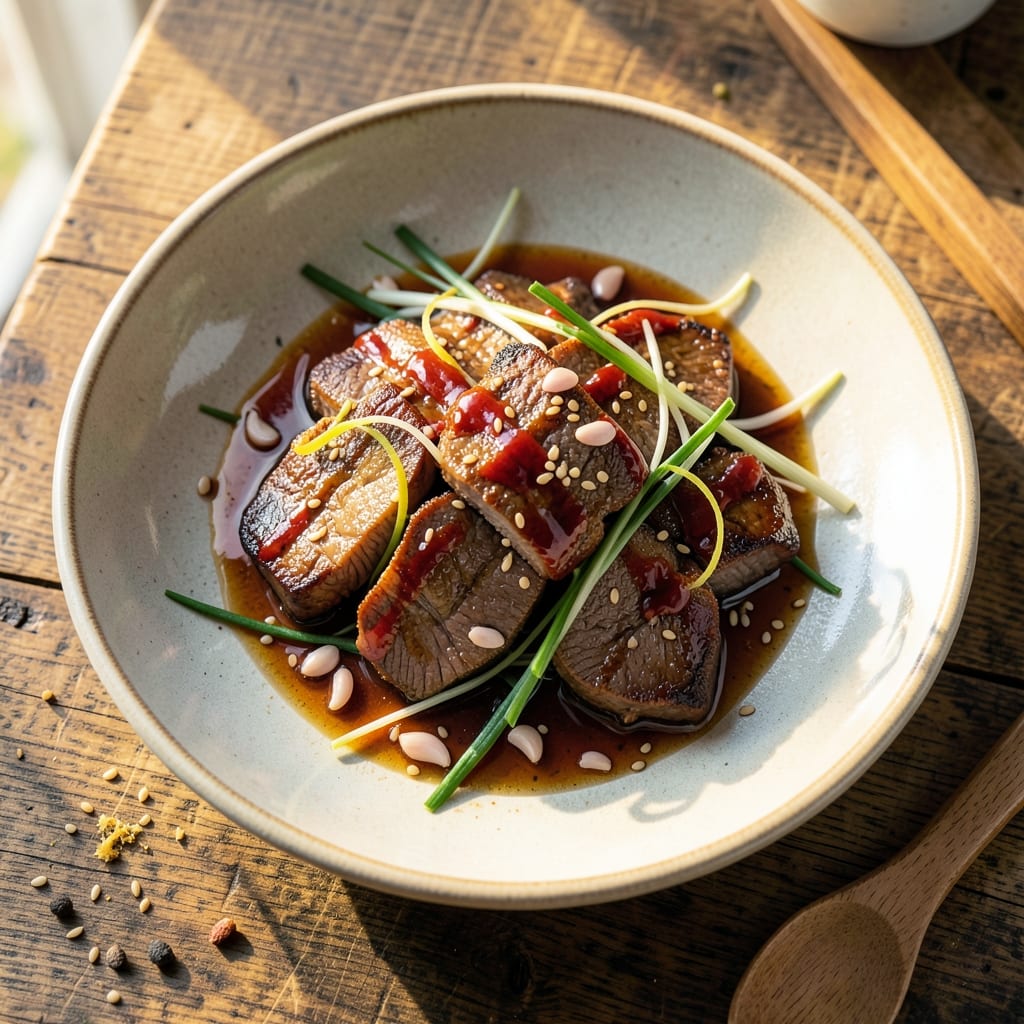
Japanese beef liver recipe transforms this rich, nutrient-packed protein into a restaurant-worthy dish with soy-marinated crispy edges and silky centers. After years of perfecting this technique—starting with my grandmother's roast chicken—I've developed a method that balances traditional Japanese flavors with foolproof home cooking. The secret lies in a marinade that tenderizes while building that signature caramelized crust.
This recipe delivers a dish that's equal parts elegant and approachable, perfect for weeknight dinners or special occasions. We'll start with a soy-based marinade that infuses deep umami flavor, then sear the liver to achieve that coveted crispy exterior while keeping the interior tender. The result is a plate that looks as impressive as it tastes, with a perfect balance of textures and flavors.
Serving suggestions include steamed Japanese rice, quick-pickled vegetables for brightness, and a side of miso soup to complete the meal. The liver's natural richness pairs beautifully with the acidity of pickled daikon or cucumber, while the miso adds another layer of comforting depth. For an authentic touch, serve with a chilled glass of sake or green tea.
Safety is paramount when cooking liver—always use fresh, high-quality cuts and avoid overcooking. This method ensures perfect doneness every time, with clear instructions that even home cooks can follow confidently. The process takes just 30 minutes from start to finish, making it an ideal choice for home cooks who want restaurant-quality results without the fuss.
Ingredients for japanese beef liver
Rich, tender beef liver meets bold Japanese flavors in this restaurant-worthy dish.
| Ingredient | Amount | Notes |
|---|---|---|
| Beef Liver 🥩 | 1 ½ lb | Fresh, high-quality, trimmed of fat |
| Soy Sauce 🍶 | ½ cup | Japanese-style, like Kikkoman |
| Mirin 🍶 | ¼ cup | Sweet rice wine, not imitation |
| Sake 🍶 | ¼ cup | Dry variety for balance |
| Sesame Oil 🫒 | 1 tbsp | Toasted, for aroma |
| Garlic Cloves 🧄 | 4 cloves | Minced for marinade |
| Fresh Ginger 🌿 | 1 tbsp | Grated, for depth |
| Neutral Oil 🫒 | 2 tbsp | Avocado or vegetable oil |
| Salt 🧂 | 1 tsp | Kosher or sea salt |
| Black Pepper 🌶️ | ½ tsp | Freshly cracked |
| Japanese Rice 🍚 | 2 cups | Uncooked, for serving |
| Pickled Vegetables 🥒 | 1 cup | Quick-pickled daikon or cucumber |
| Miso Paste 🍶 | 1 tbsp | White or red miso |
| Green Tea 🍵 | 1 cup | Chilled, for serving |
The liver is the star—freshness is non-negotiable. Look for cuts with a vibrant red color and minimal fat. Whole Foods or specialty butchers carry the best quality, but even your local grocery store should have decent options if you check the sell-by date. The soy sauce, mirin, and sake trio is essential for that signature umami depth—Kikkoman soy sauce and authentic mirin (not the imitation kind) make all the difference. If you can't find mirin, a mix of rice vinegar and sugar works in a pinch, though it won't be identical. The garlic and ginger should be freshly grated or minced—no jarred shortcuts here.
No mirin? Substitute 1 tbsp rice vinegar plus 1 tbsp sugar—it won’t be perfect, but it’ll get you close. Running low on sake? Dry white wine works surprisingly well, though it’ll lack the subtle sweetness. The sesame oil is for aroma, so don’t skimp—toasted sesame oil from Trader Joe’s or Asian markets is ideal. For the pickled vegetables, quick-pickling with rice vinegar and a pinch of sugar takes just 10 minutes—daikon radish or cucumber both shine here. The miso paste adds another layer of complexity, so white miso for subtlety or red for depth. If you’re serving sake, chilled is key—it’s a drink, not a cooking ingredient here.
Liver cooks fast—timing is everything. The marinade keeps for 2 days in the fridge, but the liver itself should be used within 24 hours for peak tenderness. The pickled vegetables stay crisp for 3 days if stored in their liquid. For leftovers (if there are any), reheat gently in a pan—liver dries out fast. The rice can be made ahead and reheated with a splash of water. Pro tip: Portion the marinade into ice cube trays for easy single-use portions—perfect for quick meals or last-minute guests.
Why You'll Love This Recipe
- Pan in Hand: I swear by this recipe because it’s literally one pan, one knife, and 15 minutes of active time. Just slice the liver thin, toss it in the soy-mirin-sake mix, and let the heat do the work—no flipping, no fuss.
- Umami Bomb: That combo of soy, mirin, and sake? It turns liver from "meh" to "I’d eat this every night." The sesame oil finish adds this nutty depth that makes it taste like a fancy izakaya dish, not a weeknight hack.
- Leftover Goldmine: Cook once, use twice—this keeps perfectly for days. Toss cold slices into ramen, stir-fry with rice, or even pack it in bento boxes. Honestly, I’ve eaten it three different ways this week and haven’t gotten tired of it.
- Budget Powerhouse: Liver’s cheap, and this recipe stretches it far. A single pound feeds four, and the pantry staples (soy, mirin, sake) last for everything else. Between us, I’ve saved enough on groceries to buy a decent bottle of sake just for cooking. Worth it.
Step-by-step instructions for soy-marinated beef liver
Here's how to achieve that perfect balance of crispy edges and tender centers in Japanese-style liver.
Prepare the Soy Marinade
In a mixing bowl, combine the 0.5 cup soy sauce, 0.25 cup mirin, 0.25 cup sake, 1 tbsp sesame oil, 4 cloves minced garlic, and 1 tbsp grated fresh ginger. Whisk vigorously until fully integrated—this marinade is the flavor foundation. The mirin and sake work together to tenderize the liver while adding depth of flavor that soy sauce alone can't achieve.
Let the marinade sit at room temperature for 10 minutes before using. This brief rest allows the aromatics to meld, creating a more cohesive flavor profile. The sesame oil adds a nutty aroma that will infuse the liver as it cooks, while the garlic and ginger provide that essential umami-pungent balance.
Marinate the Liver
Pat the 1.5 lb beef liver completely dry with paper towels—this is critical for achieving crispy edges. Place the liver in a shallow dish and pour the marinade over it, ensuring it coats all surfaces evenly. Let it marinate for 30-45 minutes at room temperature. Don't exceed this time or the liver will start to cook prematurely.
While marinating, I like to turn the liver occasionally to ensure even exposure to the marinade. The soy sauce will begin to penetrate the surface, while the alcohol components start the tenderizing process. This step transforms what can be a tough cut into something silky and flavorful when cooked properly.
Cook the Liver to Perfection
Heat 2 tbsp neutral oil in a large skillet over medium-high heat until it shimmers. Add the marinated liver and cook for 2-3 minutes per side—this is where precision matters most. You'll know it's ready when the edges are deep golden brown and the internal temperature reaches 130°F (use an instant-read thermometer for accuracy).
Here's the thing—don't walk away. The liver cooks quickly and can go from perfect to overdone in seconds. You want the outside to develop that beautiful crust while the inside remains tender. If any pieces stick, gently lift them with a spatula rather than pressing down, which can squeeze out juices.
Finish with Miso and Serve
Remove the liver from the skillet and set aside to rest for 3-5 minutes. Return the skillet to medium heat and add 1 tbsp miso paste, stirring until it melts and forms a smooth glaze. Pour this miso sauce over the liver, coating it evenly. The miso adds that final umami punch that makes this dish truly Japanese.
Serve immediately over 2 cups cooked Japanese rice, accompanied by 1 cup pickled vegetables and 1 cup chilled green tea. The contrast of crispy liver with cool tea and tangy pickles creates a perfect balance of textures and temperatures. Each bite should deliver that crispy exterior with a silky, almost melting center.
Pro Tips For Making Japanese Beef Liver
- STRIP THE FAT FIRST: Beef liver’s fat layer is stubborn—don’t just wipe it off. Use a sharp knife to score the fat in a crosshatch, then press a paper towel into the grooves to soak up excess. This keeps the liver from splattering like a grease bomb while searing, and the sauce clings better to the clean surface.
- SALT THE LIVER 30 MINUTES EARLY: I used to skip this, thinking it’d get soggy—but liver needs time to draw out moisture. Sprinkle kosher salt (about ½ tsp per 100g) and let it sit uncovered in the fridge. The edges crisp better when dry, and the soy-sake-mirin glaze sticks like glue instead of sliding off.
- DON’T BOIL THE SAKE: Sake’s job is to add depth, not turn into vinegar. Once you’ve deglazed the pan with soy and mirin, lower the heat before adding sake—just enough to simmer gently for 30 seconds. If it bubbles hard, you’ve lost that clean, umami punch. A splash of water at the end keeps the sauce silky, not sticky.
- SEAR IN BATCHES OR IT WILL STEAM: Crowd the pan, and you’re serving sad, gray liver instead of caramelized perfection. Work in single layers, no overlapping—this recipe isn’t for lazy cooking. High heat for 1-2 minutes per side until the edges are deep brown, not just pink. The sesame oil goes in after searing, not before.
Make-ahead tips for japanese beef liver
Marinade Prep Ahead
The soy marinade can be made up to 2 days in advance and stored in an airtight container in the fridge. This is a game-changer for weeknight cooking—I often prep it on Sunday mornings while making my grandmother's roast chicken. The flavors actually deepen over time, so it's ready to use whenever you need that umami punch. Just give it a quick whisk before using to recombine any settled ingredients. 💫
Liver Prep Timeline
Pat the liver dry and portion it into 1-inch thick slices (about 4-6 pieces depending on size) before marinating. Store the sliced liver in a sealed plastic bag with the marinade for up to 24 hours in the fridge. I like to label these bags with the date—trust me, you'll forget how long it's been sitting there! The shorter the marinating time, the more tender the liver stays.
Cooking Shortcuts
For quick weeknight meals, marinate just 15-20 minutes instead of the full 30-45 minutes. While it won't be quite as tender, the flavor will still be fantastic. I've done this countless times when I was that overwhelmed new graduate—sometimes you just need dinner NOW. The key is to sear immediately after marinating to lock in those flavors. Use a non-stick skillet to prevent sticking during that critical 2-3 minute cook time.
Pickle Prep
Make the quick-pickled vegetables the night before and store them in their pickling liquid in the fridge. This takes just 10 minutes of active time and adds that essential bright contrast to the rich liver. I like to use daikon radish for a slightly sweet crunch or cucumber for a more familiar tang. The pickles stay crisp for 3 days, making them perfect for meal prep. Just drain and pat dry before serving to avoid soggy rice.
Miso Glaze Storage
If you're making the miso glaze ahead, store the 1 tbsp miso paste in a small container in the fridge. When ready to use, simply melt it in the skillet over medium heat for 1-2 minutes until smooth. I've even pre-portioned miso into tiny containers—just pop one into the pan and stir. The glaze adds that restaurant-quality finish without requiring last-minute prep. Keep extra miso in the freezer for up to 6 months if you won't use it soon.
Complete Meal Assembly
Cook the 2 cups Japanese rice ahead and store it in an insulated container for up to 2 days. Reheat with a splash of water to restore moisture. I often prep rice for the whole week—it's the perfect base for any meal. When serving, arrange the rice on plates first, then place the cooked liver on top, drizzle with the miso glaze, and add pickled vegetables on the side. The chilled green tea can be made ahead too—just keep it refrigerated until serving. This assembly takes just 5 minutes and looks beautifully presented. 🌟
Nutrition facts
Frequently asked questions
Why does Japanese beef liver need marinating?
The marinade serves three critical purposes: tenderizing the liver's dense texture, infusing deep umami flavors, and creating that signature crispy crust. The combination of soy sauce, mirin, and sake breaks down proteins while building flavor—something you won't get with just salt and pepper. The alcohol components also help prevent overcooking during the quick sear.
Can I substitute chicken liver for beef liver?
Yes, but with adjustments! Chicken liver is more delicate and requires 15-20 minutes marinating instead of 30-45. Cook it for just 1-2 minutes per side at medium heat—it's ready when the internal temperature hits 125°F. The flavor will be milder, but the technique works beautifully. For extra richness, add 1 tsp honey to the marinade.
What if my liver turns out rubbery?
Overcooking is the #1 cause of rubbery liver. Use an instant-read thermometer—beef liver should reach 130°F (chicken 125°F) at the thickest part. If you missed it, try this fix: Slice the liver thinly, pan-sear in 1 tsp butter for 30 seconds per side, then serve with extra pickled vegetables to cut the richness. The acidity helps balance any toughness.
How do I make this dish vegetarian?
Replace the liver with 1.5 lbs king oyster mushrooms (sliced into 1-inch thick pieces) or extra-firm tofu (pressed and cubed). Marinate the mushrooms/tofu for 45 minutes, then cook for 4-5 minutes per side** until golden. For umami depth, add 1 tbsp nutritional yeast to the marinade. The texture won't be identical, but it delivers that same satisfying crispy-tender contrast!
Is it safe to eat raw beef liver?
Absolutely not! Beef liver should always be cooked to at least 130°F internal temperature to kill parasites and bacteria. Even if you're using the freshest liver, the risk isn't worth it. The marinade and quick cooking method in this recipe ensure safety while delivering maximum flavor. Never eat liver rare—it's one of the few meats where "medium" isn't an option.