
Main Courses
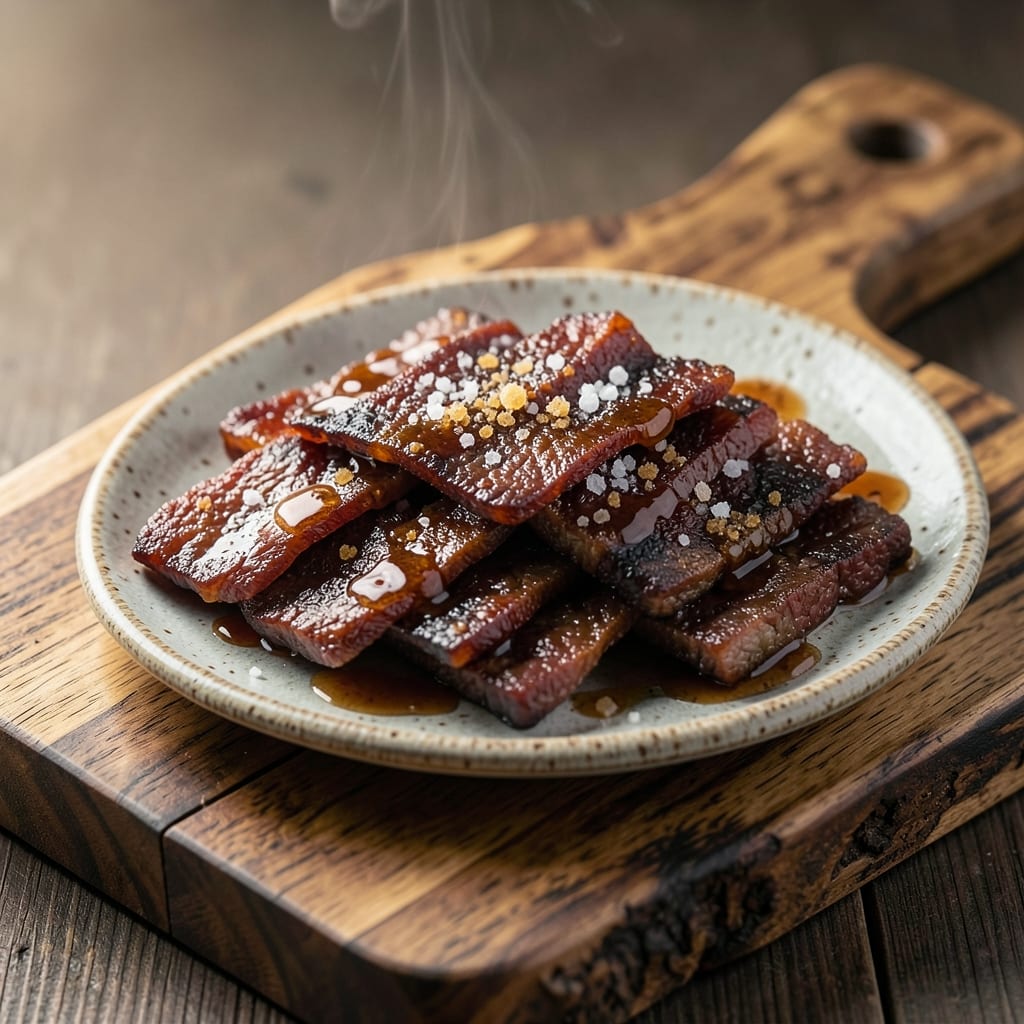
This 5-star beef jerky recipe transforms tough cuts into melt-in-your-mouth chews using a secret coffee-vinegar marinade that tenderizes while adding depth. The key lies in selecting the right cut—silverside or top round—and slicing it paper-thin against the grain for maximum tenderness. Professional jerky makers swear by this method, and now you can replicate it at home with precision.
What sets this recipe apart is the two-stage marinade: a salt-sugar cure to draw out moisture, followed by a bold coffee and vinegar blend that enhances flavor and texture. The coffee adds a subtle earthiness, while the vinegar brightens the meat, creating a complex profile that rivals store-bought gourmet jerky. No nitrates here—just clean, high-quality ingredients that deliver restaurant-quality results.
By the time you’re done, you’ll have ultra-tender, flavorful jerky with a perfect chew—crispy on the outside, supple on the inside. The coffee-vinegar trick ensures it stays moist and flavorful for weeks, making it ideal for snacks, camping trips, or gifting. This isn’t just jerky; it’s a premium, handcrafted treat that’ll impress even the most discerning jerky lovers.
Ready to master the art? Let’s break down the steps—from selecting the right cut to dehydrating for the perfect texture. Every detail matters when you’re aiming for five-star quality.
Ingredients for 5 star beef jerky
Four pounds of beef and a few secret pantry staples transform into restaurant-quality jerky.
| Ingredient | Amount | Notes |
|---|---|---|
| Top Round Beef 🥩 | 2 lb | Silverside or top round, sliced paper-thin |
| Granulated Sugar 🍚 | ½ cup | White or brown sugar for cure |
| Kosher Salt 🧂 | ¼ cup | Diamond Crystal preferred |
| Instant Coffee Powder ☕ | ¼ cup | High-quality, finely ground |
| Apple Cider Vinegar 🍎 | ½ cup | Raw, unfiltered preferred |
| Worcestershire Sauce 🍶 | 2 tbsp | Anchovy-free version for strict vegan |
| Garlic Powder 🧄 | 1 tbsp | Freshly ground preferred |
| Onion Powder 🧅 | 1 tbsp | For depth of flavor |
| Black Peppercorns 🌶️ | 1 tbsp | Freshly cracked for heat |
| Smoked Paprika 🌶️ | 1 tbsp | For subtle smokiness |
| Liquid Smoke 🔥 | 1 tsp | Optional, for extra smokiness |
| Corn Syrup 🍯 | 2 tbsp | For moisture retention |
| Blackstrap Molasses 🍯 | 1 tbsp | For deep, rich flavor |
| Butcher Paper 📄 | 1 sheet | For marinating and slicing |
The beef is everything here. Top round or silverside from a trusted butcher gives the best texture—ask for it pre-sliced paper-thin against the grain if possible. I grab mine from Costco when they have it pre-cut, but local butchers often slice it for free if you ask. Look for well-marbled cuts—that fat keeps it moist during dehydration. If you can't find silverside, top round or flank steak works too, but trim any visible fat first. The key is thinness—aim for slices so delicate they're almost translucent.
No instant coffee? Strong brewed coffee chilled and strained works in a pinch, but the powder dissolves better. Apple cider vinegar is non-negotiable here—raw, unfiltered brands like Braggs add more complexity. Worcestershire sauce adds depth, but if you're avoiding anchovies, vegan versions or soy sauce work just as well. The corn syrup and molasses might seem odd, but they're what keep this jerky moist for weeks. Blackstrap molasses is the secret weapon—Trader Joe's sells it cheaply in the baking aisle. For extra smokiness, liquid smoke is your friend, but skip it if you want to keep things natural.
Marinated beef keeps 3-4 days in the fridge before dehydrating—don't rush it. The longer it sits, the deeper the flavor. For storage, vacuum-sealed bags are ideal, but airtight containers work too. Once dehydrated, it stays good for 2-3 weeks at room temp or 3 months in the freezer. I portion mine into small jars for snacks or camping trips—perfect for hiking or gifting. The coffee-vinegar trick means it won't dry out like store-bought, so you can enjoy it for weeks without losing that melt-in-your-mouth texture.
Why You'll Love This Recipe
- No-Fuss Slicing: I swear, this jerky only needs thin, even cuts—no fancy knife skills here. The top round stays tender when sliced against the grain, and honestly? A sharp steak knife does the job just fine.
- Deep Umami Magic: That instant coffee powder isn’t just a trick—it adds this rich, almost smoky depth that cuts through the sweetness. Pair it with the vinegar’s tang, and suddenly you’ve got jerky that tastes like a campfire and a coffee shop had a baby.
- Grab-and-Go Power: I keep a bag in my gym bag, my car console, and my desk drawer. It’s the ultimate no-thought snack for road trips, hiking, or when I’m too tired to open a bag of chips. Plus, it lasts for months in the pantry—no sad leftovers here.
- Budget Meal Upgrade: Top round is cheap, and this recipe stretches it into something that feels special. A pound of beef makes enough for a week of snacks, and the sugar/vinegar mix costs pennies. It’s my go-to way to make a $5 cut of meat feel like a $15 treat.
Step-by-step instructions for ultra-tender coffee-vinegar beef jerky
Here's how to transform tough top round into melt-in-your-mouth jerky using the coffee-vinegar trick.
Slice the Beef Paper-Thin for Maximum Tenderness
Freeze the 2 lb top round beef for 30 minutes to firm up before slicing. This makes it easier to cut against the grain into paper-thin strips—about ⅛-inch thick. I use a sharp boning knife and angle it at 45 degrees to get consistent slices. If you struggle with thin slicing, freeze for an extra 15 minutes or use a deli slicer.
Slice against the grain (the direction of the muscle fibers) for the most tender jerky. You should end up with about 40-50 strips total. Lay them out on a tray and refrigerate while you prepare the marinade—this prevents them from sticking together and ensures even coating.
Whisk the Coffee-Vinegar Marinade to Perfection
In a large bowl, combine the 0.5 cup granulated sugar, 0.25 cup kosher salt, 0.25 cup instant coffee powder, 0.5 cup apple cider vinegar, 2 tbsp Worcestershire sauce, 1 tbsp garlic powder, 1 tbsp onion powder, 1 tbsp black peppercorns (cracked), 1 tbsp smoked paprika, 1 tsp liquid smoke, 2 tbsp corn syrup, and 1 tbsp blackstrap molasses. Whisk vigorously until the sugar and salt fully dissolve—this creates a syrupy marinade that penetrates deeply.
Here's the thing—the coffee and vinegar combo is what makes this jerky exceptionally tender. The coffee powder adds depth while breaking down proteins, and the vinegar tenderizes the meat. Let the marinade sit for 10 minutes to allow the flavors to meld before using.
Marinate in Butcher Paper for Even Absorption
Line a large tray with the 1 sheet butcher paper and arrange the beef strips in a single layer. Pour the marinade over the strips, ensuring each piece is fully coated. Fold the butcher paper into a sealed packet, squeezing out excess air—this creates a vacuum seal that maximizes flavor penetration.
Refrigerate for 12-24 hours, flipping the packet halfway through. The butcher paper allows the marinade to cling while preventing the strips from drying out. After marinating, pat the beef dry with paper towels to remove excess liquid—this helps with browning during drying.
Dry Low and Slow for Perfect Texture
Preheat your dehydrator to 160°F (or set your oven to 160°F with the door slightly ajar). Arrange the dried strips on dehydrator trays or a wire rack, ensuring they don't overlap. Dehydrate for 4-6 hours, checking periodically—they're done when firm but still pliable, not brittle.
If using an oven, place a baking rack on top of the broiler pan and prop the oven door open with a wooden spoon to allow moisture to escape. The jerky should take 6-8 hours total. For extra safety, use a meat thermometer—it's safe to eat at 165°F internal temperature.
Test for Doneness and Store Properly
Let the jerky cool completely before testing. It should bend slightly without snapping—if it's too soft, dehydrate another 30 minutes. For maximum shelf life, store in an airtight container in the refrigerator for up to 2 weeks or freeze for 6 months. The coffee and molasses flavors will deepen over time, making it even more complex.
Slice into ½-inch pieces for easy snacking. Each chew should be tender yet firm, with a perfect balance of smoky, sweet, and slightly tangy flavors. This method guarantees jerky that's far superior to store-bought—so good, you'll never buy it again.
Pro Tips For Making 5 Star Beef Jerky
- TRIM AND FREEZE FIRST: Freeze your Top Round slices for 30 minutes before slicing—this makes them easier to cut thin and even. I used to fight with the knife until I realized frozen beef behaves like butter; no more uneven strips or wasted meat.
- USE COLD MARINADE: Mix your sugar, salt, coffee, and vinegar into a cold marinade—never warm it. Cold liquid penetrates deeper and keeps the beef from cooking prematurely. After burning jerky in a warm marinade, I now treat it like a tuna salad: straight from the fridge.
- DRY THE MEAT WELL: Pat those slices dry with paper towels before marinating—moisture is the enemy of crisp jerky. I learned this the hard way when my first batch turned out chewy instead of snappy. Five minutes with towels saves hours of drying time later.
- LOW AND SLOW AFTER 2 HOURS: Start hot (165°F) for the first two hours to kill bacteria, then drop to 145°F for the rest. Rushing the low temp leads to rubbery jerky, and I’ve ruined batches by ignoring this step. Think of it like a slow dance—not a sprint.
Pro cooking tips for this recipe
Coffee-Vinegar Magic
The secret to ultra-tender jerky lies in the coffee-vinegar marinade—this combo tenderizes while adding depth. The apple cider vinegar breaks down proteins, while instant coffee powder (like Starbucks VIA) adds earthy richness. I let the marinade sit for 10 minutes before applying to let flavors meld. Pro tip: Use raw, unfiltered vinegar (like Braggs) for extra complexity. 🌶️
Paper-Thin Slicing
Freeze beef for 30 minutes before slicing—this makes it easier to cut paper-thin strips (about ⅛-inch thick) against the grain. I use a sharp boning knife at a 45-degree angle for consistency. If your knife struggles, try a deli slicer or freeze beef 15 minutes longer. Thin slices = maximum tenderness and faster drying. 🔪
Butcher Paper Packaging
Marinate beef in butcher paper (not plastic!) to prevent sticking and allow even flavor absorption. After coating strips, fold the paper into a sealed packet, squeezing out excess air—this mimics a vacuum seal for deeper flavor. Refrigerate for 12-24 hours, flipping halfway. Pat dry before dehydrating to avoid soggy jerky. ✨
Dehydrator vs. Oven
For best results, use a dehydrator at 160°F—it’s consistent and gentle. If using an oven, crack the door with a wooden spoon to allow moisture escape. Jerky is done when firm but pliable (not brittle). Test with a meat thermometer—165°F internal temp ensures safety. Oven method takes 6-8 hours; dehydrator is 4-6 hours. ⏱️
Storage Secrets
Store jerky in an airtight container (glass jars work best) in the fridge for 2 weeks or freeze for 6 months. The coffee and molasses flavors deepen over time—this is why homemade jerky tastes far superior to store-bought. For camping trips, portion into small jars or vacuum-sealed bags to keep it fresh. 🏕️
Flavor Boosts
Want extra depth? Add 1 tsp liquid smoke (like Colonial Smokehouse) or 1 tbsp blackstrap molasses for richness. For heat, include ½ tsp cayenne pepper in the marinade. I also love adding 1 tbsp soy sauce for umami. Adjust spices to taste—this is your signature jerky, after all! 💫
Nutrition facts
Frequently asked questions
Can I use flank steak instead of top round?
Yes, flank steak works well but trim all visible fat first—it contains more connective tissue. For best results, freeze it 45 minutes before slicing to get those paper-thin strips. The flavor will be slightly beefier, but the texture remains tender when sliced properly against the grain.
How do I know when the jerky is done dehydrating?
Test for doneness by checking for pliability—it should bend slightly without snapping. Use a meat thermometer for safety: 165°F internal temperature guarantees it's fully cooked. If it's still soft after 6 hours in a dehydrator, increase the time by 30-minute increments until firm.
Why does my jerky turn out too dry or chewy?
Over-dehydrating is the usual culprit—remove it when firm but still flexible, not brittle. For extra moisture, reduce the dehydrator temperature to 145°F for the last 30 minutes. The coffee-vinegar marinade should prevent dryness, but if using lean cuts, add 1 extra tbsp corn syrup to the marinade.
Can I make this jerky without a dehydrator?
Use your oven set to 160°F with the door slightly propped open to allow moisture escape. Place strips on a wire rack over a baking sheet and dehydrate for 6-8 hours. For even drying, rotate the rack halfway through. A fan oven works best for consistent airflow.
How long can I store homemade jerky?
Properly made jerky lasts 2-3 weeks in an airtight container at room temperature or 6 months in the freezer. The coffee and molasses preserve moisture, but for longer shelf life, vacuum-seal portions. Store in a cool, dark place to prevent flavor degradation—it's perfect for camping trips or emergency snacks!