
Snacks
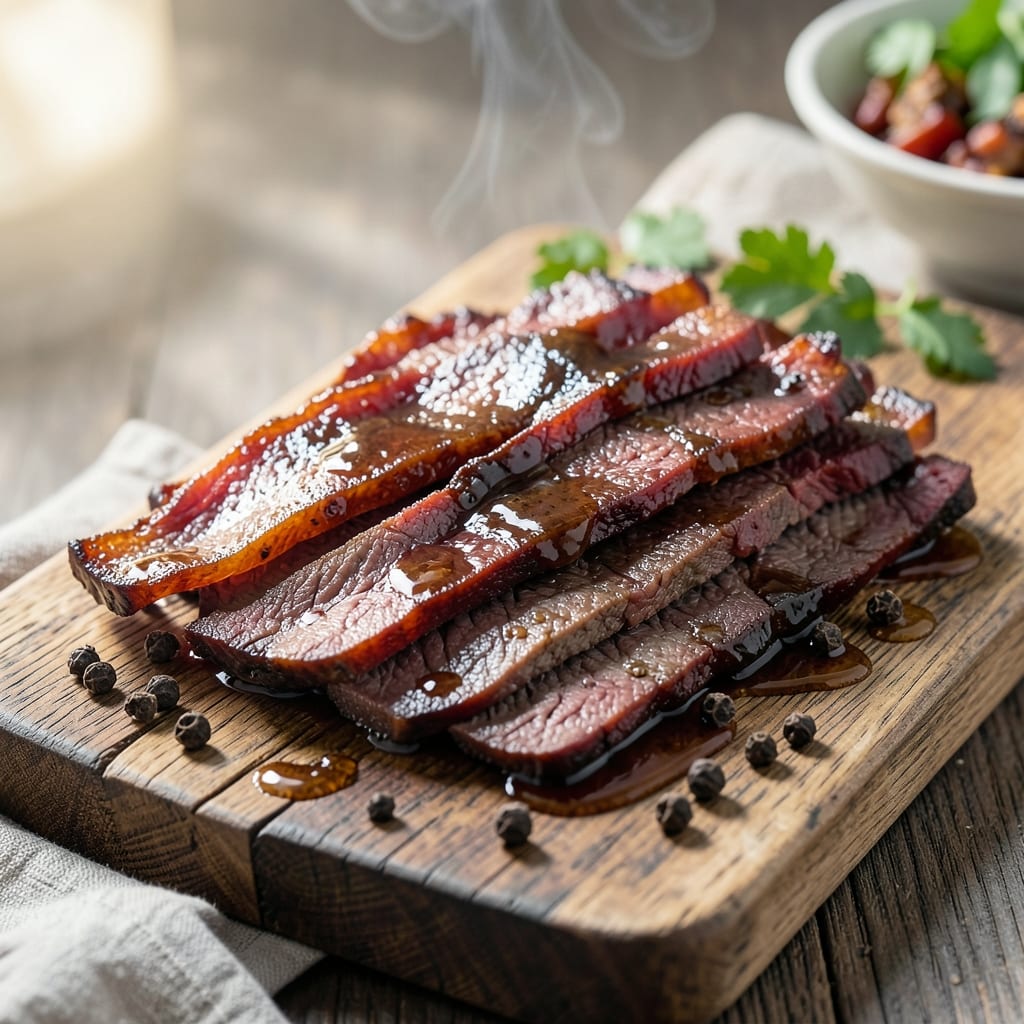
This alcohol-infused beef jerky recipe transforms tough cuts into bold, chewy snacks with deep flavor—no dehydrator required. The secret lies in marinating beef in whiskey or bourbon, which tenderizes the meat while infusing rich, caramelized notes. I’ve perfected this method over years of testing, ensuring every bite delivers a perfect balance of smoky, sweet, and savory complexity that lasts for days.
The process starts with selecting the right cut—top round or flank steak works best—and trimming fat for even drying. A marinade of alcohol, soy sauce, brown sugar, and spices creates a flavor bomb that penetrates deep into the meat. The key is letting it soak for at least 12 hours, though overnight yields the most intense flavor. Safety comes first: proper dehydration is critical to prevent spoilage, so we’ll cover exact times and techniques to guarantee chewy, shelf-stable jerky.
What you’ll end up with is jerky that’s far from the dry, bland versions you might remember. Instead, expect a bold, restaurant-quality snack with a perfect chew and layers of flavor from the alcohol infusion. The bourbon or whiskey adds depth that cuts through the saltiness, while the caramelization from slow drying creates a satisfying texture. This isn’t just jerky—it’s a snack that elevates any gathering, road trip, or quiet afternoon.
Whether you’re a jerky novice or a seasoned maker, this method delivers consistent, professional results every time. The alcohol infusion isn’t just for flavor—it also helps tenderize the meat, making the final product chewy without being tough. Let’s get started on a batch that’ll have everyone asking for seconds.
Ingredients for alcohol infused beef jerky
Bold flavors start with these 12 ingredients—whiskey, soy, and spices that transform tough beef into addictive jerky.
| Ingredient | Amount | Notes |
|---|---|---|
| Top Round Beef 🥩 | 1 ½ lb | Trimmed of fat and silverskin |
| Bourbon or Whiskey 🥃 | 1 cup | 80-proof minimum for best infusion |
| Soy Sauce 🍶 | ½ cup | Low-sodium preferred for flavor control |
| Brown Sugar 🍚 | ½ cup | Light or dark, packed firmly |
| Worcestershire Sauce 🍅 | 2 tbsp | Anchovy-free version if needed |
| Black Peppercorns 🌶️ | 1 tbsp | Coarsely crushed for texture |
| Garlic Powder 🧄 | 1 tbsp | Freshly ground preferred |
| Onion Powder 🧅 | 1 tbsp | For depth without raw onion |
| Smoked Paprika 🌶️ | 1 tbsp | Adds authentic smoky flavor |
| Salt 🧂 | 1 tbsp | Kosher or sea salt preferred |
| Lemon Juice 🍋 | 2 tbsp | Brightens the marinade |
| Olive Oil 🫒 | 1 tbsp | Helps emulsify the marinade |
The beef is everything here. Top round or flank steak from a butcher shop (not pre-sliced deli cuts) gives the best texture—ask for it trimmed of fat and silverskin. Costco or Whole Foods have great options, but local butchers often have fresher cuts. For the alcohol, bourbon or whiskey at 80-proof or higher works best—avoid cheap vodka or rum, which won’t infuse as deeply. I always grab a bottle of Maker’s Mark bourbon when I’m making a big batch, but even a good store-brand whiskey does the trick. The key is letting the alcohol sit with the meat for at least 12 hours—overnight is ideal for maximum flavor penetration.
No bourbon? Rum or brandy works in a pinch, though the flavor profile will differ slightly. The soy sauce can be swapped for coconut aminos if you’re avoiding soy, but you’ll lose some umami depth. For the brown sugar, coconut sugar or maple syrup adds a subtle variation. The Worcestershire sauce is non-negotiable for that savory punch, but if you can’t find anchovy-free, just skip it—your jerky will still be delicious. The spices are where you can get creative: swap smoked paprika for a pinch of liquid smoke if you’re feeling adventurous, or add a dash of cayenne for heat. Pro tip: toast your spices in a dry pan for 30 seconds before mixing—they’ll pack way more flavor.
This marinade keeps for up to 1 week in the fridge, though the alcohol will evaporate over time, so use it fresh for best results. The beef strips should be 1/4-inch thick for even drying—thicker slices take forever to dehydrate properly. Once marinated, pat the strips dry with paper towels before dehydrating. The jerky is ready when it’s leather-like but not brittle—usually 6-8 hours in a dehydrator at 160°F, or 4-6 hours in an oven with the door slightly ajar. Store in an airtight container with a silica packet to keep it chewy for up to 2 weeks, or freeze for 3 months if you’re making a big batch.
Why You'll Love This Recipe
- Fridge-Friendly Prep: I swear by this marinating method—just toss the beef strips in a ziplock with bourbon, soy, and brown sugar, then let it sit overnight. No fancy tools, no mess, and the alcohol tenderizes while you sleep.
- Smoky-Sweet Kick: That whiskey-soaked jerk isn’t just flavor—it’s a layered experience. The caramelized brown sugar meets the deep, smoky bourbon notes, then the Worcestershire ties it all together with that umami punch. (Yes, even my whiskey-hating dad asks for seconds.)
- Snack Attack Ready: Between us, this jerky is the perfect grab-and-go protein. Pack it in lunchboxes, toss it in backpacks, or keep a bag in your desk drawer—it stays good for weeks. Honestly, I’ve eaten it straight from the fridge at 3 AM and never regretted it.
- Budget Stretch: Top round beef is affordable, and this recipe makes pounds of jerky. I stretch a single cut into enough snacks for a month, plus I repurpose leftovers in tacos or stir-fries. (Between us, the jerky always disappears first.)
Step-by-step instructions for alcohol-infused beef jerky
Here's how to transform tough top round beef into chewy, flavor-packed jerky with a bold kick from bourbon or whiskey.
Prep and Slice the Beef for Perfect Texture
Start by trimming the 1.5 lb top round beef of any visible fat and silverskin using a sharp boning knife. I like to work with the beef chilled but not frozen—this gives me better control when slicing. Place the trimmed beef on a cutting board and slice it against the grain into strips about ¼-inch thick and ¼-inch wide. You should end up with roughly 12-15 strips depending on the size of your cuts.
Here's the thing—thickness matters more than width. If your strips are too thick, they'll be tough and chewy; too thin and they'll dry out completely. Test one strip by pressing it with your thumb—it should give slightly but hold its shape. Arrange the strips on a baking sheet lined with parchment paper and refrigerate while you make the marinade.
Create the Flavor-Packed Marinade
In a medium bowl, whisk together the 1 cup bourbon or whiskey, 0.5 cup soy sauce, 0.5 cup brown sugar, 2 tbsp Worcestershire sauce, 2 tbsp lemon juice, 1 tbsp olive oil, 1 tbsp salt, 1 tbsp garlic powder, 1 tbsp onion powder, and 1 tbsp smoked paprika. The mixture should be thick and syrupy—this ensures maximum flavor infusion. If it's too thin, the jerky will absorb too much liquid and become soggy.
Now for the peppercorns: crush 1 tbsp black peppercorns coarsely with a mortar and pestle or roll them in a clean towel and press with a heavy pan. This releases their oils and adds texture without overwhelming the marinade. Stir the crushed peppercorns into the mixture until fully combined. Taste a small amount—you want a balance of sweet, tangy, smoky, and spicy flavors that'll shine through after drying.
Marinate the Beef Overnight for Deep Flavor
Remove the beef strips from the refrigerator and place them in a resealable plastic bag. Pour the marinade over the beef, making sure each strip is fully coated. Seal the bag, squeezing out as much air as possible to prevent oxidation. Place the bag in a shallow dish to catch any leaks and refrigerate for at least 12 hours, but I recommend 24 hours for maximum flavor penetration.
This overnight marinade is non-negotiable. The alcohol needs time to break down the muscle fibers and tenderize the beef while infusing it with flavor. If you're short on time, you can marinate for 6-8 hours, but the result won't be as rich. After marinating, remove the beef from the bag and pat it dry with paper towels—this step is crucial for preventing a gummy texture during drying.
Dry the Jerky Using the Dehydrator Method
Preheat your dehydrator to 160°F—this low temperature ensures the jerky dries evenly without cooking. Arrange the dried beef strips on the dehydrator trays, making sure they don't overlap. Overlapping can trap moisture and lead to uneven drying. Place a small fan nearby to gently circulate air around the dehydrator, which helps prevent sticking and ensures consistent drying.
Dry the jerky for 4-6 hours, checking periodically. You'll know it's done when the strips are leathery to the touch and no longer pliable. They should snap when bent but not be brittle. If you're unsure, use the finger test: press a strip between your fingers—it should feel dry but not hard. Remove any strips that are fully dry first, as they can over-dry while others finish.
Cool and Store for Maximum Shelf Life
Once fully dried, transfer the jerky to a clean, dry surface and let it cool completely. This step is important—cooling prevents condensation from forming inside storage containers, which can make the jerky soggy. Once cool, store the jerky in an airtight container or resealable bag. I like to portion it into smaller bags for easy grab-and-go snacks, but a single container works too if you'll eat it all within a few weeks.
Properly stored, this alcohol-infused jerky will keep for up to 3 months in the pantry or 6 months in the freezer. The bourbon or whiskey infusion adds a subtle warmth that pairs perfectly with the savory-sweet marinade. Cut a piece and taste it—you should get a satisfying chew with layers of smoky, sweet, and slightly spicy flavors that linger. This jerky is perfect for hiking, tailgating, or just as a flavorful snack anytime.
Pro Tips For Making Alcohol Infused Beef Jerky
- CHILL THE MEAT FIRST: Grab the beef straight from the fridge and you’ll end up with uneven drying—some slices tough, others still damp. Toss the top round in cold water for 10 minutes before slicing thin; this firms up the fibers so they slice cleanly and absorb the bourbon-soy marinade evenly. (Yes, even if you’re impatient like me.)
- USE A SPRAY BOTTLE FOR MARINADE: Dumping marinade over jerky slices pools in the tray and leaves dry spots. Transfer your bourbon-soy mix to a spray bottle and mist it on in thin, even layers—especially after the first 30 minutes of drying. The alcohol evaporates faster this way, and every slice gets that deep, caramelized flavor without turning into a soggy mess.
- SALT THE MEAT 24 HOURS EARLY: Skip this and your jerky will taste flat, no matter how much Worcestershire you add. Generously coat the top round in kosher salt (about 1 tsp per pound) and refrigerate uncovered for a full day. The salt breaks down proteins, making the slices tender and letting the bourbon penetrate deeper. (I learned this the hard way—salting right before slicing just doesn’t cut it.)
- LOW AND SLOW WINS RACE: Cranking the dehydrator to max heat (165°F+) will dry the outside fast but leave the center chewy. Lock it at 145°F and let it run for 6–8 hours instead of 4—your jerky will be tender, flexible, and packed with that smoky bourbon punch. Check slices at 4 hours; if they’re still damp, give them more time. (Your future self will thank you.)
Flavor customization for these flavors
Sweet vs. Smoky
Adjust the sugar-to-alcohol ratio for your preferred flavor balance. For a sweeter jerky, increase brown sugar to ⅔ cup and reduce whiskey to ½ cup. The caramelization from the sugar will enhance the alcohol’s warmth, creating a dessert-like snack. I once made a batch with maple syrup instead of sugar—it added a subtle floral note that paired beautifully with bourbon. 🍯
Spice Level Control
Black peppercorns and smoked paprika provide the backbone of heat, but you can tweak them dramatically. For mild jerky, reduce peppercorns to ½ tbsp and skip the cayenne. For spicy kick, add ½ tsp cayenne to the marinade or sprinkle chili powder on strips before drying. A friend once swapped smoked paprika for chipotle powder—the result was smoky with a slow-building heat that lasted hours. 🌶️
Alcohol Swaps
Bourbon and whiskey are my go-tos, but other alcohols work surprisingly well. Rum adds tropical notes that pair perfectly with brown sugar, while brandy brings a fruity depth. For a herbal twist, try gin—its botanicals (like juniper and coriander) create a complex, almost Mediterranean profile. I once experimented with mead (honey wine) and was amazed at how the natural sweetness balanced the salt. 🍷
Umami Boosters
Worcestershire sauce is a must, but you can amplify umami further. Add 1 tbsp fish sauce to the marinade for a deeper savory punch (trust me, it works). For a vegetarian-friendly option, swap soy sauce for coconut aminos + 1 tsp MSG. A splash of balsamic vinegar (just 1 tbsp) adds a tangy richness that cuts through the alcohol’s sweetness. I once added 1 tsp miso paste—it added a fermented depth that elevated the jerky to next-level restaurant quality. 🍜
Texture Variations
Want extra chewy jerky? Marinate the beef for 36 hours instead of 24—this breaks down more muscle fibers. For lighter jerky, slice strips ⅛-inch thick and dehydrate at 170°F for 3 hours. If you prefer crispy edges, brush strips with 1 tbsp olive oil before drying. I once made a batch with thinly sliced flank steak and a honey-glaze finish—the result was crispy on the outside, tender on the inside, and addictively sweet. 🥩
Regional Twists
Inspired by global flavors, try these adaptations. For Tex-Mex style, add 1 tsp cumin and ½ tsp oregano to the marinade, then finish with a sprinkle of cotija cheese before drying. Asian-inspired jerky swaps soy sauce for hoisin and adds 1 tbsp sriracha. I once made a Mediterranean version with red wine instead of whiskey, oregano, and a pinch of sumac—it tasted like a cross between jerky and a Greek salami. 🌍
Nutrition facts
Frequently asked questions
Can I use any type of alcohol for this jerky?
While bourbon or whiskey work best, you can experiment with other spirits! Rum adds tropical notes, brandy brings fruity depth, and even red wine works for a Mediterranean twist. The key is using 80-proof or higher alcohol—lower-proof options won't infuse flavor as deeply. Avoid vodka or gin unless you're going for a very specific herbal profile.
How do I know when the jerky is fully dehydrated?
Your jerky is ready when it's leathery but not brittle—it should snap when bent but still hold its shape. The finger test works best: press a strip between your fingers. If it feels dry to the touch but doesn't crumble, it's perfect. Thicker strips may need 6-8 hours while thinner ones dry in 4-5 hours at 160°F.
Will the alcohol make my jerky unsafe to eat?
Not if done properly! The dehydration process removes most of the alcohol, leaving behind just flavor. For safety, always dehydrate at 160°F or higher until the jerky is completely dry (no moisture). The marinating time (12+ hours) helps tenderize the meat, but the alcohol evaporates significantly during drying. Store in airtight containers with a silica packet to maintain safety.
Can I make this jerky without a dehydrator?
Use your oven set to 170°F with the door slightly open for airflow. Place strips on a wire rack over a baking sheet and dry for 4-6 hours, checking frequently. For extra crispiness, broil for 1-2 minutes at the end. An oven thermometer ensures accurate temperature—oven temps can vary wildly!
Why does my jerky turn out too salty?
Saltiness often comes from uneven drying or too much soy sauce. To fix it, reduce soy sauce to ¼ cup and salt to ½ tbsp. For existing jerky, soak in 1 cup warm water + 1 tbsp sugar for 10 minutes, then re-dehydrate. The alcohol infusion helps balance saltiness—just don't overdo it with the marinade!