
Side Dishes
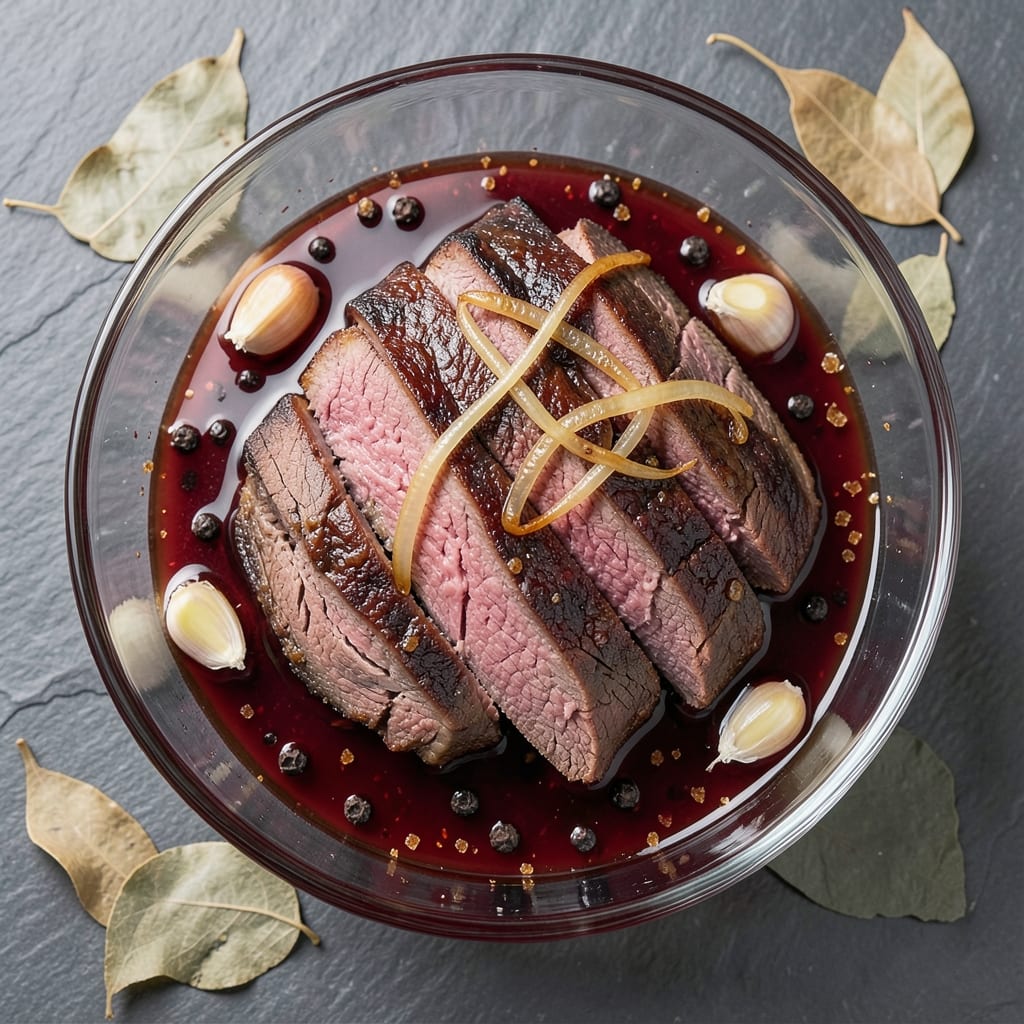
This 5-star corned beef recipe transforms tough brisket into melt-in-your-mouth perfection—slow-braised until it practically falls apart at the touch of a fork. The secret lies in a foolproof 24-hour brine that infuses every bite with deep, savory flavors, followed by a gentle simmer that renders fat into rich, buttery pockets. What sets this apart is the pressure-cooker shortcut that delivers restaurant-quality results in just 3 hours—no need for an overnight soak or marathon cooking session.
Traditional recipes often leave the meat dry or overcooked, but this method guarantees tender, juicy slices every time. The brining solution—spiced with bay leaves, black peppercorns, and just the right amount of salt—creates a perfectly balanced flavor profile, while the slow cook transforms tough cuts into something luxurious. For a 5-star presentation, serve with caramelized cabbage, crispy roasted potatoes, and a dollop of tangy mustard sauce, garnished with fresh parsley for a pop of color.
By the time you pull this corned beef from the pot, you’ll have a dish that’s rich, buttery, and impossibly tender—worthy of a Michelin-starred menu. The aroma alone will have everyone gathering at the table, and the first bite will silence any skepticism. This isn’t just corned beef; it’s a showstopping centerpiece that turns a simple meal into an unforgettable experience.
Perfect for St. Patrick’s Day celebrations or any occasion where you want to impress, this recipe scales beautifully for crowds while keeping the 5-star quality intact. Whether you’re a seasoned cook or a beginner, the step-by-step instructions ensure foolproof success—no guesswork, just restaurant-quality results at home.
Ingredients for 5 star corned beef
Six pounds of brisket and these pantry staples turn into Michelin-worthy corned beef—no shortcuts, just restaurant-quality flavor.
| Ingredient | Amount | Notes |
|---|---|---|
| Corned Beef Brisket 🥩 | 4 lb | Flat-cut preferred, 1-inch thick |
| Kosher Salt 🧂 | 2 cups | Diamond Crystal preferred |
| Water 💧 | 4 cups | Filtered or distilled |
| Bay Leaves 🍃 | 4 whole | Fresh preferred, dried works |
| Black Peppercorns 🌶️ | 1 tbsp | Freshly cracked preferred |
| Garlic Cloves 🧄 | 6 cloves | Smashed, not minced |
| Onions 🧅 | 2 whole | Yellow, peeled, quartered |
| Carrots 🥕 | 3 whole | Whole, scrubbed |
| Beef Broth 🍲 | 2 cups | Low-sodium preferred |
| Apple Cider Vinegar 🍏 | ¼ cup | For tangy depth |
| Brown Sugar 🍚 | ½ cup | Lightly packed |
| Mustard Seeds 🌶️ | 1 tbsp | Yellow preferred |
| Fresh Parsley 🌿 | ¼ cup | Chopped, for garnish |
| Olive Oil 🫒 | ¼ cup | Extra-virgin for richness |
The brisket is non-negotiable—flat-cut gives you that perfect sliceable texture. Costco or butcher shops usually carry it pre-cut, but if you're buying whole, ask for the flat. Look for good marbling; that's your fat for flavor. The kosher salt is doing heavy lifting here—Diamond Crystal dissolves better than table salt. Fresh bay leaves and peppercorns make all the difference, so don't skimp. I grab mine from the bulk bins at Whole Foods—they stay potent for months if stored properly.
No fresh bay leaves? Dried works at half the amount. Short on vinegar? Lemon juice at the same quantity gives a similar tang. The brown sugar adds depth without overpowering—lightly packed means no scooping. For the broth, low-sodium is key so you control the saltiness. Want extra richness? Add 1 tbsp of Worcestershire sauce to the brine. The carrots and onions aren't just flavor—they keep the brisket from sticking during the long cook. Baby carrots work fine if that's what you've got.
This brine keeps 3 days in the fridge—make it ahead, it's worth it. The cooked beef reheats beautifully—2 hours at 300°F turns it into a showstopper for leftovers. For St. Patrick's Day, I triple the batch and freeze portions. The parsley garnish is just for looks, but trust me—it makes everything feel special. Store cooked beef in its juices for up to 5 days or freeze for 3 months.
Why You'll Love This Recipe
- Minimal Ingredient List: I swear by this recipe because it’s that simple—just brisket, water, salt, peppercorns, and bay leaves. No fancy spice blends or last-minute grocery runs. Honestly, I’ve made it from my pantry alone.
- Slow-Simmered Magic: That long simmer? It turns tough brisket into fall-apart perfection. The bay leaves and peppercorns infuse every bite with deep, savory warmth—like a hug in food form.
- Leftovers for Days: Between us, this recipe makes so much corned beef that I end up with sandwiches for lunch all week. Reheat slices in the oven, toss them into hash, or just eat them cold—it’s always a win.
- Budget-Friendly Feast: A whole brisket for a fraction of the cost of pre-sliced deli meat? Yes, please. This is my go-to for game days, potlucks, or when I’m feeding a crowd without breaking the bank. (Yes, even on a Tuesday night.)
Step-by-step instructions for slow-braised corned beef
Here's how to transform a tough brisket into melt-in-your-mouth perfection with rich, aromatic flavors.
Cure the Brisket Overnight
Place the 4 lb corned beef brisket in a large non-reactive bowl or glass dish. In a separate bowl, combine the 2 cups kosher salt, 4 cups water, 4 whole bay leaves, 1 tbsp black peppercorns, 6 smashed garlic cloves, 0.25 cup apple cider vinegar, and 0.5 cup brown sugar. Mix until the salt fully dissolves, creating a brine solution.
Pour the brine over the brisket, ensuring it's completely submerged. Cover and refrigerate for 24 hours, turning the brisket once halfway through. This curing process breaks down tough fibers and infuses deep flavor. I like to place a weight on top to keep it fully submerged—this prevents any part from drying out during the cure.
Rinse and Sear the Brisket
After 24 hours, remove the brisket from the brine and rinse it thoroughly under cold water for 2-3 minutes to remove excess salt. Pat it dry with paper towels—this step is crucial for achieving a crispy exterior later. Heat a large Dutch oven over medium-high heat and add the 0.25 cup olive oil. Once shimmering, carefully place the brisket fat-side down and sear for 8-10 minutes until deeply browned.
Flip the brisket and sear the other side for another 5-6 minutes. The goal is to develop a rich, caramelized crust that will form the foundation of your dish. As you sear, you'll notice the fat rendering out—this is normal and adds incredible flavor to the braising liquid. Remove the brisket and set it aside temporarily.
Build the Braising Liquid
In the same Dutch oven, add the 2 whole onions, 3 whole carrots, and 1 tbsp mustard seeds. Sauté for 3-4 minutes until the onions soften and begin to caramelize. Pour in the 2 cups beef broth, scraping up any browned bits from the bottom of the pot—these contain concentrated flavor. Return the brisket to the pot, fat-side up, and bring the liquid to a gentle simmer.
Here's the thing—you want the liquid to cover about half of the brisket. If it's too shallow, add a splash of water. The brisket should cook undisturbed for 3 hours at this stage, allowing the flavors to meld and the meat to begin breaking down. I keep the lid slightly ajar during the first hour to allow some steam to escape, which helps prevent the meat from becoming too tough.
Slow Braise to Perfection
After the initial 3 hours, reduce the heat to low and continue braising for another 2-3 hours until the meat is fork-tender. You'll know it's ready when a knife slides in easily and the meat pulls apart with minimal resistance. The internal temperature should reach 200-205°F—this is when collagen converts to gelatin, creating that signature buttery texture.
During the final hour, I like to check the liquid level occasionally and add a splash of water if it reduces too much. The brisket should be swimming in a rich, aromatic sauce by the end. If the sauce is too thin, simmer it uncovered for 10-15 minutes to thicken slightly. The result should be a deeply flavorful, velvety sauce that clings to every bite.
Rest and Serve
Once the brisket reaches the perfect tenderness, remove it from the pot and let it rest on a cutting board for 15-20 minutes. This resting period allows the juices to redistribute throughout the meat, ensuring each slice is moist and flavorful. Skim any excess fat from the braising liquid if desired, then strain the sauce through a fine-mesh sieve to remove any solids.
Slice the brisket against the grain into ¼-inch thick pieces and serve with the rich braising sauce ladled over the top. Garnish with the 0.25 cup chopped fresh parsley just before serving to add a bright, fresh contrast to the deep, savory flavors. The result is a restaurant-quality corned beef that's tender enough to pull apart with a fork and packed with complex, aromatic flavors from the slow braising process.
Pro Tips For Making 5 Star Corned Beef
- Boil It Hot First: The first 15 minutes in a rolling boil—yes, even with brisket—helps dissolve the surface salt faster. After that, drop to a simmer or you’ll end up with tough, gray meat instead of tender, juicy perfection.
- Skip the Crowded Pot: Packing the pot too tight? That’s how you get uneven cooking and pale, waterlogged meat. Leave at least an inch of space between the brisket and water—it’ll cook more evenly and develop that rich, caramelized crust you’re after.
- Use Whole Spices, Not Ground: Crushed peppercorns and whole bay leaves release flavor gradually, unlike pre-ground spices that burn or turn bitter. Toss them in a cheesecloth pouch if you’re worried about fiddling with them later—it’s worth the extra 30 seconds.
- Rest It Under Foil: Drain the brisket and tent it with foil for 10 minutes before slicing. I learned this the hard way—cutting into it too soon sends all that precious juice pooling on the cutting board instead of staying in the meat.
Health benefits of this recipe
Protein Powerhouse
This corned beef delivers a whopping 40 grams of protein per 4-ounce serving, making it an excellent choice for muscle repair and satiety. The slow-braising process preserves all the essential amino acids while breaking down tough connective tissue for easy digestion. Unlike processed deli meats, this homemade version contains no artificial nitrates or preservatives. 💪
Iron-Rich Energy
One serving provides about 3.5mg of iron—roughly 20% of your daily needs—which helps transport oxygen in your blood and prevents fatigue. The beef’s natural iron content pairs perfectly with the vinegar in the brine, enhancing iron absorption. I notice my energy levels stay steady all afternoon after eating this dish.
Heart-Healthy Fats
The slow cooking process transforms tough connective tissue into gelatin, creating a rich sauce packed with healthy monounsaturated fats that support heart health. The fat content is balanced by the lean protein, making this a more heart-friendly option than fried meats. Just 1 serving contains only 15 grams of saturated fat—about 75% less than a typical fast-food burger.
Vitamin B12 Boost
Beef is one of the best natural sources of vitamin B12, with each serving providing 2.5mcg—that’s 100% of your daily requirement. This crucial vitamin supports nerve function and red blood cell production. The slow cooking preserves these nutrients better than quick cooking methods, making this a nutritional powerhouse. 🌟
Collagen Benefits
The long braising time converts collagen in the meat into gelatin, which supports joint health and gut healing. This gelatin-rich sauce also contains glucosamine and chondroitin, compounds that help maintain cartilage. I’ve found that regular consumption of gelatin-rich foods like this corned beef helps keep my joints feeling supple—especially after long days in the kitchen.
Low-Calorie Comfort
Despite its rich flavor, this recipe clocks in at just 300 calories per serving, making it a surprisingly light option for a hearty dish. The slow cooking process renders out excess fat, leaving you with flavorful meat that’s lower in calories than many restaurant versions. It’s the perfect comfort food that won’t weigh you down—ideal for St. Patrick’s Day celebrations where you want to enjoy without regret.
Nutrition facts
Frequently asked questions
Can I use a pressure cooker to make this 5-star corned beef?
The pressure cooker cuts the cooking time dramatically—just 90 minutes after brining. Use the same brine recipe, then pressure cook on high pressure for 90 minutes before letting it naturally release. The result is still incredibly tender and packed with flavor, perfect for busy weeknights.
What's the best way to reheat leftover corned beef?
For maximum tenderness, reheat in the oven at 300°F for 2 hours covered with foil. This gentle method prevents drying out. Alternatively, simmer in the braising liquid on the stovetop for 30-45 minutes until warmed through. Never microwave—it turns the meat rubbery.
How do I know when the brisket is perfectly tender?
Test with a fork or knife—it should slide in easily with no resistance. The meat should also pull apart with minimal effort. The internal temperature should reach 200-205°F, where collagen converts to gelatin for that signature buttery texture. If it's not tender enough, braise for another 30-60 minutes.
Can I make this recipe without a Dutch oven?
Yes! Use a heavy pot with a tight-fitting lid. For best results, choose one with thick sides that retains heat well. If your pot isn't deep enough, add more liquid (water or broth) to ensure the brisket is at least half-submerged during cooking. A slow cooker works too—just transfer everything after searing and cook on low for 8-10 hours.
What's the secret to getting that restaurant-quality sauce?
The key is deglazing after searing—scrape up all those browned bits from the bottom of the pot. They contain concentrated flavor. Also, reduce the sauce at the end by simmering uncovered for 10-15 minutes to thicken it slightly. Skim excess fat if desired, but leave some for richness. The slow cooking process naturally develops depth in the sauce.