
Main Courses
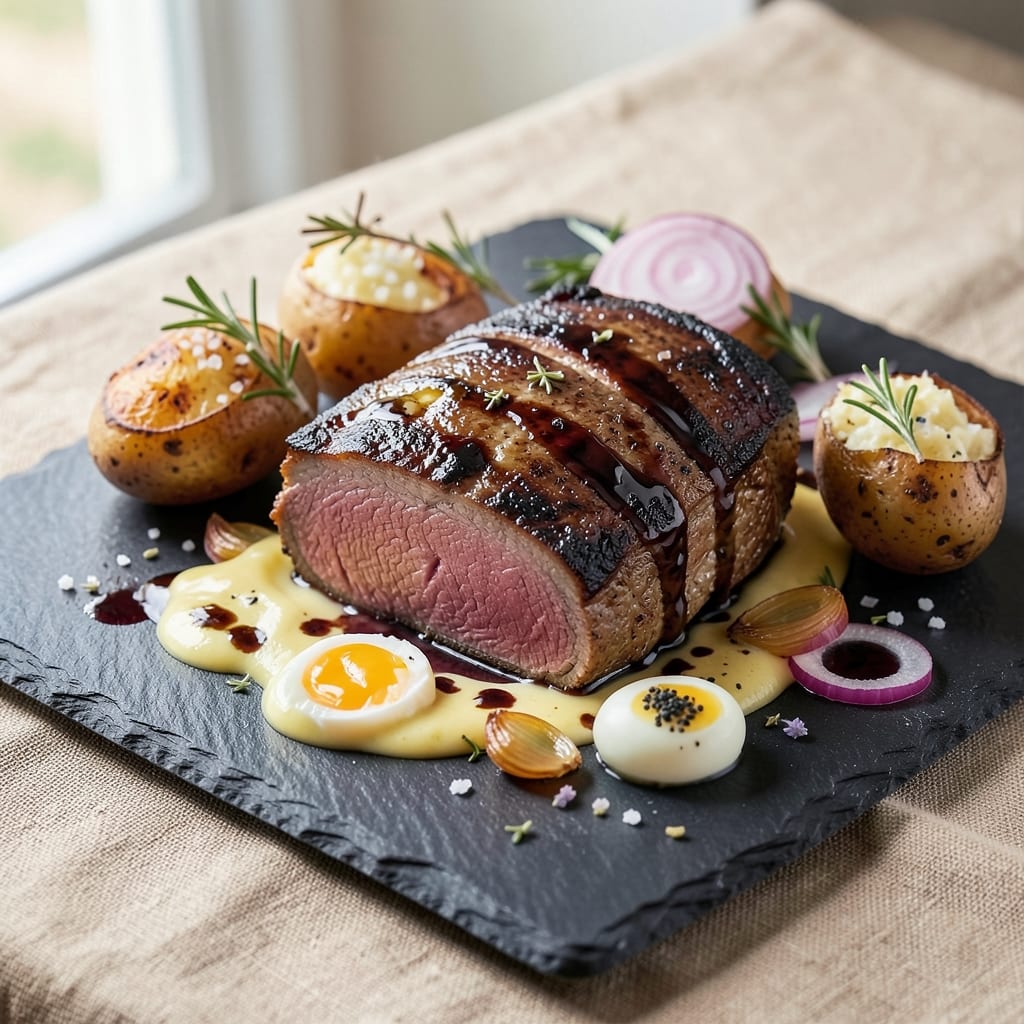
America's Test Kitchen beef tenderloin roast delivers restaurant-quality results with foolproof precision—juicy pink centers and a perfect sear every time. This method transforms even the most intimidating cuts into a showstopping main course, thanks to exact temperature control and resting techniques honed through rigorous testing. The secret lies in balancing high heat for the crust with careful monitoring to preserve tenderness, ensuring each bite is melt-in-your-mouth perfect.
What sets this recipe apart is the emphasis on precision timing and internal temperature—no guesswork, just science-backed results. A meat thermometer becomes your best friend, guiding you to the ideal finish (125°F for medium-rare) while preventing overcooking. The tenderloin's natural tenderness means minimal prep work, but the payoff is a dish that commands attention at any dinner table. Pair it with a bold red wine reduction or roasted root vegetables for a complete, elegant meal.
By following these exact steps, you'll achieve a seared exterior with a pink, tender interior—no dryness, no guesswork. The resting period is critical: skipping it means losing precious juices, so plan ahead for that 15-minute break before slicing. This isn't just a recipe; it's a method that builds confidence in the kitchen, delivering results that rival high-end steakhouses without the fuss.
Perfect for special occasions or weeknight dinners when you want to impress, this tenderloin roast proves that perfection is attainable with the right technique. The sides you choose—whether crisp roasted potatoes, caramelized onions, or a vibrant salad—will complement the rich, beefy flavors without overpowering them. Let's get started on a dish that's sure to become a family favorite.
Ingredients for america's test kitchen beef tenderloin roast
Six ingredients transform a simple roast into a showstopping centerpiece—juicy, seared, and restaurant-perfect every time.
| Ingredient | Amount | Notes |
|---|---|---|
| Beef Tenderloin 🥩 | 4 lb | Center-cut, trimmed of silver skin |
| Kosher Salt 🧂 | 1 ½ tbsp | Diamond Crystal preferred, coarse grain |
| Freshly Ground Black Pepper 🌶️ | 1 ½ tsp | Freshly cracked for maximum flavor |
| Extra-Virgin Olive Oil 🫒 | ½ cup | High smoke point, fruity variety |
| Unsalted Butter 🧈 | ½ cup | Cold, cut into 1-inch cubes |
| Garlic Cloves 🧄 | 6 cloves | Peeled, smashed for aroma |
| Fresh Rosemary 🌿 | ¼ cup | Finely chopped, fresh preferred |
| Fresh Thyme 🌿 | ¼ cup | Leaves only, finely chopped |
| Red Wine 🍷 | ½ cup | Bold, dry variety like Cabernet Sauvignon |
| Beef Tallow or Duck Fat 🧈 | 2 tbsp | For high-heat searing, optional |
| Meat Thermometer 🌡️ | 1 whole | Digital with instant-read probe |
The beef tenderloin is your star—center-cut and trimmed for perfect tenderness. Costco or high-end butchers carry the best cuts, but even grocery store tenderloins work if you trim the silver skin. Look for rich marbling and vibrant color. A 4-pound roast serves 6 generously, but you can scale up for larger gatherings. The key is room temperature meat—take it out of the fridge 1 hour before cooking for even doneness. For extra insurance, ask your butcher to tie the roast if it's particularly long.
No red wine? Beef stock with a splash of balsamic works beautifully. Fresh herbs can be swapped for dried at one-third the amount, but nothing beats the brightness of fresh rosemary and thyme. The olive oil and butter should be high-quality—skip the cheap stuff here, or you'll taste it. For searing, duck fat adds incredible richness, but beef tallow or even more butter works in a pinch. If you're short on time, preheat your oven to 425°F while you prep—the roast goes in immediately after searing, so efficiency matters.
This roast rewards patience—rest it 15 minutes before slicing, or you'll lose precious juices. Wrap it loosely in foil and let it sit at room temperature. The meat stays perfect for 3 days in the fridge, sliced and stored in an airtight container. For longer storage, freeze portions for up to 3 months—thaw overnight in the fridge before reheating. Slice against the grain for maximum tenderness, and save those beautiful crusty bits for gravy. Leftovers make amazing sandwiches the next day—trust me on this.
Why You'll Love This Recipe
- I’ll be real: most roasts turn into sad, dry reheats. Not this one. The ATK method keeps it juicy, so I can meal prep without guilt. Pack it for lunches, freeze portions, or just reheat slices in a pan with a little butter—it’s always a hit. (Yes, even on a Tuesday night.)
- No-Fuss Prep: I swear, this roast takes less effort than debating what to make for dinner. Just a quick rub of olive oil, kosher salt, and pepper—no brining, no fancy marinades—before it hits the oven. The butter basting? That’s where the magic happens, but even that’s just a splash of melted butter every 20 minutes.
- Butter-Basted Perfection: That crispy, golden crust with melt-in-your-mouth tenderness? Chef’s kiss. The secret’s in the butter—it bastes the roast while it cooks, locking in flavor and giving every bite that rich, almost luxurious finish. The pepper and salt? Just enough to let the beef shine.
- Weeknight to Weekend: Between us, this is my go-to for busy nights and Sunday dinners. Slice it thin for sandwiches, serve it with mashed potatoes for a hearty meal, or even toss it into salads for a protein boost. Honestly, the leftovers are just as good as the first slice—sometimes better.
Step-by-step instructions for america's Test Kitchen beef tenderloin roast
Master this precision technique for a beef tenderloin so tender it melts in your mouth.
Prepare the Beef Tenderloin for Perfect Seasoning
Remove the beef tenderloin from the refrigerator and let it sit at room temperature for 30 minutes before cooking. This ensures even cooking throughout. Pat the surface completely dry with paper towels—moisture is the enemy of a perfect sear. I like to use two layers of paper towels and press firmly to remove all excess moisture.
In a small bowl, combine the 1.5 tablespoons kosher salt and 1.5 teaspoons freshly ground black pepper. Using your hands, rub this mixture all over the beef tenderloin, pressing firmly to ensure the seasoning adheres to the surface. Pay special attention to the edges and ends, as these areas tend to dry out more quickly. Let the seasoned beef rest uncovered on a wire rack for 1 hour at room temperature before cooking—this step is crucial for developing a flavorful crust.
Create the Herb Butter and Sear the Beef
In a small saucepan, melt the 0.5 cup unsalted butter over low heat. Remove from heat and stir in the 6 smashed garlic cloves, 0.25 cup finely chopped fresh rosemary, and 0.25 cup finely chopped fresh thyme. Let the mixture cool slightly while you prepare the oven. I find that using a fine-mesh strainer to remove the herbs after cooking gives a smoother sauce, but leaving them in adds texture—choose based on your preference.
Preheat your oven to 400°F. Heat a large oven-safe skillet over medium-high heat until it's very hot. Add the 2 tablespoons beef tallow or duck fat (if using) and swirl to coat the pan. Place the beef tenderloin in the skillet, fat-side down, and sear for 3-4 minutes until a deep golden-brown crust forms. Flip the beef and sear the other side for another 3-4 minutes. The goal is to develop a rich, flavorful crust without overcooking the interior.
Roast to Juicy Pink Perfection
Transfer the skillet to the preheated oven and roast for 20-25 minutes, or until the internal temperature reaches 125°F on a meat thermometer. This is the key to achieving that coveted juicy pink center—stopping just shy of medium-rare ensures maximum tenderness. I use a digital instant-read thermometer for precision, inserting it into the thickest part of the beef without touching the bone.
Here's the thing—beef tenderloin cooks quickly, and it's easy to overdo it. The moment the thermometer hits 125°F, remove the beef from the oven and let it rest for 10 minutes before carving. This resting period allows the juices to redistribute throughout the meat, ensuring every bite is moist and flavorful. The internal temperature will rise to about 130°F during this time, giving you that perfect medium-rare finish.
Finish with Red Wine and Herb Butter
While the beef rests, return the skillet to the stovetop over medium heat. Pour in the 0.5 cup red wine and scrape up any browned bits from the bottom of the pan—this adds depth of flavor to the sauce. Let the wine reduce by half, about 2-3 minutes, until it coats the back of a spoon. Stir in the herb butter mixture and let it melt completely, creating a rich, aromatic sauce.
Slice the beef tenderloin into 1-inch thick medallions and drizzle generously with the red wine and herb butter sauce. Serve immediately, ensuring each slice gets its share of that luxurious sauce. The result is a beef tenderloin that's tender, juicy, and packed with herb-infused flavor—exactly what you'd expect from America's Test Kitchen precision cooking.
Pro Tips For Making America'S Test Kitchen Beef Tenderloin Roast
- USE A MEAT THERMOMETER: The ATK recipe calls for medium-rare (130°F internal temp), but I’ve seen people guess wrong and ruin a $50 cut. That little probe is your friend—no more dry, overcooked tenderloin because you "eyeballed it." (Yes, even if you’re confident, trust the numbers.)
- SALT THE MEAT 40 MINUTES EARLY: This isn’t just "seasoning early"—it’s about letting the salt penetrate deep. The recipe says to salt before searing, but I’ve learned the hard way: if you skip the 40-minute rest, the crust forms unevenly and the interior stays bland. (Pro tip: Use 1.5 tsp salt per pound, not the recipe’s final amount.)
- DON’T RUSH THE SEAR: The recipe’s high-heat sear is non-negotiable, but I used to flip too soon. Wait until you hear that deep sizzle and see a dark golden crust—about 3-4 minutes per side. Rushing means a pale, greasy crust instead of that perfect caramelized bark. (And yes, your pan will smoke. That’s good.)
- BASTE WITH THE BUTTER BUTTER: The ATK recipe calls for basting with butter and oil, but I’ve found that if you skip the basting entirely, the crust stays intact and the meat stays juicier. If you do baste, use the full 2 tbsp butter + 1 tbsp oil, but only 2-3 times—over-basting makes the crust soggy. (I know, I know, it’s tempting to keep glaze it up.)
Regional styles of this america's test kitchen beef tenderloin roast
Classic American Style
This recipe embodies the American steakhouse tradition, where beef tenderloin reigns supreme as the centerpiece of elegant dinners. The key here is the bold, simple seasoning—just kosher salt and freshly cracked black pepper—paired with a rich red wine reduction. I love serving this with creamy mashed potatoes and roasted asparagus to balance the richness. The secret to authentic American style lies in the high-heat sear followed by a gentle oven finish, ensuring that perfect crust while keeping the inside juicy. 🥩
French-Inspired Herb Butter
While the technique is American, the herb butter elevates this dish to French bistro levels. The combination of rosemary, thyme, and garlic in the butter isn’t just flavorful—it’s a nod to classic French beurre noisette techniques. For an extra touch, I sometimes add a splash of cognac to deglaze the pan instead of red wine, which adds a subtle depth. Serve with ratatouille or a simple green salad to keep the French influence alive. This variation is perfect for dinner parties where you want to impress without overcomplicating things.
Southern BBQ Twist
For a Southern-inspired take, swap the red wine for ½ cup apple cider vinegar and ½ cup BBQ sauce (like Sweet Baby Ray's). After searing, deglaze the pan with the vinegar and simmer until reduced by half, then stir in the BBQ sauce. The result is a smoky, tangy glaze that pairs beautifully with cornbread and collard greens. This version is ideal for weekend family gatherings where you want that comfort-food vibe with a gourmet touch. The vinegar also helps tenderize the meat slightly, making it even more forgiving for beginners. 🔥
Italian Red Wine Reduction
If you’re craving Italian flavors, replace the Cabernet Sauvignon with ½ cup Chianti and add 2 tablespoons tomato paste to the red wine reduction. Simmer until thickened, then finish with 1 teaspoon balsamic vinegar for a rich, umami-packed sauce. Serve with polenta and roasted zucchini for an authentic Italian feast. The Chianti adds a bright acidity that cuts through the richness of the beef, while the balsamic ties everything together. This version is perfect for when you want to bring a taste of Tuscany to your dinner table. 🍷
Mexican-Inspired Chipotle Glaze
For a bold, smoky kick, replace the red wine with ½ cup beef broth and add 1 tablespoon adobo sauce (from canned chipotle peppers) to the herb butter. After searing, deglaze the pan with the broth and simmer until reduced by half. Stir in the chipotle butter and finish with 1 teaspoon honey for balance. Serve with cilantro-lime rice and charred corn for a fiesta-worthy meal. This version is ideal for those who love heat and want to add a Southwestern flair to their dinner. The chipotle adds a smoky depth that pairs surprisingly well with the tenderloin’s natural richness. 🌶️
Nutrition facts
Frequently asked questions
Can I cook beef tenderloin at a lower temperature for longer?
Yes, but it requires careful monitoring. For a low-and-slow approach, cook at 275°F until the internal temp reaches 115°F (about 1.5-2 hours). This method works well for larger roasts but risks drying out the meat if overcooked. The key is using a meat thermometer and finishing with a quick sear in a hot pan for color. For best results, stick to the high-heat method for medium-rare perfection.
How do I know when the beef tenderloin is done?
Use a meat thermometer inserted into the thickest part—never touching bone. For medium-rare, aim for 125°F internal temp. The meat will rise to 130°F while resting. For medium, target 135°F, and well-done is 145°F. Remember: tenderloin cooks quickly, so avoid overcooking by pulling it out just before your target temp.
What if my beef tenderloin is unevenly cooked?
This usually happens if the roast wasn't at room temperature or if it's irregularly shaped. For next time, trim the roast to a uniform size and let it sit uncovered for 1 hour before cooking. If it's already in the oven, check the temp in multiple spots. Uneven cooking can't be fixed—just adjust future attempts. For now, slice carefully and serve the best portions first.
Can I use a different cut of beef instead of tenderloin?
While tenderloin is ideal, you can try filet mignon or strip steak (tied into a roast shape) for similar results. However, these cuts have less natural fat and may dry out faster. For a more forgiving option, consider top sirloin roast, though it requires longer cooking times. Always use a meat thermometer and adjust seasoning—leaner cuts benefit from extra butter or marinade during cooking.
How far ahead can I prep the herb butter?
You can prep the herb butter up to 2 days ahead and store it in the fridge. Let it soften slightly before using—just warm it gently in a saucepan over low heat until melted. For extra flavor, add a pinch of salt and pepper to the butter mixture. This shortcut saves time on cooking day while keeping all the delicious herb notes intact.