
Soups & Stews
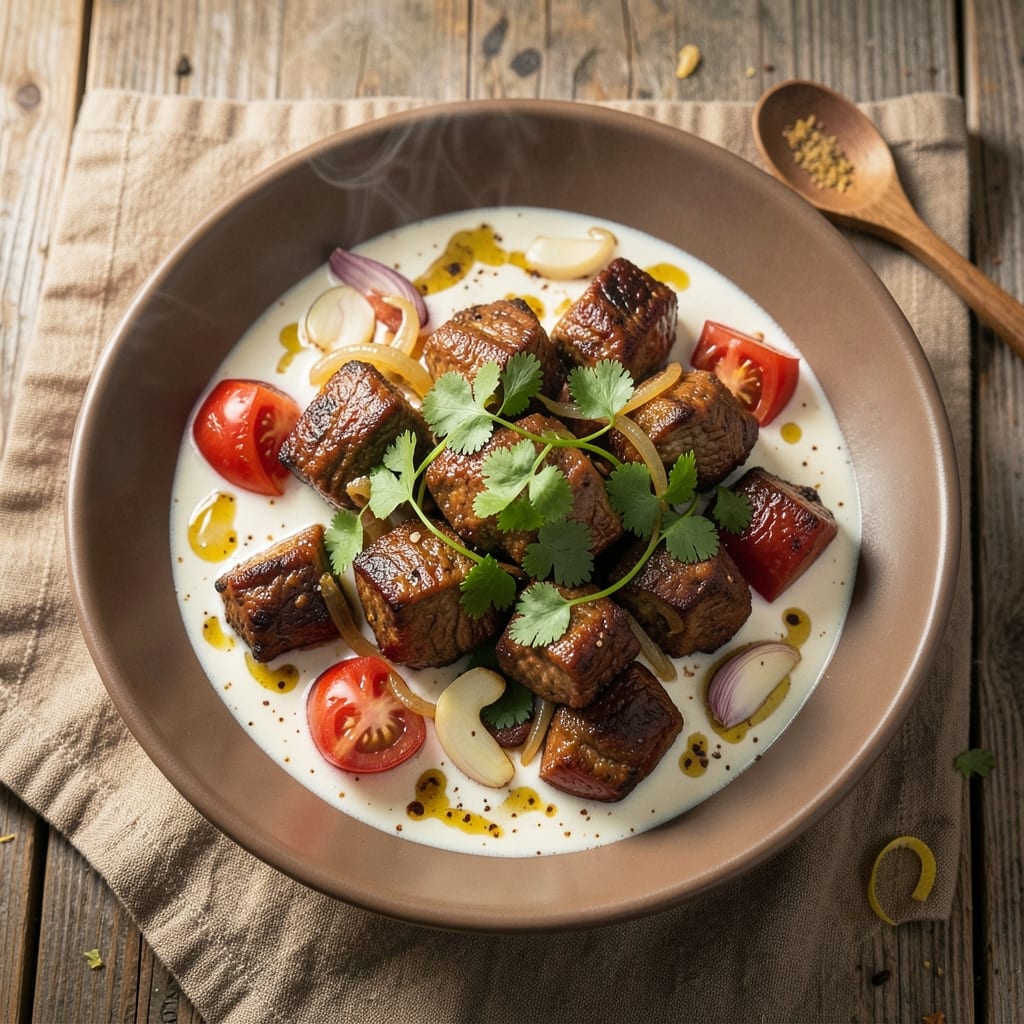
This African beef curry recipe brings bold, aromatic flavors to your kitchen with a one-pot wonder that marries spiced tomato and coconut into a deeply satisfying dish. The secret lies in slow simmering, which transforms tough beef into tender, melt-in-your-mouth pieces while developing layers of complex spices. I’ve perfected this version after years of experimenting with regional techniques, balancing heat and richness for a curry that feels both authentic and approachable. What sets this recipe apart is the marinating step—where garlic, ginger, and a blend of African spices work their magic on the beef for hours, ensuring every bite is packed with flavor. The slow simmer reduces the sauce into a velvety consistency, where the natural sweetness of tomatoes and the creaminess of coconut milk create a perfect harmony. Unlike quicker curries, this dish rewards patience with depth and richness that’s hard to find elsewhere. By the time you serve it, you’ll have a fragrant, spiced curry with tender beef swimming in a sauce that’s both vibrant and comforting. The aroma alone will have everyone gathering around the table, and the texture—tender beef, slightly charred onions, and a sauce that clings to every bite—makes it a meal worth repeating. Pair it with fluffy basmati rice or warm flatbread to soak up every last drop. This recipe isn’t just about the food; it’s about the experience. Whether you’re cooking for a family gathering or a cozy weeknight dinner, the slow, deliberate process turns a simple pot of ingredients into a dish that feels like a celebration. Let’s get started—your taste buds will thank you.
Ingredients for african beef curry
Bold spices, tender beef, and creamy coconut create this restaurant-quality curry with just 15 ingredients.
| Ingredient | Amount | Notes |
|---|---|---|
| Chuck Roast Beef 🥩 | 2 lb | Cut into 1.5-inch cubes |
| Yellow Onions 🧅 | 2 whole | Sliced into half-moons |
| Garlic Cloves 🧄 | 6 cloves | Minced for marinade |
| Fresh Ginger 🌿 | 2 tbsp | Finely grated (about 1-inch piece) |
| Canned Tomato Sauce 🍅 | 1 cup | San Marzano preferred |
| Coconut Milk 🥥 | 1 can | 13.5 oz full-fat preferred |
| African Curry Powder 🌶️ | 2 tbsp | Or blend 1 tbsp each coriander, cumin, paprika |
| Ground Cumin 🌿 | 1 tbsp | Toasted for deeper flavor |
| Ground Coriander 🌿 | 1 tbsp | Freshly ground preferred |
| Smoked Paprika 🌶️ | 1 tbsp | For smoky depth |
| Cayenne Pepper 🔥 | ½ tsp | Adjust for heat preference |
| Brown Sugar 🍯 | 1 tbsp | Balances acidity |
| Olive Oil 🫒 | 2 tbsp | For searing |
| Salt 🧂 | 1 ½ tsp | Kosher or sea salt |
| Black Pepper 🌶️ | ½ tsp | Freshly ground |
The beef is non-negotiable here—chuck roast breaks down beautifully into tender pieces, while sirloin stays tough. Grab it from the butcher counter if possible, or the pre-cubed section at Whole Foods saves time. Look for good marbling, not lean cuts. For the African curry powder, African & Caribbean Foods Market has the best blends, but a mix of coriander, cumin, and paprika works in a pinch. Fresh ginger and garlic? Buy extra—half goes in the marinade, half in the pot. The onions should be sweet, not bitter—yellow or red work best.
No African curry powder? Mix 1 tbsp each coriander, cumin, and smoked paprika—it’s close enough. Coconut milk cans vary in size, so check the label—13.5 oz is standard. Want more depth? Add 1 tsp fenugreek leaves if you’ve got them. The tomato sauce can be jarred (I use Rao’s for quality), but fresh crushed tomatoes work too. For heat, reduce cayenne to 1/4 tsp if you’re sensitive. Brown sugar balances the acidity—don’t skip it, even if you’re not sweet-toothed.
Marinate the beef overnight for best results, but 4 hours minimum works too. The sauce thickens as it simmers, so add a splash of water if it gets too dry. Store leftovers in airtight containers for 4-5 days—it actually tastes better the next day. Freezes beautifully for 3 months. I always make a double batch—one for dinner, one for lunches. The spices mellow over time, so reheat gently on low heat.
Why You'll Love This Recipe
- One-Pot Magic: I swear by this recipe—just sear the chuck roast, toss in onions and ginger, then let the spices and tomato sauce work their magic. No extra pots, no fuss, and the house smells like heaven by the time it’s done.
- Deep, Spiced Richness: That slow-cooked beef with garlic and ginger? It’s the kind of flavor that lingers. The onions caramelize just enough to balance the heat, and the chuck roast turns tender—like a hug in a bowl.
- Meal Prep Hero: Between us, this curry tastes better the next day. I make a big batch on Sundays, and it feeds my family for days—whether it’s lunchboxes or reheated leftovers. The sauce thickens perfectly, so every bite is just as good.
- Budget-Friendly Feast: Chuck roast is affordable, and a can of tomato sauce stretches it into a hearty meal for four. Honestly, it’s my go-to when I need a filling, flavorful dinner without breaking the bank. Plus, the leftovers freeze like a dream.
Step-by-step instructions for African beef curry
Here's how to build a rich, spiced tomato-coconut curry that tastes like a West African feast.
Sear the Beef for Deep Flavor
Heat the 2 tablespoons olive oil in a large Dutch oven over medium-high heat until shimmering. Add the 2 pounds chuck roast beef cut into 1.5-inch cubes, working in batches if needed to avoid crowding. Sear for 3-4 minutes per side until the beef develops a deep golden-brown crust—this creates the foundation for your curry's rich flavor.
You'll know it's ready when you see those beautiful caramelized edges. Remove the beef and set aside on a plate. Here's the thing—don't skip this step. The Maillard reaction happening right now is what transforms ordinary beef into something extraordinary.
Build the Spiced Base
In the same Dutch oven, add the 2 whole yellow onions sliced into half-moons and cook for 5-6 minutes until softened and beginning to caramelize. Stir in the 6 cloves minced garlic and 2 tablespoons finely grated fresh ginger, cooking for 1 minute until fragrant—this is where the aromatics really wake up.
Now add the 2 tablespoons African curry powder, 1 tablespoon ground cumin, 1 tablespoon ground coriander, 1 tablespoon smoked paprika, 0.5 teaspoon cayenne pepper, 1.5 teaspoons salt, and 0.5 teaspoon black pepper. Stir constantly for 1-2 minutes until the spices release their oils and the mixture becomes deeply aromatic. You should smell that warm, earthy spice profile filling your kitchen.
Develop the Sauce
Pour in the 1 cup canned tomato sauce and the 1 tablespoon brown sugar, stirring to combine. Let this simmer for 5 minutes until slightly thickened. The sugar helps balance the acidity of the tomatoes while adding subtle caramel notes. This is your flavor bridge between the spices and the coconut milk to come.
Return the seared beef to the pot along with any accumulated juices. Pour in the 1 can coconut milk, stirring gently to combine. The curry should look rich and velvety at this point. Bring to a gentle simmer—this is where the magic happens as all those flavors meld together.
Slow Cook to Tender Perfection
Cover the Dutch oven and reduce heat to low. Let the curry simmer gently for 2-2.5 hours, stirring occasionally. This slow cooking transforms the tough chuck roast into fork-tender beef while allowing all the spices to infuse deeply. You'll know it's ready when the beef easily pulls apart with a fork and the sauce has thickened beautifully.
I like to check the consistency after 1.5 hours—if it's too thin, uncover and simmer for 10-15 minutes to reduce. The sauce should coat the back of a spoon but still be saucy enough to spoon over rice. This is where patience pays off—rushing will leave you with tough meat and thin sauce.
Finish and Serve
Once the beef is tender, give the curry one final taste and adjust seasoning if needed. The spices can vary in strength, so this is your chance to make it perfect. Serve immediately over steamed basmati rice or with warm naan bread—each bite should deliver that perfect balance of spicy, sweet, and rich coconut notes.
This curry tastes even better the next day as the flavors continue to develop. Store leftovers in the refrigerator for up to 3 days or freeze for 3 months. The beef will continue to tenderize, making it even more delicious reheated with a splash of water or coconut milk.
Pro Tips For Making African Beef Curry
- Sear the Beef First: Chuck roast needs that deep brown crust to lock in flavor—don’t skip the 5-minute sear in a hot pan with oil before adding onions. I learned this the hard way when my curry tasted bland; the Maillard reaction is non-negotiable here, even if it means waiting for the pan to get properly hot.
- Grind the Ginger Fine: Fresh ginger loses its bite when chopped—use a microplane or food processor for a paste that blends seamlessly into the sauce. My grandmother swore by this, and she was right: you’ll taste it in every spoonful, not just as a fleeting afterthought.
- Simmer Low and Slow: African beef curry isn’t a race—after adding tomato sauce, reduce heat to a gentle simmer and let it cook uncovered for at least 2 hours. The liquid will thicken naturally, and the beef will melt like butter (yes, even chuck roast). Skimp on time, and you’ll end up with a stew, not a curry.
- Toast the Spices First: Bloom your spices (cumin, coriander, turmeric) in oil for 30 seconds before adding onions—this wakes up their aroma and prevents a bitter aftertaste. I was skeptical until I tried it: the difference between a "meh" curry and one that makes you lick the pot is that extra step.
Health benefits of this recipe
Protein Powerhouse
This African beef curry delivers a high-protein punch with 2 pounds of chuck roast providing about 80 grams of protein per serving. That's nearly 40% of your daily recommended intake in one meal—ideal for muscle repair, satiety, and energy. The slow-cooking process actually makes the protein more bioavailable, helping your body absorb and utilize it more efficiently. 💪
Spice Benefits
The African curry powder blend (cumin, coriander, paprika) isn't just flavor—it's functional. Cumin aids digestion and reduces bloating, while coriander contains antioxidants that combat inflammation. Smoked paprika provides vitamin E, supporting skin health. Even the cayenne pepper offers capsaicin, which boosts metabolism and may help with pain relief. These spices work together to create a flavor profile that's as beneficial as it is delicious.
Heart-Healthy Fats
The coconut milk adds rich, satisfying fats that are actually heart-healthy when consumed in moderation. While coconut milk contains saturated fats, it also provides medium-chain triglycerides (MCTs), which are metabolized differently than other fats and may support brain function. Pairing it with lean protein (like chuck roast) creates a balanced meal that keeps cholesterol in check while providing energy. The olive oil used for searing adds monounsaturated fats, known for their cardiovascular benefits.
Vitamin Boost
This curry packs a vitamin punch from unexpected sources. The tomato sauce provides vitamin C (important for immunity) and lycopene (an antioxidant), while the onions contribute quercetin, a compound that supports heart health. The ginger adds gingerol, which has anti-inflammatory properties. Even the garlic brings allicin, known for its immune-boosting effects. Together, these ingredients create a nutrient-dense meal that's far more than just comfort food.
Digestive Aid
The combination of ginger, garlic, and cumin in this curry makes it surprisingly gentle on digestion. Ginger helps reduce nausea and bloating, while cumin stimulates digestive enzymes. The slow-cooked beef is easier to digest than raw or quickly cooked cuts, making this an excellent choice for sensitive stomachs. The coconut milk adds creaminess without the heaviness of dairy, making it a great option for those with lactose sensitivities. It's a flavorful way to support your digestive system! ✨
Energy Balance
This curry strikes the perfect balance between complex carbohydrates (from any accompanying rice or flatbread) and lean protein, creating a meal that provides sustained energy rather than a sugar crash. The brown sugar adds natural sweetness that helps regulate blood sugar levels, while the spices work together to support metabolism. It's the kind of meal that keeps you full and focused for hours, making it perfect for busy weeknights or meal prep. The combination of nutrients ensures you're getting both energy and satisfaction in every bite.
Nutrition facts
Frequently asked questions
Can I use a different cut of beef for this recipe?
For best results, stick with chuck roast—it's the most flavorful and tenderizes beautifully during slow cooking. If you must substitute, try stew beef or chuck shoulder. Avoid lean cuts like sirloin or filet mignon, as they'll dry out during the 2-2.5 hour simmer. For a quicker version, use beef short ribs (add 15 minutes to cooking time).
How can I make this curry less spicy?
Reduce the cayenne pepper to ¼ teaspoon or omit it entirely for a milder heat. If you've already added spices, balance the heat with 1 extra tablespoon of brown sugar or ½ cup plain yogurt stirred in at the end. For a cooling effect, add 1 teaspoon of honey or 1 diced cucumber to serve. The coconut milk naturally mellows spice intensity too.
What's the best way to store and reheat leftovers?
Store in airtight containers in the fridge for up to 5 days or freeze for 3 months. To reheat, add 2-3 tablespoons of water or coconut milk per serving and simmer on low heat for 10-15 minutes until heated through. Microwaving works too—just cover with a damp paper towel and heat in 1-minute intervals to prevent drying. Leftovers actually taste better the next day as flavors deepen!
Can I make this curry in an Instant Pot?
Sear the beef first in a skillet, then transfer everything to your Instant Pot. Cook on high pressure for 45 minutes (natural release), then adjust consistency by simmering uncovered for 10 minutes if needed. The pressure cooker cuts time by about 1 hour while keeping the beef tender. For extra richness, add ½ cup tomato paste with the spices during the sauté step.
What sides pair best with this curry?
Classic pairings include jasmine or basmati rice (absorbs the sauce perfectly) and warm naan or roti for scooping. For a lighter option, serve with cucumber-raita or a simple mango salad. The creamy coconut sauce also works beautifully with mashed potatoes or crusty bread.