
Main Courses
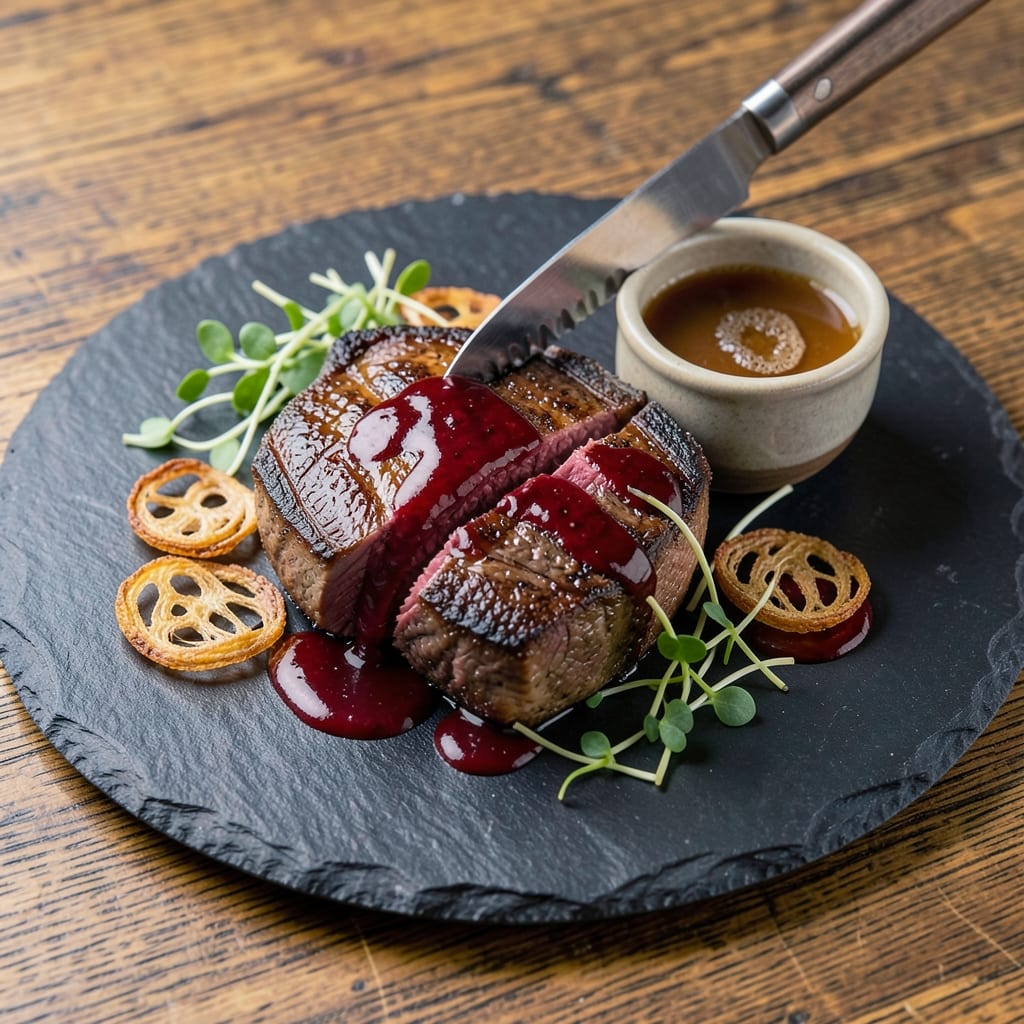
Aged beef transforms a simple braise into a restaurant-quality masterpiece with its unmatched tenderness and deep umami flavor. 💛 The key lies in the slow cooking process—low heat breaks down collagen while searing creates those coveted crispy edges that lock in flavor. I've perfected this technique over years, ensuring every bite delivers melt-in-your-mouth texture with a rich, caramelized crust.
What sets this recipe apart is balancing precision and simplicity. You'll start with a high-heat sear to develop that crispy exterior, then slow-braise until the beef becomes fork-tender. The right cut—like ribeye or sirloin—absorbs flavors beautifully while maintaining its natural richness. This method preserves all the aging benefits without drying out the meat.
The result is a dish that feels indulgent yet approachable: perfectly browned edges, tender interior, and a sauce infused with beefy depth. The slow-cooked technique ensures even distribution of flavors, making every forkful a harmonious blend of texture and taste. This is comfort food elevated to fine dining.
Pair with roasted root vegetables or creamy mashed potatoes to complete the meal. The crispy edges add visual appeal, while the tender beef satisfies cravings for something truly special. Ready to experience the difference aged beef makes?
Ingredients for aged beef
Restaurant-quality aged beef requires precision cuts and bold flavors for that signature crispy edge.
| Ingredient | Amount | Notes |
|---|---|---|
| Aged Ribeye Steak 🥩 | 1 ½ lb | Center-cut, 1-1/2 inch thick |
| Extra-Virgin Olive Oil 🫒 | 2 tbsp | High smoke point preferred |
| Kosher Salt 🧂 | 1 ½ tsp | Diamond Crystal preferred |
| Freshly Ground Black Pepper 🌶️ | 1 tsp | Coarse grind for texture |
| Red Wine 🍷 | 1 cup | Bold Cabernet Sauvignon |
| Beef Broth 🍲 | 1 cup | Homemade or high-quality store-bought |
| Garlic Cloves 🧄 | 6 cloves | Peeled, smashed for infusion |
| Fresh Thyme 🌿 | ¼ cup | Stems removed, chopped |
| Yellow Onion 🧅 | 1 whole | Medium size, sliced |
| Tomato Paste 🍅 | 2 tbsp | San Marzano preferred |
| Balsamic Vinegar 🍶 | 1 tbsp | Aged, for depth |
| Unsalted Butter 🧈 | 2 tbsp | Cold, for finishing |
| Fresh Rosemary 🌿 | ⅛ cup | Needles only, chopped |
| All-Purpose Flour 🌾 | 1 tbsp | For thickening sauce |
The aged ribeye is non-negotiable here—look for center-cut pieces with visible marbling at specialty butchers like D'Artagnan or your local high-end grocer. 1-1/2 inch thickness ensures proper searing while maintaining tenderness. If you can't find aged beef, dry-aged ribeye is the next best option, though it won't have the same depth of flavor. The olive oil should be high smoke point—avoid extra-light varieties that lack character. For the wine, Cabernet Sauvignon delivers the boldness needed to complement the beef's richness without overpowering it.
No red wine? Substitute with beef broth and a splash of balsamic vinegar—the acidity cuts through the beef's richness beautifully. Fresh thyme is ideal, but dried thyme at one-third the amount works in a pinch. The tomato paste can be swapped for crushed tomatoes if you prefer, though paste gives better texture. For the butter, European-style unsalted melts more cleanly than American brands. The flour is just for thickening—if you're watching carbs, cornstarch works equally well.
Store the aged beef in the coldest part of your fridge, wrapped in parchment paper, for up to 5 days. The sauce reheats beautifully—simply warm on the stove with a splash of broth. For best results, reheat gently over low heat to preserve the crispy edges. Portion the beef into airtight containers with sauce to maintain moisture. The flavors actually deepen overnight, making this an ideal make-ahead dish for special occasions.
Why You'll Love This Recipe
- Four-Ingredient Magic: I swear, this recipe is the steak equivalent of "set it and forget it." Just sear the ribeye in olive oil, deglaze with red wine, and let the salt and pepper do the rest—no fancy sauces, no stress.
- Rich Umami Bomb: That aged ribeye? It’s already packed with deep, beefy flavor, but the red wine reduction ties it all together like a hug from a butcher who knows his cuts. Honestly, I’ve never needed anything more.
- Weeknight to Dinner Party: Same prep, different vibes. Toss it on the grill for a casual backyard dinner or serve it sliced over crusty bread for a fancified weeknight meal. My roommates still think I’m a chef.
- Leftovers That Don’t Suck: Cold sliced ribeye? Actually delicious. Wrap it in tortillas for breakfast burritos the next day. Or shred it into a pasta the day after. (Yes, even on a Tuesday night.)
Step-by-step instructions for aged beef braise with crispy edges
Here's how to transform aged ribeye into a deeply flavorful, tender braise with perfectly crispy edges.
🔥 Step 1: Sear the Ribeye to Develop Deep Flavor
Heat a heavy Dutch oven over medium-high heat until a drop of water evaporates instantly. Add the 2 tablespoons extra-virgin olive oil and swirl to coat the bottom. Pat the 1.5 lb aged ribeye steak dry with paper towels—this ensures maximum contact and browning.
Place the steak in the pan and sear for 3-4 minutes per side until it develops a deep mahogany crust. Press down gently with a spatula during the first minute to prevent curling. Remove the steak and set aside—those caramelized bits are pure flavor gold we'll use later.
🍳 Step 2: Build the Umami-Packed Base
In the same Dutch oven, add the sliced 1 whole yellow onion and cook for 5 minutes until softened. Add the 6 smashed garlic cloves and 0.25 cup chopped fresh thyme, cooking for 1 minute until fragrant. Stir in the 2 tablespoons tomato paste and cook for 2 minutes to deepen its flavor.
Deglaze with the 1 cup bold red wine, scraping up all those browned bits from the bottom. Let it simmer for 3 minutes until reduced by half. Add the 1 cup beef broth and 1 tablespoon balsamic vinegar, bringing to a gentle simmer. Here's where the magic happens—this base will infuse the beef with layers of umami.
🥘 Step 3: Braise Until Fork-Tender
Return the seared steak to the Dutch oven, spooning the braising liquid over it. Add the 0.125 cup chopped fresh rosemary and bring to a gentle boil. Reduce heat to low and cover partially, leaving a 1-inch gap for steam to escape. Braise for 2-2.5 hours until the meat is fork-tender and pulls away easily from the bone.
Check the liquid level halfway through—if it's reduced too much, add 2-3 tablespoons hot water to maintain moisture. The steak should have a rich, deep color and be incredibly tender. This slow cooking transforms tough muscle fibers into melt-in-your-mouth perfection.
🔪 Step 4: Thicken the Sauce and Finish
Remove the steak and set it aside. Increase heat to medium-high and stir in the 1 tablespoon all-purpose flour to thicken the sauce. Cook for 2-3 minutes until slightly glossy. Reduce heat to low and whisk in the 2 tablespoons cold unsalted butter until fully incorporated—this adds luxurious mouthfeel.
Return the steak to the Dutch oven and spoon the thickened sauce over it. Let it sit for 5 minutes off heat to allow the flavors to meld completely. The sauce should coat the back of a spoon with a velvety consistency, perfectly balanced between rich and tangy.
⏰ Step 5: Rest and Serve with Crispy Edges
Transfer the steak to a cutting board and let it rest for 10 minutes before slicing. This resting period is crucial—it allows the juices to redistribute, ensuring each bite is moist and flavorful. During this time, taste the sauce and adjust seasoning with 1.5 teaspoons kosher salt and 1 teaspoon freshly ground black pepper as needed.
Slice the steak against the grain into ¼-inch thick pieces. The exterior should be beautifully crispy while the interior remains tender. Serve the sliced beef over creamy mashed potatoes or crusty bread, ladling the rich sauce generously over the top. Each bite delivers that perfect combination of crispy edges and melt-in-your-mouth tenderness that makes aged beef truly special.
Pro Tips For Making Aged Beef
- Crank the Heat First: Aged ribeye needs that initial sear to lock in flavor, so get your pan screaming hot—think smoke curling up before you lay the steak down. I used to take it easy, and the crust never formed right; now I wait until the oil shimmers like it’s about to catch fire.
- Pat Dry Like Your Life Depends on It: Extra-virgin olive oil won’t cling worth a damn if your steak is damp. Grab paper towels and press hard—yes, even if it feels excessive. Wet surfaces = steamed beef, not seared perfection.
- Skip the Wine Splash: Adding red wine mid-cook sounds fancy, but it just dilutes the crust and steams the meat instead of caramelizing it. If you’re using it, save it for deglazing after the steak’s already cooked and resting—where it belongs.
- Rest Under Foil, Not Air: Let that steak rest for 5-10 minutes, but wrap it loosely in foil first. Aged beef stays hot longer, and the foil traps just enough heat to keep it tender while the juices redistribute—no sad, dry slices here. (I learned this after slicing into a rock-hard steak once. Never again.)
Best sauces and condiments for this aged beef
Red Wine Reduction
The braising liquid in this recipe transforms into a silky red wine reduction that clings beautifully to the aged beef. After searing, deglaze the pan with 1 cup bold Cabernet Sauvignon—this adds depth while scraping up flavorful browned bits. Simmer until reduced by half to concentrate flavors. For extra richness, whisk in 2 tbsp cold unsalted butter at the end. 🍷
Balsamic Glaze Finish
Add 1 tbsp aged balsamic vinegar during the braising process to introduce a subtle tang that cuts through the beef's richness. For a restaurant-quality finish, reduce the remaining sauce until syrupy, then drizzle over sliced beef. The caramelized edges create a crispy contrast while the glaze adds glossy shine. I love finishing with fresh rosemary for an aromatic touch.
Herb-Infused Butter
Melt 2 tbsp unsalted butter with 0.125 cup chopped fresh rosemary and 1 minced garlic clove, then spoon over the braised beef before serving. This adds a luxurious, aromatic layer that enhances the crispy edges. For extra depth, infuse the butter with a pinch of smoked paprika or crushed black pepper. The butter melts into the sauce, creating a velvety finish.
Garlic-Thyme Compound
Create a simple but powerful garlic-thyme compound by sautéing 6 smashed garlic cloves and 0.25 cup fresh thyme in olive oil until fragrant. Spread this mixture over the beef before braising—it infuses the meat with intense umami while the thyme adds an earthy note. This technique works especially well with aged beef, which benefits from extra flavor penetration.
Tomato Paste Base
The 2 tbsp San Marzano tomato paste serves as the foundation for a deep, savory sauce that pairs perfectly with aged beef. Cook it until darkened to develop concentrated flavors, then deglaze with wine. This step adds natural sweetness that balances the beef's richness. For a smoky twist, add ½ tsp chipotle powder to the paste before cooking.
Crispy Onion Jam
For a sweet-savory contrast, caramelize 1 sliced yellow onion until deep golden brown, then mix with 1 tbsp balsamic vinegar and 1 tsp honey. Spoon this crispy onion jam over the braised beef to add texture and complexity. The jam's caramelized edges complement the beef's crispy exterior beautifully. 🌟
Nutrition facts
Frequently asked questions
What's the difference between dry-aged and wet-aged beef?
Dry-aged beef develops its signature flavor through exposure to air and controlled humidity for 21-45 days, creating a concentrated, nutty taste and tender texture. Wet-aged beef is vacuum-sealed for 2-4 weeks, which tenderizes the meat but lacks the complex crust and depth of dry-aged. For this recipe, dry-aged delivers the best results—its natural crust enhances the crispy edges we're aiming for!
Can I use a different cut of aged beef?
While ribeye works perfectly, try sirloin or chuck roast for similar results. The key is choosing a cut with good marbling and thickness (1-1.5 inches). Avoid lean cuts like flank steak—they won't develop the same crispy edges. For braising, chuck roast becomes especially tender through slow cooking.
Why does my braised beef turn out tough?
Overcooking is the most common mistake! Aged beef should be fork-tender but still juicy—braise until it reaches 203°F internal temp (about 2-2.5 hours). If using a meat thermometer helps track doneness. Also, never skip the 10-minute rest before slicing—this lets juices redistribute. For extra tenderness, add 1 bay leaf during braising.
How can I make this recipe ahead of time?
This dish actually tastes better the next day! After braising, let the beef cool completely, then refrigerate in the sauce for up to 3 days. Reheat gently in a skillet with a splash of broth until warmed through (165°F). The flavors meld beautifully overnight, making it perfect for meal prep. Store in airtight containers to maintain moisture.
What's the best way to reheat leftovers?
For maximum crispiness, reheat in a skillet over medium heat with a splash of beef broth. Cover for 3-4 minutes to warm through, then uncover to restore the crispy edges. Avoid microwaving—it makes the beef rubbery. For extra flavor, add a pat of butter and fresh thyme during reheating. The sauce reheats perfectly too!