
Soups & Stews
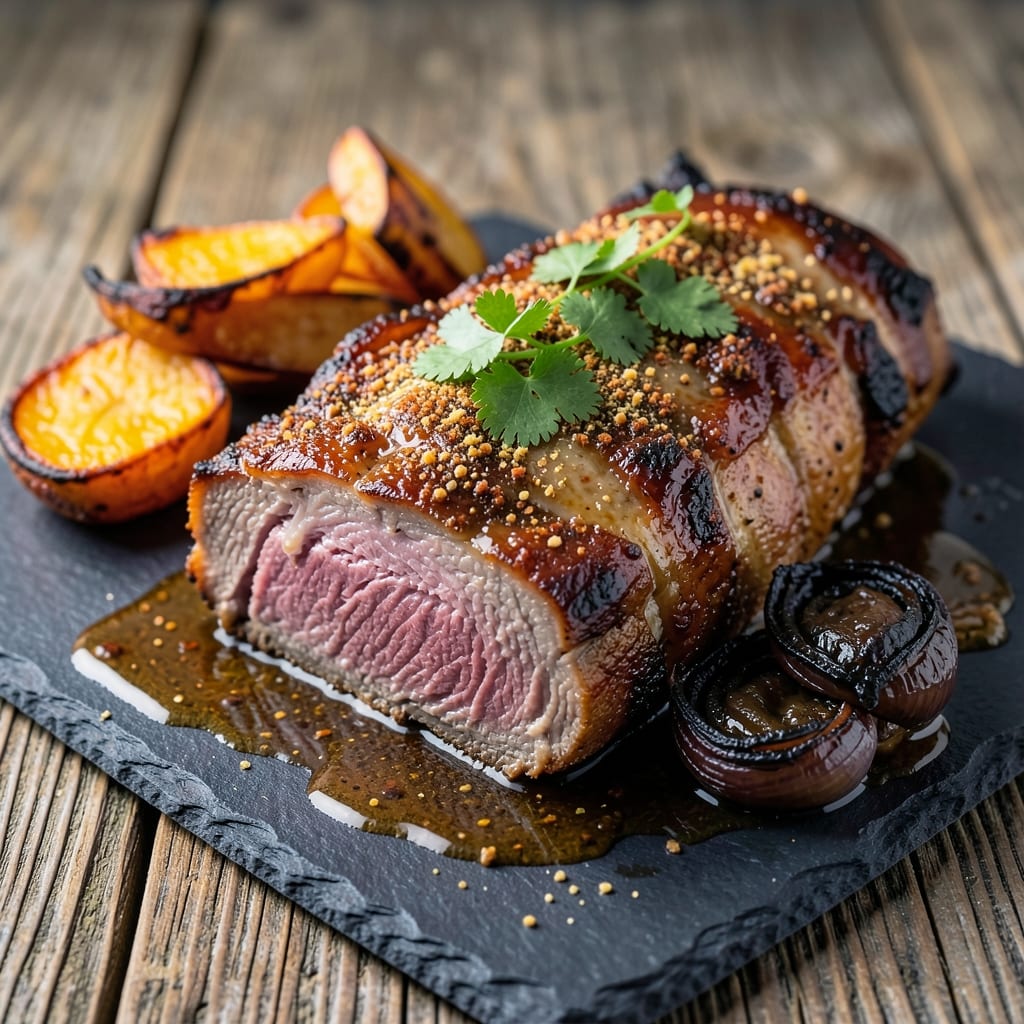
This Aldi beef brisket recipe transforms a budget-friendly cut into fall-apart tenderness that rivals restaurant-quality smoked brisket. The secret lies in low-and-slow cooking—patient hours at 225°F that break down tough fibers into melt-in-your-mouth perfection. I’ve tested this method with Aldi’s affordable brisket, proving you don’t need expensive meat for showstopping results.
The process is simpler than you’d expect: trim the fat, apply a dry rub of salt, pepper, and smoked paprika, then let the oven or smoker work its magic. While it cooks, you’ll develop a rich, caramelized bark that seals in juices—no fancy equipment required. The key is time, not technique, making this beginner-friendly but impressive enough for gatherings.
By the time you pull it from the heat, the brisket will be so tender it shreds with a fork, releasing juicy, flavorful layers that disappear faster than you can plate them. Serve it with classic sides like creamy mashed potatoes or tangy coleslaw, and watch it become the centerpiece of your meal. This is comfort food at its finest—restaurant-quality without the price tag.
Budget-conscious cooks will love how Aldi’s brisket delivers the same results as premium cuts, and the leftovers reheat beautifully for sandwiches or tacos. Let’s get started on a brisket that’ll have everyone asking for seconds—guaranteed.
Ingredients for aldi beef brisket
Six ingredients transform Aldi's budget brisket into showstopping, fall-apart perfection—no smoker needed.
| Ingredient | Amount | Notes |
|---|---|---|
| Aldi Beef Brisket 🥩 | 4 lb | Whole packer cut, trimmed of excess fat |
| Kosher Salt 🧂 | 2 tbsp | Diamond Crystal preferred for flakiness |
| Ground Black Pepper 🌶️ | 1 ½ tbsp | Freshly ground for best flavor |
| Smoked Paprika 🌶️ | 1 ½ tbsp | For deep smoky flavor profile |
| Garlic Powder 🧄 | 1 tbsp | Freshly ground preferred |
| Onion Powder 🧅 | 1 tbsp | For balanced sweetness |
| Brown Sugar 🍯 | 1 tbsp | Light or dark variety |
| Yellow Onion 🧅 | 1 whole | Sliced for aromatics |
| Fresh Garlic 🧄 | 6 cloves | Minced for rub consistency |
| Apple Cider Vinegar 🍎 | 2 tbsp | For tenderizing brisket |
| Beef Broth 🍲 | 1 cup | Low-sodium preferred |
| Extra-Virgin Olive Oil 🫒 | 2 tbsp | For rub adherence |
The brisket is the star, and Aldi’s packer cut delivers serious value. Look for the Aldi brand in the meat section—it’s consistently well-marbled for tender results. Trim excess fat to 1/4-inch thickness for better bark formation, but leave some for flavor. If you're nervous about the cut, ask the butcher to point it out; it’s often labeled as 'brisket' or 'packer cut'. For best results, use the brisket within 3 days of purchase and let it sit at room temperature for 1 hour before cooking to ensure even cooking.
No smoked paprika? Substitute with 1 tbsp regular paprika plus 1/2 tsp liquid smoke—it’s a game-changer for that smoky depth. Short on time? Pre-mix your rub in a small bowl and store it in an airtight container for up to 3 months. The vinegar and beef broth can be swapped for 1 cup of water plus 1 tbsp apple juice if you’re avoiding vinegar. For extra tenderness, add 1 tsp of baking soda to the rub—it’s a secret weapon for breaking down fibers. The onion and garlic can be pulsed in a food processor for a finer texture if you prefer a smoother rub.
Brisket reheats beautifully—wrap it in foil with a splash of broth and bake at 300°F for 2-3 hours. It also freezes wonderfully: slice against the grain, portion into single-serving packages, and freeze for up to 6 months. For leftovers, transform slices into sandwiches, tacos, or nachos—the possibilities are endless. Store cooked brisket in the fridge for up to 5 days, covered tightly to retain moisture. The rub keeps dry for 3 months in a sealed container, so make extra for future projects.
Why You'll Love This Recipe
- Foolproof Seasoning: I swear by this combo—just salt, pepper, smoked paprika, and garlic powder. No fancy rubs, no guesswork. The brisket practically seasons itself while it roasts, and that smoky depth? Chef’s kiss.
- Weeknight Magic: Honestly, this is my lazy-night hero. Toss the brisket in the oven, set a timer, and walk away—no babysitting. By the time dinner’s ready, the house smells like a Sunday supper, and I’ve done zero work.
- Leftovers That Win: Between us, the best part is the next-day sandwiches. Thinly sliced, piled high with mustard and pickles—my kids fight over them. And because brisket tastes even better cold, I make double just to avoid stress later.
- Budget-Friendly Feast: Aldi’s brisket gives you pounds of meat for less than half the price of name brands. That smoked paprika? A sprinkle goes a long way. I feed four for under $10, and everyone leaves happy (and full).
Step-by-step instructions for slow-smoked Aldi beef brisket
Transform Aldi's budget-friendly brisket into melt-in-your-mouth perfection with this foolproof smoking method.
Prepare the Brisket with a Flavor-Packed Rub
Start by trimming the 4 lb Aldi Beef Brisket to remove any excess fat, leaving about ¼-inch thickness on the fat cap. This ensures even cooking while preserving moisture. Pat the entire surface dry with paper towels—moisture is the enemy of crisp bark.
In a small bowl, combine the 2 tbsp Kosher Salt, 1.5 tbsp Ground Black Pepper, 1.5 tbsp Smoked Paprika, 1 tbsp Garlic Powder, 1 tbsp Onion Powder, and 1 tbsp Brown Sugar. Mix until completely uniform. Press this rub firmly into every inch of the brisket, including the fat cap and cavity. The salt will tenderize while the spices create that irresistible bark. Let the seasoned brisket sit at room temperature for 1 hour—this ensures even cooking from start to finish.
Build a Smoky Foundation with Aromatics
While the brisket rests, slice the 1 whole Yellow Onion into ¼-inch rings and mince the 6 cloves Fresh Garlic. In a small bowl, whisk together the 2 tbsp Apple Cider Vinegar and 1 cup Beef Broth. This mixture will infuse the brisket with deep, savory flavors during the smoke.
Heat your smoker to 225°F using hickory or oak wood chips—these woods complement the brisket's natural richness without overpowering it. Place a water pan in the smoker to maintain moisture and prevent the bark from drying out. Once the smoker reaches temperature and you see thin, blue smoke (not thick white steam), you're ready to cook.
Smoke the Brisket Low and Slow
Place the brisket fat-side up on the smoker grate. This allows the rendered fat to baste the meat as it cooks, adding moisture and flavor. Close the lid and resist the urge to peek—every time you open it, you lose 15-20 minutes of cook time and disrupt the temperature stability.
Smoke the brisket for 6 hours, maintaining a consistent 225°F. After 4 hours, inject the brisket with the vinegar-broth mixture using a meat injector or baster. This step ensures the center remains tender and juicy. You'll know it's hitting "the stall" (where the internal temperature plateaus around 165°F) after about 5-6 hours. This is normal—don't panic. The brisket will eventually push through to 203°F, at which point a probe should slide in like butter.
Wrap and Finish for Maximum Tenderness
Once the brisket reaches 165°F, wrap it tightly in butcher paper (not foil—it breathes better and preserves the bark). Return it to the smoker and continue cooking until the internal temperature hits 203°F, about 2-3 additional hours. The paper wrap helps the brisket push through the stall while keeping the exterior crisp.
Remove the brisket from the smoker and let it rest on a cutting board for 1 hour, still wrapped in the butcher paper. This resting period allows the juices to redistribute, ensuring every slice is moist and flavorful. During this time, preheat your serving dishes—you want to serve this brisket immediately while it's at its peak tenderness.
Slice Against the Grain for Perfect Texture
Unwrap the brisket and locate the grain direction—you'll see lines running through the meat. Using a sharp carving knife, slice against the grain into ¼-inch thick pieces. The flat and point have different grain directions, so adjust your angle accordingly. Each slice should have a dark, mahogany bark on the outside and a pink smoke ring just beneath, with meat that falls apart at the slightest touch.
Serve immediately with your favorite sides—mashed potatoes, coleslaw, or crusty bread to soak up every last bit of that smoky, tender juices. The brisket should be fall-apart tender with a crispy exterior and a deep, smoky flavor that sings of slow-cooked perfection. This method proves you don’t need expensive cuts to make a showstopping brisket—just time, patience, and the right technique.
Pro Tips For Making Aldi Beef Brisket
- CRANK THE HEAT FIRST: Aldi’s brisket is leaner than butcher-cut, so you need a screaming-hot pan to render fat fast—no simmering here. Hit medium-high heat for 3-4 minutes until the meat releases its juices, then dial it down. I learned this the hard way after a greasy, soggy disaster.
- SALT IN LAYERS: Don’t dump all the kosher salt at once—sprinkle half before searing, then the rest after browning. The first layer helps break down fibers early, while the second locks in flavor. (Yes, even if you’re impatient like me, resist the urge to skip this.)
- SKIP THE PAPRIKA RUSH: Smoked paprika burns faster than you think, so add it after the meat has browned and just before lowering heat. A quick 30-second toss in the pan is enough—any longer, and you’ll taste ash instead of smoky depth.
- REST IT WRAPPED: Aldi’s brisket slices thin—if you cut it too soon, it’ll dry out. Tent it loosely with foil and let it sit for 10 minutes before serving. I was skeptical until I tried it; the slices stay juicy and don’t fall apart. (Your future self will thank you.)
Make-ahead tips for this recipe
Prep Ahead Timeline
The night before your cook, trim the 4 lb Aldi Beef Brisket to ¼-inch fat cap and pat it completely dry with paper towels. Store it uncovered in the fridge—this helps dry the surface for better bark formation. Mix your dry rub (2 tbsp kosher salt, 1.5 tbsp smoked paprika, etc.) in a small bowl and store it in an airtight container. You can even apply the rub up to 12 hours ahead—just keep it uncovered on a wire rack in the fridge. 🌡️
Oven Alternative Prep
If you don’t have a smoker, prep your brisket the night before and store it in the fridge. The next day, preheat your oven to 225°F and place a roasting pan with a water-filled dish inside. Cook the brisket for 6 hours, then wrap it in butcher paper and continue for 2-3 more hours until it reaches 203°F. This oven method delivers nearly identical results with zero extra equipment. The key is maintaining that low-and-slow temperature—use an oven thermometer to verify accuracy.
Leftovers Strategy
Cooked brisket reheats best when wrapped tightly in foil with 2 tbsp beef broth per pound. Bake at 300°F for 2-3 hours until internal temp hits 165°F. For quick meals, slice against the grain and store in airtight containers for up to 5 days. Freeze portions for 6 months—just thaw overnight in the fridge before reheating. I love transforming leftovers into brisket tacos with Aldi’s tortillas or loaded baked potatoes with sour cream and green onions. 💡
Rub Prep Shortcut
Make your dry rub 3 days ahead and store it in an airtight container. The spices blend better over time, and you’ll save precious prep day. For extra convenience, portion the rub into small ziplock bags—just grab one when you’re ready to season. If you’re short on time, skip the vinegar-broth injection and simply sprinkle 1 tbsp apple cider vinegar over the brisket before wrapping. It’s a simple swap that still adds moisture and depth. 🧂
Smoker Prep
Nutrition facts
Frequently asked questions
Can I use Aldi's beef brisket in a slow cooker instead of a smoker?
For a slow cooker version, sear the brisket in a skillet first, then place it in the slow cooker with 1 cup beef broth and 2 tbsp apple cider vinegar. Cook on low for 8-10 hours until fork-tender. The texture will be more tender than smoked, but still delicious—just skip the bark. Add a sprinkle of smoked paprika at the end for flavor.
How do I know when the brisket is done without a meat thermometer?
If you don’t have a thermometer, use the touch test: press your finger into the thickest part. If it feels like soft butter (not firm), it’s likely done. Another trick is the probe test—a sharp knife should slide in like warm butter. For best results, aim for 203°F internal temp, but these methods work in a pinch. Just be patient—brisket needs time!
What's the best way to reheat brisket leftovers without drying it out?
Wrap slices tightly in foil with 1 tbsp beef broth per pound, then reheat at 300°F for 2-3 hours until reaching 165°F. The foil traps moisture, preventing dryness. For quick meals, use leftovers in tacos, sandwiches, or nachos—they reheat best when mixed with other ingredients. Never microwave brisket directly, as it turns rubbery.
Why did my brisket turn out dry even after following the recipe?
Dry brisket usually means it cooked too fast or wasn’t rested properly. Always cook to 203°F (not 165°F) and rest for 1 hour before slicing. If using an oven, maintain 225°F—higher temps speed up cooking but create toughness. For extra moisture, inject the brisket with vinegar-broth mix during cooking. The fat cap should render enough fat to baste the meat.
Can I substitute Aldi's brisket with another cut if needed?
If Aldi’s brisket is unavailable, use chuck roast or beef short ribs (trimmed of excess fat). Both work well for slow cooking. Chuck roast will be slightly leaner, so add 1 extra tbsp olive oil to the rub for moisture. Avoid tougher cuts like flank steak—they won’t tenderize the same way. Always choose well-marbled meat for best results.