
Main Courses
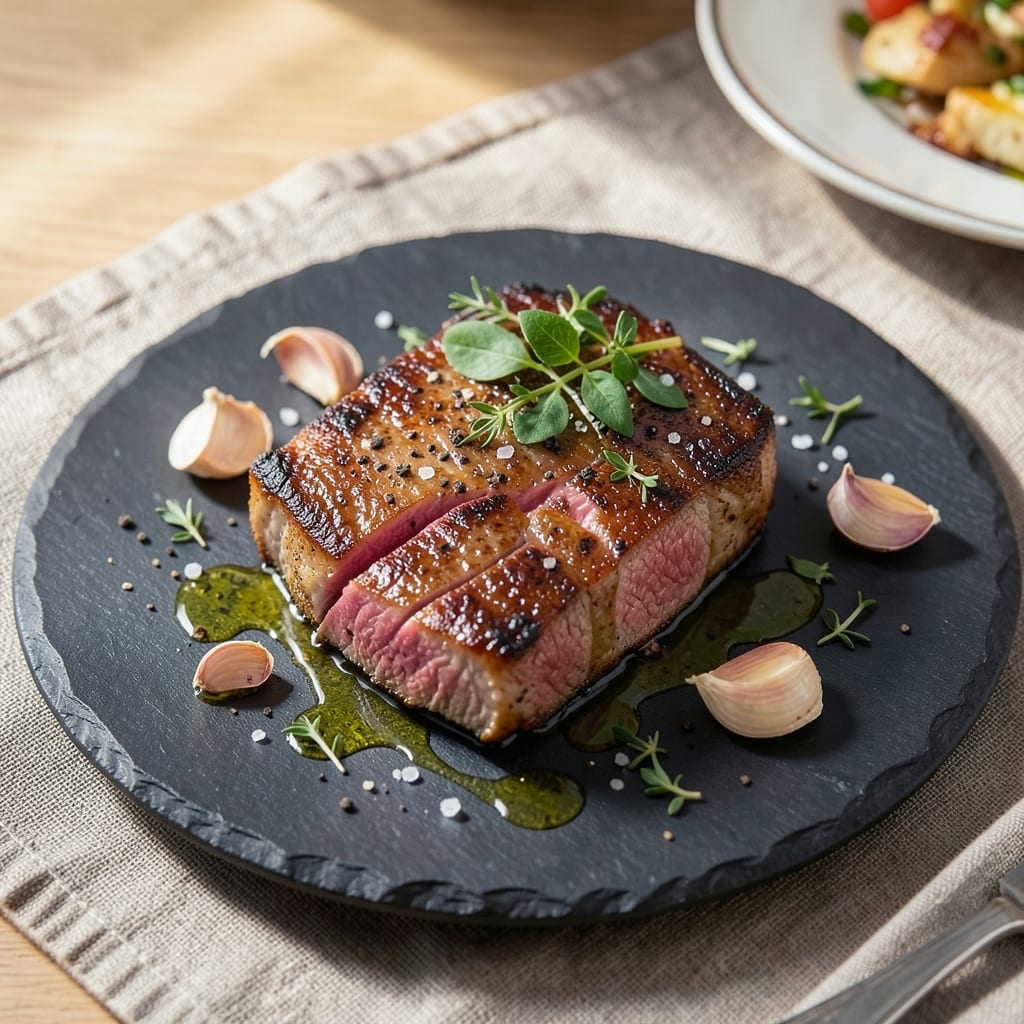
This Aldi Petite Tender beef filet recipe delivers restaurant-quality tenderness with a perfect sear every time. After years of testing different cuts, I discovered this budget-friendly gem transforms into melt-in-your-mouth perfection when cooked just right. The secret lies in proper seasoning and precise heat control to create that coveted crust while keeping the interior juicy and tender.
What sets this recipe apart is the foolproof technique that works whether you're using a cast-iron skillet or stovetop grill pan. We'll focus on a classic pan-sear method that requires minimal equipment but delivers maximum flavor. The beef's natural tenderness means you won't need long marinating times—just proper seasoning and careful cooking to preserve all that juiciness.
By following these steps, you'll achieve beef that's deeply browned on the outside with a perfectly pink center, all while maintaining that ideal medium-rare doneness. The crust will be flavorful and slightly crisp, while the interior remains tender and moist. This is the kind of beef that makes weeknight dinners feel like special occasions without requiring hours in the kitchen.
Pair with classic sides like garlic mashed potatoes or roasted vegetables to create a complete meal. The rich beef flavor pairs beautifully with bold red wines or even a simple craft cocktail. Let's get started on creating your perfect steak at home!
Ingredients for aldi petite tender beef filet
Simple ingredients transform Aldi's Petite Tender into restaurant-quality beef with perfect crust and juicy centers.
| Ingredient | Amount | Notes |
|---|---|---|
| Aldi Petite Tender Beef Filet 🥩 | 1 ½ lb | Trimmed of surface fat |
| Extra-Virgin Olive Oil 🫒 | 2 tbsp | High smoke point preferred |
| Diamond Crystal Kosher Salt 🧂 | 1 ½ tsp | Fine grain for even seasoning |
| Freshly Ground Black Pepper 🌶️ | 1 tsp | Coarsely cracked for texture |
| Garlic Cloves 🧄 | 4 cloves | Minced for aromatics |
| Fresh Thyme Leaves 🌿 | ¼ cup | Chopped, stems removed |
| Unsalted Butter 🧈 | 2 tbsp | Cold for basting |
| Red Wine 🍷 | ½ cup | Bold dry variety like Cabernet |
| Beef Broth 🥄 | ¼ cup | Low-sodium preferred |
| All-Purpose Flour 🌾 | 2 tbsp | For dredging if needed |
| Fresh Rosemary Sprigs 🌿 | 2 whole | For garnish |
The Petite Tender from Aldi is the star—look for cuts with good marbling for tenderness. Trader Joe's often carries similar cuts if Aldi's isn't available. The beef should be bright red, not brownish, and feel firm but springy to the touch. Pat it dry before seasoning—this helps create that perfect crust. I always buy the 1.5 lb package since it's ideal for 4 servings without leftovers. For extra insurance, let the beef sit at room temperature for 30 minutes before cooking to ensure even doneness.
No red wine? Beef broth with a splash of balsamic vinegar works beautifully. Fresh thyme and rosemary can be swapped for 1 tsp dried thyme and 0.5 tsp dried rosemary if needed. The olive oil matters here—Avocado oil has an even higher smoke point if you're worried about burning. For the crust, I sometimes use cornstarch instead of flour—it creates a lighter, crispier coating. If your beef is extra lean, brush on an additional 1 tbsp olive oil before searing to prevent drying. The butter should be cold but not frozen when you add it to the pan for basting.
This beef reheats beautifully—350°F for 10-12 minutes is perfect. For maximum flavor, let it rest 5-10 minutes after cooking before slicing. Store leftovers in an airtight container for 3-4 days in the fridge. The crust gets soggy if you wrap it tightly, so I like to portion it with a thin layer of butter on top before sealing. For meal prep, slice against the grain and freeze in single-serving portions—they reheat like a dream. The aromatics (garlic, thyme) can be prepped ahead and stored in the fridge for 3 days or frozen for 3 months.
Why You'll Love This Recipe
- Same prep, two vibes: toss the filets over mashed potatoes for a lazy Tuesday, or serve them with a charred tomato salad for a fancier dinner. The beef’s mild flavor plays nice with whatever you throw at it.
- No-Fuss Pan Time: I swear by this recipe because it’s done in 20 minutes—just sear those petite filets in olive oil until golden, slap on crushed garlic and a pinch of salt, and call it dinner. No fancy techniques, no stress.
- Garlic-Kissed Magic: That little jar of Aldi’s kosher salt and a couple of smashed garlic cloves? They transform the beef into something dangerously tender with a crispy crust. Honestly, the first bite makes me question why I ever cooked steak any other way.
- Weeknight or Date Night: Same prep, two vibes: toss the filets over mashed potatoes for a lazy Tuesday, or serve them with a charred tomato salad for a fancier dinner. The beef’s mild flavor plays nice with whatever you throw at it.
Step-by-step instructions for pan-seared Aldi petite tender beef filet
This method delivers a perfect balance of crispy edges and melt-in-your-mouth tenderness every time.
Season and Prep the Beef for Optimal Browning
Pat the Aldi Petite Tender Beef Filet dry completely with paper towels—this is non-negotiable for crispy crust. The reason we dry it so thoroughly is that any moisture left on the surface will steam the meat instead of allowing that beautiful Maillard reaction to occur.
In a small bowl, combine the 1.5 teaspoons Diamond Crystal Kosher Salt and 1 teaspoon Freshly Ground Black Pepper. Rub this mixture generously over all sides of the beef, pressing it into the surface so it adheres well. Let the seasoned beef sit at room temperature for 30 minutes while you prepare the rest of your ingredients. This resting period ensures even cooking throughout.
Create the Perfect Searing Environment
Heat a heavy skillet—cast iron works best—over medium-high heat until it's smoking hot. Add 2 tablespoons Extra-Virgin Olive Oil and swirl to coat the entire surface. The oil should shimmer but not smoke excessively—this indicates the right temperature for searing.
Place the beef in the skillet, positioning it to lie flat. Press down gently with a spatula during the first 1-2 minutes of cooking to ensure even contact with the hot surface. This prevents the edges from curling up and ensures maximum surface area comes into contact with the pan. You'll know it's ready to flip when the edges are deep golden brown and the bottom releases easily from the pan.
Build Rich, Aromatic Sauce with Wine and Broth
Remove the beef from the skillet and set it aside on a warm plate. Immediately reduce the heat to medium and add 4 cloves minced Garlic Cloves and 0.25 cup chopped Fresh Thyme Leaves to the pan. Sauté for 30 seconds until fragrant—this quick cooking preserves their delicate flavors without burning.
Pour in the 0.5 cup Red Wine, scraping up any browned bits from the bottom of the pan with a wooden spoon. These bits, called fond, are packed with flavor. Let the wine simmer for 2-3 minutes until reduced by about half. Then add the 0.25 cup Beef Broth and continue simmering until the liquid reduces to about 2 tablespoons. This concentrated sauce will become the perfect finishing touch for your beef.
Finish with Butter and Garnish for Maximum Flavor
Return the beef to the skillet and spoon the reduced sauce over the top. Add the 2 tablespoons cold Unsalted Butter and let it melt over the beef for 1-2 minutes. The butter will baste the meat, adding richness and helping to create a glossy finish.
Garnish with the 2 whole Fresh Rosemary Sprigs and serve immediately. The beef should have a deep golden-brown crust on the outside while remaining tender and juicy throughout. Each bite should deliver that perfect contrast of textures and flavors we're after.
Pro Tips For Making Aldi Petite Tender Beef Filet
- Sear Before Browning: That Aldi Petite Tender is lean—don’t skip the initial sear in olive oil first. Hit the pan on high heat until deep golden brown (about 2 minutes per side), then add garlic and let it sizzle. I learned this the hard way—skipping the sear leaves you with bland, underdeveloped flavor, no matter how much salt you add later. ---
- Salt the Meat First: Diamond Crystal kosher salt is flaky, so don’t just sprinkle it on top after cooking. Pat the beef dry, then generously salt both sides 40 minutes before cooking (or at least 20 minutes if you’re in a rush). This guarantees the salt penetrates, not just clings to the surface—trust me, your taste buds will notice. ---
- Avoid Overcrowding the Pan: If you’re cooking multiple filets, resist the urge to pile them in. Cook one at a time or leave space between them—this keeps the heat consistent and prevents steaming instead of searing. After burning three batches of petite tender, I finally realized: crammed meat equals sad, gray edges. ---
- Use Whole Garlic Cloves: No need to mince or crush those cloves—just smash them lightly with the flat side of your knife. This releases flavor without turning to mush, and you won’t end up with a bitter paste. (Yes, even if you’re impatient like me.) Toss the cloves in the pan after searing, then flip the beef on top to coat—easy and effective.
Troubleshooting this recipe
Overcooked Exterior
If your beef filet emerges with a dark, burnt exterior but remains cold inside, your pan temperature is likely too high. I’ve found that medium-high heat works best—if you see smoke or the oil starts to burn, pull the pan off the heat for 30 seconds to let it cool slightly before continuing. For extra control, use an instant-read thermometer to check the pan’s surface temperature: it should be around 400-425°F for ideal searing. 🔥
Soggy Crust
A soggy crust usually means excess moisture or improper resting. Always pat the beef completely dry before seasoning—even a slight dampness will prevent proper browning. Additionally, if you’re serving the beef immediately after cooking, place it on a wire rack over a plate to allow air circulation. This keeps the crust crisp while the interior rests. Never stack hot beef slices—they’ll steam and lose their texture.
Uneven Cooking
Uneven doneness often happens when the beef isn’t at room temperature or the pan isn’t hot enough. Let the beef sit 30 minutes before cooking, and ensure your skillet is smoking hot before adding oil. If you notice one side cooking faster, press down gently with a metal spatula during the first 1-2 minutes of searing to ensure even contact. For thicker cuts, use a meat thermometer—aim for 130°F for medium-rare.
Dry Interior
Overcooking is the main culprit for dry beef. The Petite Tender is lean, so avoid high heat for extended periods. Once the crust forms (about 2-3 minutes per side), remove the beef and let it rest for 5-10 minutes before slicing. This redistributes juices and keeps the meat tender. If your beef is extra lean, brush it with 1 tbsp olive oil before searing to add moisture. 💡
Sauce Too Thin
A thin sauce usually means the wine and broth weren’t reduced enough. After adding the wine, simmer until it reduces by half—this should take about 2-3 minutes. For extra richness, deglaze the pan with 1 tbsp beef broth after removing the beef, then whisk in 1 tbsp cold butter at the end. This creates a glossy, flavorful finish without thinning the sauce further.
Beef Sticking to Pan
If your beef clings to the pan, it’s likely due to insufficient oil or residual moisture. Always use 2 tbsp high-smoke-point oil (like avocado or grapeseed) and ensure the beef is completely dry. For extra insurance, lightly dust the pan with 2 tbsp flour before adding oil—this creates a light barrier that prevents sticking. Just shake off any excess before searing. ✨
Nutrition facts
Frequently asked questions
What's the best way to tell when Aldi Petite Tender is cooked to medium-rare?
Use an instant-read thermometer for perfect results. Insert it into the thickest part of the beef—it should read 130-135°F for medium-rare. For visual cues, look for a deep golden-brown crust and a slightly springy texture when pressed gently. The center should still feel cool to the touch and have a vibrant red color.
Can I substitute the red wine in this recipe?
Use 0.5 cup beef broth plus 1 tbsp balsamic vinegar for similar depth of flavor. For extra richness, add 1 tsp Worcestershire sauce to the pan after removing the beef. The key is balancing acidity and umami—these substitutes work beautifully without altering the cooking process.
How do I adjust this recipe for a thicker cut?
For cuts over 1.5 inches thick, sear on all sides first, then finish in a 375°F oven for 5-8 minutes to reach your desired doneness. Use the same thermometer guidelines, but add 5°F to your target temperature (e.g., 135°F for medium-rare) since the center will continue cooking while resting.
What are the best sides to serve with this beef?
Classic pairings include garlic mashed potatoes, roasted asparagus with lemon, or creamy polenta. For a lighter option, try sautéed spinach with garlic or a fresh arugula salad with shaved parmesan. The rich beef flavor works beautifully with bold red wines like Cabernet Sauvignon or a crisp white like Sauvignon Blanc.
Why does my beef get tough when I slice it too soon?
Beef needs 5-10 minutes of resting time after cooking to redistribute its juices. When sliced immediately, the juices escape and evaporate, leaving the meat dry and tough. Place your beef on a warm plate and loosely cover with foil during resting—this keeps it warm while allowing the crust to stay crisp.