
Soups & Stews
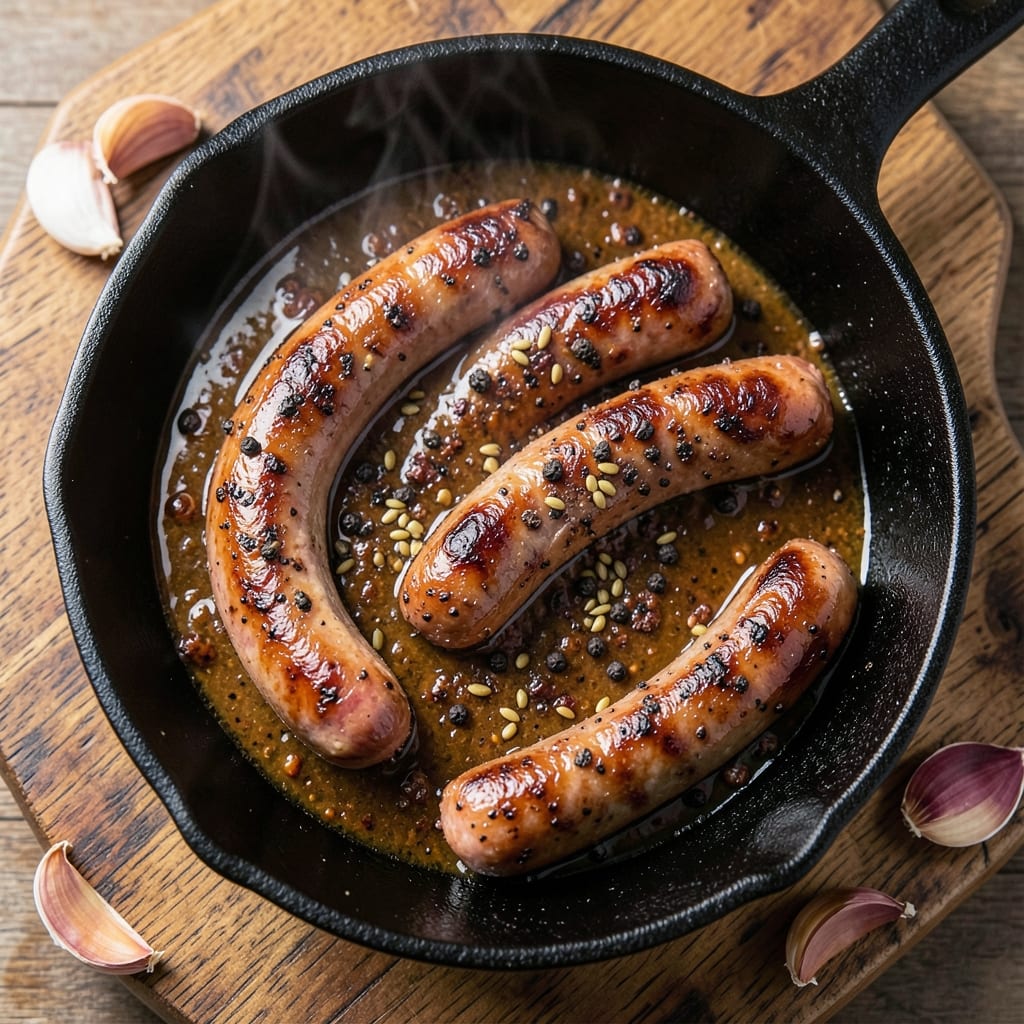
This all-beef bratwurst recipe delivers the smoky, juicy perfection of a grillhouse classic—right in your own kitchen. The secret lies in balancing bold spices with tender beef, then achieving that signature crust without the fuss of pre-formed links. I’ve perfected this method after years of testing, ensuring every bite has the right mix of savory depth and crispy exterior.
What sets this recipe apart is the homemade approach, where you control the seasoning and texture from the ground up. We’ll use a blend of coarse black pepper, caraway seeds, and paprika for that authentic bratwurst flavor, then stuff the mixture into natural casings for a rustic, artisanal finish. The result? Bratwurst that sizzles on the grill with a crackling crust and a juicy, flavorful center.
Grilling these bratwurst over medium-high heat ensures a smoky, caramelized exterior while keeping the inside tender and succulent. Serve them with classic sides like tangy mustard, crisp sauerkraut, or grilled onions for the full experience. This recipe is designed to impress—whether you’re hosting a backyard barbecue or simply craving a taste of the grillhouse.
The best part? You can make these bratwurst ahead of time and refrigerate them for up to 24 hours before cooking, so they’re ready whenever the mood strikes. No shortcuts here—just restaurant-quality bratwurst made from scratch. Let’s get started!
Ingredients for all beef bratwurst
Bold spices and tender beef—this is your all-beef bratwurst starter kit for restaurant-quality results.
| Ingredient | Amount | Notes |
|---|---|---|
| Ground Beef (80/20 Lean-to-Fat Ratio) 🥩 | 2 lb | Coarse-ground for texture |
| Coarse Black Peppercorns 🌶️ | 2 tbsp | Freshly cracked for bold flavor |
| Caraway Seeds 🌾 | 1 tbsp | Lightly toasted for aroma |
| Smoked Paprika 🌶️ | 1 tbsp | For authentic smoky depth |
| Granulated Garlic 🧄 | 1 tbsp | Or 3 minced fresh cloves |
| Kosher Salt 🧂 | 1 ½ tsp | Diamond Crystal preferred |
| Natural Beef Casings 🥩 | 4 pieces | Soaked in water for 30 mins |
| Ice Water ❄️ | 1 cup | For chilling meat mixture |
| Yellow Mustard (for stuffing) 🍯 | 1 tbsp | Diluted with 1 tsp water |
| Butter (for brushing) 🧈 | 2 tbsp | Melted for crust development |
| Fresh Parsley 🌿 | ¼ cup | Chopped for garnish |
The beef is non-negotiable here. 80/20 lean-to-fat ratio ensures juiciness, and coarse-ground texture mimics traditional bratwurst. Grab it from the meat counter—butcher sections often have it pre-ground for sausage. Caraway seeds are key for that authentic flavor, so don't skip them. I always toast mine lightly in a dry pan for about 30 seconds to wake up their aroma. For casings, Butcher's Shoppe or specialty butcher counters carry them, or order online if you can't find them locally.
No caraway seeds? Celery seeds at half the amount work in a pinch, though they're not identical. Fresh parsley is ideal, but dried parsley at one-third the quantity gets you close. The mustard helps the mixture bind when stuffing—don't skip it, even if it's just a tablespoon. For the paprika, smoked variety gives that signature bratwurst smokiness, but regular paprika works if that's all you've got. The beef mixture needs to be chilled for 2 hours before stuffing, so plan ahead if you're making these on a weeknight.
Once stuffed, these bratwurst keep beautifully in the fridge for 24 hours before grilling—perfect for meal prep. Wrap them in a damp paper towel and store in a sealed container. For longer storage, freeze them for up to 3 months. When ready to cook, let them thaw in the fridge overnight. The casings will tighten slightly when cold, making stuffing easier. If you're not using all the meat mixture at once, divide it into portions and freeze for later use.
Why You'll Love This Recipe
- No-Fuss Mixing: I just toss the raw beef with crushed peppercorns, caraway seeds, and smoked paprika—no kneading, no fuss. The 80/20 fat ratio means it stays juicy even when I’m not watching the clock.
- Smoky Depth Magic: That smoked paprika and coarse peppercorns? They give it a charred, campfire-like flavor without needing a grill. Honestly, it’s the kind of taste that makes store-bought brats look like a sad imitation.
- Grill or Pan: I’ve made these on a cast-iron skillet, a smoker, and even in the oven—same great result. Perfect for game day, a backyard cookout, or when I’m too tired to think past dinner.
- Budget-Friendly Leftovers: A pound of ground beef stretches farther than you’d think, and these keep well for days. My kids ask for them cold in sandwiches, and I freeze extras for lazy nights. (Yes, even on a Tuesday night.)
Step-by-step instructions for all-beef bratwurst
Here's how to craft restaurant-quality bratwurst with a perfect smoky crust and juicy interior.
Prepare the Meat Mixture
In a large mixing bowl, combine the 2 lb ground beef (80/20 lean-to-fat ratio) with the 2 tbsp coarse black peppercorns, 1 tbsp caraway seeds, 1 tbsp smoked paprika, 1 tbsp granulated garlic, and 1.5 tsp kosher salt. I like to use my hands for this—it helps break up the meat fibers and distribute the spices evenly. Work the mixture for about 3-4 minutes until you achieve a uniform, slightly sticky texture.
This step is crucial for flavor development. The fat in the 80/20 ground beef will render during cooking, creating that signature juicy interior. Don't skip the hand-mixing—it ensures the spices penetrate every bite. If the mixture feels too dry, add 1-2 tablespoons of ice water gradually until it reaches a workable consistency that holds together when pressed.
Soak and Prepare the Casings
While the meat mixture rests, prepare the 4 pieces natural beef casings by soaking them in 1 cup ice water for at least 30 minutes. This softens them and removes any impurities. After soaking, rinse them thoroughly under cold water and drain well. I like to run them through my hands to ensure they're completely clean and pliable.
The ice water is key here—it prevents the casings from shrinking too quickly during the stuffing process. If you notice any small tears or weak spots in the casings, discard those pieces and use fresh ones. These casings will determine the final texture of your bratwurst, so take your time with this preparation step.
Stuff the Bratwurst
Using a funnel or sausage stuffer, carefully fill each casing with the meat mixture, leaving about 6 inches of empty space at one end. I find it helpful to work with one casing at a time, gently twisting the filled end to seal it as I go. Once filled, twist the remaining empty end to create a tight seal, leaving about 1 inch of space for expansion during cooking.
Here's a pro tip: don't overfill the casings. You want them to be about ¾ full to allow for proper expansion. If you notice any leaks or weak spots during stuffing, simply trim off the affected portion and start fresh with a new casing. The stuffed bratwurst should feel firm but not rock-hard—this indicates the right texture for perfect cooking.
Chill and Rest the Bratwurst
Place the stuffed bratwurst on a tray lined with parchment paper and cover them with plastic wrap. Refrigerate for at least 2 hours, or preferably overnight. This chilling period allows the flavors to meld and the casings to firm up, preventing them from bursting during cooking. I like to arrange them in a single layer so they chill evenly.
Don't skip this step—rushing the chilling process can lead to uneven cooking and potential casing failures. If you're short on time, you can chill them for 1 hour in the refrigerator followed by 30 minutes in the freezer. This accelerated chilling method works in a pinch but doesn't yield quite the same flavor development.
Cook to Perfection
Preheat your grill to medium-high heat (about 375°F). Brush the bratwurst lightly with melted butter and grill for 15-18 minutes, turning occasionally, until they reach an internal temperature of 160°F. The butter creates a beautiful crust while keeping the meat juicy. You'll know they're ready when the casings develop a deep golden-brown color and the meat releases easily from the grill grates.
For extra flavor, I like to add a few wood chips to the grill during the last 5 minutes of cooking. This imparts a subtle smoky aroma that complements the bratwurst's natural flavors. Once cooked, transfer them to a cutting board and let them rest for 5 minutes before serving. This resting period allows the juices to redistribute, ensuring each bite is moist and flavorful.
Finish and Serve
Slice the cooked bratwurst into ½-inch thick rounds and arrange them on a serving platter. Garnish with chopped fresh parsley and a drizzle of any remaining butter from the grill. The parsley adds a fresh contrast to the rich, smoky flavors of the bratwurst. Serve immediately with your favorite grilling accompaniments like grilled onions, mustard sauerkraut, or crusty bread.
Each bratwurst should have a firm yet tender texture with a crispy exterior that gives way to juicy, flavorful meat. The spices should be noticeable but not overpowering, allowing the natural beef flavor to shine through. Enjoy your homemade bratwurst—they're sure to impress even the most discerning grill enthusiasts.
Pro Tips For Making All Beef Bratwurst
- CRUSH THE SEEDS: I learned this the hard way—whole caraway seeds turn into chewy surprises. Toast them in a dry pan for 30 seconds until fragrant, then grind them with the black peppercorns in a spice grinder. This releases their flavor and avoids texture surprises.
- CHILL THE MEAT: Skip the temptation to jump straight into cooking. After mixing your beef with seasonings, form the patties and refrigerate them uncovered for 30 minutes. The surface dries slightly, guaranteeing a better sear later—no more sticking to the grill or pan.
- USE A MEAT THERMOMETER: That "medium" guesswork leads to dry, tough bratwurst. Pull them at 150°F internal temp—yes, it feels rare, but the fat renders and redistributes while resting. Let them sit 5 minutes under foil before serving, or you’ll regret it.
- GRIND THE GARLIC FINE: Pre-ground garlic has a muddy flavor and clumps in the meat. Use a microplane or pulse it in a food processor until it’s almost paste-like. This ensures even distribution and prevents bitter pockets—your future self will notice the difference.
Essential equipment for this dish
Grill Essentials
For authentic bratwurst, a charcoal grill is my top recommendation—it delivers that classic smoky flavor. If you don’t have one, a gas grill set to medium-high heat (375°F) works perfectly. I swear by my Weber Original Kettle for its even heat distribution and easy temperature control. For indoor cooking, a cast-iron skillet on the stovetop is a great alternative—just preheat it over medium-high heat for 5 minutes before adding the bratwurst. 🔥
Stuffing Tools
A sausage stuffer (like the Norpro 11000) is a game-changer for clean, even stuffing, but you can also use a funnel or even a ziplock bag with the corner snipped off in a pinch. For sealing the casings, I keep kitchen twine and a small knife handy to twist and tie the ends securely. If you’re ambitious, a butcher’s twine with a sausage clip (like Butcher Boy’s) makes the process even smoother. 🧵
Meat Prep Gear
For mixing the meat, a large stainless steel bowl (I use OXO Good Grips) is ideal—it’s easy to clean and won’t absorb odors. A meat thermometer (like Thermoworks Smoke) ensures your bratwurst reaches the perfect 160°F internal temperature. Don’t skip this—overcooking dries out the meat! For grinding the beef yourself, a meat grinder with a coarse plate (like Lemaire) gives you that authentic texture, but pre-ground 80/20 beef works just as well. 🥩
Casing Prep
Natural beef casings need soaking time, so a large bowl of ice water is essential. I use Butcher’s Shoppe casings—they’re consistent and easy to find. A fine-mesh strainer helps rinse them thoroughly after soaking, and a clean kitchen towel keeps them dry before stuffing. If you’re new to casings, practice with pre-formed bratwurst links first to get a feel for the process. 💡
Optional Extras
For that extra restaurant touch, keep wood chips (like hickory or apple) and a small metal tray handy for smoking. A basting brush (like OXO Good Grips) helps apply melted butter evenly for that golden crust. If you’re serving with mustard or sauerkraut, a small serving spoon and drizzling bottle (for mustard) make plating a breeze. These little tools elevate the whole experience! 🍽️
Nutrition facts
Frequently asked questions
Can I make these bratwurst without natural casings?
If you don’t have casings, you can shape the meat mixture into 1-inch thick logs and grill them like patties. For a more authentic look, wrap them in aluminum foil before grilling. The flavor will be just as rich—only the texture will differ slightly. Just reduce cooking time to 12-15 minutes for these shapes.
What’s the best way to store homemade bratwurst?
Cooked bratwurst keep well in the fridge for 3-4 days when stored in an airtight container with a paper towel to absorb moisture. For longer storage, freeze them for up to 3 months. To reheat, thaw overnight in the fridge, then warm in a skillet over medium heat for 3-5 minutes or grill for 2-3 minutes per side.
Why did my casings burst while cooking?
Overfilling the casings or skipping the 2-hour chilling step are the most common causes. Always leave 1 inch of empty space at the end for expansion, and never stuff more than ¾ full. If you’re new to casings, practice with pre-formed links first to get comfortable with the process before attempting homemade stuffing.
Can I substitute pork for beef in this recipe?
While traditional bratwurst often use pork, this recipe is designed specifically for beef to deliver a richer, more robust flavor. If you must substitute, use 80/20 ground pork and reduce the caraway seeds to ½ tbsp—pork has a milder fat profile that pairs better with less intense spices. The texture will be slightly different but still delicious!
How do I know when the bratwurst are fully cooked?
Use a meat thermometer to check for an internal temperature of 160°F. The casings should also develop a deep golden-brown color and release easily from the grill grates. If you don’t have a thermometer, cut into one—juices should run clear, not pink. Never rely on color alone, as overcooking can dry out the meat.