
Main Courses
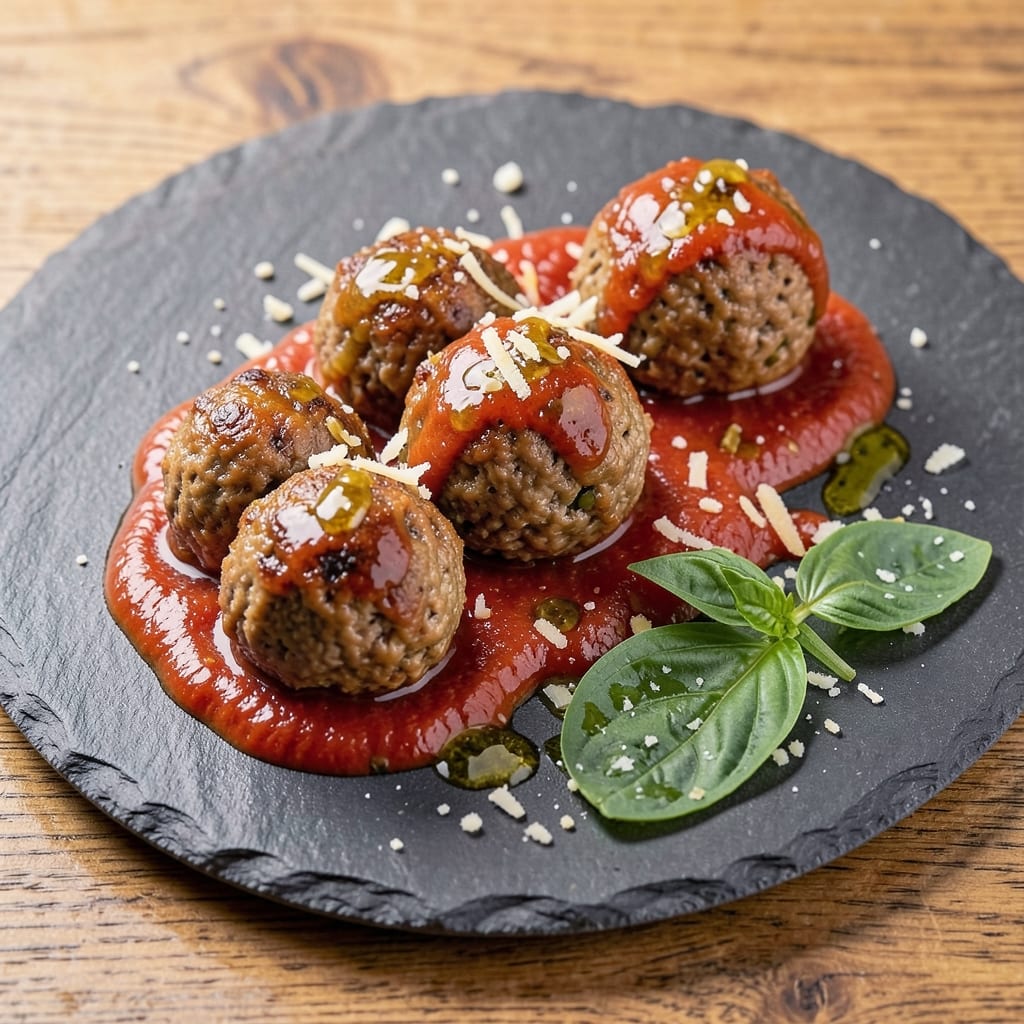
This all-ground beef meatball recipe delivers the perfect balance of a pan-seared crust and juicy centers that beg for another bite. After years of testing, I’ve refined the technique to ensure meatballs stay tender inside while developing a rich, caramelized exterior—no dry, rubbery results here. The secret lies in a precise ratio of fat to lean beef and a strategic resting period before cooking.
What sets these meatballs apart is their versatility and foolproof method. No need for breadcrumbs or binders that can make them dense; instead, we rely on a simple blend of ground beef, eggs, and aromatic seasonings to hold everything together. The pan-searing step transforms them into golden, crispy perfection, while the internal temperature remains ideal for that melt-in-your-mouth texture.
Once you try these meatballs, you’ll never settle for anything less. Serve them with marinara for a classic spaghetti night, nestled in mashed potatoes for a hearty meal, or even as sliders for game day. The possibilities are endless, but the technique remains the same: juicy, flavorful, and impossible to resist. Let’s get started.
This recipe is designed for restaurant-quality results at home, with clear instructions and time-saving tips to make the process seamless. Whether you’re feeding a family or hosting a gathering, these meatballs will be the star of the show. Ready to master them?
Ingredients for all ground beef meatball
Restaurant-quality meatballs start with these precision ingredients—juicy beef, aromatic aromatics, and strategic binders.
| Ingredient | Amount | Notes |
|---|---|---|
| Ground Beef (80/20 fat ratio) 🥩 | 1 ½ lb | Fat content crucial for juiciness |
| Large Eggs 🥚 | 2 whole | Room temperature for even binding |
| All-Purpose Flour 🌾 | ¼ cup | Lightly coats meatballs for crust |
| Grated Parmesan Cheese 🧀 | ½ cup | Freshly grated adds umami depth |
| Garlic Cloves 🧄 | 4 cloves | Minced for aromatic foundation |
| Shallots 🧅 | 2 whole | Finely minced, milder than onions |
| Fresh Parsley 🌿 | ¼ cup | Chopped, vibrant color indicator |
| Extra-Virgin Olive Oil 🫒 | 1 tbsp | High quality for pan-searing |
| Diamond Crystal Kosher Salt 🧂 | 1 ½ tsp | Fine grain for even distribution |
| Freshly Ground Black Pepper 🌶️ | 1 tsp | Coarsely cracked for texture |
| Dried Oregano 🍃 | 1 tsp | Italian variety preferred |
| Dried Basil 🌿 | ½ tsp | Substitute with fresh at 1:3 ratio |
| Vegetable Oil (for pan) 🫒 | ½ cup | High smoke point for searing |
The 80/20 ground beef is non-negotiable here—this fat ratio delivers that perfect pan-seared crust while keeping centers juicy. Costco and Whole Foods carry excellent pre-ground options, but if buying whole cuts, trim and grind yourself for freshness. The Parmesan should be freshly grated; pre-shredded contains anti-caking agents that ruin texture. For the shallots, Trader Joe's sells pre-minced jars that save prep time without sacrificing flavor. The olive oil matters too—look for California Extra Virgin with a harvest date within the last year for peak freshness. All ingredients should be room temperature before mixing to ensure even binding and even cooking.
No Parmesan? Pecorino Romano works in a pinch, though it's saltier. Short on fresh parsley? Dried parsley at half the amount suffices, though fresh is ideal for that vibrant color. The flour acts as a light binder—if you're avoiding gluten, almond flour works but yields denser meatballs. For the olive oil, if you're using a lower-quality bottle, toast it first in the pan for 30 seconds to burn off any off-flavors. The oregano and basil should be Italian varieties—Penzeys carries excellent bulk options. And while the recipe calls for shallots, yellow onions work in a bind, though they'll impart a slightly sharper flavor.
Store prepped meatball mixture in an airtight container between uses—keeps for up to 2 days in the fridge. For longer storage, freeze portions on a parchment-lined tray before transferring to a bag (prevents clumping). Thaw overnight in the fridge before cooking. The pan-seared meatballs reheat beautifully—4-5 minutes at 350°F restores their crispy exterior. For make-ahead convenience, pre-cook and freeze fully done meatballs, then reheat straight from frozen in marinara for 10-12 minutes. The extra-virgin olive oil in the pan should be discarded after use—it carries the rich flavors of previous searing sessions.
Why You'll Love This Recipe
- No-Fuss Mixing: I swear by this—just hands and a bowl. The 80/20 beef stays juicy, the flour binds everything without overworking, and the egg and Parmesan hold it all together while I’m still scrolling through my phone. Five minutes of effort, zero stress.
- Garlic Butter Magic: That minced garlic and Parmesan? It’s the secret weapon. The flour adds a subtle crisp when baked, and the fat in the beef keeps them tender inside. Honestly, these taste like they simmered for hours, not 20 minutes.
- Freezer-Friendly Hero: I make a double batch every Sunday because they freeze like a dream. Toss them in a bag, and they’re ready for spaghetti night, tacos, or a quick stir-fry. No thawing needed—just pop them in.
- Budget Stretch: Ground beef is cheap, and this recipe uses every bit. The Parmesan and flour elevate it without breaking the bank, and leftovers reheat perfectly. My wallet and my family thank me every time.
Step-by-step instructions for perfectly juicy meatballs
Here's the method that guarantees tender, flavorful meatballs with a golden crust every time.
Prepare the Aromatic Base
In a food processor, combine the 2 whole Large Eggs, 0.25 cup All-Purpose Flour, 1.5 tsp Diamond Crystal Kosher Salt, 1 tsp Freshly Ground Black Pepper, 1 tsp Dried Oregano, and 0.5 tsp Dried Basil. Pulse until just combined - you want a smooth, homogeneous mixture without overworking the eggs.
Add the 4 cloves Garlic Cloves and 2 whole Shallots to the processor. Pulse again until finely minced - you should see a paste-like consistency with no visible chunks. This aromatic base forms the flavor foundation for your meatballs. Transfer the mixture to a medium bowl and set aside.
Combine Meat and Seasonings
In the same bowl, gently fold in the 1.5 lb Ground Beef (80/20 fat ratio) using your hands. Work quickly but carefully to avoid compacting the meat too much - you want to maintain some air pockets for tenderness. Add the 0.5 cup Grated Parmesan Cheese and 0.25 cup Fresh Parsley, mixing just until evenly distributed throughout.
The 80/20 fat ratio is crucial here - the fat keeps meatballs moist while rendering creates that perfect crust. Avoid overmixing at this stage - you're looking for a uniform color and texture, not a dense meatball dough. The mixture should hold together when pressed but still have some give.
Form and Chill Meatballs
Using slightly damp hands (this prevents sticking), roll the mixture into 1.5-inch diameter meatballs - about 12 total for 4 servings. Place them on a parchment-lined plate and refrigerate for 30 minutes. This chilling step is essential for maintaining shape during cooking and developing better texture.
While chilling, prepare your baking sheet by lining it with parchment paper. The cold meatballs will hold their shape better when they hit the hot pan, resulting in more uniform cooking. This is also when the flavors begin to meld - you'll notice the aroma intensifying as they rest.
Pan-Sear for Perfect Texture
Heat 0.5 cup Vegetable Oil in a large skillet over medium-high heat until it shimmers - about 2 minutes. Working in batches to avoid crowding, add the chilled meatballs in a single layer. Cook undisturbed for 3-4 minutes until they develop a deep golden brown crust on all sides.
Here's the critical part: resist the urge to press down on the meatballs. The fat will render naturally, creating that perfect sear while keeping the centers juicy. You'll know they're ready when they release easily from the pan and have developed a rich, caramelized crust. Transfer cooked meatballs to a paper towel-lined plate to drain excess oil.
Finish with Olive Oil
Reduce heat to medium-low and add 1 tbsp Extra-Virgin Olive Oil to the same skillet. Return the cooked meatballs to the pan and toss gently to coat them with the oil. This final step adds richness and helps distribute any remaining juices back onto the surface.
Cook for an additional 1-2 minutes until heated through. The meatballs should be piping hot throughout with a crisp exterior and tender interior. Serve immediately while still hot - the contrast between the crisp crust and juicy center is what makes these meatballs exceptional.
Pro Tips For Making All Ground Beef Meatball
- Chill the Mixture First: I learned this the hard way—skipping the fridge makes your meatballs greasy and prone to falling apart. After mixing everything, give the dough a solid 30-minute rest in the fridge. The fat redistributes, the flour absorbs moisture, and you’ll get that perfect hand-hold shape without it sticking.
- Use Cold Hands for Shaping: Warm hands make the mixture too soft to handle properly. Wet your palms first, then shape the meatballs with cold fingers—it keeps the edges tight and prevents them from flattening when they hit the pan. (Yes, even if you're impatient like me.)
- Skip the Overmixing: I used to knead this like bread dough, thinking more work meant better texture. Wrong. Overmixing develops gluten, which turns your meatballs dense and rubbery. Mix just until the flour and Parmesan are evenly distributed—about 10-12 turns with a fork.
- Rest Them After Cooking: Freshly cooked meatballs taste underwhelming straight out of the pan. Give them 5 minutes under foil to reabsorb their juices—this is when the flavors really meld. (Your future self will thank you.)
Wine and beer pairings for this recipe
Classic Red Wine
A bold Chianti Classico or Sangiovese from Tuscany is my go-to pairing for these meatballs. The medium-bodied red wine with its bright acidity and notes of cherry and earth cuts through the richness of the pan-seared crust while complementing the umami depth of the Parmesan. Look for a bottle with 12-14% ABV—something like Castello di Volpaia Chianti Classico or Biondi-Santi Brunello di Montalcino for a premium experience. Serve slightly chilled (60-65°F) to enhance its freshness against the warm meatballs. 🍷
Italian White Wine
For a lighter option, a crisp Vermentino from Sardinia or Pinot Grigio from Alto Adige balances the dish beautifully. The citrus and mineral notes in these whites refresh your palate between bites of meatballs. I recommend La Giustiniana Vermentino or Santa Margherita Pinot Grigio—both have enough body to stand up to the dish without overpowering it. Serve at 45-50°F to highlight their bright acidity. The lemony finish also pairs wonderfully with the fresh parsley in the meatballs.
Malty Amber Beer
If you prefer beer, an amber ale or Italian-style lager bridges the gap between the meaty richness and the herbaceous notes. A Peroni or Birra del Borgo offers a clean, slightly malty profile that won’t compete with the meatballs’ flavors. For a craft option, try a Belgian witbier like Hoegaarden—its coriander and orange peel notes add a refreshing contrast. Serve at 40-45°F to maintain crispness. The carbonation also helps cut through the fat, making each bite feel lighter. 🍺
Bold Rosé
Don’t overlook a dry Provençal rosé for a surprising yet harmonious match. The pale pink hue of a Whispering Angel or Château d’Esclans pairs visually and flavorfully with the golden crust of the meatballs. These wines often have notes of red berries and a touch of pepper, which mirror the oregano and basil in the recipe. Serve well-chilled (45-50°F) to emphasize their crisp, refreshing profile. It’s a fantastic choice for warmer weather or when you want something lighter than red wine.
Fortified Wine
For a dessert-friendly pairing or a sipping option after the meal, a dry Italian vermouth like Carpano Antica or Martini Rosso adds an elegant finish. The herbal and citrus notes echo the parsley and shallots in the meatballs, while the slight sweetness balances the savory richness. Serve at 50-55°F in a small wine glass to savor its complexity. This is also a great way to repurpose any leftover meatballs the next day—simply toss them in a light vermouth-infused sauce for a unique twist. 🍷
Nutrition facts
Frequently asked questions
Why does the recipe specify 80/20 ground beef instead of leaner cuts?
The 80/20 fat ratio is essential for juicy meatballs with a perfect crust. The fat renders during cooking, creating flavor and moisture while the lean beef holds the shape. Using leaner cuts (like 90/10) risks dry, tough meatballs that lack that satisfying crispy exterior. The fat also helps distribute seasonings evenly throughout.
Can I make these meatballs ahead of time?
Shape and chill the meatballs up to 2 days ahead, then store them in an airtight container. For fully cooked meatballs, pan-sear as directed, then refrigerate for up to 4 days or freeze for 3 months. Reheat in a skillet with 1 tbsp olive oil over medium heat for 3-4 minutes to restore crispiness.
What's the best way to serve these meatballs?
These versatile meatballs shine in classic dishes like spaghetti with marinara, meatball subs, or mashed potatoes with gravy. For a lighter option, toss with zucchini noodles and lemon. The pan-seared crust holds up well to sauces, but serve immediately for the best texture. Pro tip: Garnish with extra fresh parsley right before serving.
Why do my meatballs turn out dry?
Overmixing the meat or using lean beef are the most common causes. Always handle the mixture gently to maintain air pockets, and stick to 80/20 ground beef. Another trick: don't overcrowd the pan during cooking—this traps steam and makes meatballs steam instead of sear. Let them rest 5 minutes after cooking before serving to redistribute juices.
Can I use this recipe for meatball subs?
Perfect for subs! After pan-searing, slice the meatballs in half and arrange them on toasted hoagie rolls with marinara or pepperoncini sauce. Add provolone cheese and toast in a 375°F oven for 5 minutes until melted. The crispy exterior holds up beautifully to sandwiches. For extra flavor, brush with garlic butter before toasting.