
Snacks
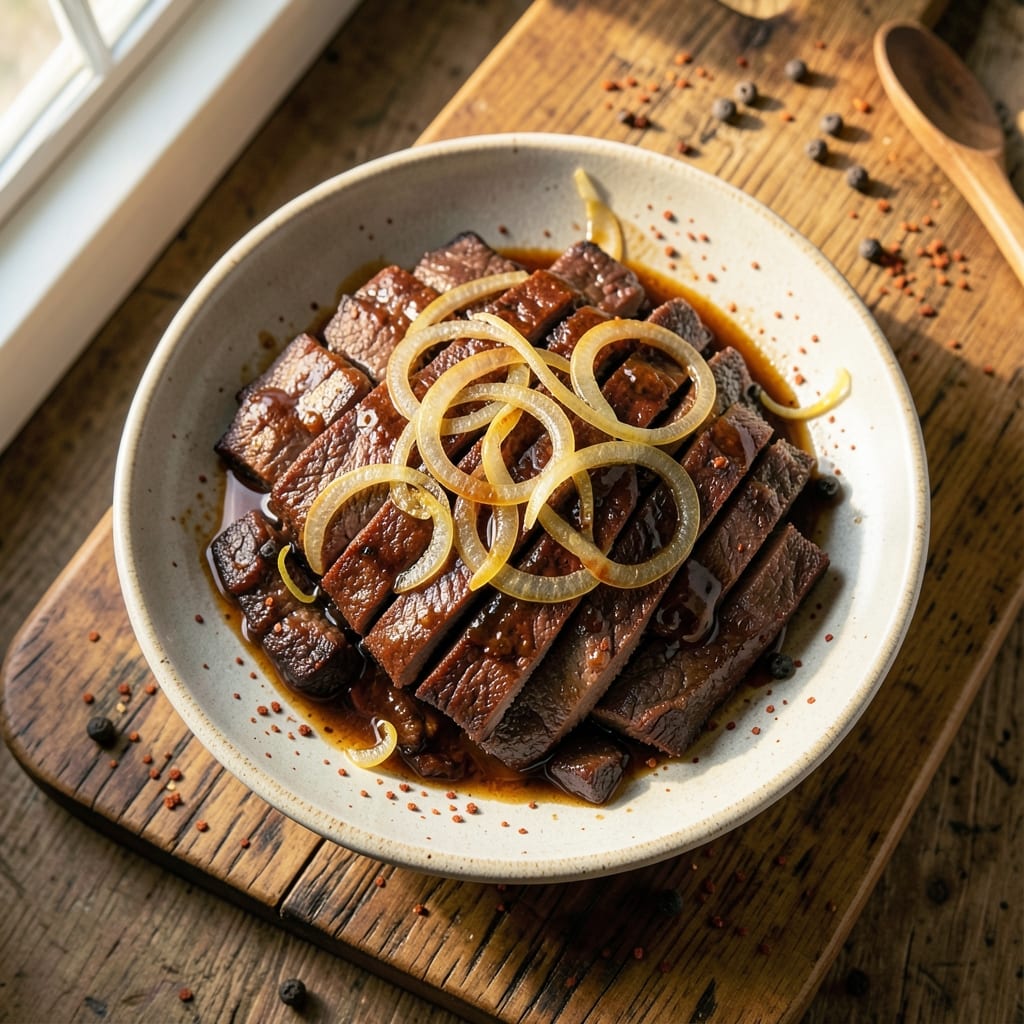
This all-natural beef jerky recipe transforms lean cuts of grass-fed beef into chewy, protein-packed snacks using only dehydrator magic and simple ingredients. The process preserves natural flavors without artificial preservatives, creating a snack that's perfect for hiking, travel, or satisfying cravings between meals. With just six hours of hands-off drying time, you'll have restaurant-quality jerky that's healthier than store-bought versions.
We start with high-quality beef cuts like top round or flank steak, sliced paper-thin for even drying and maximum flavor penetration. A marinade of natural ingredients—sweet and smoky—infuses every strand, creating that perfect balance of sweetness and savory depth. The key is proper slicing technique and consistent drying temperatures to ensure food safety while maintaining that perfect chewy texture.
What you'll end up with is a batch of all-natural beef jerky that's rich in protein, free from artificial additives, and packed with authentic flavor. The dehydrator method ensures even drying and preserves the meat's natural goodness. This recipe delivers restaurant-quality results at home, with none of the preservatives found in commercial brands.
The best part? This method works equally well for traditional beef jerky or custom variations like teriyaki or peppered flavors. Store properly, and your jerky will stay fresh for months, ready to fuel your adventures or satisfy snack cravings anytime. Let's get started with this protein-packed recipe that's as healthy as it is delicious.
Ingredients for all natural beef jerky
Six simple ingredients transform lean beef into restaurant-quality jerky with natural smoky-sweet flavor.
| Ingredient | Amount | Notes |
|---|---|---|
| Top Round or Flank Steak 🥩 | 2 lb | Grass-fed preferred, sliced thinly |
| Brown Sugar 🍯 | ½ cup | Light or dark variety |
| Worcestershire Sauce 🍶 | ¼ cup | Anchovy-free version for purity |
| Apple Cider Vinegar 🍏 | ¼ cup | Organic preferred |
| Smoked Paprika 🌶️ | 2 tbsp | High-quality for smoky depth |
| Ground Black Pepper 🌶️ | 1 tbsp | Freshly cracked for intensity |
| Garlic Powder 🧄 | 1 tbsp | Freshly ground preferred |
| Onion Powder 🧅 | 1 tbsp | For aromatic depth |
| Salt 🧂 | 1 tbsp | Kosher or sea salt |
| Honey 🍯 | 2 tbsp | Raw preferred for purity |
| Olive Oil 🫒 | 1 tbsp | Extra-virgin for richness |
The beef is everything here—top round or flank steak from a trusted butcher or Costco delivers the best texture. Look for grass-fed cuts if possible (they're leaner and pack more flavor). Slice against the grain into paper-thin strips—this is non-negotiable for chewy perfection. I always ask the butcher to slice it for me (they're happy to help), or use a sharp knife and freeze the meat 30 minutes first to make slicing easier. Walmart or Trader Joe's often carry pre-sliced jerky beef if you're short on time, but it's pricier.
Worcestershire sauce can be tricky—some brands contain anchovies. Anchovy-free versions (like Annie's) keep this 100% natural. Swap apple cider vinegar for white vinegar or balsamic if needed, though the acidity level will differ slightly. For the smoky depth, Penzeys smoked paprika is my go-to, but any high-quality brand works. The brown sugar and honey balance the savory notes perfectly—don't skip either. Pro tip: Mix your marinade in a glass jar (it's easier to whisk and store). If you're making teriyaki-style jerky, swap half the Worcestershire for low-sodium soy sauce and add ginger.
Marinated beef stays fresh in the fridge for 24 hours before dehydrating. Store your dry jerky in an airtight container with parchment paper between layers to prevent sticking. It keeps for 3-4 months in a cool, dark place or 6 months in the freezer. For extra shelf life, vacuum-seal portions. The flavor actually improves after a few weeks as the meat dries further. Pack a few pieces in your hiking snacks or office drawer—you'll be the hero with this protein-packed treat.
Why You'll Love This Recipe
- No-Fuss Prep: I swear by this method—just slice the steak thin (freeze it first if you’re nervous about the knife), toss it in the marinade, and let the dehydrator or oven do the rest. Honestly, it’s the kind of recipe where you can multitask: I’ll often start it while I’m folding laundry or scrolling through my phone.
- Sweet-Smoky Magic: That combo of brown sugar and smoked paprika? It’s like a flavor hug. The vinegar keeps it tangy, the Worcestershire adds depth, and the result is jerky that’s not too sweet, not too smoky—just right. My kids (and my husband) fight over the last piece, and I’ve never heard anyone complain.
- Snack Attack Ready: This jerky is my secret weapon for road trips, gym bags, and late-night cravings. It stays fresh for weeks in the fridge or freezer, so I always have a stash. Between us, I’ve even packed it for date nights—because nothing says “I put in effort” like homemade jerky instead of store-bought.
- Budget Stretch: A single flank steak makes enough for a week of snacks, and the marinade costs pennies. I’ll be real: I’ve made this with cheaper cuts before, and as long as you trim the fat, it turns out just as good. Plus, no weird preservatives or overpriced packaging—just real meat and real flavor.
Step-by-step instructions for all-natural beef jerky
Transform simple ingredients into restaurant-quality jerky using just your dehydrator.
Prepare the Meat for Perfect Texture
Begin by slicing the 2 lb Top Round or Flank Steak against the grain into ¼-inch thick strips. This cut ensures maximum tenderness in your final jerky. I use a sharp boning knife for clean slices—dull blades crush the meat, making it tough.
Place the sliced meat in a large bowl and cover with cold water. Let it soak for 1-2 hours in the refrigerator. This step removes excess surface moisture, which is crucial for even dehydration and preventing a gummy texture. Drain thoroughly and pat each strip dry with paper towels—you want them bone-dry before marinating.
Create the Flavor-Packed Marinade
In a separate bowl, whisk together the 0.5 cup Brown Sugar, 2 tbsp Honey, 0.25 cup Worcestershire Sauce, and 0.25 cup Apple Cider Vinegar until fully dissolved. This sweet-tangy base forms the foundation of your jerky's complex flavor profile. The brown sugar and honey caramelize slightly during dehydration, adding depth.
Add the 2 tbsp Smoked Paprika, 1 tbsp Garlic Powder, 1 tbsp Onion Powder, 1 tbsp Ground Black Pepper, and 1 tbsp Salt to the wet ingredients. Stir until the spices are evenly distributed and the marinade has a thick, syrupy consistency. This blend delivers smoky, savory, and slightly sweet notes that define premium jerky.
Marinate the Meat for Maximum Flavor
Add the drained beef strips to the marinade and mix gently to coat each piece completely. I like to use my hands for this—it ensures even coverage and helps the meat absorb the marinade. Transfer everything to a resealable plastic bag and refrigerate for at least 12 hours, preferably overnight. The longer it marinates, the deeper the flavor penetration.
After marinating, remove the beef and let it sit at room temperature for 30 minutes before dehydrating. This step prevents condensation buildup in your dehydrator, which can make your jerky soggy. The meat should be thoroughly coated and slightly sticky from the marinade.
Arrange for Even Dehydration
Preheat your dehydrator to 160°F—this temperature ensures thorough dehydration without drying out the meat. Line the dehydrator trays with parchment paper and arrange the marinated beef strips in a single layer, leaving ¼-inch space between each piece. Overcrowding leads to uneven drying and potential spoilage.
For best results, I rotate the trays halfway through the process. This ensures all pieces receive equal airflow and dries uniformly. Place a small fan near the dehydrator to help circulate air if your model doesn't have built-in ventilation.
Dehydrate to Perfect Chewiness
Dehydrate for 6-8 hours, checking periodically after the first 4 hours. The jerky is done when it's completely dry to the touch and no longer flexible—it should snap when bent but not crumble. For extra insurance, use a meat thermometer to verify the internal temperature reaches 165°F in the thickest pieces.
Once fully dehydrated, remove the jerky and let it cool completely on a wire rack. This cooling step prevents condensation from forming when you store it. The final product should have a rich, caramelized color from the brown sugar and honey, with a slightly sticky but firm texture. Store in an airtight container for up to 2 weeks at room temperature or 3 months in the freezer.
Pro Tips For Making All Natural Beef Jerky
- Freeze First: Pop your sliced steak in the freezer for 30 minutes before marinating—it tightens the fibers so they don’t shrink into sad, rubbery strips. I used to skip this, and my jerky came out chewy no matter how long I dried it. ---
- Trim the Fat: Scrape off every last bit of silver skin and visible fat before slicing—it doesn’t render out evenly and turns your jerky greasy instead of crisp. A sharp knife and a steady hand make this faster than you’d think. ---
- Marinate Overnight: The Worcestershire and vinegar need at least 12 hours to work their magic into the meat. I learned this after making a batch in 4 hours and ending up with jerky that tasted like seasoning on top of raw beef. ---
- Pat Dry, Then Dry Again: After marinating, blot the slices with paper towels, then lay them on a wire rack for 10 minutes to evaporate any surface moisture. Wet jerky won’t crisp up, no matter how long you dehydrate it. (Yes, even if you’re impatient like me.)
Serving suggestions for all natural beef jerky
Snack Packing
Portion your jerky into single-serving bags (about 2 oz per bag) for easy grab-and-go snacks. I use resealable quart-sized freezer bags—they're lightweight, stackable, and perfect for backpacks. Label with the date to track freshness. For a trail mix twist, combine with dried fruit (apricots, cranberries) and nuts (almonds, cashews) for balanced energy. 🥾
Protein-Packed Meals
Use your jerky as a high-protein base for quick meals. Toss 2-3 oz with quinoa or couscous for a cold salad, or layer it in lettuce wraps with cream cheese and everything bagel seasoning for a low-carb lunch. For a warm option, simmer strips in beef broth with sliced mushrooms and garlic for a fast stew. The jerky adds depth without extra cooking time.
Gift-Worthy Presentation
Elevate your jerky for gifting by rolling strips around wooden skewers (available at craft stores) and tying with twine. Package in mini mason jars with a handwritten tag for a rustic touch. For a luxury presentation, arrange strips in a clear glass jar layered with dried rose petals or coarse sea salt. Include a small card with storage tips—this makes it a thoughtful, shareable snack.
Dessert Twist
Yes, jerky can be dessert! Crush 1-2 oz into fine crumbles and mix with dark chocolate (melted) and peanut butter for jerky bark. Press onto parchment paper, chill, then break into pieces. For a savory-sweet snack, drizzle white chocolate over jerky strips and sprinkle with crushed pistachios. The smoky-sweet combo is surprisingly addictive. 🍫
Travel Essentials
Jerky is a TSA-approved travel snack—pack it in your carry-on to avoid airport food markups. I keep pre-portioned bags in my work bag and gym backpack for quick protein boosts. For road trips, pair with trail mix and beef jerky in a collapsible silicone container to save space. The high protein keeps you full during long drives or flights. 🚗
Party Platter Star
Arrange jerky strips on a wooden board with cheese cubes, olives, and nuts for a no-cook appetizer platter. Add mini flags (toothpicks + paper) for a festive touch. For a game-day spread, serve with spicy mustard and honey butter for dipping. The smoky-sweet flavor pairs perfectly with craft beers or sparkling wine. 🍾
Nutrition facts
Frequently asked questions
Can I use any cut of beef for jerky?
Lean cuts work best—top round, flank steak, or sirloin are ideal because they have less fat. Avoid fatty cuts like ribeye as they won't dry properly and may spoil faster. Grass-fed beef adds extra flavor, but conventional beef works too. Always slice against the grain for maximum tenderness.
What if I don't have a dehydrator?
No problem! Use your oven at 175°F with the door slightly open for airflow. Place strips on a wire rack over a baking sheet and dehydrate for 4-6 hours, checking frequently. A smoker at 165°F also works well for a smokier flavor. Just ensure the internal temp reaches 165°F for safety.
How do I know when the jerky is fully dried?
Your jerky is done when it's completely dry to the touch and snaps (not bends) when bent. The edges should be crispy, and no moisture should remain. For extra safety, use a meat thermometer to confirm the center reaches 165°F. If it's too chewy, return it to the dehydrator for 1-2 more hours.
Can I make jerky without Worcestershire sauce?
Swap it for 1 tbsp soy sauce + 1 tbsp balsamic vinegar for a similar umami kick. For a teriyaki-style jerky, use ¼ cup soy sauce + 1 tbsp ginger + 1 tbsp honey. The key is balancing sweet, savory, and acidic flavors—adjust to taste. The marinade should coat the meat evenly.
Why did my jerky turn out gummy?
Gummy jerky usually means it didn't dry long enough or had too much moisture. Double-check your drying time (6-8 hours at 160°F) and ensure the meat was bone-dry before marinating. If using an oven, prop the door open slightly for better airflow. For extra insurance, pat strips dry again before dehydrating.