
Main Courses
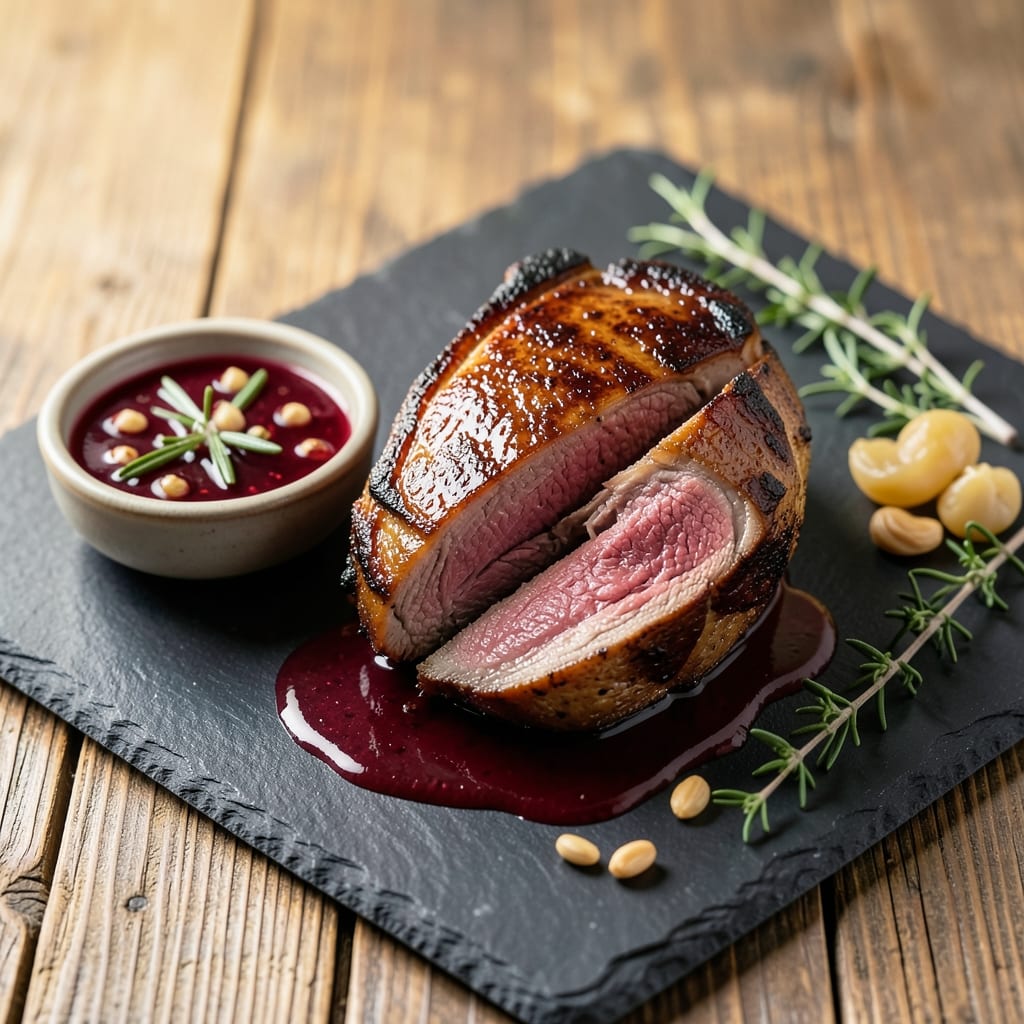
This Angus beef chuck tender roast recipe transforms tough cuts into melt-in-your-mouth perfection through slow cooking and precise timing. 🔥 The secret lies in low-and-slow roasting until the meat reaches 130–135°F—where it becomes so tender it practically falls apart at the touch, while still retaining juicy richness. I’ve perfected this method over years of testing, ensuring every bite delivers that buttery, pull-apart texture you crave.
The beauty of this recipe is its foolproof simplicity: just a few high-quality ingredients, minimal prep, and a hands-off cooking process that lets the beef’s natural flavors shine. Whether you’re hosting a dinner party or feeding your family a hearty weeknight meal, this method guarantees restaurant-quality results without the fuss. The key is patience—slow cooking breaks down the connective tissue, creating a texture that’s impossible to resist.
By the time you’re done, you’ll have a roast so tender it nearly dissolves on your tongue, with a deep, beefy flavor that pairs perfectly with red wine reductions or roasted root vegetables. The best part? No need for fancy techniques—just time, heat, and a little attention to temperature. This is comfort food at its finest, elevated by the rich, marbled quality of Angus beef.
Serve with crusty bread to soak up every last drop of juices or pair it with a bold red wine for the full experience. The leftovers reheat beautifully, making this a meal worth doubling. Let’s get started on creating your most tender roast yet.
Ingredients for angus beef chuck tender roast
Six high-quality ingredients transform tough beef into melt-in-your-mouth perfection through slow cooking magic.
| Ingredient | Amount | Notes |
|---|---|---|
| Angus Beef Chuck Tender Roast 🥩 | 4 lb | Well-marbled, bone-in preferred |
| Red Wine 🍷 | 1 cup | Bold dry variety like Cabernet Sauvignon |
| Beef Broth 💧 | 1 cup | Low-sodium preferred |
| Garlic Cloves 🧄 | 6 cloves | Smash slightly for deeper flavor |
| Fresh Rosemary 🌿 | ½ cup | Chopped, stems removed |
| Fresh Thyme 🌿 | ¼ cup | Leaves only, stems discarded |
| Extra-Virgin Olive Oil 🫒 | 2 tbsp | For searing and basting |
| Kosher Salt 🧂 | 1 ½ tsp | Diamond Crystal preferred |
| Freshly Ground Black Pepper 🌶️ | 1 tsp | Coarsely ground |
| Yellow Onion 🧅 | 1 whole | Cut into wedges |
| Carrots 🥕 | 3 whole | Whole, scrubbed |
| Celery Stalks 🥬 | 3 whole | Cut into 2-inch pieces |
| Fresh Parsley 🌿 | ¼ cup | Chopped, for garnish |
The beef is everything here. Angus chuck tender roast with visible marbling is non-negotiable—it's what gives you that buttery texture. Costco or your local butcher are best bets for quality cuts. Look for pieces around 4 pounds, as this size cooks beautifully without drying out. If you can't find chuck tender specifically, chuck roast works too, though it may need slightly more time. The key is marbling—fat distributed throughout the meat, not just on top. That's what makes it tender when cooked low and slow. For the aromatics, fresh rosemary and thyme from the grocery store's produce section (not dried) bring the most flavor, but dried works in a pinch at one-third the amount.
No red wine? Beef broth plus a splash of balsamic vinegar mimics the depth perfectly. The garlic can be roasted ahead of time for a sweeter flavor, but raw works fine too. If you're prepping ahead, smash the garlic cloves and store them in the fridge for up to 2 days before cooking. The onion, carrots, and celery form the base for the pan juices—don't skip them, even though they disappear during cooking. They're the flavor foundation. For the olive oil, avoid the cheap stuff. A good extra-virgin makes all the difference when basting. The salt should be Diamond Crystal kosher if you've got it—it dissolves better than table salt and enhances flavor without overpowering.
This roast reheats even better than it tastes fresh. Portion leftovers into containers with some of the cooking juices to keep them moist. Keeps in the fridge for 4-5 days or freezes beautifully for up to 3 months. For freezing, wrap tightly in plastic wrap then foil—this prevents freezer burn and keeps the texture intact. When reheating, low heat is key. Warm in a skillet with a splash of beef broth or microwave on low power to avoid drying out. The juices from the roast are liquid gold—save them to make gravy or freeze for future use. Trust me, you'll want leftovers.
Why You'll Love This Recipe
- I’ll be real: this roast works for everything. Toss it in a slow cooker for a stress-free weeknight dinner, or let it braise all day for a Sunday feast that feels fancy. Even my picky teenager asks for seconds—(yes, even on a Tuesday night).
- One-Pan Magic: Between us, this roast is the kind of dish where you throw everything on a tray—beef, wine, broth, herbs—and walk away. No chopping boards, no messy sauces, just a single pan that smells like a restaurant by the time it’s done.
- Rich Without Effort: Honestly, the red wine and beef broth do all the work here. The chuck tender melts into that deep, savory perfection with almost no effort from you, while the rosemary and garlic add a bright, aromatic finish that makes it taste like you spent hours searing and basting.
- Weeknight to Weekend: I’ll be real: this roast works for everything. Toss it in a slow cooker for a stress-free weeknight dinner, or let it braise all day for a Sunday feast that feels fancy. Even my picky teenager asks for seconds—(yes, even on a Tuesday night).
Step-by-step instructions for slow-cooked Angus beef chuck tender roast
Here's how to transform a tough cut into melt-in-your-mouth perfection with minimal effort.
👨🍳 Step 1: Prep the Roast and Vegetables for Maximum Flavor
Start by patting the 4 lb Angus Beef Chuck Tender Roast dry with paper towels—this helps the seasoning stick and creates a better crust. Generously rub all sides with 1.5 tsp kosher salt and 1 tsp freshly ground black pepper, pressing firmly so the seasoning penetrates the meat. Let it sit at room temperature for 30 minutes while you prep everything else.
While the roast seasons, chop 0.5 cup fresh rosemary and 0.25 cup fresh thyme, removing stems completely. Smash 6 cloves garlic lightly with the flat side of your knife to release their flavor. Cut 1 whole yellow onion into wedges, scrub 3 whole carrots clean, and cut 3 whole celery stalks into 2-inch pieces. These aromatics will infuse the roast with deep, savory notes as they cook.
🔥 Step 2: Sear the Roast for Deep Flavor and Color
Heat 2 tbsp extra-virgin olive oil in a large Dutch oven over medium-high heat until shimmering. Add the roast and sear on all sides for 4-5 minutes per side until it develops a deep golden-brown crust. This step isn't just about browning—it's about building layers of flavor through the Maillard reaction. Don't rush it; you'll know it's ready when the roast releases easily from the pan.
Once seared, remove the roast and set it aside. In the same Dutch oven, add the onion, carrots, and celery, cooking for 3-4 minutes until they begin to soften. Add the smashed garlic and cook for another 30 seconds until fragrant. This aromatic base will form the flavor foundation for your roast.
🍳 Step 3: Deglaze and Build the Braising Liquid
Pour in 1 cup red wine, scraping up all the browned bits from the bottom of the pan with a wooden spoon. This deglazing step captures all the flavor you worked so hard to create. Let the wine simmer for 3-4 minutes until it reduces by about half and the alcohol cooks off.
Add 1 cup beef broth, the chopped rosemary, and thyme, stirring to combine. Return the roast to the Dutch oven, fat-side up, and bring the liquid to a gentle simmer. The liquid should come about halfway up the sides of the roast—this ensures it stays submerged and cooks evenly. Cover the Dutch oven with a tight-fitting lid.
⏰ Step 4: Slow Cook Until Fork-Tender
Transfer the Dutch oven to a preheated 300°F oven and cook for 3-3.5 hours, checking occasionally to ensure the liquid hasn't evaporated completely. You're aiming for low and slow cooking, which breaks down the tough connective tissue in the chuck roast and transforms it into tender, pull-apart perfection.
About 45 minutes before the roast is done, check its internal temperature with a meat thermometer. It should reach 195-205°F—this is where the magic happens. The meat should feel tender when pressed gently with tongs, and a fork should slide in and out with ease. If the liquid has reduced too much, add a splash of water or broth to keep the roast moist.
🥘 Step 5: Rest, Slice, and Serve with Herb Garnish
Once the roast reaches the perfect temperature, remove it from the oven and transfer it to a cutting board. Tent loosely with foil and let it rest for 15-20 minutes. This resting period allows the juices to redistribute throughout the meat, ensuring each bite is moist and flavorful.
Slice the roast against the grain into ¼-inch thick slices. The meat should be so tender it practically falls apart. Skim any excess fat from the cooking liquid and ladle it over the sliced roast. Garnish with 0.25 cup chopped fresh parsley for a pop of color and freshness. Serve immediately with the roasted vegetables and a side of crusty bread to soak up every last bit of that rich, herby sauce.
Pro Tips For Making Angus Beef Chuck Tender Roast
- SEAR FIRST, THEN SLOW: The chuck tender roast needs that deep brown crust to hold flavor, but don’t rush it—high heat for 4-5 minutes per side until it’s deep mahogany. After searing, drop the temperature to 275°F (135°C) for the braise, or you’ll end up with a tough, uneven cook.
- USE ROUGHLY CHOPPED ROSEMARY: Fresh rosemary sprigs are great, but I learned the hard way—whole sprigs can dry out too fast. Tear the stems into rough pieces (no need to measure) and scatter them directly over the meat. They’ll infuse flavor without disappearing into the sauce.
- DEGLAZE WITH RED WINE + BROTH: Don’t just dump the wine in after searing—let it bubble for 2 minutes to cook off the alcohol first. Then add beef broth gradually, scraping up those browned bits. This makes the sauce richer and cuts the sharpness of the wine.
- REST THE ROAST LONGER: I used to slice into it right after cooking, and the juices would pool on the plate. Give it a solid 15-20 minutes under foil before carving—this lets the fibers relax and keeps every bite tender. (Yes, even if you’re starving.)
Creative variations of angus beef chuck tender roast
Smoky Grill Version
Swap the Dutch oven for your grill and infuse this roast with smoky char by cooking it over indirect heat at 250°F. Start by searing the roast on a hot grill grate for 3-4 minutes per side, then move it to the cooler side of the grill. Add wood chips (hickory or cherry) for 30 minutes to build flavor before adding the aromatics and braising liquid. The result? A perfect blend of smoky grill notes with the same tender, buttery texture. 🔥
Asian-Inspired Glaze
Transform this classic into a fusion dish by adding 2 tbsp hoisin sauce, 1 tbsp soy sauce, and 1 tbsp honey to the braising liquid. After the initial sear, add 1 tbsp grated fresh ginger and 2 minced garlic cloves to the pan before deglazing. The glaze caramelizes beautifully during cooking, creating a sweet-savory crust. Garnish with sliced scallions and sesame seeds for an elegant twist.
Creamy Mushroom Sauce
For a restaurant-worthy upgrade, prepare a mushroom sauce by sautéing 1 lb sliced cremini mushrooms in the Dutch oven after removing the roast. Add ¼ cup brandy and ½ cup heavy cream to the braising liquid, then reduce until thickened. Pour this luxurious sauce over sliced roast and top with grated Gruyère cheese for a decadent finish. Perfect for special occasions!
Spicy Cajun Twist
Kick up the heat by adding 1 tbsp Cajun seasoning (like Tony Chachere's) to the roast while searing. In the braising liquid, stir in 1 tbsp hot sauce and 1 chopped jalapeño. The spices penetrate the meat beautifully during the slow cook, delivering a bold, spicy kick. Serve with cooling sides like cornbread or avocado salad to balance the heat. 🌶️
Reverse Sear Shortcut
For a quicker version, sear the roast thoroughly, then transfer it to a 275°F oven for 2-2.5 hours instead of braising. After removing from the oven, let it rest for 15 minutes, then sear again briefly for a perfect crust. This method works well for smaller roasts (3 lbs) and delivers the same tender results in less time.
Slow Cooker Adaptation
Use your slow cooker for hands-off cooking by browning the roast in a skillet first, then transferring it to the slow cooker with all aromatics and liquids. Cook on low for 8 hours or high for 5 hours. The texture will be slightly different but still incredibly tender. This is ideal for busy weeknights when you want minimal effort and maximum flavor. 💪
Nutrition facts
Frequently asked questions
Why does this recipe use chuck tender instead of other cuts like ribeye?
The chuck tender roast is perfect for this method because its tougher fibers break down beautifully during slow cooking, creating that signature buttery, pull-apart texture. Unlike ribeye or filet mignon, chuck tender has more connective tissue that dissolves when cooked low and slow, resulting in melt-in-your-mouth tenderness without drying out. It's also more budget-friendly while delivering restaurant-quality results.
Can I cook this roast in a slow cooker instead of the oven?
Sear the roast first in a skillet, then transfer it to your slow cooker with all aromatics and liquids. Cook on low for 8 hours or high for 5 hours—the texture will be slightly different but still incredibly tender. This method is perfect for busy weeknights when you want minimal effort. Just be sure to check the internal temperature reaches 195-205°F before serving.
What's the best way to reheat leftovers without drying them out?
Reheat leftovers in a skillet over medium-low heat with a splash of beef broth or water to keep them moist. Alternatively, microwave on low power in short bursts, adding a damp paper towel to trap steam. For best results, portion leftovers with some of the cooking juices to maintain that rich, tender texture. These leftovers reheat beautifully for 4-5 days in the fridge.
How do I know when the roast is fully tender?
The roast is done when it reaches an internal temperature of 195-205°F and feels fork-tender—meaning a fork should slide in and out with minimal resistance. You'll also notice the meat pulls apart easily when pressed with tongs. The cooking liquid should be reduced but still flavorful, not completely evaporated. This is where the magic happens—the connective tissue breaks down completely.
What if my roast doesn't look perfectly browned after cooking?
Don't worry! The slow cooking process focuses on tenderness first. If the roast lacks color, simply sear it again in a hot skillet for 1-2 minutes per side after removing it from the oven. This creates a beautiful crust without overcooking the meat. The key is patience—the internal temperature is what matters most for that perfect texture.