
Soups & Stews
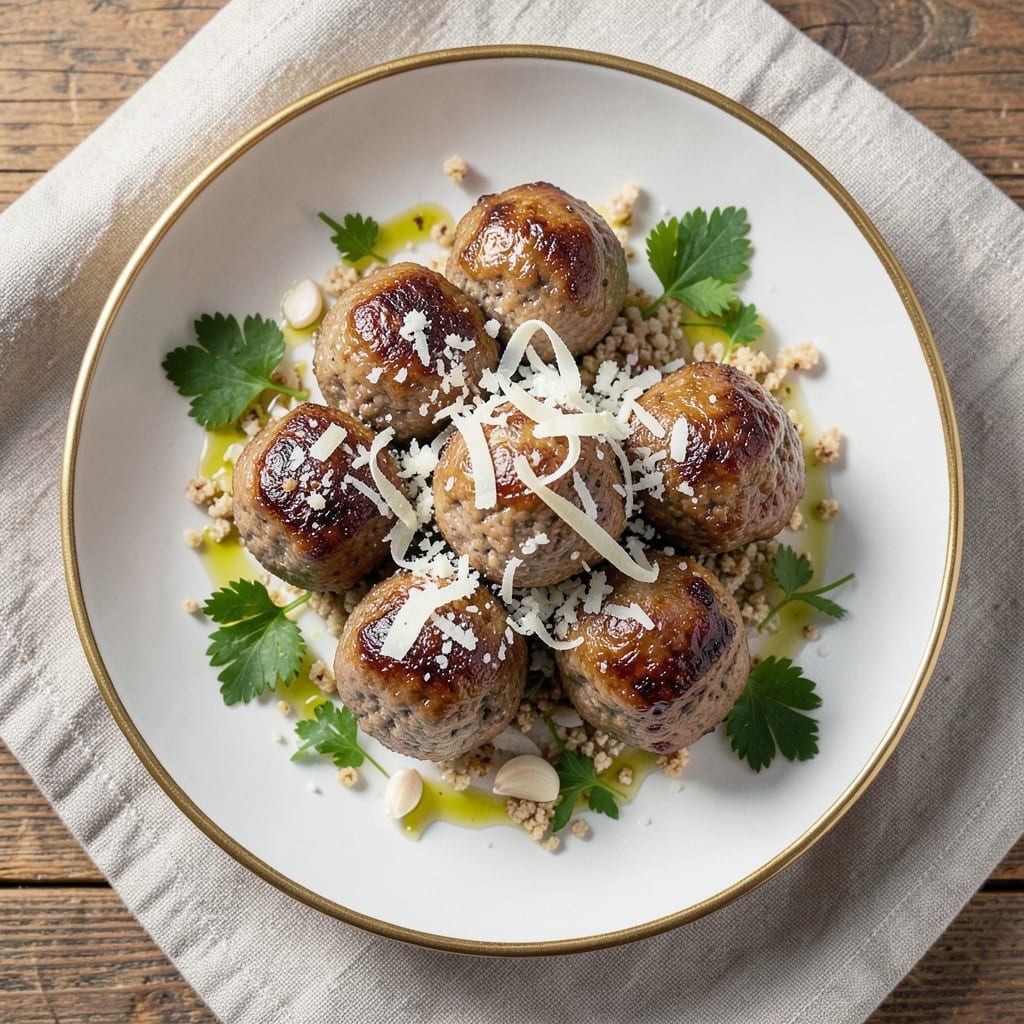
This Angus beef meatballs recipe delivers restaurant-quality results with tender, juicy centers and perfectly sealed exteriors—no tough, dry bites here. The secret lies in using high-quality beef, proper seasoning, and a gentle cooking method that preserves moisture while creating a golden-brown crust. I’ve perfected this technique over years of testing, ensuring every meatball stays succulent and flavorful.
What sets these apart is the balance of ingredients: finely ground beef, fresh herbs, and a touch of breadcrumbs for structure, all bound together with egg. The meatballs are formed by hand (for even texture) and cooked low and slow, whether pan-seared or baked, to guarantee a juicy interior every time. This method eliminates the risk of overcooking, which is critical for achieving that ideal seal.
The result is a dish that’s rich in umami, with a savory depth from garlic, Worcestershire, and Parmesan. Serve them in a hearty marinara, over creamy mashed potatoes, or as a standalone appetizer with toothpicks—each bite delivers melt-in-your-mouth tenderness. The recipe is designed to impress, whether you’re feeding a crowd or treating yourself to a luxurious meal.
For extra flair, try brushing the meatballs with melted butter before serving or adding a sprinkle of fresh parsley. The versatility of these meatballs makes them perfect for meal prep or last-minute entertaining. Let’s get started on creating meatballs that taste like they came straight from a high-end steakhouse.
Ingredients for angus beef meatballs
High-quality beef, precise seasoning, and gentle cooking create these luxurious, juicy meatballs.
| Ingredient | Amount | Notes |
|---|---|---|
| Angus Ground Beef 🥩 | 1 ½ lb | 80/20 fat ratio preferred |
| Large Eggs 🥚 | 2 whole | Room temperature for even binding |
| Parmesan Cheese 🧀 | ½ cup | Freshly grated, fine texture |
| Fresh Parsley 🌿 | ¼ cup | Finely chopped, stems removed |
| Fresh Garlic 🧄 | 4 cloves | Minced, not pre-minced jarred |
| Plain Breadcrumbs 🍞 | ½ cup | Panko for extra crispiness |
| Worcestershire Sauce 🍶 | 1 tbsp | High-quality, anchovy-free preferred |
| Extra-Virgin Olive Oil 🫒 | 1 tbsp | For even coating |
| Diamond Crystal Kosher Salt 🧂 | 1 tsp | Fine grain for even distribution |
| Freshly Ground Black Pepper 🌶️ | ½ tsp | Cracked peppercorns preferred |
| Unsalted Butter 🧈 | 2 tbsp | For finishing, melted |
| Vegetable Oil 🫒 | ¼ cup | High smoke point for searing |
| Fresh Basil 🌿 | ⅛ cup | Chopped, optional garnish |
The Angus beef is non-negotiable here—look for 80/20 fat ratio at your butcher or specialty market like Whole Foods or Costco. The marbling keeps these meatballs impossibly tender. Freshly grated Parmesan (not pre-shredded) adds depth, while Penzeys or McCormick for their finely ground spices ensures even distribution. The Worcestershire sauce should be the Lea & Perrins variety—it’s the gold standard for umami. For the parsley and basil, farmers markets deliver the freshest, most vibrant leaves, but grocery store bunches work in a pinch if handled quickly.
No Worcestershire? A splash of soy sauce plus a pinch of sugar mimics the depth. Substitute Pecorino Romano for Parmesan if you prefer a sharper bite. The breadcrumbs can be swapped for crushed crackers (like Triscuits) for added texture. If you’re avoiding anchovies, check labels—some Worcestershire contains them. For the garlic, roasting whole cloves before mincing adds a sweet, caramelized note that elevates the dish. The olive oil should be cold-pressed for the best flavor, and store-bought brands like California Olive Ranch are reliable. Pre-minced garlic from jars lacks freshness—skip it entirely.
Form the meatballs and refrigerate for at least 30 minutes before cooking to help them hold shape. These keep 4 days in the fridge, covered, or 3 months frozen on a tray before bagging. For meal prep, cook a double batch and portion into freezer-safe containers with a bit of marinara to prevent drying. Reheat gently in a skillet with a splash of water or broth—microwaving can make them rubbery. The butter finish? Melt it first for easier brushing, and keep an extra 1 tbsp on hand for the pan if searing.
Why You'll Love This Recipe
- Five-Ingredient Magic: I swear, these meatballs use only what’s already in my fridge half the time—Angus beef, eggs, Parmesan, garlic, and parsley. No weird binders, no hidden spices. Just rich, tender bites that taste like they took hours.
- Weeknight Hero: Between us, this is the recipe I turn to when I’m exhausted but still want something impressive. Roll them while the pasta boils, toss them in sauce, and boom—dinner’s served. No one needs to know it took 20 minutes.
- Leftovers That Don’t Suck: Honestly, I make double batches on purpose. These meatballs reheat like a dream—no drying out, no sad textures. Freeze half for lazy nights, and they’ll still taste like you slaved over them. (Yes, even on a Tuesday night.)
- Crowd-Pleaser Guarantee: Here’s what sold me—they’re fancy enough for company but simple enough for a Tuesday. My picky dad devours them, my kid sneaks bites, and my partner always asks for seconds. That’s the real test, right?
Step-by-step instructions for juicy Angus beef meatballs
Here's the method that guarantees tender, flavor-packed meatballs with a perfect seal every time.
Prepare the Meatball Mixture
In a large mixing bowl, combine the 1.5 lb angus ground beef with the 2 whole large eggs and 1 tbsp Worcestershire sauce. Use your hands to gently mix until just combined—this prevents overworking the meat, which can make the meatballs dense. The mixture should hold together without falling apart when pressed lightly.
Next, add the 0.5 cup freshly grated Parmesan cheese, 0.25 cup finely chopped fresh parsley, 4 cloves minced fresh garlic, 0.5 cup plain breadcrumbs, 1 tsp Diamond Crystal kosher salt, and 0.5 tsp freshly ground black pepper. Mix with your hands again until evenly distributed. The breadcrumbs will help bind the mixture while adding texture, but don't overmix—just until the ingredients are fully incorporated.
Form Uniform Meatballs
Wet your hands with cold water and roll the mixture into 1.5-inch diameter meatballs, using about 1.5 ounces of mixture per meatball (this yields approximately 12 meatballs for 4 servings). The cold water prevents sticking and helps maintain shape. Place them on a parchment-lined plate and refrigerate for 15 minutes—this resting period ensures they hold together during cooking.
This chilling step is crucial for achieving that perfect seal when searing. The meatballs should firm up slightly, making them easier to handle without breaking apart. If the mixture feels too sticky, add 1-2 tablespoons more breadcrumbs to absorb excess moisture.
Sear for Maximum Flavor
Heat 0.25 cup vegetable oil in a large skillet over medium-high heat until it shimmers but doesn't smoke. Working in batches to avoid crowding, add the meatballs and cook for 3-4 minutes per side until they develop a deep golden-brown crust. The oil should sizzle gently—the meatballs should release easily when ready to flip.
Don't rush this step. The searing creates a flavorful crust that locks in juices. If you see any meatballs starting to brown too quickly, reduce the heat slightly to prevent burning. Once all meatballs are evenly browned, transfer them to a plate and tent loosely with foil to keep warm.
Finish with Butter and Herbs
In the same skillet, reduce heat to medium and add the 2 tbsp unsalted butter and 1 tbsp extra-virgin olive oil. Let the butter melt and foam, then return the meatballs to the skillet. Spoon the melted butter mixture over them, coating evenly. Add the 0.125 cup chopped fresh basil and toss gently to combine.
Cook for an additional 1-2 minutes until the meatballs reach an internal temperature of 160°F when checked with an instant-read thermometer. The butter will baste the meatballs, adding richness and helping to create a glossy finish. The basil infuses subtle aromatic notes that complement the umami flavors.
Rest and Serve
Transfer the meatballs to a serving platter and let them rest for 5 minutes before serving. This resting period allows the juices to redistribute throughout the meatballs, ensuring each bite is moist and flavorful. Serve immediately while hot, accompanied by your choice of sauce or marinara for dipping.
For best results, serve these meatballs with a side of spaghetti or over a bed of roasted vegetables to highlight their rich, savory profile. The perfect seal from searing combined with the tender interior creates a satisfying texture that holds up well even when sliced.
Pro Tips For Making Angus Beef Meatballs
- Use Cold Hands for Forming: Angus beef is rich and fatty—warm hands will melt it before the meatballs even hit the pan. Rinse your hands under cold water or dip them in ice water for 30 seconds between batches. This keeps the fat from turning your meatballs into greasy blobs.
- Chill the Mixture Before Cooking: I learned this the hard way—skipping the 15-minute fridge rest means your meatballs will fall apart when you try to roll them. The fat needs time to redistribute, and the eggs will set properly. Cover the bowl and give it a break, even if you’re eager to start.
- Don’t Overwork the Garlic: Fresh garlic is non-negotiable here, but pulverizing it into a paste is a mistake. Minced or finely grated garlic releases more moisture, which weakens the meatball’s structure. Use a microplane or knife for a rough texture—just enough to wake up the flavors without sogging the mix.
- Pan-Fry in Batches: Angus beef releases a ton of fat, and crowding the pan will steam the meatballs instead of searing them. Work in batches of 4-5, giving them space to develop a crust. If your pan looks like a swimming pool, drain all but a teaspoon of fat before adding the next round—no one wants mushy meatballs.
Serving suggestions for this dish
Classic Pasta Pairings
Serve these meatballs with freshly made spaghetti tossed in a rich marinara sauce—the acidity cuts through the richness of the beef beautifully. I always use Bronze Die pasta for its perfect al dente texture and slight roughness that clings to the sauce. For a lighter option, try whole wheat linguine with a sun-dried tomato pesto to add a bright, herby contrast. 🍝
Comfort Food Sides
Pair your meatballs with creamy mashed potatoes made with butter and whole milk for a luxurious touch. I like to finish them with a sprinkle of crispy fried shallots from Trader Joe’s for extra crunch. Another crowd-pleaser is garlic-parmesan polenta, which soaks up any extra sauce while adding a comforting, creamy base. 🥔
Vegetable Medleys
Balance the richness with a roasted vegetable medley—toss zucchini, bell peppers, and red onions in olive oil, salt, and pepper, then roast at 400°F for 20-25 minutes until caramelized. The natural sweetness of the vegetables complements the savory meatballs perfectly. For a quicker side, serve with a simple arugula salad dressed in lemon vinaigrette and topped with shaved Parmesan. 🥦
Sauce Variations
Ditch the marinara for a creamy Alfredo sauce made with heavy cream, butter, and Parmesan for a decadent twist. For a tangy kick, try a brown butter and sage sauce—simmer 2 tbsp butter until nutty, then stir in 2 chopped sage leaves and a splash of white wine. The nutty, herby flavors elevate the meatballs to restaurant-quality. 🧈
Garnishing Touches
Before serving, garnish the meatballs with freshly grated Parmesan and a sprinkle of crispy fried capers for a briny contrast. A drizzle of high-quality balsamic glaze adds a sweet-tart finish that ties everything together. For a pop of color, add chopped parsley or basil right before serving—it brightens the plate and adds freshness. 🌿
Bread and Dippers
Offer crusty Italian bread or garlic bread on the side for soaking up any extra sauce. For a fun twist, serve with warm focaccia brushed with garlic-infused olive oil and sprinkled with sea salt. If you’re serving as an appetizer, arrange the meatballs on toothpicks with a small bowl of spicy marinara for dipping. 🍞
Nutrition facts
Frequently asked questions
Why does your recipe use 80/20 fat ratio beef instead of leaner cuts?
The 80/20 fat ratio is essential for juicy meatballs—fat keeps them moist while cooking. Lean cuts like 90/10 dry out quickly, especially when seared. The marbling in Angus beef melts during cooking, creating a luxurious mouthfeel. For extra tenderness, never skip this fat ratio!
Can I make these meatballs ahead of time?
Form the meatballs and refrigerate them on a tray for up to 24 hours before cooking. For longer storage, freeze them raw on a tray (to prevent sticking) for 3 months. Cook from frozen by adding 1-2 extra minutes per side. Thawing in the fridge overnight works best for even cooking.
What's the best way to prevent meatballs from falling apart?
Overmixing is the #1 culprit! Handle the mixture gently and avoid pressing too hard when forming. The 15-minute chill before cooking helps them firm up. If they still crumble, add 1 extra tbsp breadcrumbs or 1 egg yolk to the mixture. Wet hands prevent sticking, but don't over-wet them.
Can I bake these instead of pan-searing?
Yes, but with adjustments! Preheat oven to 400°F and bake on a wire rack over a baking sheet for 15-18 minutes, turning halfway. For crispiness, broil for 1-2 minutes at the end. Baking gives a lighter texture but lacks the deep flavor from searing. For best results, sear first, then finish in the oven.
How do I know when the meatballs are fully cooked?
Use an instant-read thermometer—they're done at 160°F internally. If you don't have one, cut a meatball open: the center should be light pink (never gray or dry). The sear should be golden-brown with no translucent edges. Never overcook—Angus beef stays tender even when fully cooked!