
Main Courses
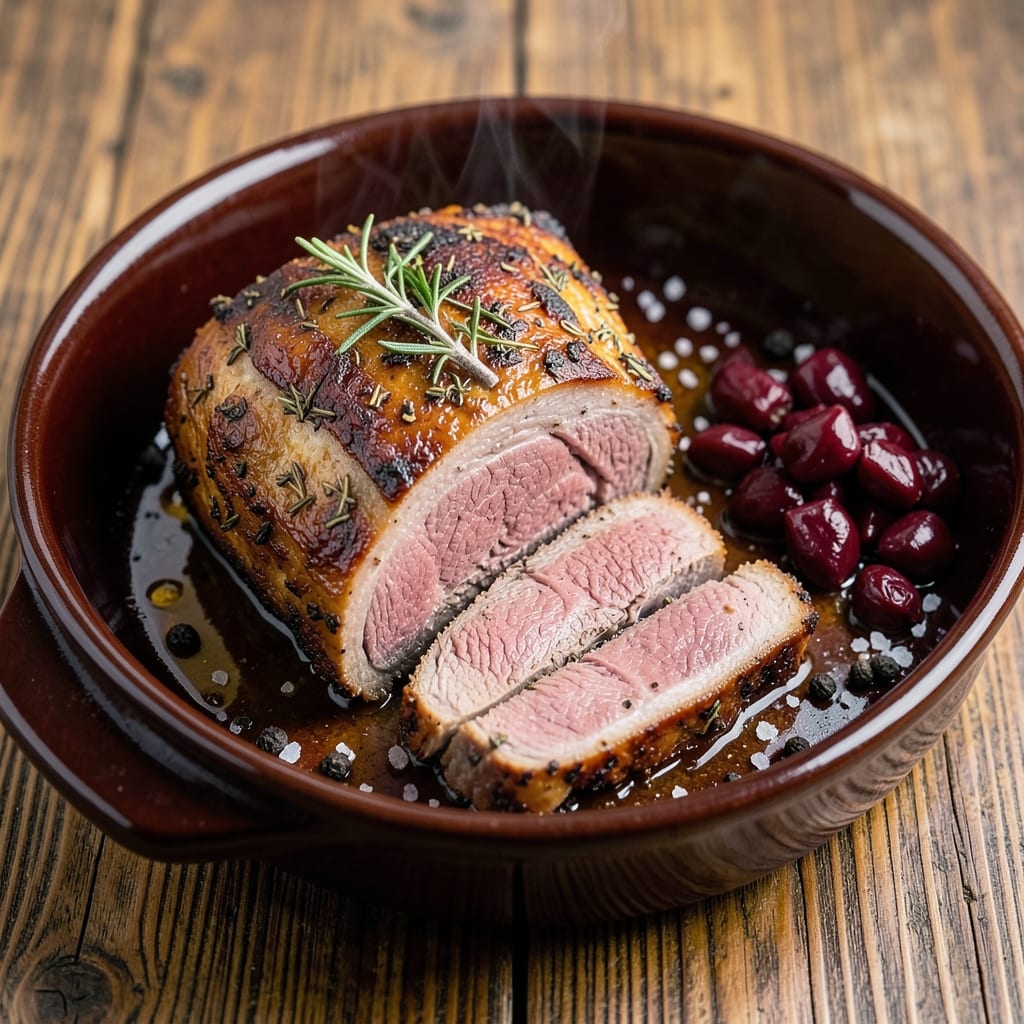
The Angus beef sirloin roast transforms a simple dinner into a showstopping centerpiece with its rich marbling and deep beefy flavor. This recipe focuses on achieving that perfect balance of a juicy interior and a crisp, flavorful crust—no guesswork involved. The secret lies in proper seasoning, precise temperature control, and letting the meat rest before slicing, ensuring every bite is tender and full of flavor.
What sets this recipe apart is the herb-crusted technique, where fresh rosemary, thyme, and garlic blend with coarse salt to create a fragrant bark that seals in moisture. Unlike traditional roasting, this method allows you to control the cooking process for restaurant-quality results at home. Whether you're serving a holiday crowd or treating yourself to a special meal, this roast delivers.
With high-heat searing followed by a slow finish in the oven, the sirloin develops a deep, caramelized crust while staying tender inside. The internal temperature reaches 130°F for medium-rare, ensuring maximum juiciness. Pair it with roasted root vegetables or a creamy horseradish sauce for a complete, elegant meal.
This recipe is designed for foolproof success, even for home cooks. The key steps—seasoning, searing, and resting—are simple but critical for achieving the perfect roast. Let’s get started on creating a dish that will impress everyone at the table.
Ingredients for angus beef sirloin roast
Six ingredients transform a basic roast into a restaurant-worthy centerpiece with rich marbling and perfect crust.
| Ingredient | Amount | Notes |
|---|---|---|
| Angus Beef Sirloin Roast 🥩 | 4 lb | Center-cut with good marbling |
| Fresh Rosemary 🌿 | ¼ cup | Finely chopped, stems removed |
| Fresh Thyme 🌿 | 0.15 cup | Leaves only, finely chopped |
| Garlic Cloves 🧄 | 6 cloves | Minced, not pre-minced jarred |
| Coarse Kosher Salt 🧂 | ½ cup | Diamond Crystal preferred |
| Black Peppercorns 🌶️ | 2 tbsp | Freshly cracked, not ground |
| Extra-Virgin Olive Oil 🫒 | ¼ cup | High-quality, fruity variety |
| Unsalted Butter 🧈 | ¼ cup | Cold, cubed for crust |
| Yellow Onion 🧅 | 1 whole | Thinly sliced for garnish |
| Fresh Parsley 🌿 | 0.1 cup | Chopped, for garnish |
| Red Wine 🍷 | ½ cup | Bold, dry variety like Cabernet |
| Beef Tallow or Duck Fat 🍳 | 2 tbsp | For high-heat searing |
The Angus beef sirloin makes all the difference—look for center-cut roasts with visible marbling at specialty butchers like Snake River Farms or US Wellness Meats. Their dry-aged options elevate flavor further. If shopping at a standard grocery store, check the pre-cut roast section and ask for the most tender cut available. The 4-pound size balances cooking time and portion control for six servings. Fresh herbs should be bright green with no wilting—Whole Foods or local farmers markets offer the best quality. For the coarse kosher salt, Diamond Crystal is ideal as it clings better to the meat's surface than table salt.
No fresh rosemary? Substitute 1 tbsp dried rosemary but toast it first in a dry pan for 30 seconds to intensify flavor. Running short on thyme? Fresh oregano at half the amount works in a pinch, though the flavor profile shifts slightly. Pre-minced garlic from a jar lacks freshness—peel and mince your own for that essential aroma. The red wine can be swapped for beef stock if unavailable, though the crust will be less caramelized. For the butter, European-style unsalted (like Plugrá) has higher fat content, creating a richer crust. If you can't find beef tallow, duck fat or lard works equally well for searing.
Store the roast uncovered in the fridge for up to 3 days to develop deeper flavor through dry-brining. The herb crust components (rosemary, thyme, garlic, salt) can be pre-mixed and refrigerated for 5 days in an airtight container. For long-term storage, freeze the roast unseasoned for up to 6 months—season just before cooking. The garnish ingredients (onion, parsley) keep fresh for 5 days wrapped in damp paper towels. This roast reheats beautifully—warm slices in a 350°F oven for 10 minutes with a splash of beef broth to restore moisture.
Why You'll Love This Recipe
- Five-Ingredient Magic: I swear by this combo—just the beef, rosemary, thyme, garlic, and salt. That’s it. No fancy marinades or last-minute shopping runs. The herbs infuse effortlessly while it roasts, and the garlic? It caramelizes into little flavor bombs by the end.
- Weeknight Hero: Between us, this is my go-to when I’m too tired to fuss. Toss the roast in the oven, set a timer, and boom—dinner’s ready. The best part? It doesn’t demand babysitting. I’ve walked away for 20 minutes (okay, maybe 30) and still ended up with perfect results.
- Leftovers That Win: Honestly, I make this just so I have slices for sandwiches all week. The flavor only gets better after a day or two—richer, more concentrated. My kids beg for it on toast, and my husband sneaks it into salads. (Yes, even on a Tuesday night.)
- Sunday Supper Crowd-Pleaser: Here’s what sold me—this feeds six without breaking the bank. The Angus sirloin delivers that buttery, melt-in-your-mouth texture, and the herb crust makes it feel fancy. I’ve served it at holidays, game nights, and lazy Sundays. Zero complaints, every time.
Step-by-step instructions for herb-crusted Angus beef sirloin roast
This method transforms a simple roast into a showstopper with perfect crust and melt-in-your-mouth tenderness.
Prepare the Herb Crust Mixture
In a food processor, combine the 0.25 cup fresh rosemary, 0.15 cup fresh thyme, 6 cloves garlic cloves, 0.5 cup coarse kosher salt, and 2 tbsp black peppercorns. Pulse until finely ground but not pasty—you want visible herb flecks for texture. With the processor running, slowly add the 0.25 cup extra-virgin olive oil until the mixture forms a coarse paste. Scrape into a bowl and fold in the 0.25 cup cold unsalted butter, working it in until fully incorporated. The result should be a fragrant, crumbly paste that clings to the meat.
This herb crust is what creates the signature bark and infuses flavor throughout the roast. The coarse texture ensures even distribution when applied, while the butter adds richness that carries the herb notes deep into the meat. Keep this mixture chilled until ready to use—it's more manageable when cold.
Prep and Season the Roast
Remove the 4 lb angus beef sirloin roast from the refrigerator and let it sit at room temperature for 30 minutes. Pat it completely dry with paper towels, especially focusing on the fat cap and any crevices where moisture can hide. This drying step is critical—it prevents steam from forming between the meat and crust, which would otherwise soften the bark.
Generously apply the herb crust mixture all over the roast, pressing it firmly into the surface. Don't be shy—you want a thick, even coating that will crisp beautifully. The crust should adhere well to the dry surface of the meat. Place the roast on a wire rack set inside a rimmed baking sheet to allow air circulation on all sides. This setup is essential for even browning and crisping.
Sear and Roast to Perfection
Preheat your oven to 425°F. Heat a heavy oven-safe skillet over high heat and add the 2 tbsp beef tallow or duck fat. Once the fat is shimmering but not smoking, carefully place the roast in the skillet, fat-side down. Sear for 3-4 minutes until the crust develops a deep golden-brown color and the fat renders beautifully. Flip the roast and sear the other side for another 3-4 minutes. Transfer the skillet to the preheated oven.
Roast for 25-30 minutes until the internal temperature reaches 125-130°F for medium-rare (use a meat thermometer to check). The crust should be deeply caramelized with visible crisping. Here's the thing—Angus sirloin benefits from this lower final temperature because it retains its marbling and juiciness without becoming tough. If the crust starts to darken too quickly, tent loosely with foil to prevent over-browning while maintaining the internal temperature.
Rest and Finish with Red Wine Pan Sauce
Remove the roast from the oven and transfer it to a cutting board. Tent loosely with foil and let it rest for 15-20 minutes. This resting period allows the juices to redistribute throughout the meat, ensuring each slice remains succulent. While it rests, place the skillet with the rendered fat and crust bits over medium heat. Add the 0.5 cup red wine and scrape up all the browned bits from the bottom with a wooden spoon. Simmer for 3-4 minutes until the wine reduces by half and forms a glossy sauce.
Slice the roast against the grain into ½-inch thick portions. The meat should be tender with a pink center and visible marbling throughout. Spoon the reduced red wine sauce over each serving, then garnish with the 1 whole yellow onion (thinly sliced) and 0.1 cup fresh parsley. The acidity of the wine sauce cuts through the richness of the beef, while the onion and parsley add fresh contrast to the herb-crusted exterior.
Pro Tips For Making Angus Beef Sirloin Roast
- Dry the Roast First: Angus beef stays juicier when it’s not swimming in its own juices—pat it down with paper towels 30 minutes before cooking. I learned this the hard way after a roast turned out soggier than a forgotten sponge cake.
- Crush Garlic, Don’t Mince: Minced garlic burns faster than a summer sidewalk. Lightly crush 4-5 cloves with the flat side of your knife—just enough to expose the edges—so they perfume the pan without turning bitter.
- Salt the Meat Twice: Generously salt the roast two hours before cooking, then re-season right before searing. The first salt tenderizes; the second guarantees that crust. (Yes, even if you’re impatient like me.)
- Use a Meat Thermometer: Guessing medium-rare with your finger is a recipe for disaster. Pull the roast at 120°F for medium-rare—it’ll rest and rise to 125°F. No more overcooked, dry slices ruining your dinner.
Essential equipment for angus beef sirloin roast
Precision Thermometer
Invest in a laser thermometer like the ThermoWorks Smoke or Meater—these give you instant, accurate internal readings without piercing the meat. I swear by mine for roasts; it lets me monitor the 125-130°F target without guesswork. Place the probe in the thickest part of the roast, avoiding fat pockets. 🌡️
Heavy-Duty Skillet
A carbon steel skillet (like Mauviel M'Cook) or cast iron (such as Lodge 10.25-inch) is non-negotiable for searing. These materials retain heat evenly and develop a natural nonstick patina over time. Avoid nonstick pans—they can't handle the high heat needed for that perfect crust.
Wire Rack Setup
Use a perforated wire rack (like Ozeri Touch-N-Go) placed on a rimmed baking sheet to elevate your roast. This allows hot air to circulate underneath, creating a crisp crust on all sides. I’ve tried roasting without it, and the results are noticeably less flavorful. 🔥
Oven Thermometer
Your oven’s temperature display is often inaccurate. A Thermoworks Oven Thermometer ensures your 425°F setting is truly 425°F. I’ve seen ovens run 50°F hotter or colder—this simple tool prevents overcooking or undercooked meat.
Tongs for Handling
Use heavy-duty kitchen tongs (like OXO Good Grips) to flip the roast in the skillet. They give you better control than spatulas and won’t tear the crust. I also recommend keeping a potholder nearby—the skillet gets scorching hot during searing.
Sharp Knife for Slicing
A long, flexible slicing knife (such as the Dexter-Russell 12-inch) makes clean cuts against the grain. Dull knives crush the meat, releasing juices instead of keeping them inside. I slice at a 45-degree angle for thinner portions that stay juicier. 💡
Nutrition facts
Frequently asked questions about Angus beef sirloin roast
What's the best internal temperature for medium-rare sirloin?
For perfect medium-rare, aim for 125-130°F internal temperature. This range preserves the beef's natural juices while keeping the center pink and tender. Using a meat thermometer is essential—Angus sirloin cooks faster than other cuts, so don't rely on time alone.
Can I cook this roast in a slow cooker?
Not recommended for this recipe. Slow cooking would make the crust soggy and ruin the texture. For tender results, stick to high-heat searing followed by oven roasting. If you want a hands-off method, try sous-vide first (to 120°F) then finish with a quick sear in a hot pan.
How do I prevent the roast from drying out?
Pat the meat completely dry before seasoning, and don't overcook it. The 15-20 minute rest after roasting is crucial—it lets juices redistribute. Also, avoid cutting into the roast too soon, and use a meat thermometer to remove it at the perfect temperature.
What's the difference between sirloin and ribeye roast?
Sirloin roast comes from the rear section and has a leaner, firmer texture with less marbling than ribeye. Ribeye roasts are richer and more tender but can be pricier. For this recipe, sirloin's bold beefy flavor shines with the herb crust, while ribeye would need less cooking time to avoid toughness.
Can I make this ahead of time?
Yes! Prepare the herb crust mixture up to 5 days ahead and store it chilled. For the roast itself, season it 12-24 hours before cooking and refrigerate uncovered (this helps develop flavor through dry-brining). On cooking day, bring it to room temperature before roasting. Never refrigerate cooked roast—serve immediately or slice and reheat portions gently.