
Main Courses
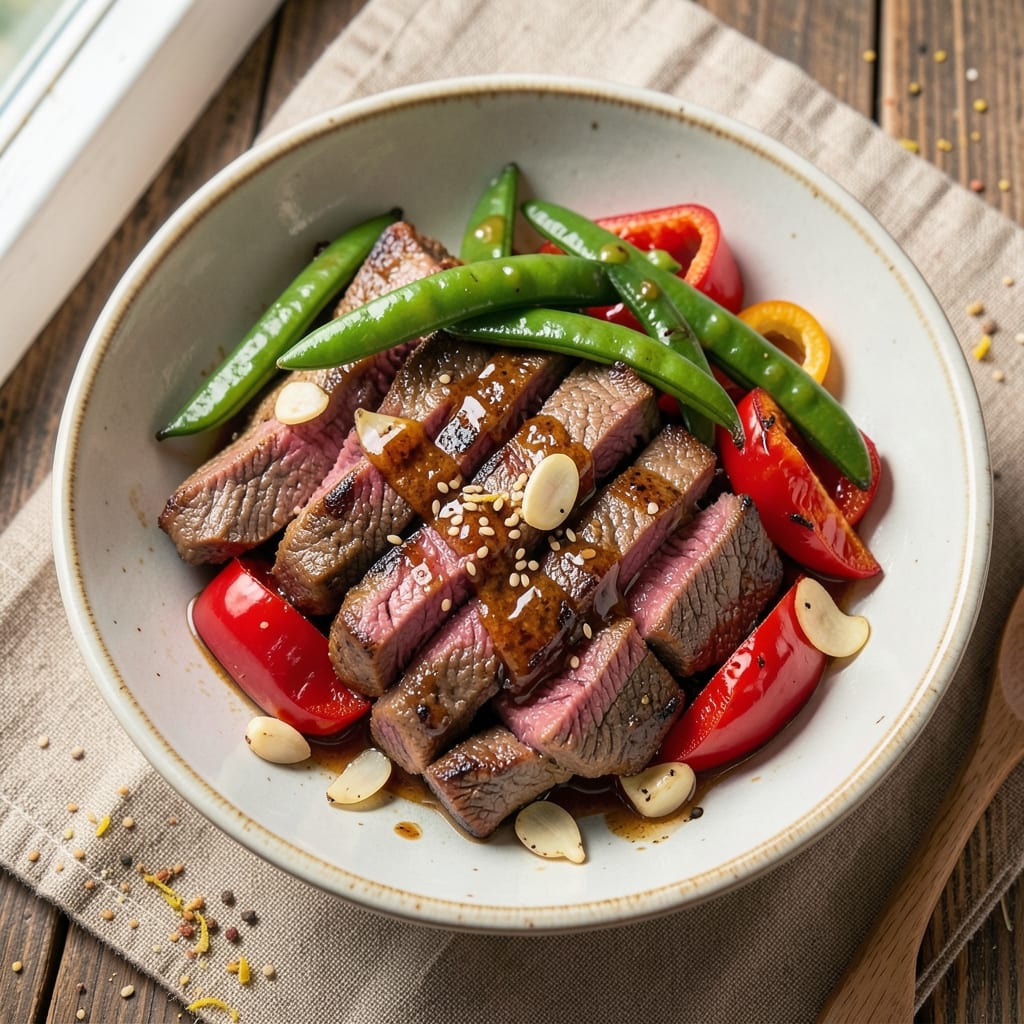
This Angus beef stir-fry recipe delivers restaurant-quality flavor with tender, caramelized beef and crisp vegetables—all achieved in under 30 minutes. The secret lies in high-heat searing to create that coveted wok hei (breath of the wok) aroma, balanced by a savory soy-ginger sauce that clings perfectly to each bite. I developed this method after years of perfecting stir-fry technique, ensuring every element—from the marinade to the sauce—works together for maximum umami impact.
The recipe begins with a simple yet effective marinade that tenderizes the Angus beef while infusing it with aromatic flavors. We'll use a combination of soy sauce, garlic, ginger, and a touch of brown sugar to create depth, followed by a quick sear in a hot wok or cast-iron skillet. The vegetables—bell peppers, broccoli, and snap peas—are stir-fried just until crisp-tender, preserving their vibrant colors and satisfying crunch. This balance of textures and flavors is what makes the dish truly exceptional.
What sets this stir-fry apart is the fragrant jasmine rice served alongside, which absorbs the rich sauce beautifully while providing a neutral base that lets the beef and vegetables shine. The sauce itself is a harmonious blend of soy, oyster sauce, and a hint of sesame oil, creating a glossy finish that coats every ingredient without overpowering. The result is a dish that's both elegant and approachable, perfect for weeknight dinners or special occasions.
Once you master this technique, you'll find endless variations—swap in mushrooms, bok choy, or your favorite Asian-inspired vegetables, and adjust the sauce to suit your taste. The key is confidence in the wok hei process, which transforms a simple stir-fry into something truly memorable. Let's get started on creating a dish that will impress even the most discerning palates.
Ingredients for angus beef stir fry
High-quality beef and aromatic vegetables transform into restaurant-worthy stir-fry in minutes.
| Ingredient | Amount | Notes |
|---|---|---|
| Angus Beef 🥩 | 1 ½ lb | Thinly sliced against grain |
| Low-Sodium Soy Sauce 🍶 | ⅓ cup | For marinade and sauce |
| Sesame Oil 🫒 | 1 tbsp | Toasted for aroma |
| Fresh Ginger 🌿 | 2 tbsp | Grated finely |
| Garlic Cloves 🧄 | 6 cloves | Minced finely |
| Brown Sugar 🍚 | 1 tbsp | Light or dark |
| Red Bell Pepper 🌶️ | 1 whole | Sliced into strips |
| Broccoli Crowns 🥦 | 1 lb | Cut into florets |
| Snap Peas 🌱 | 1 cup | Trimmed ends |
| Jasmine Rice 🍚 | 1 ½ cups | Uncooked, long-grain |
| Oyster Sauce 🍶 | 2 tbsp | Thick consistency |
| Sesame Seeds 🌿 | 1 tbsp | Toasted for garnish |
| Neutral Oil 🫒 | 2 tbsp | Avocado or vegetable oil |
| Salt 🧂 | 1 tsp | Kosher or sea salt |
| Black Pepper 🌶️ | ½ tsp | Freshly ground |
The Angus beef is where this dish shines. Look for well-marbled cuts at specialty butchers or high-end grocery stores like Whole Foods or Costco. Thinly slicing against the grain is critical—use a sharp knife or ask your butcher to slice it for you. Fresh ginger and garlic should smell vibrant, not musty. For the vegetables, crisp snap peas are ideal, but frozen works in a pinch if thawed and drained well. The jasmine rice should be long-grain and fragrant—avoid basmati or short-grain varieties here.
No oyster sauce? Substitute with a mix of soy sauce and a splash of fish sauce (if vegetarian, use vegetarian oyster sauce). Running short on sesame oil? Toast the seeds separately and add them at the end for aroma. The brown sugar adds depth, but honey or maple syrup work in a bind. For the bell peppers, red or yellow add natural sweetness, but green works too. If you can't find snap peas, sugar snap peas or even green beans will work—just adjust cooking time slightly. The soy sauce should be low-sodium to prevent over-salting the dish.
Prep the beef and vegetables ahead to save time—store them separately in airtight containers in the fridge for up to 2 days. The marinade can be made 1 day ahead and kept in the fridge. Once cooked, this stir-fry reheats beautifully—just add a splash of water or soy sauce to the pan and stir-fry for 2-3 minutes over high heat. For leftovers, portion into containers with a thin layer of sauce on top to keep it moist. Keeps for 3-4 days in the fridge or 3 months frozen.
Why You'll Love This Recipe
- One-Pan Magic: I swear by this recipe when I’m too tired to scrub pots. The beef strips sear right in the same pan you’ll stir-fry everything else—no extra dishes, no stress.
- Umami Bomb: That low-sodium soy sauce and sesame oil combo? It’s where the real flavor lives. The ginger and garlic caramelize just enough to stick to the beef like a sweet, savory hug.
- Leftovers That Don’t Suck: Between us, most stir-fry leftovers turn soggy. Not this one. The beef stays tender, the veggies hold their crunch, and it reheats in seconds—perfect for lunches or feeding unexpected guests.
- Weeknight Hero: Honestly, I make this when I don’t know what else to make. It’s got that restaurant-quality depth without needing a fancy technique—just slice, sear, and toss. Done.
Step-by-step instructions for Angus beef stir-fry
Here's how to transform tender Angus beef into a restaurant-quality stir-fry with vibrant vegetables and fragrant jasmine rice.
Prepare the Marinade and Slice the Beef
In a small bowl, whisk together the 0.33 cup low-sodium soy sauce, 1 tbsp brown sugar, 1 tbsp sesame oil, 1 tsp salt, and 0.5 tsp black pepper. This marinade will tenderize the beef and infuse it with deep umami flavor. Place the 1.5 lb Angus beef in a resealable plastic bag, pour the marinade over it, and massage it gently to ensure even coating. Let it marinate in the refrigerator for at least 30 minutes—this ensures the beef stays juicy and absorbs maximum flavor.
While the beef marinates, slice it thinly against the grain using a sharp knife. You want strips about ¼-inch thick—thin enough to cook quickly in the wok but still substantial enough to hold together. The grain direction is crucial here: look for the natural muscle fibers and cut perpendicular to them for maximum tenderness.
Cook the Jasmine Rice to Perfection
Rinse the 1.5 cups jasmine rice under cold water until the water runs clear, then drain well in a fine-mesh strainer. This removes excess starch and prevents the rice from becoming gummy. In a medium saucepan, combine the rice with 2 cups water (or follow package instructions for your rice-to-water ratio) and bring to a boil over high heat. Once boiling, reduce heat to low, cover tightly with a lid, and simmer for 15 minutes. Remove from heat and let it steam, covered, for another 10 minutes. Fluff with a fork before serving—this ensures each grain is separate and fragrant.
Here's the thing—jasmine rice should be cooked until just tender but still slightly firm. If you overcook it, the grains will turn mushy and lose their delicate aroma. The rice should have a light, floral scent when you open the lid, signaling it's ready to pair with your stir-fry.
Stir-Fry the Vegetables
Heat 2 tbsp neutral oil in a wok or large skillet over high heat until shimmering. Add the 1 lb broccoli crowns (cut into florets) and 1 cup snap peas (trimmed), stirring constantly for 3-4 minutes until the broccoli brightens in color and the peas blister slightly. The high heat is key here—it preserves the vegetables' vibrant color and crisp texture. If the pan isn't hot enough, the vegetables will steam instead of stir-fry.
Push the vegetables to one side of the wok and add 2 tbsp finely minced garlic and 2 tbsp finely grated ginger to the empty space. Stir for 30 seconds until fragrant—this releases their aromatic oils and builds the stir-fry's flavor base. Then add the 1 whole red bell pepper (sliced into strips) and stir-fry for another 2 minutes until the peppers soften slightly but retain their crunch. The vegetables should be tender-crisp, not mushy.
Cook the Beef and Combine Everything
Remove the beef from the marinade (reserve the marinade) and shake off any excess. Add the beef to the wok in a single layer, spreading it out evenly. Let it sear undisturbed for 1-2 minutes until the edges turn golden brown and the beef develops a caramelized crust. This initial sear locks in juices and adds depth of flavor. Once the beef is browned, pour in the reserved marinade and 2 tbsp oyster sauce, stirring everything together for 2-3 minutes until the beef is fully cooked through and the sauce coats the vegetables evenly.
Taste and adjust seasoning if needed—you might want to add a splash of water or a pinch more soy sauce to balance the flavors. The stir-fry should be glossy, vibrant, and packed with umami richness. The beef should be cooked to your preferred doneness (medium-rare to medium works best here) and still slightly pink in the center.
Garnish and Serve Immediately
Transfer the stir-fry to a serving platter and sprinkle with 1 tbsp toasted sesame seeds for added texture and nutty aroma. Serve the stir-fry immediately over the fragrant jasmine rice, ensuring each portion gets a generous helping of both. The contrast between the tender beef, crisp vegetables, and fragrant rice creates a harmonious balance of textures and flavors.
For an extra touch, drizzle a few drops of sesame oil over the top just before serving—this amplifies the nutty aroma and ties all the flavors together. The dish should be served while hot, so gather everyone around the table and dig in while it's steaming and vibrant. This stir-fry is all about the wok heat and fresh ingredients, so don't let it sit—every bite should be packed with energy and flavor.
Pro Tips For Making Angus Beef Stir Fry
- Slice Thin, Slice Fast: Angus beef gets tough when overcooked, so slice it against the grain into ¼-inch strips—no thicker, or you’ll be chewing leather. Use a sharp knife and work quickly; if it warms up while prepping, pop it in the freezer for 10 minutes first. I learned this the hard way after burning through three butcher knives on stubborn chunks.
- Salt the Meat First: Toss your sliced beef with a teaspoon of salt and let it sit for 10 minutes before cooking. This seasons the surface properly and keeps it juicy—Angus is rich enough that you won’t overpower it. Skip this, and your stir-fry will taste bland no matter how much soy sauce you add.
- Cook Garlic Low and Slow: Stir-frying garlic over high heat turns it bitter fast. Sauté it in sesame oil for 30 seconds on medium-low first, then crank the heat for the final 10 seconds. Fresh ginger? Grate it just before adding—it loses its kick if you prep it too early.
- Finish with a Drizzle: Toss the cooked beef back in the pan with a splash of sesame oil and a pinch of sugar at the very end. This adds shine and balances the soy sauce’s saltiness. Sounds small, but it’s the thing that makes your dish look (and taste) restaurant-worthy.
Essential equipment for perfect results
Wok Essentials
A carbon steel wok is my go-to for stir-fries because it heats up quickly and retains heat perfectly for that signature wok hei (breath of the wok) aroma. I recommend the De Buyer 14-inch wok—it’s durable and conducts heat evenly. If you don’t have a wok, a heavy-bottomed cast-iron skillet (like Lodge) works just as well. Avoid non-stick pans—they can’t handle the high heat needed for proper searing. 🔥
Heat Control Tools
High heat is key for stir-frying, so you’ll need a propane burner or a high-heat stove burner (gas stoves are ideal). If you’re on electric, look for a flat-top griddle or a heavy-duty electric burner. A wok ring (like KitchenAid’s) elevates the wok for better heat circulation. For temperature control, I use a thermometer (like Thermoworks Smoke) to monitor the oil—it should shimmer at 350-400°F for stir-frying.
Knives and Cutting
A sharp chef’s knife (like Wüsthof) is essential for slicing the Angus beef thinly against the grain. For vegetables, a mandoline (like Benedict) speeds up prep for even slices. I also keep a pair of kitchen shears handy for trimming snap peas quickly. A cutting board with a non-slip mat prevents accidents—trust me, nothing ruins a stir-fry faster than a slipped knife. ✨
Sauce and Marinade Tools
For the marinade, a small mixing bowl and a whisk (like OXO Good Grips) ensure smooth consistency. A measuring spoon set (like Weston) keeps your soy, oyster, and sesame oil portions precise. To toast sesame seeds, I use a small dry skillet over low heat, stirring constantly until fragrant. A fine-mesh strainer (like OXO) helps drain the rice properly—no one wants gummy grains ruining the dish.
Optional Upgrades
For extra wok hei, a gas burner with a diffuser (like Blazer) spreads heat more evenly. A tongs set (like Mercer Culinary) helps toss ingredients without overcrowding the pan. If you love garnishes, a mortar and pestle (like Kuhn Rikon) crushes garlic and ginger to a paste for deeper flavor. These tools aren’t mandatory, but they elevate the dish from good to restaurant-quality. 💫
Nutrition facts
Frequently asked questions
Can I use frozen vegetables in this Angus beef stir-fry? Yes, but with a few adjustments! Use high-quality frozen vegetables like broccoli and snap peas, and
How do I achieve that perfect wok hei aroma without a wok?
A heavy-bottomed cast-iron skillet or carbon steel pan works perfectly! Preheat it over maximum heat until smoking slightly, then add your oil. The key is maintaining high heat—don't let the temperature drop below 350°F during cooking. A gas stove works best, but electric cooktops can achieve similar results if you use a flat-top griddle or high-wattage burner.
What's the best way to slice Angus beef for stir-fry?
Slice against the grain into ¼-inch thick strips for maximum tenderness. Look for the muscle fibers (they'll appear as lines) and cut perpendicular to them. A sharp knife is essential—ask your butcher to slice it for you if you're unsure. The thinner slices cook faster and stay juicier when stir-fried at high heat.
Can I make this recipe gluten-free?
Replace the soy sauce with tamari or coconut aminos (both gluten-free), and use a gluten-free oyster sauce substitute. Check all labels carefully—some oyster sauces contain wheat. The rest of the recipe remains unchanged, including the rice (use gluten-free jasmine rice if needed). The flavor profile will be slightly different but still delicious.
How do I prevent the beef from becoming chewy?
Marinate for at least 30 minutes (longer if possible) and slice thinly against the grain. Avoid overcrowding the pan—cook in batches if needed. The beef should only take 2-3 minutes total in the hot wok. High heat and quick cooking are key to maintaining tenderness while developing that perfect sear.