
Main Courses
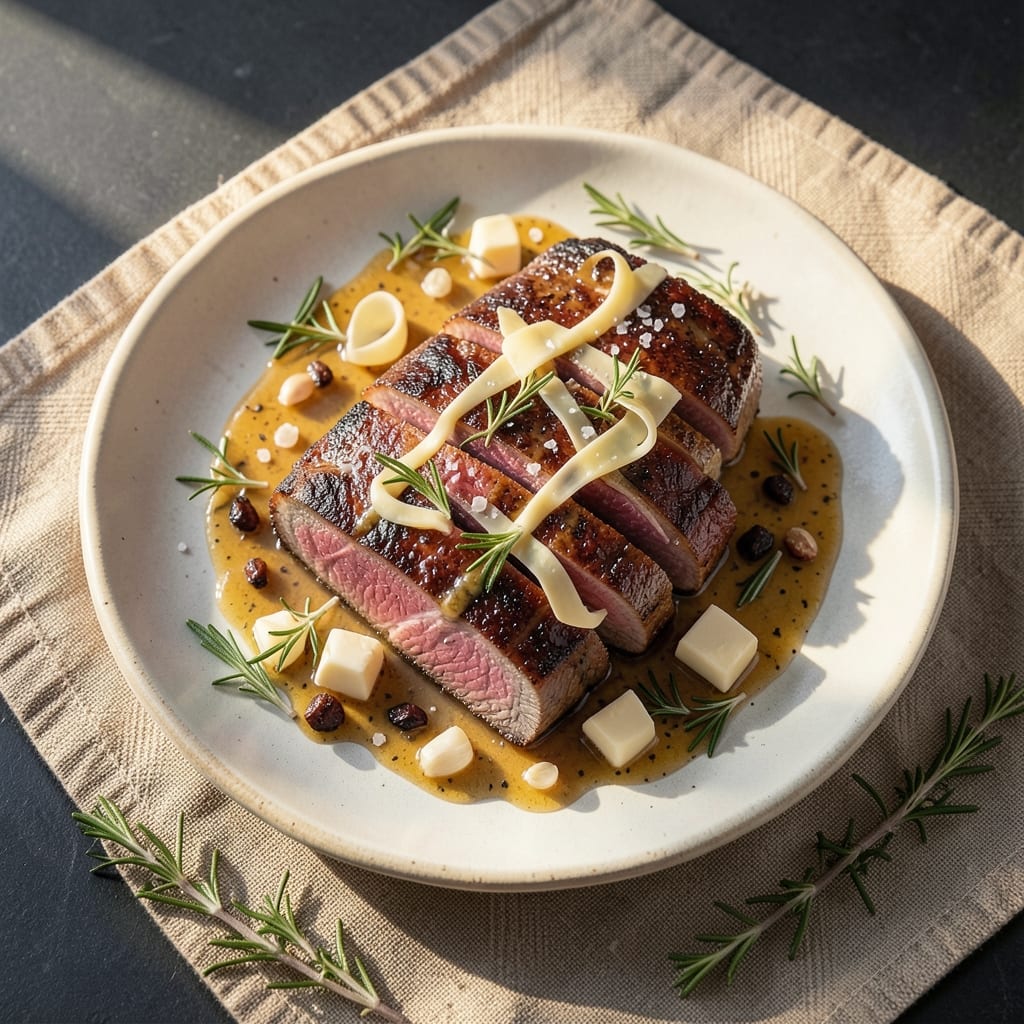
This Angus beef tenderloin recipe delivers melt-in-your-mouth tenderness with a perfect pink core and crisp herbed butter crust—exactly what makes it the centerpiece of any special occasion. The reverse-sear method ensures even cooking while preserving juiciness, and the herbed butter crust adds a luxurious finish that elevates this cut from impressive to unforgettable. I've perfected this technique after years of testing, and the results speak for themselves: tender, flavorful beef that falls apart at the touch with minimal effort.
The secret lies in precise temperature control and timing—starting with a low-and-slow cook to tenderize the meat, then finishing with a high-heat sear for that coveted crust. This method guarantees a juicy pink center at 125°F while creating a golden, flavorful exterior. The herbed butter basted during the final sear infuses every bite with aromatic depth, making each slice worth savoring. What sets this apart is the balance: tender enough to melt, but with enough structure to hold its shape.
What you'll achieve is a perfectly cooked tenderloin that's restaurant-quality at home, with a crust so flavorful it steals the show. The reverse sear technique ensures no overcooking, while the herbed butter adds layers of flavor without overwhelming the beef's natural richness. This recipe is designed for confidence—every step is intentional, every temperature is precise, and the result is a dish that feels like a celebration.
Serve with roasted garlic mashed potatoes or a crisp green salad to complement the beef's luxurious texture. The leftovers reheat beautifully, though I doubt you'll have any—this tenderloin disappears quickly when presented with such care. Let's get started on creating a dish that will impress even the most discerning guests.
Ingredients for angus beef tenderloin
Precision-cut ingredients for a restaurant-quality tenderloin with perfect pink core and herbed butter crust.
| Ingredient | Amount | Notes |
|---|---|---|
| Angus Beef Tenderloin 🥩 | 3 lb | Center-cut, trimmed of silver skin |
| Unsalted Butter 🧈 | ½ cup | Cold, cubed for herbed butter crust |
| Fresh Rosemary 🌿 | ¼ cup | Finely chopped, organic preferred |
| Fresh Thyme 🌿 | ¼ cup | Leaves only, stems removed |
| Fresh Garlic 🧄 | 6 cloves | Minced, peeled |
| Diamond Crystal Kosher Salt 🧂 | 1 ½ tsp | For seasoning and crust |
| Freshly Ground Black Pepper 🌶️ | ½ tsp | Coarsely cracked |
| Extra-Virgin Olive Oil 🫒 | 2 tbsp | High-quality, fruity |
| Yellow Onion 🧅 | 1 whole | Quartered, for aromatics |
| Vegetable Oil 🫒 | ¼ cup | For searing, high smoke point |
| Fresh Parsley 🌿 | ⅛ cup | Chopped, for garnish |
| Red Wine 🍷 | ½ cup | Dry, bold variety |
| Beef Stock 🥫 | ½ cup | Homemade or high-quality |
The Angus beef tenderloin is non-negotiable—look for a center-cut roast with minimal marbling and no silver skin. Snelling or Butcher Shop carry premium cuts, but high-end grocery stores like Whole Foods or H-E-B often stock quality options. Trim any remaining silver skin and pat dry thoroughly before cooking; this ensures even heat penetration and that coveted crust. For the herbed butter, European-style unsalted butter (like Plugrá) melts more cleanly than American brands, creating a smoother finish. Fresh herbs are critical here—organic rosemary and thyme from the grocery store's produce section will yield the most aromatic results, but if you're using dried, reduce to one-third the amount.
Substitutions must preserve the dish's balance. No fresh rosemary? Dried rosemary at 1/4 teaspoon works, but the flavor will be less vibrant. Swap the red wine for beef stock plus 1 tablespoon balsamic vinegar if needed—it won't be identical, but the acidity remains. For the olive oil, avocado oil has a higher smoke point and works well for searing. The beef stock can be substituted with low-sodium vegetable broth, but add an extra pinch of salt to compensate. If you're short on time, pre-minced garlic from a jar is fine, though fresh is always superior. The vegetable oil is purely for searing; if you're concerned about flavor, use ghee instead—it's neutral and adds a subtle richness.
Store the trimmed tenderloin in its original packaging in the coldest part of your fridge for up to 3 days before cooking. Once prepared, the herbed butter crust can be made 2 days ahead and refrigerated—bring it to room temperature before use. Leftover tenderloin reheats beautifully in a 325°F oven for 10-15 minutes, wrapped in foil with a splash of beef stock. For maximum flavor, portion leftovers into individual vacuum-sealed bags and freeze for up to 3 months. The herbed butter can be frozen in an airtight container for 6 months, though it's best used fresh for optimal texture.
Why You'll Love This Recipe
- One-Pan Magic: I swear by this recipe because it’s that simple—just sear the tenderloin, nestle it in butter, herbs, and garlic, then let the oven do the work. No flipping, no fussing, no second pan to wash.
- Butter-Basted Bliss: Between us, that melted butter basting while it roasts? It’s basically self-gravy. The rosemary and thyme infuse into the beef so deeply, every bite tastes like a fancy steakhouse—without the pretension.
- Weeknight or Weekend Star: I make this for tired Tuesday dinners and Sunday funday feasts. Slice it thin for sandwiches, serve it whole for company, or freeze leftovers for lazy nights. It’s the ultimate crowd-pleaser that doesn’t scream “holiday meal.”
- Leftovers That Don’t Suck: Honestly, the first time I made this, I panicked about wasting beef—but the slices reheat like a dream. Cold cuts for salads? Yes. Wrapped in tortillas? Absolutely. Even my picky dad asks for seconds. That’s saying something.
Step-by-step instructions for reverse-seared Angus beef tenderloin
Master this technique for a perfectly tender center with a crisp herbed crust.
Prepare the Herbed Butter Crust
In a mixing bowl, combine the 0.5 cup unsalted butter (cold and cubed) with 0.25 cup fresh rosemary, 0.25 cup fresh thyme, 6 cloves fresh garlic (minced), 1.5 tsp Diamond Crystal kosher salt, and 0.5 tsp freshly ground black pepper. Use your fingers to work the herbs and garlic into the butter until evenly distributed. This mixture will create the signature crust while keeping the interior juicy.
Form the herbed butter into a log shape and wrap tightly in plastic wrap. Chill in the refrigerator for at least 30 minutes to firm up. The cold butter ensures it stays intact when applied later, creating that coveted crust without overcooking the tenderloin.
Low-Temperature Roast for Even Cooking
Preheat your oven to 275°F. Place the 3 lb angus beef tenderloin on a wire rack set inside a rimmed baking sheet. This elevated position allows heat to circulate evenly around the meat. Season the surface lightly with additional salt and pepper if desired, though the herbed butter will provide most of the seasoning.
Roast the tenderloin for 45-50 minutes until the internal temperature reaches 125°F at the thickest point. Use a meat thermometer for accuracy—this low temperature ensures the center remains pink and tender while the exterior begins to develop flavor. The meat should feel slightly firm but still yield slightly when pressed.
Apply the Herbed Butter Crust
Remove the tenderloin from the oven and let it rest for 5 minutes. Unwrap the chilled herbed butter log and slice it into ¼-inch thick slices. Press these slices firmly onto the surface of the tenderloin, covering it completely. The butter should adhere well due to the chilling.
Return the tenderloin to the oven and increase the temperature to 450°F. Roast for an additional 15-20 minutes until the butter melts and browns into a golden, crisp crust. The internal temperature should rise to 130-135°F—just below medium-rare. This high-heat finish creates the perfect contrast between the tender interior and crisp exterior.
Rest and Slice for Maximum Juiciness
Transfer the tenderloin to a cutting board and let it rest for 10-15 minutes before slicing. This resting period allows the juices to redistribute throughout the meat, preventing them from running out when cut. Tent loosely with foil to keep warm.
Slice the tenderloin into ½-inch thick medallions against the grain for optimal texture. Arrange on a warm platter and drizzle with any pan juices. Garnish with 0.125 cup fresh parsley for a pop of color and freshness. Serve immediately with your choice of sides—roasted vegetables or a simple red wine reduction complement beautifully.
Optional Red Wine Reduction (For Serving)
In a saucepan, heat 2 tbsp extra-virgin olive oil over medium heat. Add 1 whole yellow onion (quartered) and cook for 5 minutes until softened. Deglaze the pan with 0.5 cup red wine, scraping up any browned bits. Simmer for 3 minutes until reduced by half.
Add 0.5 cup beef stock and continue simmering for 5-7 minutes until the sauce thickens slightly. Strain if desired and drizzle over the sliced tenderloin. This reduction enhances the wine's depth and ties all the flavors together for a restaurant-quality finish.
Pro Tips For Making Angus Beef Tenderloin
- USE A MEAT THERMOMETER: Angus tenderloin’s so tender it’ll turn to mush if you guess doneness—aim for 125–130°F for medium-rare. I learned this the hard way after slicing into a perfectly cooked roast that was still cold inside. The butter and herbs won’t compensate for overcooking.
- SALT THE MEAT 45 MINUTES EARLY: Season the tenderloin generously with salt (and pepper) well before cooking—this lets the salt penetrate the surface and form that flavorful crust. I used to salt it right before searing, and the crust always tasted bland. Trust the wait.
- SEAR HARD AND FAST: Get the pan smoking hot before adding the butter and garlic—this creates a deep, caramelized crust. If you’re gentle, you’ll end up with a pale, buttery blob. The first sear should take 2–3 minutes per side, no less.
- SKIP THE GARLIC MINCE: Crush the garlic cloves lightly with the flat side of your knife—this releases more flavor without turning bitter. I used to mince it fine, and it’d burn before the meat was done. A few rough cloves make all the difference.
Troubleshooting great angus beef tenderloin
Uneven Cooking
If your tenderloin emerges with a cold center or overcooked edges, the issue is almost always heat distribution. The tenderloin's shape can create hot spots, especially if it's not placed on a wire rack (which I can't stress enough—this is non-negotiable for even cooking). To fix this, always use a meat thermometer and rotate the roasting pan halfway through the low-temperature phase. If you notice uneven browning during the final sear, adjust your oven rack to the middle position for more consistent heat. 🌡️
Butter Not Browning
The herbed butter crust should develop a golden, crisp finish, but if it stays pale or melts away without browning, your oven temperature might be too low or the butter wasn't cold enough. First, ensure your herbed butter log was chilled for at least 30 minutes before slicing—this prevents premature melting. For browning, crank the oven to 475°F for the final 10 minutes if needed. A broiler on high for the last 2 minutes can also help achieve that restaurant-worthy crust. Pro tip: Pat the butter slices dry with a paper towel before applying to remove excess moisture, which can prevent browning.
Dry or Tough Texture
If your tenderloin feels dry or tough instead of meltingly tender, you likely overcooked it. The reverse-sear method relies on precision: the tenderloin should reach 125°F for a pink center, then only 130–135°F after the high-heat finish. To salvage overcooked beef, slice it thinly against the grain and serve with a rich sauce (like the red wine reduction) to add moisture. For future attempts, reduce the final sear time by 2–3 minutes or lower the oven temperature to 425°F during the crust phase. A meat thermometer is your best friend—never guess!
Herbs Burning
When the herbed butter crust burns before browning, it’s usually because the herbs are too close to the heat source or the oven is too hot. To prevent this, press the butter slices firmly onto the tenderloin so they make full contact with the meat (not just sitting on top). If burning still occurs, reduce the final sear temperature to 425°F and monitor closely. For extra insurance, broil for just 1–2 minutes at the end instead of relying on the oven’s bake function. Fresh herbs like rosemary and thyme can be strong—if they’re overpowering, reduce the amount by 10% next time.
Juices Not Redistributing
If your sliced tenderloin is dry or stringy, the resting time was likely too short. The 10–15 minute rest is critical—it allows the muscle fibers to relax and juices to redistribute. To fix this, always tent the tenderloin loosely with foil and let it rest on the cutting board (not in the oven). If you’re short on time, place it in a warm oven at 200°F for the rest period to keep it warm without overcooking. For future slices, cut against the grain (not with it) to shorten the muscle fibers and improve tenderness. 💡
Nutrition facts
Frequently asked questions
How do I know when my tenderloin is perfectly cooked?
Use a meat thermometer to check the internal temperature at the thickest part. For a pink center, aim for 125°F after the low-temperature roast, then 130–135°F after the final sear. The reverse-sear method ensures juicy results without overcooking.
Can I cook this tenderloin without a wire rack?
While possible, a wire rack is ideal for even heat circulation. If you don't have one, place the tenderloin directly on a baking sheet lined with parchment paper. For best results, rotate the pan halfway through the low-temperature phase to prevent uneven cooking.
What's the best way to reheat leftover tenderloin?
Wrap slices in foil with a splash of beef stock and reheat in a 325°F oven for 10–15 minutes. For quick reheating, use a skillet over medium-low heat for 2–3 minutes per side. Avoid microwaving—it dries out the meat.
How much herbed butter should I use per pound of beef?
For a 3 lb tenderloin, this recipe uses 0.5 cup butter (about 1 tbsp per pound). Adjust proportionally for larger cuts—1.5 tbsp butter per pound works well. Chill the butter thoroughly before applying to ensure a crisp crust.
What's the secret to slicing tenderloin perfectly?
Slice against the grain (not with it) into ½-inch thick medallions for optimal tenderness. Use a sharp knife and let the meat rest 10–15 minutes first to redistribute juices. For presentation, fan the slices slightly on the platter.