
Side Dishes
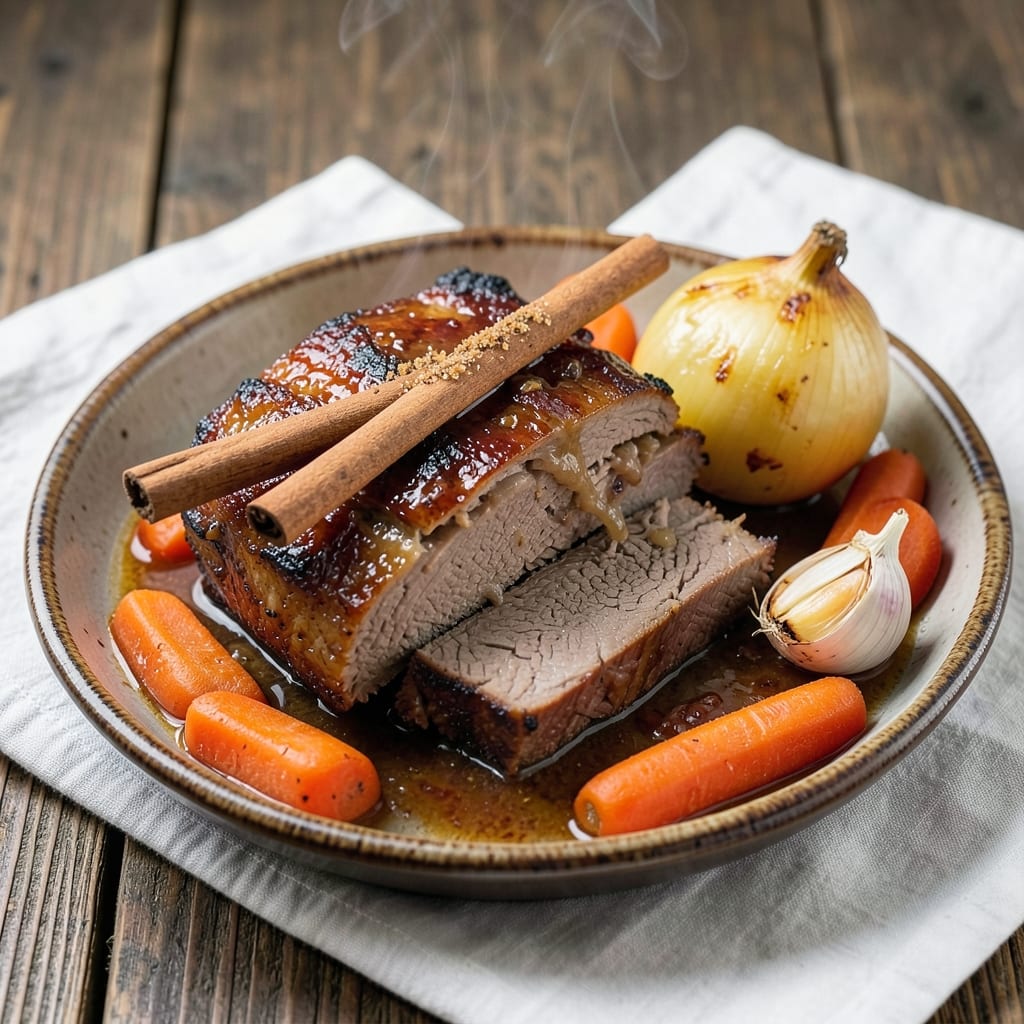
This apple juice corned beef recipe transforms a classic holiday centerpiece into something unexpectedly tender and aromatic. The apple juice doesn't just braise—it tenderizes the meat while infusing it with subtle sweetness that balances the saltiness of the corned beef. I developed this after years of perfecting slow-cooked techniques, and the result is a dish that feels both nostalgic and elevated.
The magic happens in the braising process, where apple juice reduces into a glossy, slightly caramelized sauce that clings to every bite. Unlike traditional recipes that rely solely on broth or vinegar, this version uses apple juice to create a delicate sweetness that complements the rich, savory flavors of the meat. The slow cook time—about 3 hours—ensures the corned beef becomes fork-tender while developing deep, complex layers of flavor.
What you’ll end up with is a beautifully glazed corned beef with a crisp, apple-spiced crust that adds texture and depth. The sauce is rich enough to coat every slice but light enough to let the natural flavors of the meat shine through. This dish pairs perfectly with classic sides like mashed potatoes, roasted cabbage, or crusty bread to soak up every last drop of that aromatic braising liquid.
Whether you're serving this for a holiday feast or a special weeknight dinner, the apple juice makes all the difference. It’s a technique I’ve refined through countless tests, and it’s become my go-to method for achieving restaurant-quality results at home. Let’s get started—your taste buds will thank you.
Ingredients for apple juice corned beef
Six aromatic ingredients transform corned beef into restaurant-quality sweetness with apple-spiced magic.
| Ingredient | Amount | Notes |
|---|---|---|
| Corned Beef Brisket 🥩 | 4 lb | High-quality, pre-cured brisket preferred |
| Unsweetened Apple Juice 🍎 | 3 cups | 100% apple juice, no added sugar |
| Yellow Onion 🧅 | 1 whole | Sliced into 1/4-inch rounds |
| Carrot 🥕 | 2 whole | Cut into 1-inch chunks |
| Garlic Cloves 🧄 | 6 cloves | Smashed with side of knife |
| Fresh Cinnamon Stick 🌿 | 1 whole | For subtle warmth |
| Fresh Bay Leaves 🍃 | 2 whole | For aromatic depth |
| Black Peppercorns 🌶️ | 1 tbsp | Crushed lightly |
| Allspice Berries 🌶️ | 4 whole | Lightly crushed |
| Apple Cider Vinegar 🍏 | 1 tbsp | For balance |
| Unsalted Butter 🧈 | 2 tbsp | For finishing crust |
| Diamond Crystal Kosher Salt 🧂 | 1 tbsp | For final seasoning |
| Fresh Parsley 🌿 | ¼ cup | Chopped for garnish |
| Mustard Seeds 🌶️ | ½ tsp | Toasted for extra flavor |
The brisket is your foundation—look for well-marbled cuts from the deli counter at Whole Foods or your local butcher. A 4-pound brisket serves six generously, but if you're feeding more, grab an extra pound. Rinse the meat under cold water to remove excess salt, then pat it completely dry. The apple juice? Mott's or Libby's unsweetened are my go-tos—they've got that perfect balance of tartness and sweetness without any added sugar. Fresh cinnamon sticks and bay leaves elevate the dish, but if you can't find them, ground cinnamon at half the amount works in a pinch. Just don't skip the allspice—it's what gives this dish that signature warmth.
No apple cider vinegar? White vinegar or lemon juice will do, but reduce it to 1 teaspoon to avoid overpowering the delicate sweetness. Running short on mustard seeds? Ground mustard at one-quarter teaspoon adds a similar depth. The butter matters here—use unsalted so you control the final seasoning. For the onions and carrots, any variety works, but yellow onions add more sweetness as they cook. If you're prepping ahead, you can chop all the vegetables and store them in a sealed container in the fridge for up to 3 days. The spices? Buy them whole whenever possible—they stay fresher longer and give you more control over flavor.
This dish tastes even better the next day, so make it ahead if you can. The corned beef keeps in the fridge for 4 days and freezes beautifully for 3 months. To reheat, cover with foil and warm in a 350°F oven for 20-25 minutes. The sauce reduces as it cooks, so if you're making it a day ahead, you can always add a splash of apple juice to loosen it up before serving. For serving, I always sprinkle the meat with extra parsley and a pinch of salt right before slicing—it makes all the difference. The crust? That's where the butter and salt come into play—just brush it on right before serving for maximum crispiness.
Why You'll Love This Recipe
- Minimal Chopping Required: I swear by this trick—just dice one onion and a carrot, then toss them in raw. The apple juice does half the work for me, breaking down the beef while I sip my coffee. No fancy knife skills needed.
- Sweet-Savory Magic: That first sip of apple juice simmering with the meat? It’s like a hug for your taste buds—tart, rich, and just enough sweetness to cut through the salt. The garlic cloves? They melt into pure flavor without overpowering.
- Leftovers That Shine: Between us, this recipe begs for seconds, and the leftovers? Even better cold in sandwiches or reheated with a splash of apple juice. I’ve fed a houseful with one brisket—no stress, just satisfaction.
- Budget Meal for Crowds: A single brisket stretches for days, and apple juice keeps it tender without breaking the bank. Honestly, it’s my go-to for game days or when friends drop by unannounced. Everyone leaves happy, and my wallet stays intact.
Step-by-step instructions for apple juice corned beef
Transform tough brisket into tender, apple-sweetened perfection with this slow-braised method.
Prepare the Brisket and Aromatics
Begin by rinsing the 4 lb corned beef brisket under cold water and patting it completely dry with paper towels. This step is crucial—any moisture left on the meat will prevent that beautiful caramelized crust from forming later. Place the brisket in a large Dutch oven or heavy pot that can accommodate all the braising liquid.
In a separate bowl, combine the sliced 1 whole yellow onion, 2 whole carrots cut into 1-inch chunks, 6 smashed garlic cloves, 1 whole fresh cinnamon stick, 2 whole fresh bay leaves, 1 tbsp crushed black peppercorns, and 4 lightly crushed allspice berries. The aromatics will infuse the apple juice with layers of warm, spiced depth that complement the corned beef beautifully. Don't skip crushing the peppercorns and allspice berries lightly—this releases their essential oils and intensifies their flavor.
Sear the Brisket for Depth of Flavor
Heat the Dutch oven over medium-high heat until it's very hot. Add the brisket and sear it on all sides until it develops a deep golden-brown crust, about 3-4 minutes per side. This step isn't just about browning—it's about building flavor through the Maillard reaction. You'll know it's ready when the brisket releases easily from the pot and the crust looks rich and glossy.
Once seared, remove the brisket and set it aside. Add 1 tbsp apple cider vinegar to the pot and scrape up any browned bits from the bottom with a wooden spoon. These bits are packed with flavor, and you want to incorporate them into the braising liquid. Return the brisket to the pot and pour in the 3 cups unsweetened apple juice, ensuring it fully covers the meat. Bring the liquid to a gentle simmer over medium heat.
Slow-Braise Until Fork-Tender
Cover the Dutch oven with a tight-fitting lid and transfer it to a preheated 325°F oven. Here's where the magic happens—slow cooking transforms the tough brisket into melt-in-your-mouth perfection. Braise for 2.5 to 3 hours, checking occasionally to ensure the liquid doesn't reduce too much. If it does, add a splash of water or apple juice to maintain coverage.
You'll know the brisket is ready when it's fork-tender and easily pulls apart with minimal resistance. The internal temperature should reach 205°F—this is the sweet spot for maximum tenderness. Real talk: If you cut into it too early, the meat will be tough. Trust the thermometer, not just the time. The apple juice will have reduced into a rich, slightly syrupy sauce that coats the brisket beautifully.
Finish with Butter and Crust
Remove the brisket from the pot and transfer it to a cutting board. Tent it loosely with aluminum foil and let it rest for 15 minutes—this allows the juices to redistribute, ensuring every bite is moist and flavorful. While it rests, skim any excess fat from the braising liquid and pour it into a small saucepan. Bring it to a gentle simmer over medium heat and whisk in the 2 tbsp unsalted butter until melted and incorporated.
Return the brisket to the Dutch oven and spoon the buttery sauce generously over the top. The butter adds a luxurious finish and helps create a golden, crispy crust. Place the pot back in the oven and broil for 2-3 minutes until the top is deeply browned and bubbly. This final step is what gives the dish its restaurant-quality appearance and adds an extra layer of flavor.
Serve with Fresh Herbs and Crusty Bread
Carefully transfer the brisket to a serving platter and slice it against the grain into ¼-inch thick slices. The grain runs horizontally across the brisket, so cutting perpendicular to it ensures each bite is tender. Spoon the remaining braising sauce over the top and garnish with the 0.25 cup chopped fresh parsley and a sprinkle of 1 tbsp diamond crystal kosher salt for a pop of color and brightness.
Serve immediately with the toasted 0.5 tsp mustard seeds sprinkled over the top and alongside crusty bread or buttery mashed potatoes. The contrast of the crispy bread with the tender, sweet-savory brisket makes this dish truly unforgettable. The apple juice braising liquid is rich enough to serve as a sauce, but if you prefer a thicker consistency, simmer it uncovered for an additional 5-10 minutes to reduce further.
Pro Tips For Making Apple Juice Corned Beef
- Sear the Brisket First: That apple juice is sweet and fragrant, but a quick sear on high heat first locks in flavor and builds a crust before simmering. I used to skip this, and the meat stayed soft but bland—now I brown it for 3-4 minutes per side until deep golden. The juice will still caramelize later, but the Maillard reaction here makes a real difference.
- Use Whole Garlic Cloves: Crushed or minced garlic burns fast in apple juice and can turn bitter. Toss in 4-5 whole cloves, peeled but unbroken, and let them mellow into the liquid. They’ll infuse without overpowering, and you’ll avoid that harsh garlic taste that sneaks in when you rush it.
- Don’t Overfill the Pot: Apple juice reduces fast, and if your pot’s packed, the brisket will steam instead of simmer. Keep the liquid level just above the meat—about 1.5 inches—so it stays submerged but has room to bubble. I learned this the hard way when my first batch turned out soggy instead of tender.
- Add Carrots Late: Tossing in carrots with the brisket means they’ll turn to mush while the meat stays perfect. Instead, add them after the brisket’s been simmering for 1.5 hours—they’ll soften in 20-30 minutes without falling apart. The flavor’s richer this way, and the texture’s just right.
Essential equipment for perfect results
Dutch Oven Essentials
A heavy-duty Dutch oven is your secret weapon for this recipe—it distributes heat evenly and locks in moisture. I swear by the Le Creuset Stoneware Dutch Oven for its durability and heat retention, but the All-Clad Stainless Steel is a budget-friendly alternative that still delivers. The deep sides prevent spills when adding apple juice, and the tight lid ensures a gentle, even braise. 🍲
Precision Thermometer
Never guess your corned beef's doneness again—an instant-read thermometer is non-negotiable. The ThermoWorks Smoke or Meater models are my go-to for their accuracy and speed. Insert the probe into the thickest part of the brisket (avoiding fat) to check for 205°F internal temperature. This ensures melt-in-your-mouth tenderness without overcooking. Pro tip: Use a second probe to monitor the oven temperature if your setup allows it.
Wooden Spoon & Slotted Spoon
Your trusty wooden spoon (I use Oxo Good Grips) is perfect for deglazing the Dutch oven after searing—those browned bits pack serious flavor. For removing the brisket or aromatics, a slotted spoon with a long handle keeps your fingers safe from the hot liquid. Both tools are must-haves for this recipe, and they’ll last you for countless other braises, stews, and sauces.
Fine-Mesh Strainer
A fine-mesh strainer (like the OXO Good Grips) helps you skim excess fat from the braising liquid without losing the precious apple-spiced sauce. I strain the liquid into a saucepan to reduce it further if needed—this step elevates the dish from homemade to restaurant-quality. If you’re short on time, a cheesecloth-lined colander works too, but it’s messier. 🧂
Butter Knife for Crust
For that golden, crispy crust, a sharp butter knife is your best tool. After basting the brisket with butter, use the knife to spread it evenly across the top before broiling. The butter melts into a glossy finish, while the broiler creates a caramelized crust that adds texture contrast. A small offset spatula also works well for spreading, but the knife gives you more control.
Cutting Board & Slicing Knife
Slice your corned beef against the grain for maximum tenderness, and a large cutting board (I love the John Boos Maple) gives you plenty of space. Pair it with a sharp chef’s knife or Dexter-Russell slicing knife—the latter makes quick work of thick brisket slices. A meat mallet isn’t needed here, but if you’re nervous about the brisket’s toughness, give it a few light taps before slicing. 🔪
Nutrition facts
Frequently asked questions
Why does apple juice make corned beef more tender?
The natural acids in apple juice (like malic acid) help break down tough muscle fibers in the meat, while its sweetness balances the saltiness of corned beef. The slow braising process allows the apple juice to penetrate deeply, creating a fork-tender texture without overpowering the meat's natural flavor.
Can I substitute apple juice with something else?
Yes! For a similar effect, try unsweetened cranberry juice (1:1 ratio) or white grape juice—both add sweetness and acidity. If you prefer savory, use beef broth with 1 tbsp apple cider vinegar***. Just reduce the braising time by 30 minutes since broth won't tenderize as effectively.
How do I know when the corned beef is fully cooked?
Use a meat thermometer to check for 205°F internal temperature—this ensures maximum tenderness. The meat should also pull apart easily with a fork and look glossy. If it's still tough at 205°F, let it rest 15 extra minutes before slicing, as resting redistributes juices.
Can I make this in a slow cooker instead of the oven?
Brown the brisket first, then transfer everything to a slow cooker and cook on Low for 8 hours or High for 5 hours. Add ½ cup water if the liquid reduces too much. Finish with the butter crust step under the broiler for 2-3 minutes to get that restaurant-quality texture.
What's the best way to store leftovers?
Store in an airtight container for up to 4 days in the fridge. For longer storage, freeze for 3 months—just thaw overnight in the fridge before reheating. To reheat, cover with foil and warm in a 350°F oven for 20-25 minutes or until heated through.