
Side Dishes
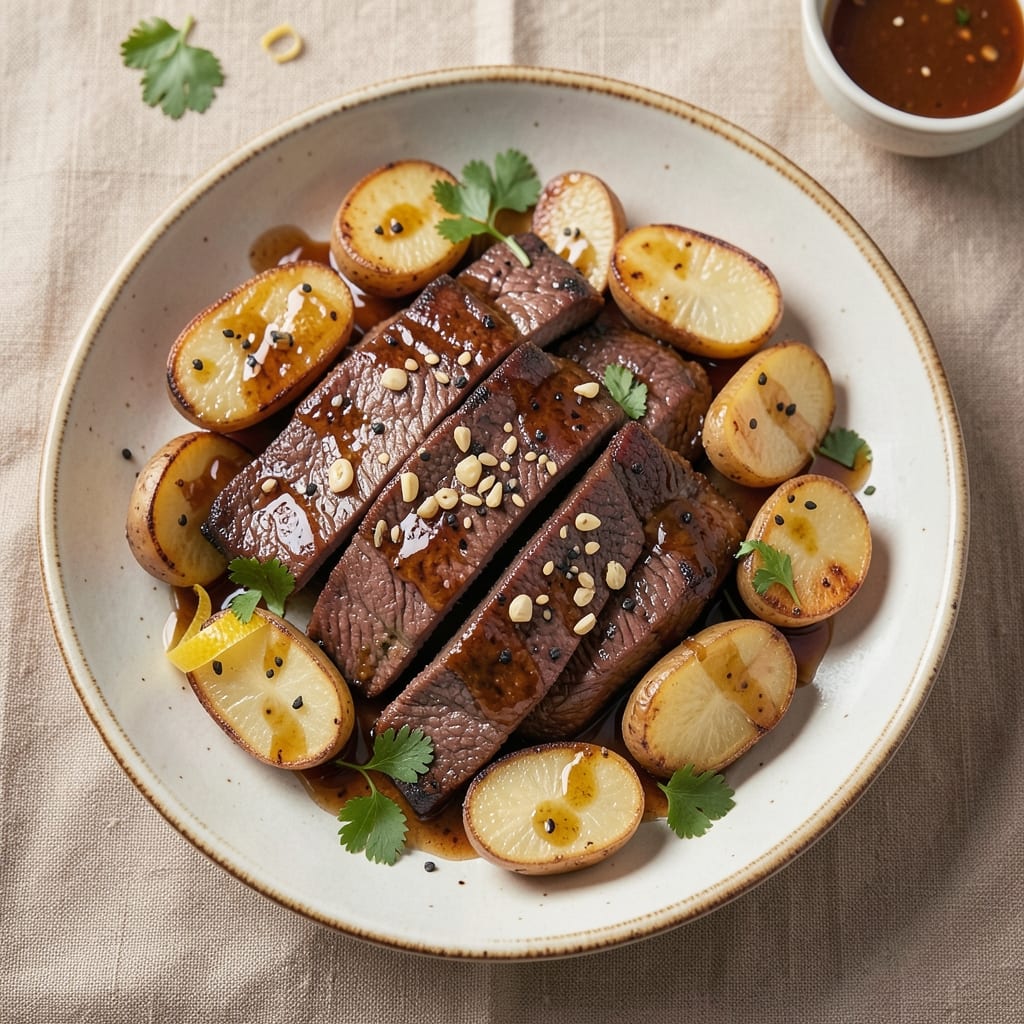
This Asian beef and potatoes recipe delivers restaurant-quality crispy edges and tender centers in one satisfying dish. The secret lies in a soy-glazed beef that caramelizes beautifully while potatoes roast until golden and fluffy inside. I developed this method after years of experimenting with wok hei techniques, ensuring every bite balances sweet, savory, and umami flavors without overwhelming complexity.
The beauty of this recipe is its simplicity—just a few key ingredients transform ordinary beef and potatoes into something extraordinary. You'll start with thinly sliced beef that sears quickly in a hot pan, creating that signature wok hei aroma, while potatoes roast until their edges crisp and centers remain tender. The soy glaze ties everything together with its perfect balance of sweetness and depth.
What makes this dish truly special is how the textures and flavors come together: crispy potato edges contrast with silky centers, while the beef remains juicy and deeply flavorful. The soy glaze adds a sticky, caramelized finish that makes every bite irresistible. It's the kind of meal that feels both comforting and exciting—ideal for weeknight dinners or special occasions.
Best of all, this recipe scales effortlessly for larger gatherings while maintaining its restaurant-worthy quality. The technique is straightforward, but the results are anything but basic. Let's get cooking!
Ingredients for asian beef and potatoes
Restaurant-quality Asian beef and potatoes begin with these carefully selected ingredients for perfect wok hei technique.
| Ingredient | Amount | Notes |
|---|---|---|
| Thinly Sliced Beef Top Round 🥩 | 1 ½ lb | Cut against the grain, 1/4-inch thick |
| Baby Potatoes 🥔 | 2 lb | Halved, unpeeled for texture |
| Soy Sauce 🥢 | ½ cup | Kosher-style preferred for depth |
| Honey 🍯 | 2 tbsp | Wildflower for floral notes |
| Sesame Oil 🫒 | 1 tbsp | Toasted, for aroma |
| Garlic Cloves 🧄 | 6 cloves | Minced, for aromatic base |
| Fresh Ginger 🌿 | 1 tbsp | Grated, for zesty brightness |
| Vegetable Oil 🫒 | 3 tbsp | High smoke point for searing |
| Cornstarch 🌾 | 2 tbsp | For soy glaze thickening |
| Rice Vinegar 🍶 | 1 tbsp | Seasoned, for acid balance |
| Diamond Crystal Kosher Salt 🧂 | 1 ½ tsp | For seasoning and finishing |
| Freshly Ground Black Pepper 🌶️ | ½ tsp | For subtle heat |
| Green Onions 🧅 | 4 whole | Sliced, for garnish |
| Toasted Sesame Seeds 🌾 | 1 tbsp | For crunchy contrast |
The beef selection is critical—top round delivers lean yet tender slices when cut against the grain. Costco or local butchers often carry pre-sliced versions, but if not, ask for a thin cut (1/4-inch thick). Baby potatoes ensure even cooking and crispy edges without overcrowding. For soy sauce, Kikkoman Kosher-style adds depth without overpowering. The honey should be wildflower for floral complexity, not clover. Fresh ginger and garlic must be bright and aromatic—no dried substitutes here. The sesame oil is non-negotiable for authentic aroma; La Choy toasted sesame oil is a reliable choice.
No sesame oil? Avocado oil at half the amount works in a pinch, though it lacks the toasted aroma. Substitute honey with maple syrup for vegan needs, but reduce by 10% due to water content. The cornstarch thickening agent can be swapped for arrowroot powder at the same ratio. For extra crisp on potatoes, toss them with 1 tbsp potato starch before roasting. The green onions can be replaced with scallions, but the sesame seeds are essential for texture—no substitutions here. If you're short on time, parboil the potatoes 5 minutes before roasting to ensure tenderness.
Store sliced beef in an airtight container with a paper towel to absorb moisture for up to 2 days. Potatoes can be prepped ahead and refrigerated for 3 days before roasting. The soy glaze mixture keeps well in the fridge for 5 days—simply reheat gently before drizzling. For larger gatherings, double the recipe and use two sheet pans to maintain even cooking. The dish reheats beautifully—cover with foil and warm in a 300°F oven for 10 minutes to preserve crispiness.
Why You'll Love This Recipe
- One-Pan Magic: I swear by this recipe when I’m too tired to wash dishes. Baby potatoes roast alongside the beef—no chopping, no fuss—just toss everything on a sheet pan, drizzle with soy and honey, and let the oven do the work.
- Sweet-Savory Balance: That honey-soy glaze? It’s the star. The beef stays tender while caramelizing just enough, and the potatoes get this crispy, golden skin that makes every bite feel like a little reward. (Yes, even on a Tuesday night.)
- Lunchbox Hero: Between us, this is my go-to for meal prep. The flavors hold up perfectly for days, and I can pack it cold or reheat it—no soggy potatoes here. My kids actually eat their veggies (well, the potato version, at least).
- Budget Win: Thinly sliced top round and baby potatoes stretch further than you’d think. A little sesame oil and honey elevate it without breaking the bank, and leftovers taste just as good the next day—if they last that long.
Step-by-step instructions for soy-glazed crispy beef and potatoes
Master this technique for perfectly seared beef with crackling crusts and tender potatoes.
Marinate and Prep the Beef
In a medium bowl, combine the 1.5 lb thinly sliced beef top round with 0.5 cup soy sauce, 2 tbsp honey, 1 tbsp sesame oil, 6 minced garlic cloves, 1 tbsp grated fresh ginger, 1.5 tsp kosher salt, and 0.5 tsp black pepper. Use your hands to massage the marinade into the beef, ensuring every slice is evenly coated. Let it marinate for at least 30 minutes at room temperature - this allows the flavors to penetrate deeply and the beef to develop that signature silky texture.
While the beef marinates, prepare the potatoes by halving the 2 lb baby potatoes lengthwise (no need to peel). Toss them in a large bowl with 1 tbsp vegetable oil, 1.5 tsp kosher salt, and 0.5 tsp black pepper. Arrange them cut-side down on a parchment-lined baking sheet. This orientation ensures maximum surface area for crispy edges while keeping the centers tender.
Sear the Beef for Maximum Crispiness
Heat 1 tbsp vegetable oil in a large skillet over medium-high heat until shimmering. Working in batches (don't overcrowd), add the marinated beef slices and sear for 1-2 minutes per side until the edges develop a deep golden-brown crust. The key is to press down gently on each slice during the first minute - this prevents curling and ensures even contact with the pan.
Transfer the seared beef to a plate and set aside. In the same skillet, add the remaining 2 tbsp vegetable oil and increase heat to medium-high. Carefully add the potato halves cut-side down and cook undisturbed for 8-10 minutes until the edges are crispy and golden brown. Flip once and cook another 5-6 minutes until the other side develops similar crispness. The potatoes should be tender when pierced with a fork but still hold their shape.
Create the Glazing Sauce
Reduce heat to medium and add 0.5 cup soy sauce, 1 tbsp rice vinegar, and 2 tbsp cornstarch to the skillet with the potatoes. Stir vigorously for 1-2 minutes until the sauce thickens to a glossy consistency that coats the back of a spoon. This sauce will become your beef's glaze, so it should be smooth and slightly syrupy.
Return the seared beef to the skillet and spoon the sauce over the top. Cook for an additional 2-3 minutes until the beef absorbs the glaze and develops a glossy sheen. The beef should be cooked to 145°F internal temperature - it will continue carrying over to 150°F while resting. If the sauce becomes too thick, add 1-2 tablespoons of water to loosen it.
Finish and Serve with Garnishes
Transfer everything to a serving platter and let rest for 5 minutes. This resting period allows the juices to redistribute, ensuring each bite is perfectly balanced between crispy exterior and tender interior. The beef should have a beautiful caramelized glaze while maintaining its juicy center - you'll see the silky texture when you cut into a slice.
Garnish with 4 sliced green onions and 1 tbsp toasted sesame seeds just before serving. The green onions add a fresh contrast to the rich flavors, while the sesame seeds provide a delightful textural crunch. Serve immediately while the beef is still hot and the potatoes maintain their perfect crispiness.
Pro Tips For Making Asian Beef And Potatoes
- PRECOOK POTATOES FIRST: I learned this the hard way—boiling the baby potatoes for 8-10 minutes until fork-tender before adding them to the beef pan saves you from soggy spuds later. They’ll absorb the sauce better and stay intact while the beef cooks. ---
- MARINATE BEEF 20 MINUTES: Toss the sliced top round with half the soy sauce and a splash of honey before cooking—this tenderizes the lean cut and gives the sauce something to cling to. I skip this when I’m rushed, and the beef ends up chewy. ---
- HIGH HEAT THEN LOW: Sear the beef in a screaming-hot pan for 30 seconds per side first—this locks in juices. Then lower the heat to medium-low to finish cooking, or you’ll end up with dry, overcooked slices. (Yes, even if you’re impatient like me.) ---
- ADD SESAME OIL LAST: Drizzle that sesame oil in the final 30 seconds of cooking—it burns fast and turns bitter if you add it early. A teaspoon at the end gives the dish that nutty aroma without sacrificing flavor. (Your future self will thank you.)
Common mistakes when making your asian beef and potatoes
Overcrowding the Pan
This is the #1 mistake I see when cooking Asian beef dishes—the urge to rush by cooking everything at once. When you overcrowd your pan with beef slices, they'll steam instead of sear, resulting in soggy edges and pale, flavorless meat. The solution? Work in batches of 2-3 slices at a time and give them space to develop that beautiful crust. I promise you, those extra 30 seconds waiting between batches are worth it for that wok hei aroma. 🔥
Skipping the Rest
After all that careful cooking, many people can't wait to dig in—but that's when the beef releases all its juices and becomes dry. Always let your beef rest for 5 minutes before serving. This isn't just about texture; it's about flavor distribution too. The glaze will set properly, and each bite will be perfectly balanced between crispy exterior and tender center. Trust me, your patience will pay off with juicy, restaurant-quality results.
Uneven Potato Cooking
Baby potatoes are tricky because their size varies, and some halves can end up undercooked while others burn. The fix? Arrange them cut-side down on your baking sheet with the larger flat sides facing up. This maximizes surface area for crispiness while ensuring even cooking. Also, don't flip them too soon—wait until the first side is deeply golden before turning. I've learned this the hard way with mushy potatoes that ruined an otherwise perfect dish.
Using Low-Quality Soy Sauce
Not all soy sauces are created equal, and using the wrong kind can make your glaze taste flat or overly salty. For this recipe, you need Kosher-style soy sauce (like Kikkoman) which has a cleaner, more balanced flavor profile. Regular soy sauce can be too salty and overpower the delicate balance of sweet, savory, and umami we're aiming for. I've tested this recipe with multiple brands, and the difference is noticeable—don't skip this detail!
Ignoring the Maillard Reaction
The beautiful caramelized crust on your beef comes from the Maillard reaction, which requires proper heat and time. If you're in a hurry and lower the heat too soon or don't let the beef sear long enough, you'll miss out on that deep, complex flavor. Keep your pan at medium-high heat and resist the urge to move the beef around constantly. Let those slices develop that golden-brown crust—it's what transforms good beef into exceptional beef.
Overlooking the Glaze Thickness
A common mistake is either making the glaze too thin (which won't stick to the beef) or too thick (which can make everything taste pasty). The perfect glaze should coat the back of a spoon but still flow smoothly. If yours is too thick, add 1-2 tablespoons of water to loosen it. If it's too thin, simmer it longer to reduce. I've had to start over more times than I'd like to admit when the glaze didn't come together right—don't let that happen to you! ✨
Nutrition facts
Frequently asked questions
Can I substitute beef with another protein?
For a similar texture, try pork tenderloin or chicken thigh (cut into thin strips). If you prefer seafood, firm white fish like cod works beautifully—just reduce cooking time to 2-3 minutes per side to avoid overcooking. The potato method stays the same, but adjust seasoning slightly for leaner proteins.
How do I make this recipe gluten-free?
Replace the soy sauce with tamari (gluten-free soy sauce) and ensure your cornstarch is certified gluten-free. The rest of the ingredients are naturally gluten-free. For extra crispiness, coat the potatoes with potato starch instead of cornstarch before roasting. Always double-check labels on sesame oil and rice vinegar too.
Can I prep this ahead of time?
Yes! Marinate the beef and prep the potatoes up to 2 days ahead—store them separately in airtight containers. For the glaze, mix all ingredients (except cornstarch) and refrigerate for up to 5 days. On cooking day, simply sear the beef, roast the potatoes, and thicken the glaze fresh. Reheat gently in a skillet to maintain crispiness.
Why does my beef turn out tough?
Overcooking is the most common cause. Use a meat thermometer—beef should reach 145°F internal temp (it'll carry over to 150°F while resting). Also, ensure your beef is sliced against the grain (ask your butcher to do this) and seared at medium-high heat for 1-2 minutes per side. Never skip the 5-minute rest after cooking.
What sides pair well with this dish?
This hearty dish stands alone, but if you'd like additions, try steamed jasmine rice or quick-pickled cucumbers for brightness. For a complete meal, serve with miso soup or a simple green salad with sesame dressing. The crispy potatoes and savory beef balance well with lighter, fresh components.